


If you plucked a hair and saw a white bulb attached, don’t panic. That white bulb is likely a club hair, and in most cases, your hair will grow back.
You can lose a patch or thatch of hair for any number of reasons. Losing hair with the follicle bulb attached usually occurs when your hair has been pulled in some way, however.
Typically, that’s either a purposeful act, such as with plucking, or it may occur due to a fight or another incident. Unless there’s been some type of underlying damage, your hair will grow back regardless.
In most cases, that little white bulb is a “club hair” from the resting phase, so it looks dramatic, but it does not mean you killed the root.
If the end looks dark, bloody, or has a long jelly-like coating, that can mean the hair was pulled out more forcefully, but the follicular stem cells that regenerate new hair still usually stay inside the scalp.
Double board-certified dermatologist Sanober Pezad Doctor, MD, explains when a plucked patch needs more than patience:

Repeatedly plucking the same hairs can traumatize the follicle, and with chronic or aggressive plucking, some follicles may become damaged enough that they no longer produce normal hair. I would be more concerned about permanent loss when the area has been repeatedly traumatized for years and the skin begins to look smooth or shiny, with reduced or absent follicular openings.
Encouraging Regrowth After Plucking the Follicle Bulb
People who pull, wax, thread, or pluck hair often worry about how or if it will grow back. When you pluck your hair, even when you’re just trying to shape your eyebrows, your hair will typically grow back in the same pattern.
That’s not to say that plucking your hair will make it grow faster, but the hair will return. You just have to wait for it to grow, which happens so slowly that it often seems like you permanently messed up your brow line or hairline.
In reality, the follicle stays under your skin (about an eighth of an inch down). That’s why you have to tug hard on your hair to pull it out from the root. That root-like white bulb means the hair was in the resting phase and ready to shed naturally, so you did not pull out the whole follicle or “kill” the root.
Sometimes the hair comes out with a clear or white jelly-like coating extending up the shaft. This is just the root sheath (a protective layer), not the root itself. Losing this does not stop the hair from growing back.
You’re not in danger of your hair not growing back unless there’s been severe damage. Instead of waiting impatiently for signs of life, nurture your follicles.
Dr. Sanober again, on the signs that deserve a dermatologist’s look:
“Persistent redness, inflammation, scarring, or failure to see any signs of regrowth after stopping the plucking would also warrant a dermatologic evaluation. Early intervention is important because once the follicle has been permanently destroyed or scarred, spontaneous regrowth is unlikely.”
Note: As the new hair pushes through the surface of your skin, the area might feel itchy. This can be a good sign that growth is happening. Do not scratch it, as this can damage the new hair or irritate the follicle. Tap the area gently if it bothers you.
#1: Avoid Bleach
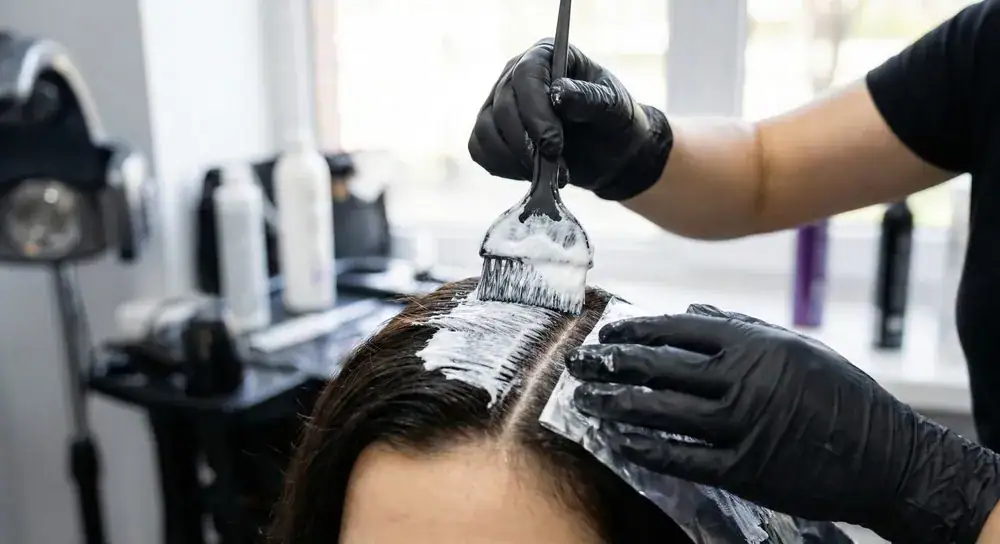
Honestly, when you’re dealing with plucked hair and potentially irritated follicles, you need to let your scalp rest.
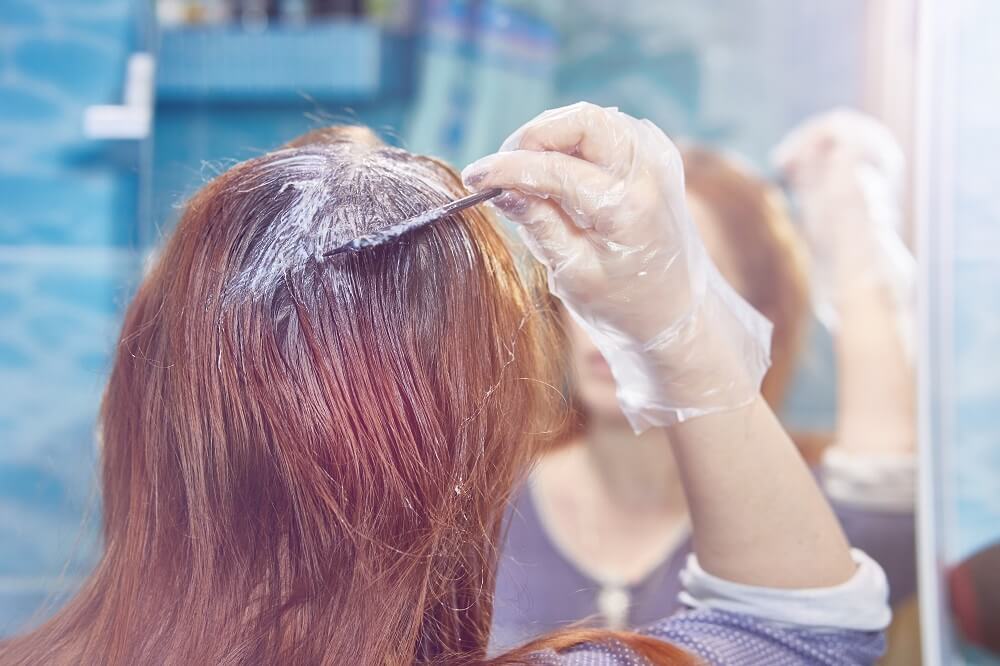
Follow the 72-hour rule: avoid bleach, hair dye, relaxers, perms, and strong chemicals for at least 72 hours after plucking. An empty follicle is basically a tiny open wound, so chemicals can sting, irritate, and even stain the skin if the barrier is disrupted.
#2: Turn off the Heat

Yeah, your hair dryer and straightening iron are modern-day miracles, but as they help you create a styled look, they can also weaken your hair. Try to let your hair air dry whenever possible and put down the irons.
#3: Keep the Follicle Clean
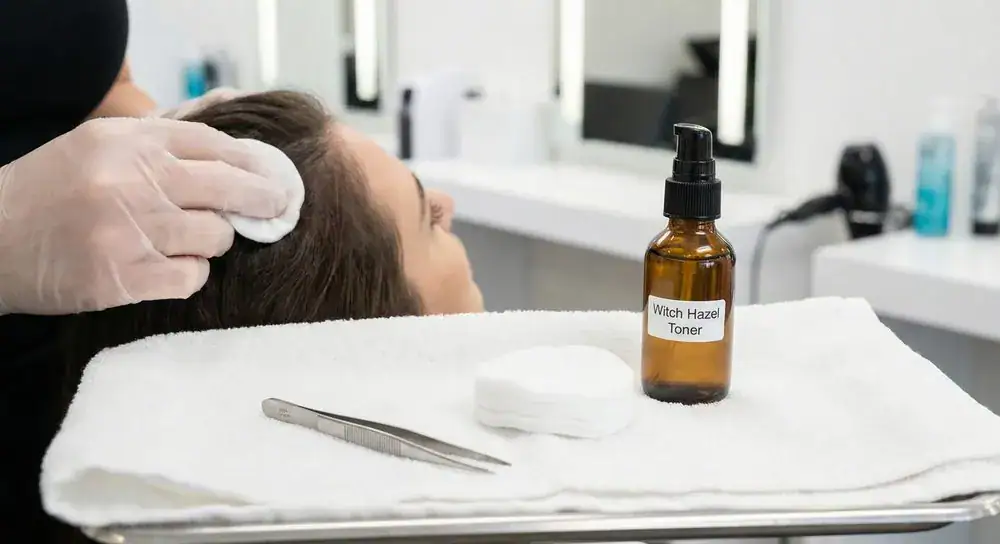
Remember, an empty follicle is a tiny open wound. Don’t touch it with dirty fingers. Swipe the area gently with alcohol-free witch hazel, or wash gently with a mild, fragrance-free cleanser. Do not apply heavy lotions or oils for 24 hours.
Also, keep an eye out for ingrown hairs. If the new hair grows sideways into the skin, you might see a red bump. Do not pick at it or try to pop it with a needle, as this can cause scarring. Apply a warm compress to help the hair surface naturally.
#4: Camouflage the Gap
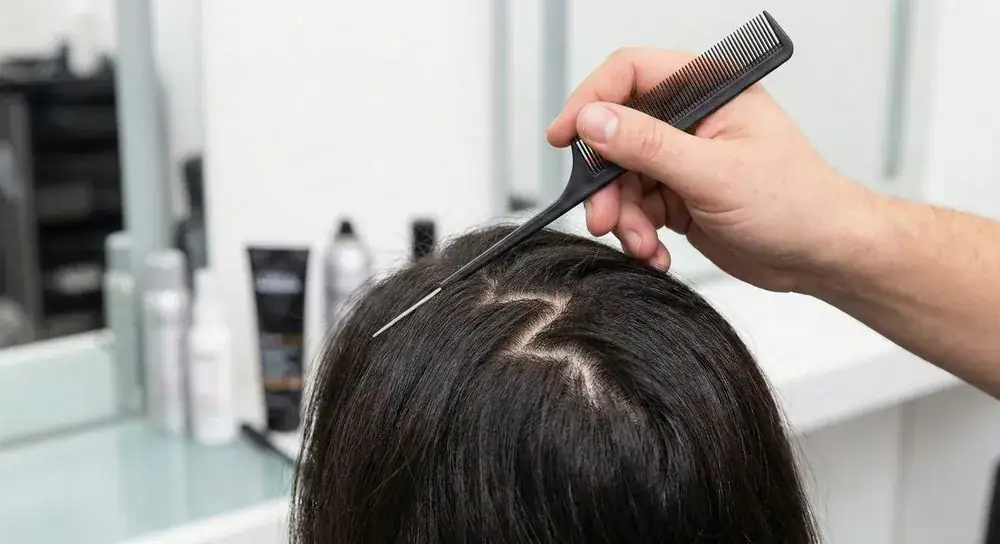
Waiting for regrowth takes time. To hide the spot now, change your part. A messy zig-zag part hides gaps better than a straight line.
You can also use root spray. A quick spritz of tinted root concealer (after the spot has healed for about 2 days) can make a bald patch look much smaller. If you prefer powders, choose a product made for roots rather than regular eyeshadow, as eyeshadow can look chalky and may transfer with sweat.
In short, even if you’ve plucked hair that has the follicle bulb attached, it will grow back. You didn’t make it permanently disappear. If you want to support the regrowth, a dermatologist’s ranking of popular growth remedies covers what helps and what is myth.
For hair-pulling habits or concerns, please reach out to a qualified mental health professional.



Leave a comment