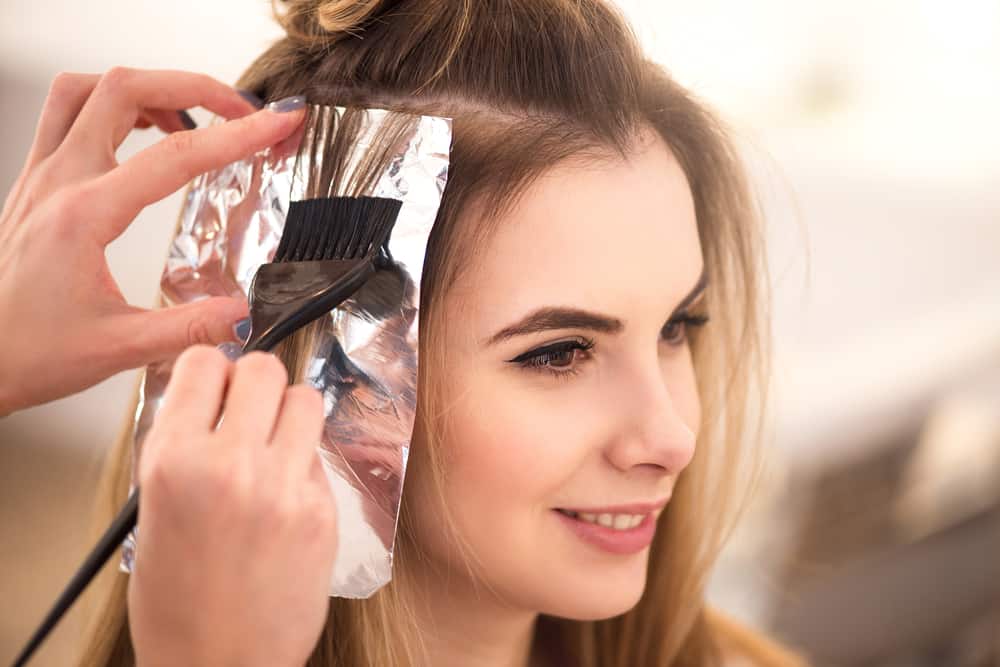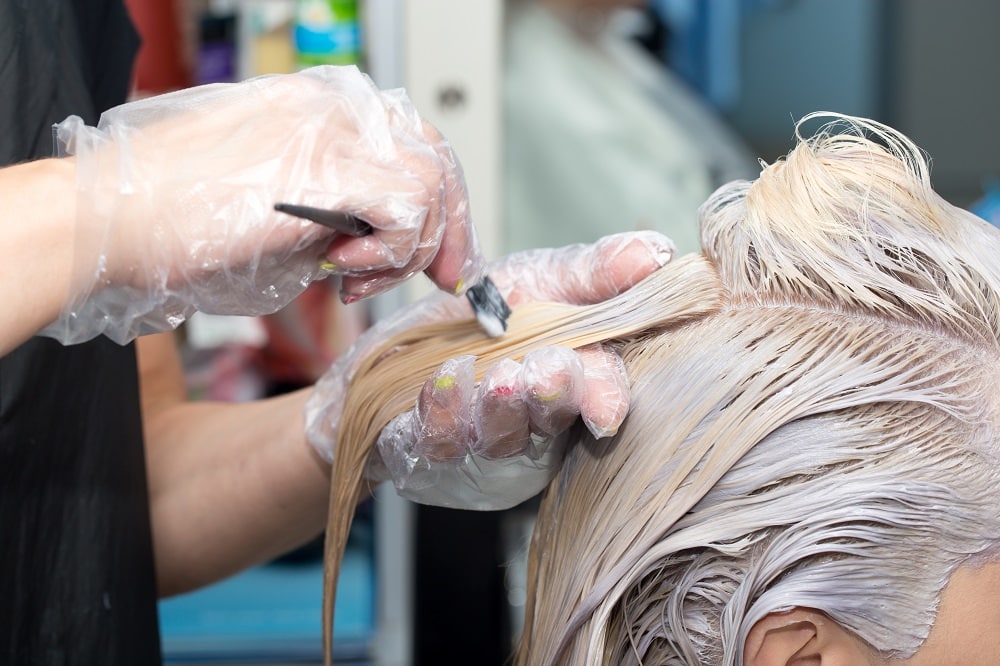


Opening the hair cuticle is a normal part of coloring hair. Many people think ammonia is the only way to do it, but heat can support the process, too.
Some hair dyes tell you to cover your hair after applying color to help raise the temperature. Heat can help the formula spread and process more evenly. A steamer can also provide gentle, consistent warmth.
After coloring, cooler water and acidic, conditioning products help the cuticle sit flatter again. That matters for shine, softness, and color longevity.
To understand how to open and seal the hair cuticle for coloring, read the guide below.
Summary: Opening and Sealing the Hair Cuticle
- Cuticle = the outer layer that controls shine, frizz, and how well color stays put.
- pH is the lever: alkaline formulas (higher pH) swell hair and lift the cuticle; acidic formulas (lower pH) help the cuticle lie flat again.
- Heat helps color process more evenly, but permanent dye still needs an alkaline agent (like ammonia or MEA) to properly penetrate and develop.
- Sealing steps: rinse well, condition, use cool water, and keep the hair in a slightly acidic, moisturized state.
How to Open the Hair Cuticle
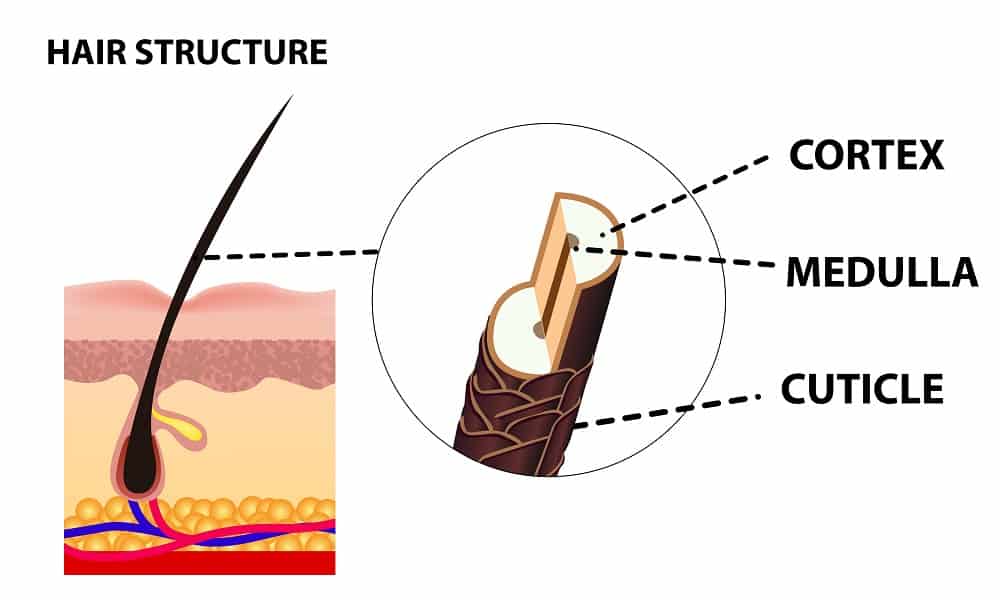
If you color your hair often, it helps to understand what is happening to the cuticle. That knowledge makes it easier to protect your hair and reduce damage over time.
The cuticle is the outer layer of the hair strand. It is made of overlapping “scales,” similar to shingles on a roof. When those scales lie flat, hair reflects more light. That is why healthy hair looks smoother and shinier.
For permanent color to last, the formula needs access beyond the cuticle into the cortex, which is the layer where color changes are formed and held.
The Science: How pH Levels Control Your Cuticle
This is the part most articles skip, but it is the key.
- High pH (alkaline, above 7) swells the hair shaft and lifts the cuticle. This helps permanent dye and lighteners work, but it also increases dryness and roughness if you overdo it.
- Low pH (acidic, below about 6) helps the cuticle contract and lie flatter. This improves shine, softness, and helps color last longer.
Important: Heat can support processing, but heat alone cannot replace alkalinity. Permanent dye still relies on an alkaline agent (commonly ammonia or MEA) to open the cuticle enough for the chemistry to work properly.
If you are going from dark to significantly lighter, you usually need a lightener (bleach) and a developer. That process is easy to mess up at home, so a professional colorist is the safer option for major lifts.
After coloring, the goal changes. You want to help the cuticle settle back down so hair feels smoother and holds onto color longer.
Hair porosity also matters. Porosity is closely tied to how lifted or damaged the cuticle is.
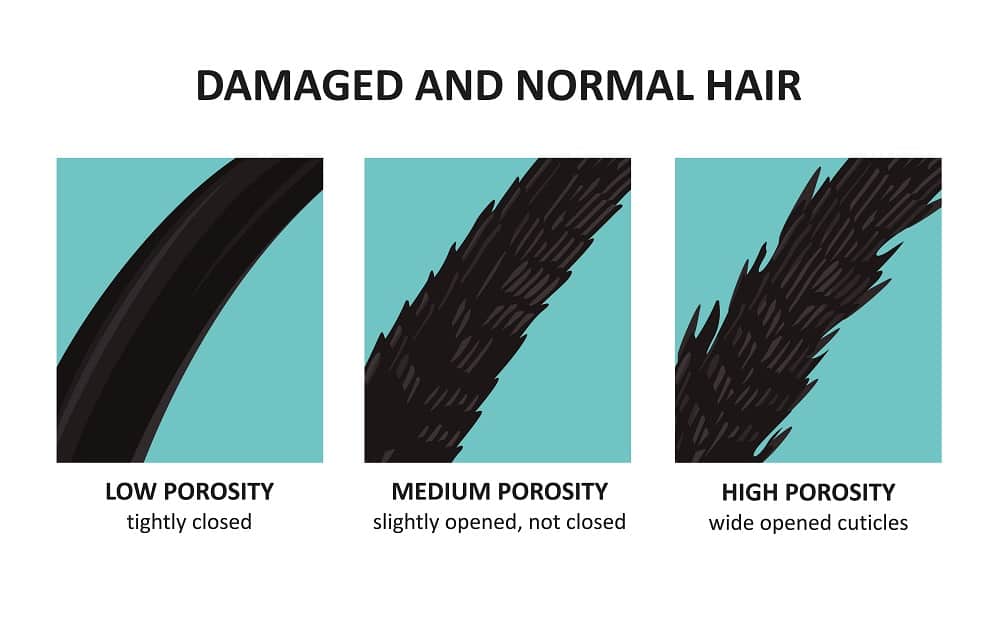
High porosity hair absorbs moisture fast but loses it fast. That usually means the cuticle is more raised or damaged from heat, lightening, or repeated chemical services.
Low porosity hair resists moisture because the cuticle lies flatter. It can still be healthy, but it often needs lighter, water-based hydration and patience with product buildup.
Cuticle behavior can look different by texture. Straight hair often reflects more light because the cuticle tends to lie flatter. Curly and coily patterns can be more prone to dryness because the cuticle can be more raised in areas, and scalp oils travel down the strand less easily.
How to Close the Hair Cuticle
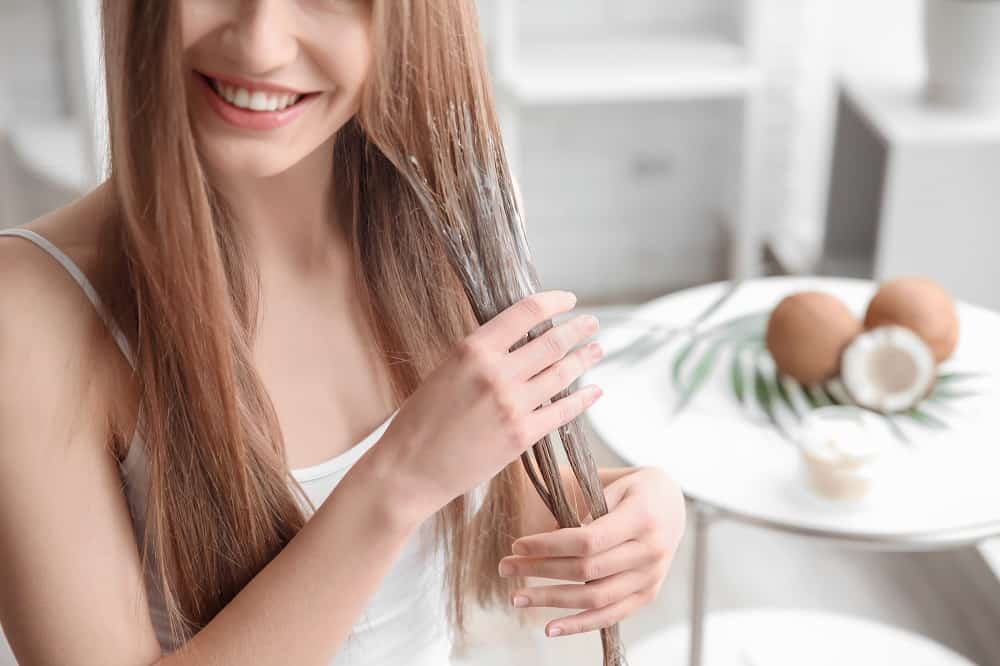
To help the cuticle lie flat again, you want moisture plus a slightly acidic environment. This is why conditioners and masks make hair feel smoother after coloring.
When hair feels soft and looks shiny, the cuticle is usually flatter, and moisture is better retained.
After every wash, use conditioner. A deep conditioning mask once a week can help, especially if you color or heat-style often.
The ends need extra care because they are older and usually more porous. If your ends feel rough, add a leave-in conditioner and limit hot tools for a while.
If you are using box dye at home, use the conditioner that comes in the kit. It is there to help smooth the cuticle after the coloring step.
Cooler water rinses can also help hair feel smoother. It will not “lock” color permanently, but it can reduce frizz and improve shine.
Safety Note: Always Dilute Vinegar
Apple cider vinegar (ACV) can help the cuticle lie flatter because it is acidic, but it is too strong to use straight. Undiluted vinegar (pH around 2–3) can irritate the scalp and sting the eyes.
Simple dilution: Mix 1 part vinegar with 10 parts water (example: 1 tablespoon vinegar + 10 tablespoons water). Use it as a quick rinse on the lengths, then rinse out with cool water. Avoid the eyes.
Sealing Tips for Long-Lasting Color
If your goal is to keep color from fading, focus on keeping the cuticle calm and reducing friction and heat.
- Wait before the first wash: If possible, wait 48–72 hours after coloring before shampooing. This helps the color fully settle.
- Use a gentle shampoo: Choose a sulfate-free shampoo if your hair is prone to dryness or quick fading.
- Rinse with cooler water: Hot water can make hair swell and feel rougher, which can speed up fading.
- Condition every time: Conditioner helps the cuticle lie flatter, which improves shine and helps reduce color loss.
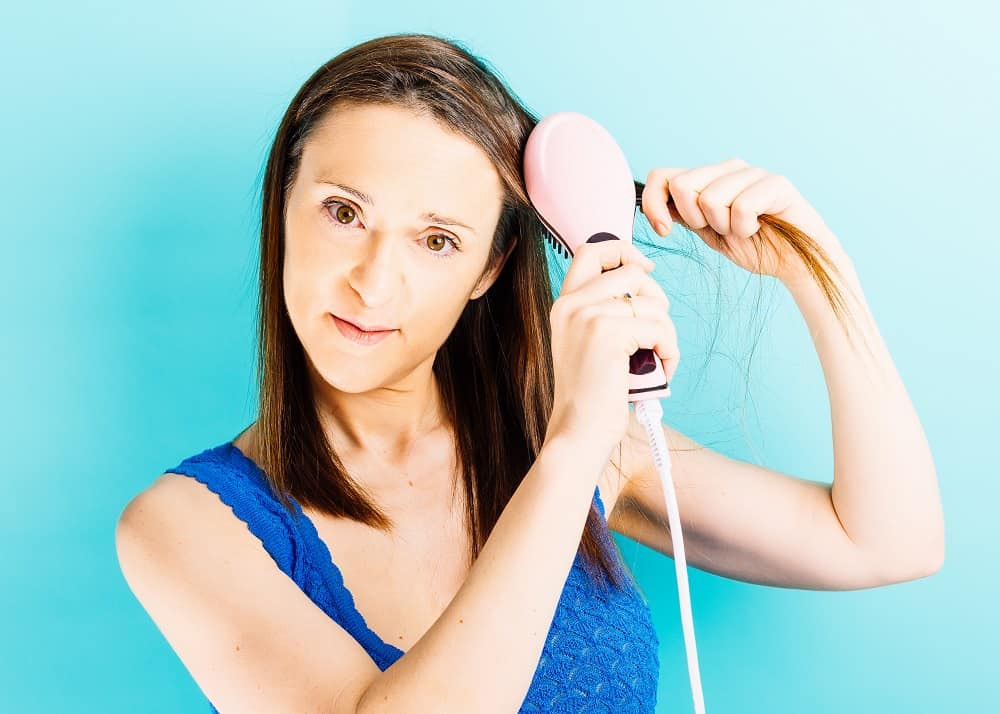
- Limit high heat: Frequent flat ironing and curling can roughen the cuticle over time. If you use hot tools, keep temperatures moderate and use heat protectant.
If your hair is very damaged, you may notice the cuticle does not lie flat easily. In that case, focus on trimming split ends and rebuilding a consistent conditioning routine before doing another major color change.
Wrapping Up
If you love changing your hair color, cuticle care is what keeps your hair looking good between appointments.
Alkaline formulas open the cuticle so permanent color can work. Heat can help processing, but it cannot replace the alkaline step needed for permanent dye chemistry.
After coloring, shift to sealing: conditioner, gentle washing, cooler rinses, and a slightly acidic routine when needed. The goal is simple. Keep the cuticle flatter so hair stays shinier, feels softer, and holds color longer.