

When bleaching or dyeing your hair, you have to choose the right developer volume. Two of the most common options are 10 volume and 20 volume.
People often struggle to choose between them. Developer contains hydrogen peroxide, which helps open the cuticle so color can deposit or lighten.
20-volume developer contains more hydrogen peroxide than 10-volume developer. That changes speed, lift, and risk. The goal is to pick the lowest volume that can do the job safely.
Quick Summary
- 10 volume (3%): best for deposit-only color, toners, glosses, and gentle “low and slow” bleaching with powder.
- 20 volume (6%): best for gray coverage and lifting 1 to 2 levels with permanent dye. With bleach powder, it can lift more, but it raises the damage risk.
- Simple rule: if you are going darker or toning, start with 10. Lifting or covering resistant grays, reach for 20.
Safety Note
Do not apply bleach or developer to an irritated scalp. If you have very damaged hair, a licensed colorist is the safest choice.
Check often: During lightening, check the hair every 10 minutes. Do not go past the brand’s maximum processing time.
Licensed cosmetologist and colorist Andrea Torre frames the whole 10 versus 20 decision as one rule:

20-volume developer contains more hydrogen peroxide than 10-volume developer. That changes speed, lift, and risk. The goal is to pick the lowest volume that can do the job safely.
Differences Between 10 Vol. Developer and 20 Vol. Developer
There are several differences between 10-volume and 20-volume developers. Here is a table that shows the basics at a glance.
| Features | 10 Volume Developer | 20 Volume Developer |
|---|---|---|
| Purpose | Deposit-only color, toners, glosses; gentle lightening with bleach powder | Gray coverage and moderate lift; standard choice for permanent color lift |
| Peroxide Strength | 3% peroxide | 6% peroxide |
| Cuticle Lift | Gentle cuticle opening; slower processing | More cuticle opening; faster processing |
| Gray Hair Coverage | Limited (not ideal for resistant grays) | Yes (common standard for coverage) |
| Hair Type | Works for all types; slower on thick or resistant hair | Works well on normal to thick hair; fine or fragile hair can overprocess faster |
| Lift With Permanent Dye | Minimal lift (mainly deposit) | Typically 1 to 2 levels |
How It Works: Peroxide Percentage and Cuticle Lift
The main difference is peroxide percentage. 10 volume is 3% hydrogen peroxide. 20 volume is 6%.
Higher peroxide usually means more cuticle swelling, faster processing, and more lift. It can also lead to more dryness and a higher risk of breakage if timing is off.
That is why “stronger” is not automatically “better.” The safer approach is choosing the lowest strength that can reach your goal.
When 10 Volume Makes Sense
Use 10-volume developer when you want to deposit color, refresh a tone, or use a toner or gloss. It is also common for subtle shifts when you do not need noticeable lift.
10 volume can also be used with bleach powder for a gentle, slower lift. It takes longer, but it is a smart choice for fine hair, fragile hair, or a sensitive scalp.
When 20 Volume Makes Sense
Use 20-volume developer when you need lift with permanent dye or when you want better gray coverage. With permanent dye, 20 volume typically lifts about 1 to 2 levels.
With bleach powder, 20 volume can lift more than dye can. Still, going from dark brunette to a cool, pale blonde usually takes more than one session. Expect warmth along the way.
Processing Time Guide
Exact timing depends on the brand and your hair. Use this as a practical starting point, but follow the manufacturer’s instructions.
| Developer | Common Use | Typical Time Range |
|---|---|---|
| 10 Volume | Deposit, toner, gloss | 20 to 30 minutes |
| 10 Volume | Bleach powder (gentle lift) | Up to 45 minutes (check often) |
| 20 Volume | Lift with permanent dye, gray coverage | 30 to 45 minutes |
Checking every 10 minutes is crucial when lightening. Stop as soon as you reach the target. Do not exceed the brand’s max time.
Gray Hair Coverage
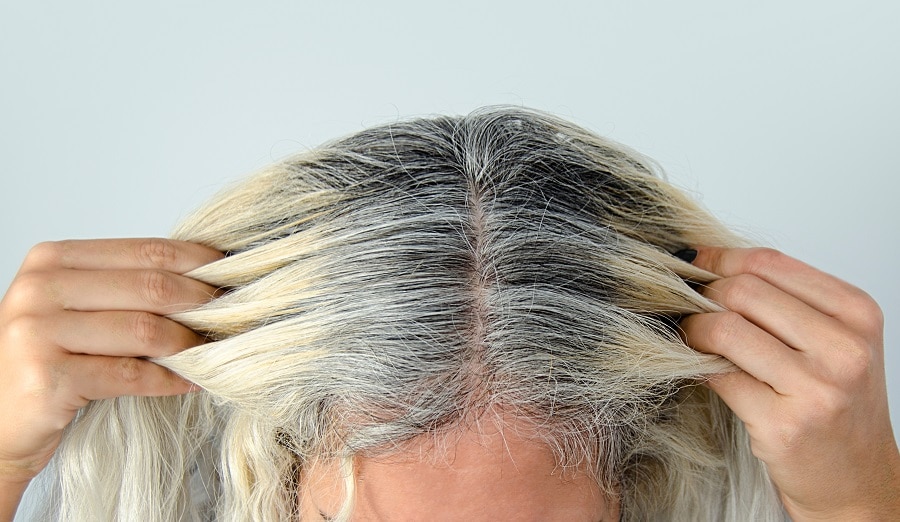
In most cases, 20-volume developer covers gray hair more reliably than 10-volume. It helps the dye penetrate and develop more strongly.
10 volume is more common with toners, glazes, and deposit-only refreshes. It can work on some grays, but it is not the best pick for resistant gray coverage.
Hair Type
20 volume is often a better fit for normal to thick hair because it processes faster and gives more lift with dye.
Fine or fragile hair can overprocess faster with 20 volume. Timing matters. If your hair is already dry, bleached, or heat-damaged, a lower volume and a strand test can save you from breakage.
10 volume is gentler across hair types, but it can take longer on thick or resistant hair.
Bleaching Hair
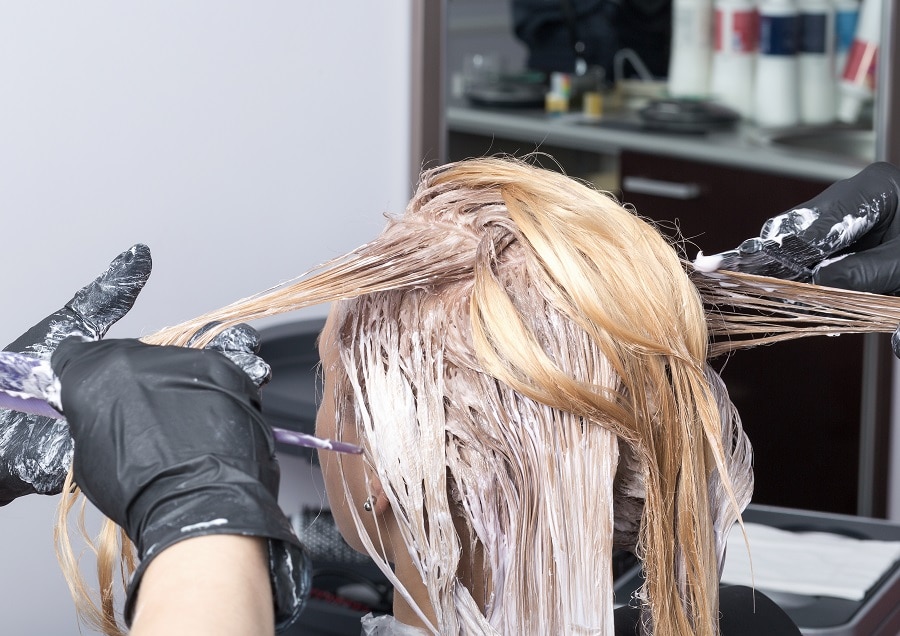
Contrary to popular belief, you can use 10 volume with bleach powder. On healthy hair, it gives a “low and slow” lift, often around 1 to 2 levels. It is a smart choice for fine hair, fragile hair, or a sensitive scalp when you want gentler lightening.
20 volume with bleach is faster and can lift more, but it also raises the risk of dryness, breakage, and scalp irritation. If you need more speed or lift, 20 volume can make sense. For many people, starting gentle is the safer call.
Should You Use 10 or 20 Volume Developer to Darken Hair?
If you want to go darker, 10-volume developer is usually the better pick. It supports deposit without unnecessary lift. If your product line offers it, an even gentler 5-volume developer is another deposit-only option. Whichever you pick, patch test a day ahead when you can, and run a timer during processing rather than guessing.
With 20 volume, you can get extra warmth at the roots in some cases, especially if heat from the scalp speeds up processing. If the goal is simply darker, keep it gentle.
When Should You Apply 10 Volume Developer to Hair?
10-volume developer (3% peroxide) is a solid choice for toning or glossing previously colored hair. It is also useful when you want to go darker or stay near the same level.
If your hair is thick or coarse, it may need more time to fully process. Follow the brand’s timing and check your strand test first.
When Should You Apply 20 Volume Developer to Hair?
20-volume developer (6% peroxide) is a standard choice for gray coverage and for lifting with permanent dye. With dye, it typically lifts about 1 to 2 levels.
If you are using bleach powder, 20 volume can lift more than dye can, but it can still leave warmth. Going from dark brunette to a very pale blonde usually takes multiple sessions. Do not chase platinum in one step.
Can I Use 20 Volume Developer Instead of 10 Volume to Bleach My Hair?
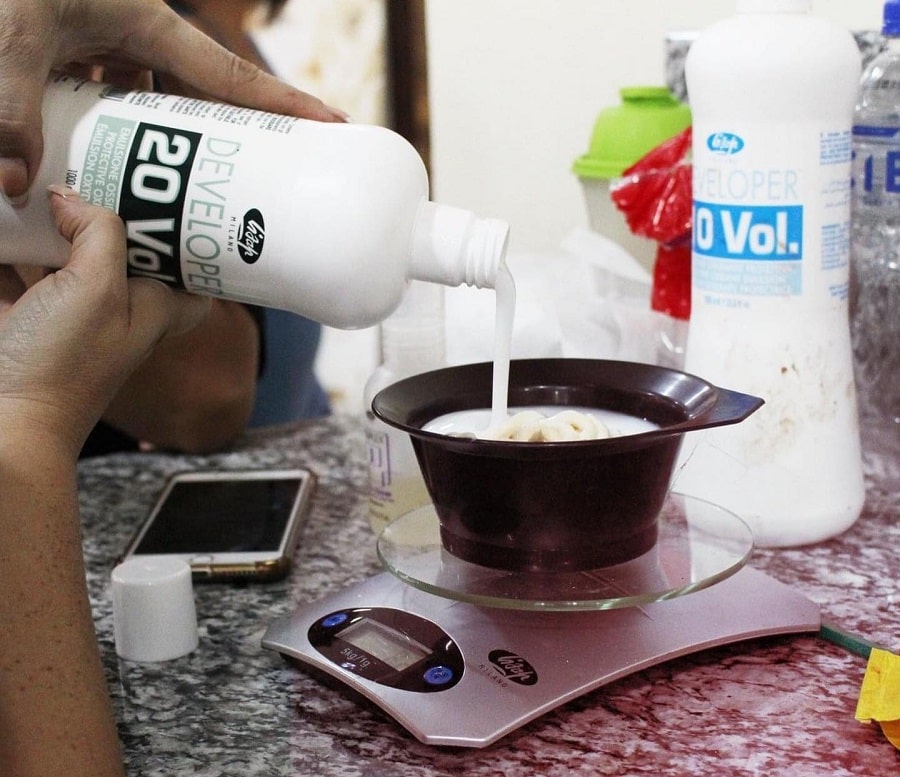
Yes, you can use 20 volume for bleaching. It is faster than 10 volume and can lift more in the same time window.
Also yes, 10 volume can bleach. It is not “too weak.” It is simply slower. Many people prefer it when they want a gentler lift and more control.
Whichever you pick, match it to your hair condition, your target shade, and your comfort with risk. A strand test tells you more than any chart.
Critical Mixing Rules and Troubleshooting
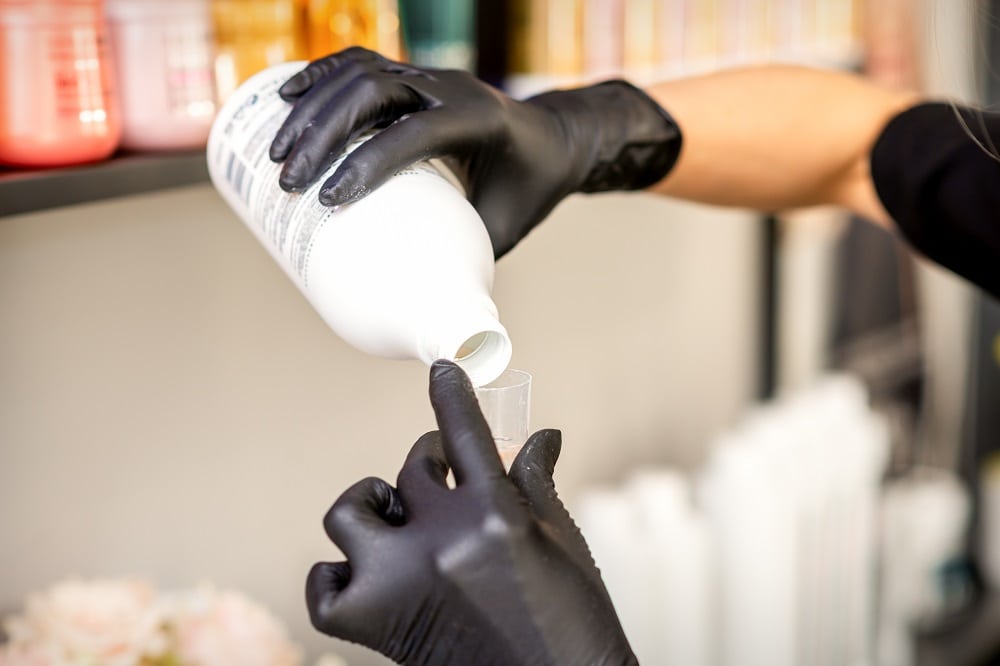
Once you have chosen your volume, you must get the mixing ratio right. If you use too much dye or too much developer, even the perfect volume choice may not work.
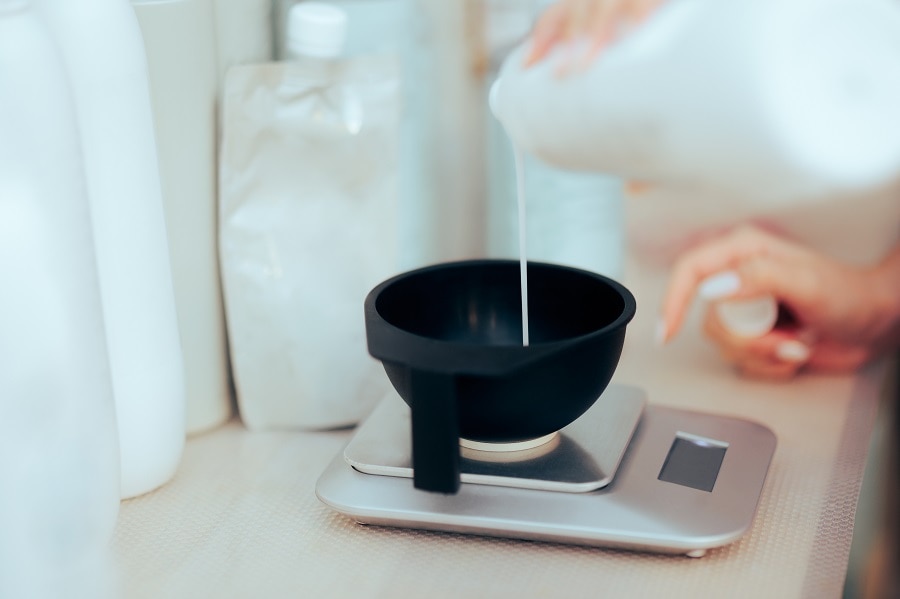
The Standard Ratio: The most common mixing ratio is 1:1, or equal parts dye and developer. High-lift colors or bleaches often require 1:2. Always check the instructions on the tube.
What Happens If You Use Too Much Developer? (Runny Mix)
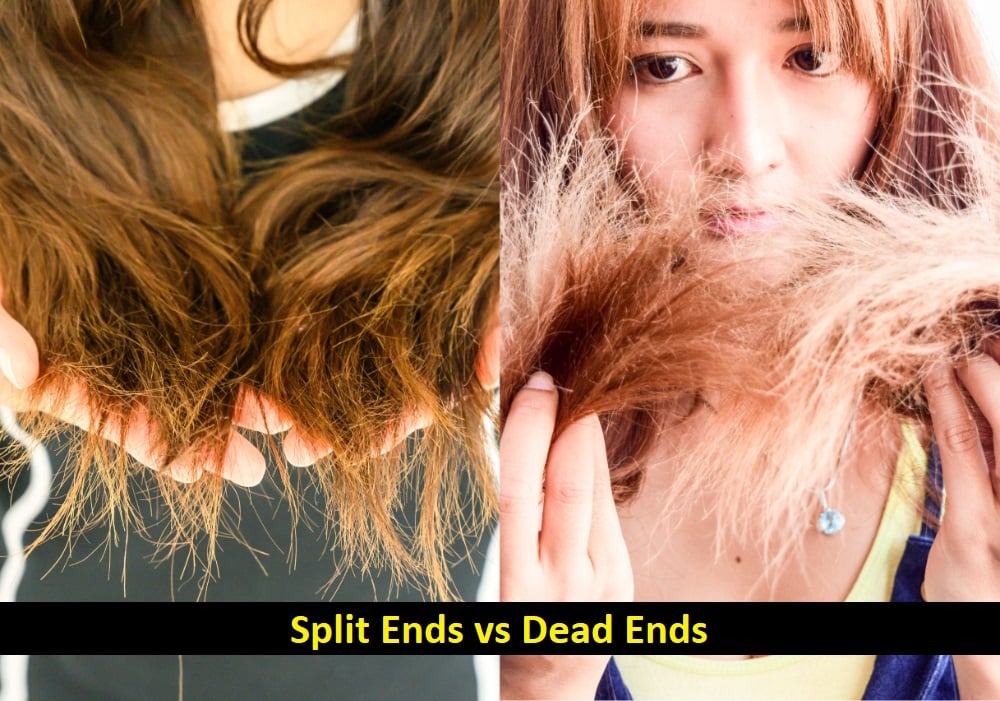
Using more developer increases the amount of hydrogen peroxide. This pushes oxidation too hard. It can stress the hair fiber. Instead of leaving hair healthy and shiny, the result is often hair that feels like straw when dry. It may also feel overly stretchy when wet and become prone to snapping as it dries.
What Happens If You Use Too Much Dye? (Thick Mix)
If you use too much dye, the mixture can turn thick and dry. That makes it harder to spread, which can lead to uneven coverage and patchy results.
The Mixing Tip: Developer is usually acidic, which balances the alkalinity of the dye. Using too much dye can throw off that balance and may leave the scalp feeling itchy or irritated, so stick to the ratio on the box.
| Scenario | Result on Hair Texture | Result on Color |
|---|---|---|
| Too much developer (Runny mix) |
Dry, brittle, and prone to snapping | Lighter than intended, faster fading |
| Too much dye (Thick, dry mix) |
Rough feel, the cuticle stays more open | Dark, dull, muddy, fades fast |
A mixture with too much dye can create more concentrated ammonia fumes. Keep the room well ventilated to reduce respiratory irritation.
How to Fix a Wrong Mix
If you have not applied it yet, discard the bowl and start over. Do not add water to thin out a mixture that was mixed with too much dye.
Whichever developer you land on, the rule stays the same: pick the lowest volume that reaches your goal, follow the brand’s ratio, and let a strand test make the final call.