

Also reviewed by Yashandeep Kaur, Registered Nurse & Drug Safety Specialist
When you buy through links on our site, we may earn an affiliate commission. As an Amazon Associate, we earn from qualifying purchases.
Wella T18 can help you tone blonde hair at home, but only when your hair is at the right color level and you mix it correctly.
Sometimes when we bleach our hair to achieve a cool blonde hair color, we are left with stubborn yellow undertones. Wella T18 toner is a popular choice to neutralize that pale yellow.
The current US Wella T18 directions specify 1 part toner to 2 parts 20-volume Wella Colorcharm developer. Using 10-volume developer differs from those directions and should not be presented as the package instruction.
Note: Wella’s directions say to pre-lighten hair to the required level before toning. Changing developer strength does not replace that preparation.
Quick Guide: Wella T18 with Developer
- The Mix: 1 part Toner to 2 parts Developer (1:2 ratio).
- Best For: Light hair only (Level 9–10). Best on pale yellow (Level 10). Wella T18 will not fix orange hair.
- Developer Choice: 20 Volume is the standard but strong. 10 Volume is often safer for previously bleached or porous hair.
- Avoid: Do not use 30 or 40 volume with Wella T18.
- Timing: Process for up to 30 minutes, but check visually every 5 minutes.
- Safety: Always do a patch test. Stop immediately if you feel burning. If your scalp feels sensitized from bleach, wait 24–48 hours before toning.
What is Wella T18 Toner?
Wella T18 is a violet-based liquid toner. It is made for very light blonde hair (Level 9–10) that looks pale yellow after bleaching. It helps push that pale yellow toward a cooler, ash blonde look.
Used alone, Wella T18 will not work. Toner needs to be mixed with a developer so it can process and deposit tone.
Wella T18 helps neutralize yellow warmth that can show up after bleach or any other lightening product. If your hair is orange, T18 is not the right match. Orange needs more lift or a blue-based toner.
Warning
If your hair is orange, Wella T18 will not neutralize it. Do not keep reapplying toner or increase developer strength to force results. That can lead to breakage and uneven color.
On already bleached hair, 20 volume can add lift and extra damage. If you want deposit-only toning, using a 10 volume developer is often the safer route.
Why Does It Work?
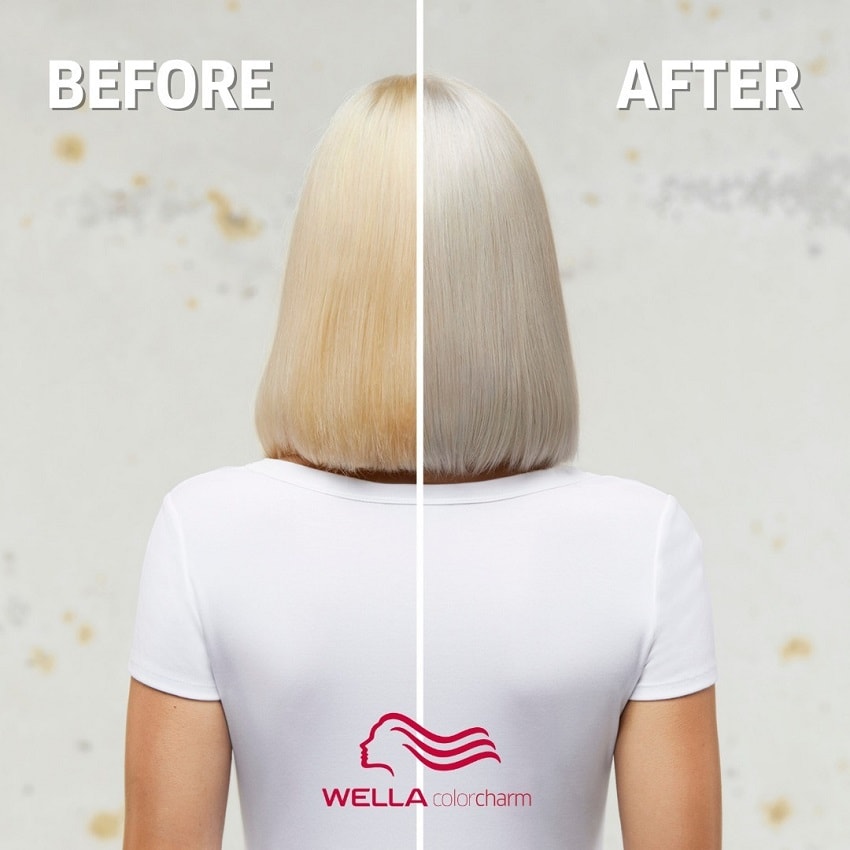
After bleaching, hair can look yellow, gold, or orange. Orange tones usually mean the hair did not lift light enough. Pale yellow usually means the hair reached a very light blonde level.
Bleaching again and again can cause breakage. That is why toners are used. But a toner still needs the right starting color. T18 is best when the hair is already very light.
Wella T18 uses violet tone to help reduce brassiness that looks yellow. If your hair is orange, look at options made for orange correction, like a blue-based toner, or lift the hair lighter first.
Who Should Not Use Wella T18
Wella T18 Toner with a 20-volume developer is the standard mix recommended by Wella (1 part toner to 2 parts 20-volume developer) and is best suited for people with healthy, pale yellow (Level 10) hair who want lasting, permanent results.
However, we don’t recommend using 20-volume if your hair is very porous from bleaching. In that case, a 10-volume developer is the gentler way to deposit tone. If your hair is fragile, gummy, or breaking, do not tone it at home at all; have a licensed colorist assess it first.
Note:
Wella T18 works best on very light, pale yellow blonde hair. If your hair is orange or darker, T18 will not give the desired result. Trying to force it with a stronger developer will only cause extra damage.
Skip Wella T18 if any of these are true.
- Your hair is orange, copper, or dark gold. T18 will not cancel it.
- Your hair is darker than pale yellow. T18 does not lift dark hair to blonde.
- Your hair feels gummy or stretchy and breaks easily. Tone first with gentler options or see a pro.
- Your scalp is irritated, scratched, sunburned, or still feels raw from bleaching.
- You have used Henna or vegetable-based dyes in the last 2 years. Some henna and vegetable dyes, especially compound or box hennas, contain metallic salts that can react badly with peroxide developer and cause heat, smoking, or breakage. Pure body-art henna does not contain these salts, but it is hard to know which kind was used. If you cannot confirm exactly what was applied, do not use a peroxide developer over it; ask a licensed colorist to review your product history first.
- You have had a reaction to hair color before.
Toner Color Theory
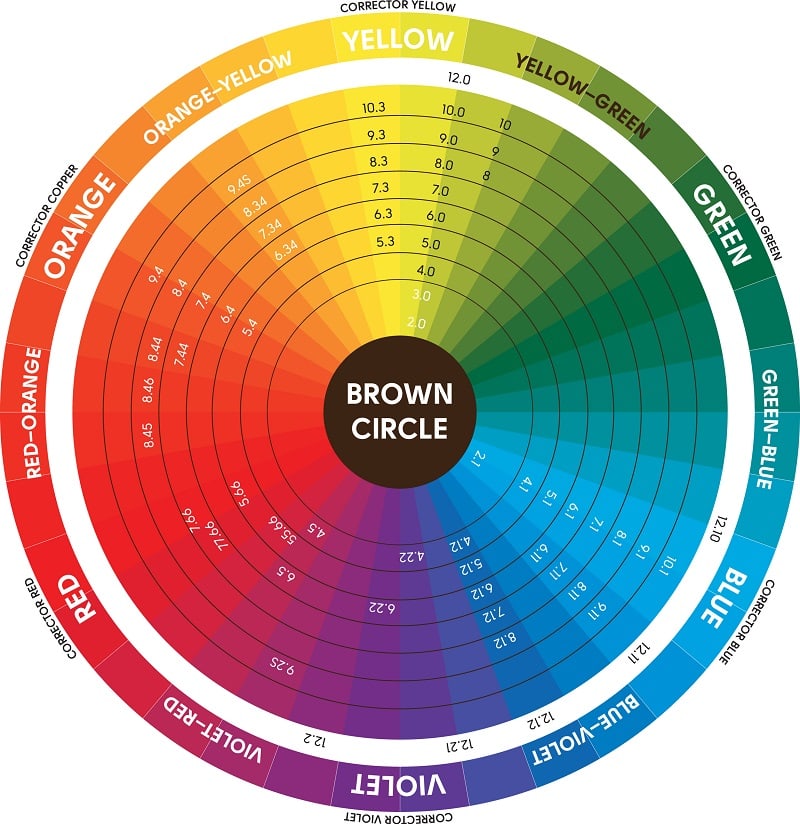
Color theory is simple. Complementary colors can help cancel each other.
Violet helps cancel yellow. That is why T18 can work on pale yellow hair.
Blue helps cancel orange. That is why blue-based toners are used for orange hair. Using the wrong base can lead to dull or muddy results.
What is a Developer, and What Does It Do?
Permanent hair color and many toners are mixed with a developer. Developer helps the formula process so it can deposit tone. Higher volumes can also add lift, which is not always what you want on bleached hair.
The “volume” tells you the strength of the developer. It relates to the amount of hydrogen peroxide in the bottle.
How to Know Which Developer To Use?
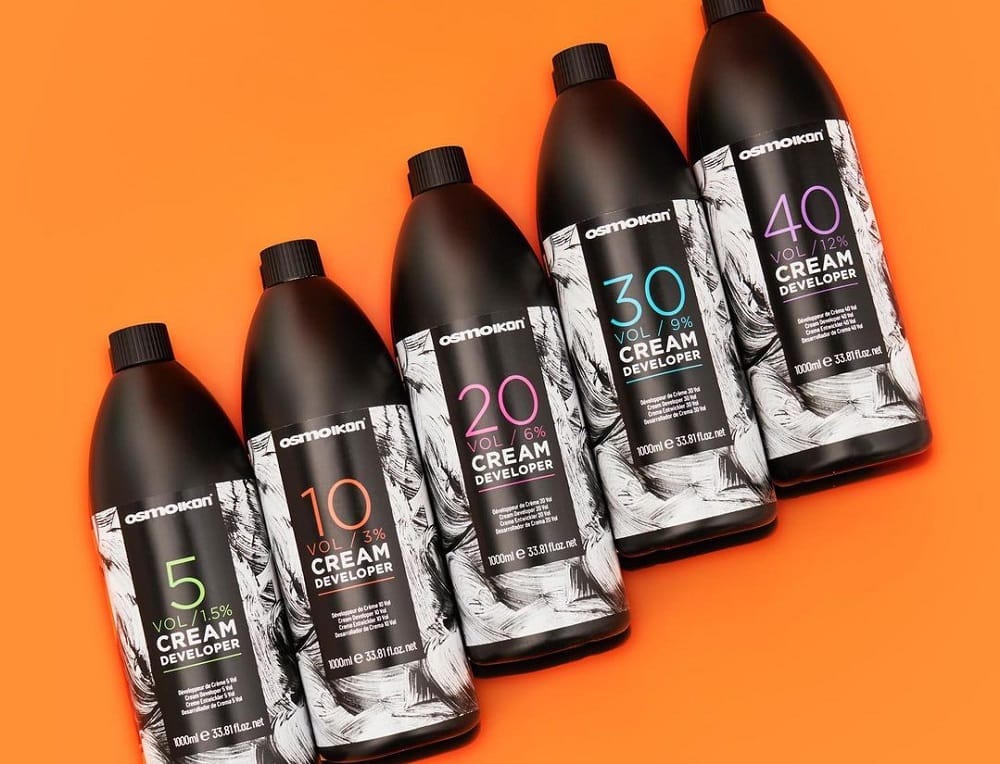
Developer can stress the hair. So use the lowest volume that can do the job. If your goal is toning, you usually want deposit, not extra lift.
Each volume of developer has its particular uses and limits.
10 Volume Developer
If your hair is very light blonde and you want a cooler, more platinum look, a 10-volume developer is often a gentler choice for toning. It can help the toner deposit without adding much lift.
On already bleached hair, a lower volume can be easier on the hair and scalp.
A stronger developer on lightened hair can increase dryness and breakage.
20 Volume Developer
A 20-volume developer can create lift. That is why it can feel stronger on the hair. Some toner directions in this product line use 20 volume, but it can be harsh on hair that is already bleached or fragile.
If your hair is orange after bleaching, a higher developer with T18 will not fix the tone problem. Orange usually means the hair needs more lightening, or it needs a blue-based toner. More developer strength is not a shortcut.
Also note this. 20 volume on natural roots can lift them faster than the rest, which can create hot roots and uneven color.
How to Use Wella T18 Toner With 10 or 20-Volume Developer
If you choose to use 20 volume, work gently and watch your hair closely. If your hair is already bleached and feels dry or weak, using 10 volume is often the safer choice for toning.
Advice
Match the toner to the problem. T18 is for pale yellow hair. If you see orange, pause and change the plan.
Always strand test first. Check every 5 minutes during processing. Rinse right away if you feel burning or strong itching. If you notice swelling, blistering, or trouble breathing, seek medical help.
Step 1: Prepare Your Hair
Before toning your hair, take a few steps to get more even results. Prep includes pre-lightening, towel drying, plus allergy and strand tests.
If you just bleached your hair, rinse the bleach completely with warm water and shampoo. Skip conditioner for now. Towel-dry your hair so it is damp but not dripping wet.
Prelighten Hair
- Use a bleach kit
- Or start with naturally very light blonde hair
You should lighten the hair to the right level before you tone. Wella T18 is made for very light blonde hair that looks pale yellow. If your hair is darker or orange, T18 will not give a clean ash result.
While you can use T18 on brunette hair without lightening first, the results may not show. In some cases it can leave a faint violet cast on very light pieces, but it will not turn brunette hair into blonde.
Wet or Dry Application

Your hair should be towel-dried before toning. Aim for damp hair, not dripping wet. If your hair is about 70% dry, you will usually get more even results.
Allergy Test
Hair color products can trigger allergic reactions. In rare cases, reactions can be severe. If you have reacted before, do not use toner at home.
Do an allergy test 48 hours before you apply toner.
For the allergy test, take a cotton ball, a ceramic bowl, and a teaspoon. Mix a small amount of developer and Wella T18 using the same ratio you will use on your hair. For Wella Color Charm toners, this is usually 1 part toner to 2 parts developer.
Apply a tiny amount to the inside of your elbow. Let it dry. Do not wash the area for 48 hours. Do not use the leftover mix after 30 minutes. Dispose of it based on local rules.
Strand Test
For the strand test, collect scissors, tape, a coloring bowl, and a toning brush.
Do a strand test each time you tone. Past color, heat styling, and sun can change timing and results.
Cut a small strand or apply the mixture to a hidden strip of hair behind your ear. Apply the mixture and start a timer.
Check at 10 minutes. If it is not cool enough, check again in 5 minutes. Rinse once you like the tone.
Step 2: Section Hair
- Collect a comb and hair clips
Use a comb to split hair into four parts. Two front sections and two back sections. This helps you apply toner fast and evenly.
Note: Use plastic clips. Metal clips can react with oxidative toner mixtures.
Step 3: Mix Toner and Developer
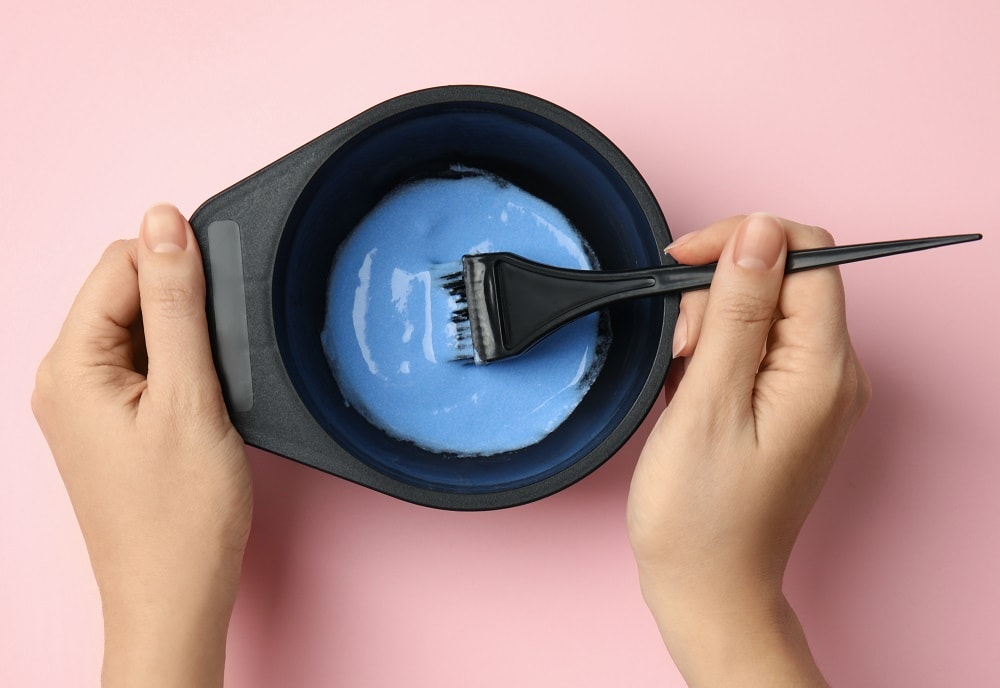
- Use vinyl, nitrile, or latex gloves (avoid latex if you have allergies)
- Collect a ceramic bowl and a hair coloring brush
- Mix 1:2 toner/developer
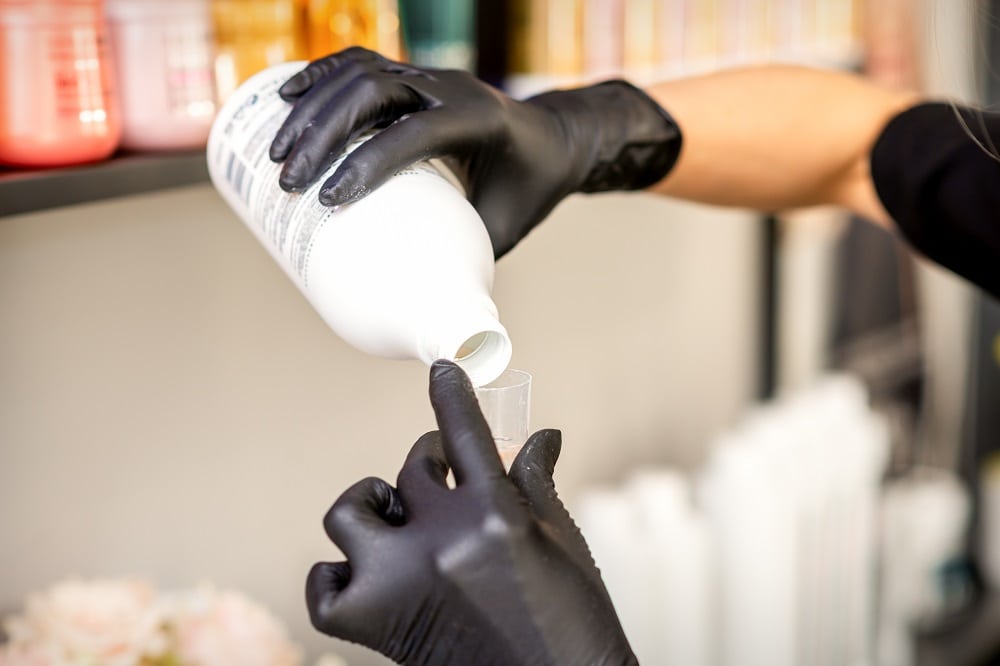
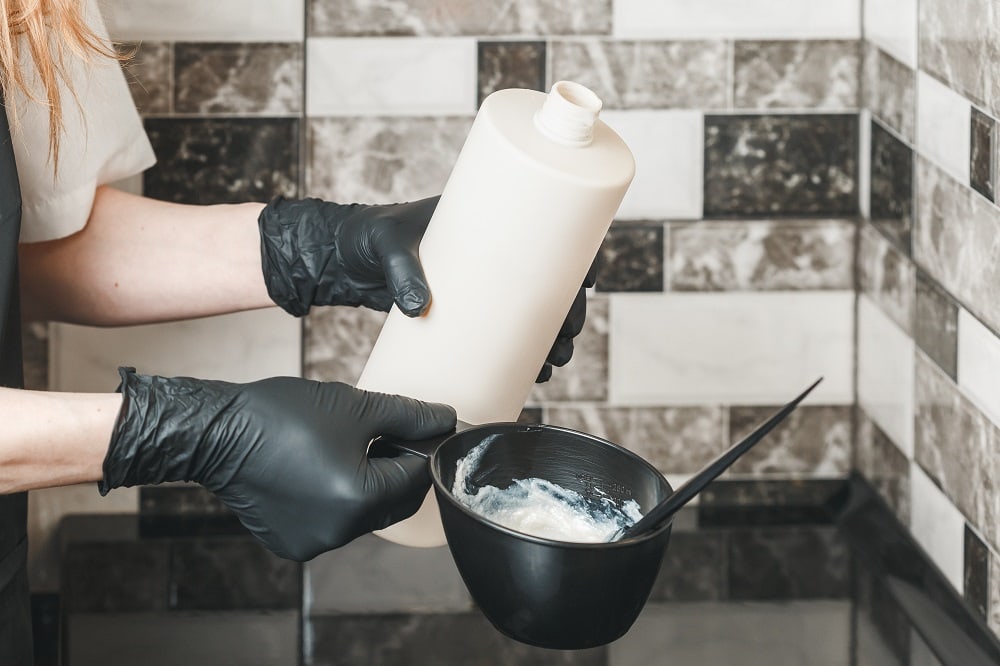
In a bowl, combine one part Wella ColorCharm toning liquid color with two parts developer (10 volume for gentler deposit, or 20 volume as the standard option). Mix until smooth. The mixture often looks light lavender. Wear gloves the whole time, work in a well-ventilated room, and keep the mixture off your skin, out of your eyes, and away from your face.
For example, if you use the whole 1.4 oz bottle of Wella T18, you need 2.8 oz of developer. Total mixture = 4.2 oz (1.4 + 2.8).
Scalp Check: Never test the mixture on your scalp, and do not apply toner to a scalp that is broken, raw, scratched, sunburned, or still sore from bleaching; skip toning at home and see a licensed stylist instead. The only skin test to do is the product’s 48-hour allergy test on the inside of your elbow, described above.
If you have burning or any reaction while toning, rinse immediately and do not use hair color again until you have medical advice about the reaction.
If you mix in an applicator bottle, do not cap and store the mixed toner. Pressure can build up. Mix what you need, apply right away, and discard leftovers.
Step 4: Apply Toner

- Start with towel-dry hair
Use a tint brush to apply the mixture from root to tip. Work fast. Start where the hair looks the most yellow. Clip each section as you go so you do not miss spots.
You can use gloved hands to spread the toner, but make sure every strand is fully saturated.
Spot toning can help if you only have yellow patches in a few areas. Make sure those areas are well covered with the toner and developer mixture.
Pro Tip for Uneven Hair: If your roots are yellow but your ends are white/platinum, apply the toner to the yellow roots first. Wait 10–15 minutes, then pull the toner through to the white ends for the last 5 minutes only. This helps prevent the ends from turning violet while your roots process.
Discard any leftover mixture. Never store mixed toner in a closed bottle, as it can build pressure and leak or burst.
Step 5: Time It
Set a timer for up to 30 minutes. Do not add heat. Check your hair every 5 minutes, especially if it is porous or very light.
Your strand test should guide your timing. If you feel stinging or burning, rinse right away.
Step 6: Rinse and Finish
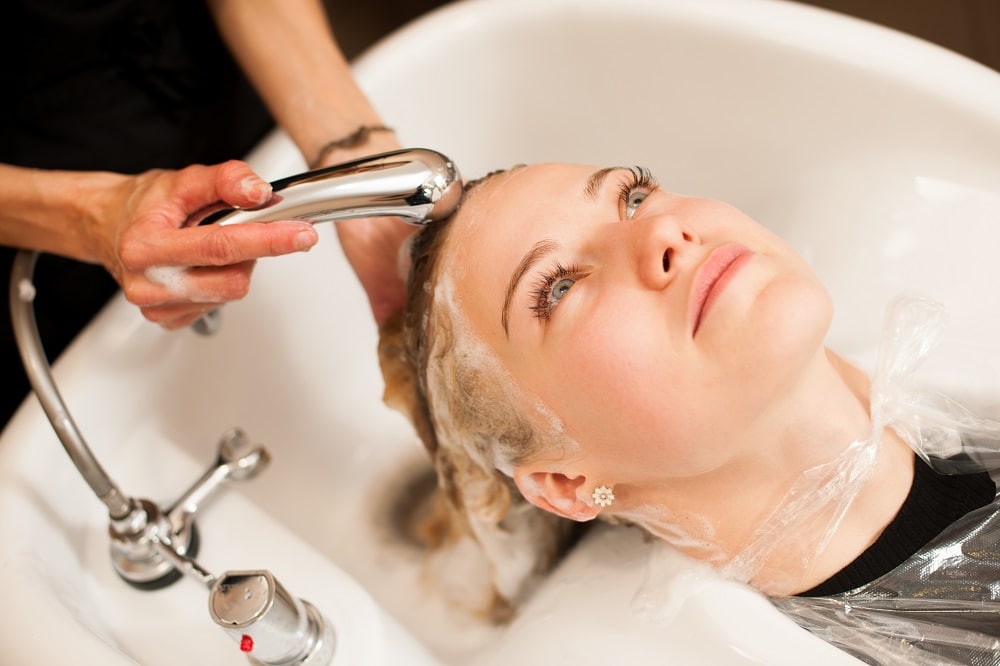
Do not leave toner on longer than 30 minutes. When time is up, rinse well with cool or lukewarm water until the water runs clear. If your hair feels coated, use a gentle shampoo, then condition. Finish with a cool rinse.
To reduce stress on the hair, let it air dry when you can. If you blow-dry, use a heat protectant spray first.
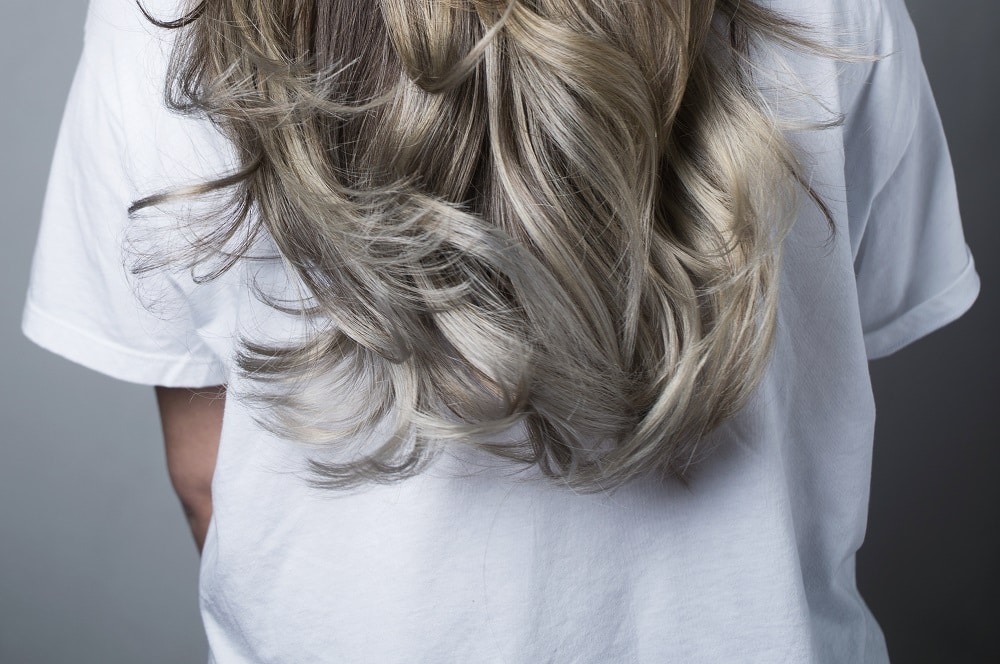
When your starting level is pale yellow, the result can look cooler and more balanced, with less yellow warmth.
Can You Use Wella T18 Toner With 30 or 40-Volume Developer?
No. Do not use a 30-volume developer or 40-volume developer with Wella T18. It is too strong for pre-bleached hair and can cause breakage and scalp irritation. Wella T18 is made for hair that is already very light.
As stated on the Wella T18 package, the recommended mixing ratio is two parts 20-volume developer to one part Wella T18 toner. Some colorists use a 10-volume developer instead for a gentler, deposit-focused result, but that is colorist practice, not the package instruction. If you want to stay strictly on-label, use 20 volume.
Using a stronger developer like 30-volume can expose warmth by lifting the natural base, but the bigger risk with T18 is flash processing. The purple pigment can grab fast on the outside while the inside stays yellow. It can also blow open the cuticle, so the color fades fast and can look hollow in 1 to 2 washes.
Do not leave toner on longer than the directions say. For Wella T18, that is up to 30 minutes. Check every few minutes. Overprocessing can dull the result and weaken the hair.
What Happens if You Use a 30 or 40-Volume Developer with T18 Toner?
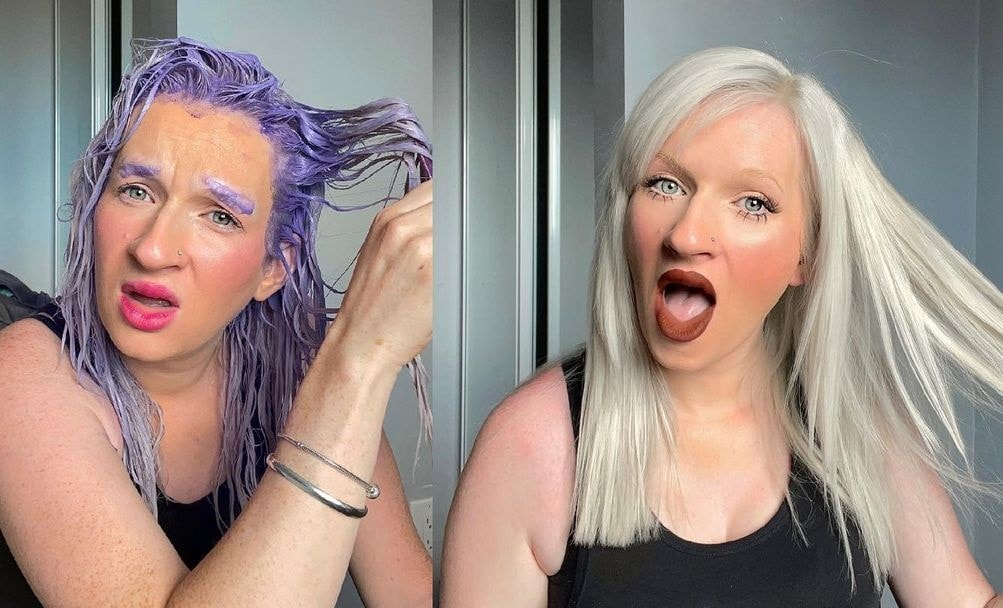
A stronger developer is made to lift color. For example, if you use a 30-volume developer with permanent color, it can lift the base while it deposits.
But Wella T18 is different. It is meant for hair that has already been bleached to a very light level. Adding high-strength peroxide can push the hair past its limit. That can lead to rough texture, breakage, and patchy tone.
It also will not fix darker brass. If your hair is still orange or deep yellow, stronger peroxide will not make T18 “work harder.” It may just lift unevenly and damage your hair.
Can You Change Developer Strength?
Professional Recommendation: Do not dilute developer with water. Adding water makes the mixture runny, which can drip into your eyes or cause uneven spotting.
The Safe Fix: Buy the correct 20 Volume bottle. (Colorists sometimes blend 10 and 30 Volume in equal parts to make 20, but that is a salon practice with salon measuring habits, not a home workaround.)
Why Does Toner Need a Developer to Work?
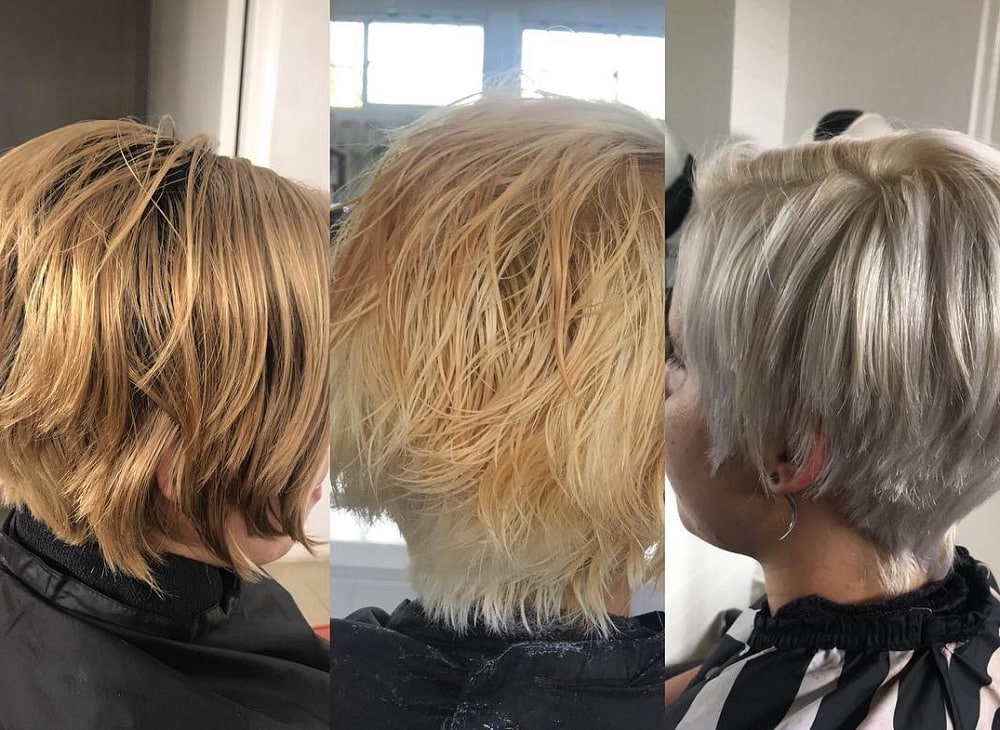
A developer helps open the hair cuticle so pigment can get inside the hair shaft. Without a developer, most permanent toners will not process correctly and can sit on the surface.
If you don’t use a developer when applying toner, the cuticle stays more sealed and the result may be weak or uneven.
Which Neutralizing Toner Should You Use?
Different brass levels need different toners. The key is to match the toner level to your hair level. If you are unsure, this guide can help: which neutralizing Wella toner should you use?
Wella T18 is best for very light hair with pale yellow tones. Think level 10.
If you have underlying orange or dark yellow tones, T18 is usually too light. You may need a different shade, such as a deeper ash toner, or a safer round of lightening before toning.
If you have red-orange or deep orange undertones in brown hair, you may need blue-green toning.
You may need green toning for dark red undertones in very dark hair.
Toner Treatments Versus Color Shampoos
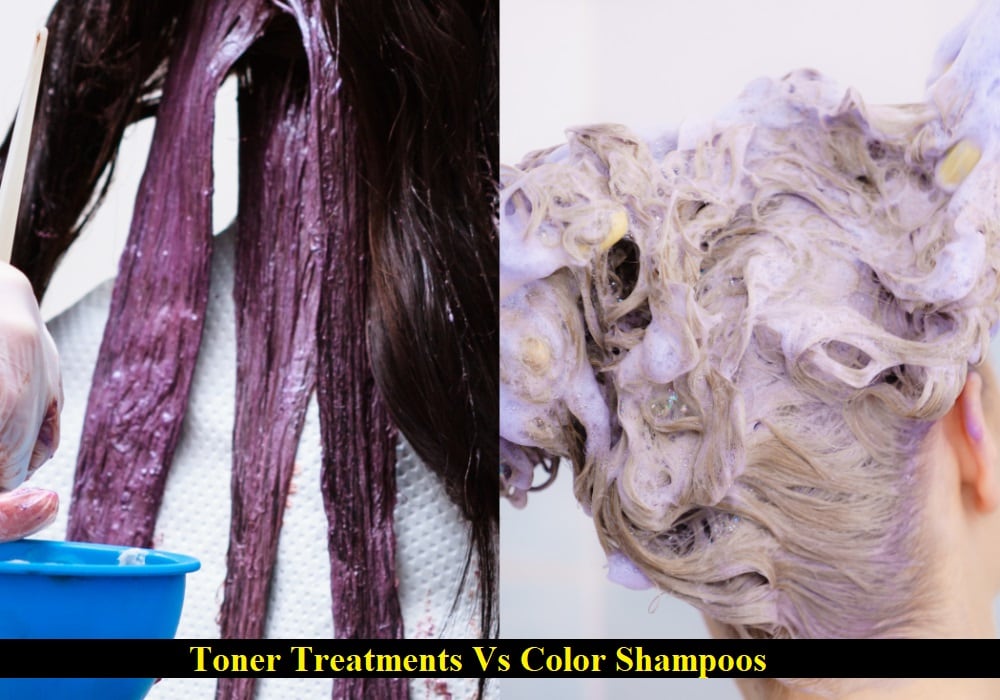
A toner treatment is mixed with a developer and works fast. That is why developer choice matters so much with very light, bleached hair.
Color shampoos are slower but gentler. Purple shampoos can help maintain a pale blonde between toning sessions. Blue shampoos can help with orange tones.
If your hair is very porous or fragile, a color shampoo may be a safer first step than another strong chemical service.
Why Does Dyed Hair Need Toner?
Sometimes color looks too warm, too dull, or not even. Toner helps refine the shade so it looks cleaner and more natural.
Why Does Bleached Hair Need Toner?
Bleached hair can turn orange instead of platinum, even when you follow the steps. Dark pigments can be hard to lift fully in one session.
After bleach, leftover warm pigments can show through. Toner helps cancel that warmth, but only if the hair is light enough for the toner level.
Comparison Table: Wella T18 with Different Developers
Here is the professional breakdown of how Wella T18 functions with different developer volumes, based on Wella’s package instructions and common colorist practice.
| Feature | 10 Volume (3%) | 20 Volume (6%) | 30 Volume (9%) |
| Brand Status | Off-label. (Not part of Wella’s T18 directions, which specify 20 volume; a deposit-only practice some colorists use.) | Standard. (The original official recommendation for T18). | Not Recommended. (Goes against manufacturer instructions). |
| Primary Action | Deposit Only. Puts color in without lifting the natural hair. | Lift & Deposit. Lifts the cuticle slightly to remove residual yellow, then deposits tone. | High Lift. Aggressive lifting action. |
| Lift Capability | None to Minimal (0–0.5 levels). | 1 Level of Lift. (Brightens the blonde). | 2–3 Levels of Lift. |
| Result on T18 | Darker/Grayer. The tone absorbs deeper. Can appear slightly darker or “steely” gray initially. | Brightest White. The slight lift cleans out the last bit of yellow, resulting in the classic “White Lady” blonde. | Uneven/Muddy. Processes too fast. Often leaves roots hot (orange) and ends porous. |
| Hair Integrity | Gentle on porous hair. Not for compromised hair: if it feels gummy or stretchy or breaks easily, skip toning and have a colorist assess it first. | Standard. Safe for healthy to moderately processed hair. | High Risk. High risk of breakage on previously bleached hair. |
| Base Break? | No. Your natural roots will likely stay their natural color. | Yes. Will lift natural roots, potentially turning them orange/gold (“Hot Roots”). | Yes. Will turn natural roots bright orange. |
Final Thoughts
Wella T18 can be a good toner when your hair is already very light blonde. It is violet-based, so it targets yellow warmth.
For most at-home toning on previously bleached hair, 10 volume is the gentler choice. 20 volume is the standard option but can be harsher on fragile hair. Do not use 30 or 40 volume with T18.
If your hair looks orange, do not rely on T18. Choose a blue-based toner like Wella T14, or lift the hair lighter first. When in doubt, book a color correction with a pro.