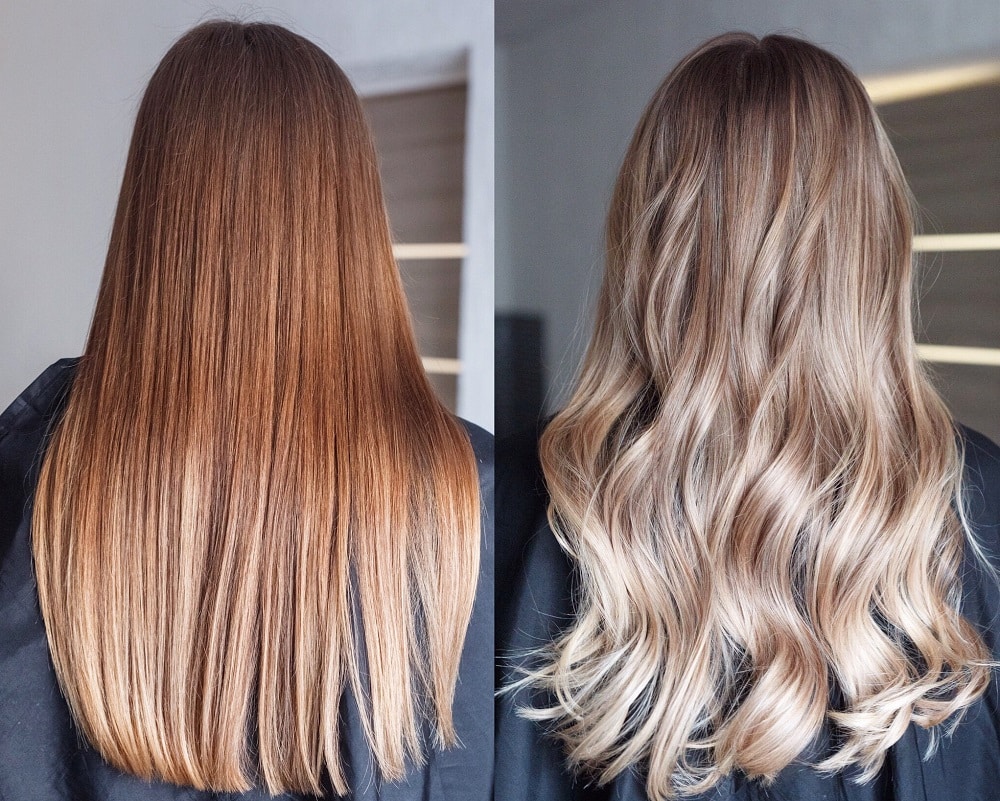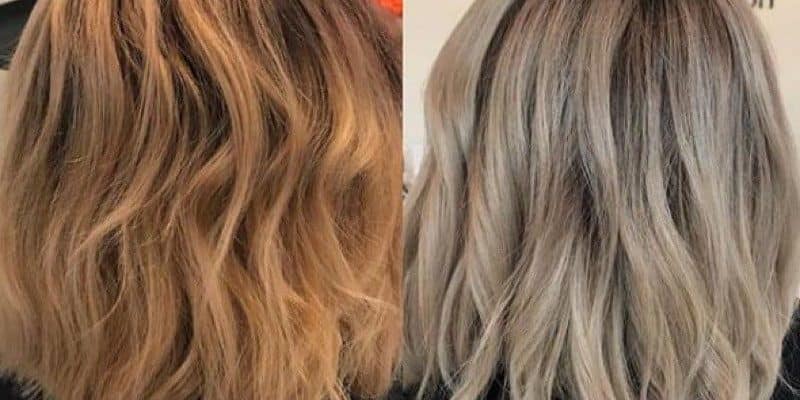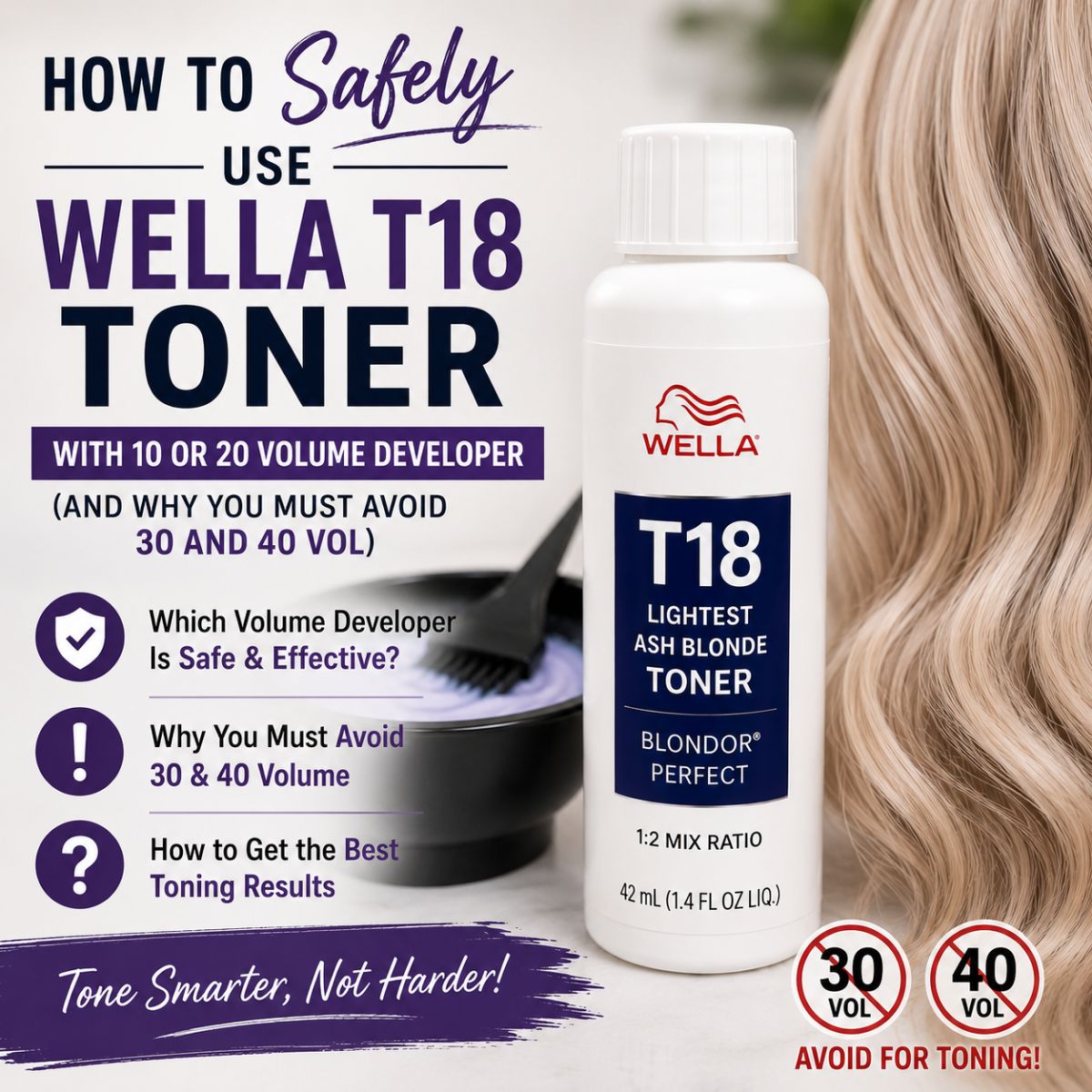

I know that sinking feeling when you wash your toner out, take the towel off and realize your blonde has turned too dark, too ashy, or even purple. Your first instinct might be to jump straight back in the shower and try to scrub it out, and I can understand why.
But scrubbing your hair or repeatedly washing it in one go isn’t necessarily the quickest or kindest way to get the result you want.
So before you start throwing every shampoo you own at it, let me explain what’s happened and how I’d approach fixing it without causing unnecessary damage to your hair.
Don’t worry, toner does usually fade with washing, although how quickly depends on your hair and the type of toner used. I’d start by trying a clarifying shampoo and see how much that helps; you can do this a couple of times as long as your hair isn’t feeling dry or fragile, but make sure you deep condition your hair afterwards.
If it’s still too dark or it’s looking patchy, I’d recommend coming into the salon so we can assess your hair and decide on the safest way to correct the color without causing unnecessary damage. Avoid using any sort of chemical on your hair at home to remove it, as this could compromise your hair and give you uneven results.

The good news is that toners are not permanent; they deposit tone on the surface and outer cuticle of the hair, so you might not need to do as much as you think to get your color looking better again.
Toner adds or adjusts color rather than lightening your hair, and how long it lasts depends on the type of toner used and the condition of your hair. The key is knowing how to help it fade without leaving your hair feeling dry or damaged in the process.
I see unwanted toning results in the salon at least once per week, and I’ll walk you through what you can safely try at home, what I would do in the salon, and what I’d avoid altogether.
Purple shampoo overuse is probably the most common issue I come across when it comes to unwanted toning results.
Although, I’ve also had plenty of occasions where a client’s hair has grabbed onto a toner more than expected, leaving it darker or ashier than intended. I’ve sometimes had to cleanse the toner out and re-formulate to get the color where it needs to be.

A client's hair can react differently to toner from one appointment to the next; you can't always predict exactly how it will behave. As hairdressers, we have the knowledge and experience to understand what's happened and how to correct it.
First, What Did You Actually Put on Your Hair?
The first step in removing unwanted toner is understanding what’s actually on your hair. Different products deposit color in different ways, so the best removal method depends on what you’ve used.
Demi-permanent toners can be harder to remove because the color develops inside the hair rather than simply sitting on the surface.
This is why shampoo might fade some of it, but if the color is still too dark or ashy then you may need a color-removal treatment designed for this type of color. This is often when a stylist will use a gentle bleach wash to help remove the remaining pigment.
A semi-permanent toner or direct dye doesn’t use a developer; the color sits on the outside of the hair, so it often fades more easily with washing.
However, some shades can cling to the hair more than others, which can make removal less straightforward. This is when a stronger in-salon method would be needed.
Hair glosses usually fade out of the hair quite easily; however, this depends on the formula and whether a developer is used.
When a developer is used, the color develops within the hair rather than simply sitting on the surface, which can make it harder to remove. Knowing which type of gloss is used will decide whether a gentle at-home method can be used or an in-salon treatment.
Purple shampoo and masks can stain the hair very easily, and removal comes down to how many layers of pigment there are and how porous the hair is. Clarifying shampoos are usually the best first step for removing excess pigment.
Using bleach on very purple hair could possibly turn it pink instead, and bleach is the last thing you want to put on the hair if it’s already porous.
To understand what has caused staining on a client’s hair, I would start by asking what products they’ve used at home, how often they’ve used them and how long they’ve been on the hair for.
I’d also look at the color itself, because a violet stain from purple shampoo can look quite different from a toner that has left the hair too dark or ashy.
I’d look at how the color has taken across the hair, whether the ends are darker or more stained than the roots, and how porous or damaged the hair feels.
This helps me understand why the color has grabbed and decide on the safest way to remove it, and I’d also try to establish the brand and product name before deciding how to correct it.
Why It Went Wrong
When toner doesn’t turn out as expected, I first look at the condition of the hair, the formula that was used and the underlying color. There are several reasons hair can end up looking too dark, too ashy, muddy or even purple after toning.
Cause 1: Porosity
Porous hair can grab onto color very easily. Hair that has been bleached repeatedly or over-lightened can be more porous, meaning it absorbs or loses color more easily.
I always pay particular attention to the ends, as they may be more damaged than the roots and can absorb toner unevenly. This can leave the ends looking darker, duller or overly toned compared to the rest of the hair.
Cause 2: Left On Too Long
The toner may have been left on too long without being checked during processing. On hair that is very porous or light, toner should be mixed with the appropriate clear solution to dilute the pigment and prevent it grabbing too much.
It should be closely watched when being applied to this kind of hair, checked regularly and rinsed early if it starts to grab too dark.
Cause 3: The Wrong Formula
The formula may not suit the underlying shade. Toner is designed to adjust or neutralize unwanted tones, not lighten the hair.
If the hair is still very yellow, orange or gold, the chosen toner may not create the desired result. The level of the hair and the type of warmth present both influence which formula will work best.
Cause 4: Purple-Shampoo Buildup
Purple shampoo and masks deposit violet pigment to neutralize yellow tones in blonde hair. However, frequent use or applying them to very porous hair can leave a purple stain.
You can mix these toning products with your regular conditioner to dilute the tone if your hair is likely to suck up too much pigment.
Cause 5: Hair Not Light Enough
Sometimes the starting color simply isn’t light enough for the result someone wants. If the hair is still too dark or warm, adding more toner won’t create a brighter blonde; instead it can over-tone the hair and make it look darker and muddy.
In these cases, I’d assess the hair to see whether another lightening session is appropriate to achieve the desired result.
The Three Causes I See Most Often
The three most common causes of stained or over-toned hair I see are:
- Overusing purple shampoo
- Trying to tone hair that is still too warm
- Using an ash toner on very porous hair
The latter can leave the hair looking green or gray instead of the cool blonde the client wanted.
When used too frequently, purple shampoo can cause violet pigment buildup, particularly on very porous or light hair. Trying to tone hair that is still too warm will not give you your desired shade.
Toner can neutralize warmth but it cannot lighten the hair; using a toner that’s intended for a much lighter base will likely not do much to your hair, and a toner that neutralizes all of your warmth will make you feel much darker and can lead to a much browner tone.
If you apply an ash toner on very porous hair, the cool pigments can absorb quickly and unevenly. If the formula contains strong blue or violet pigments, the hair can end up looking overly gray or even greenish, particularly if the underlying color and toner formula aren’t well matched.
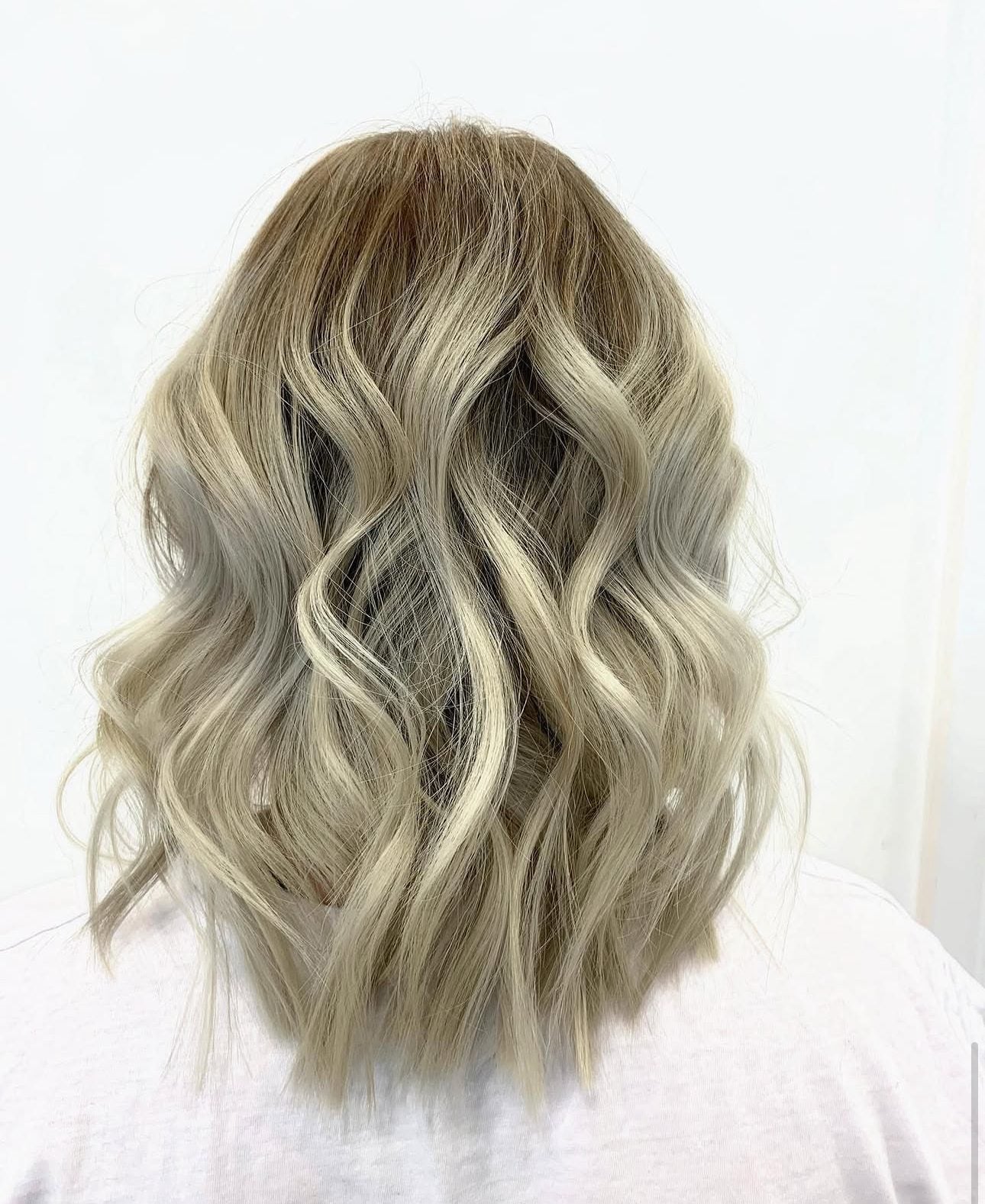
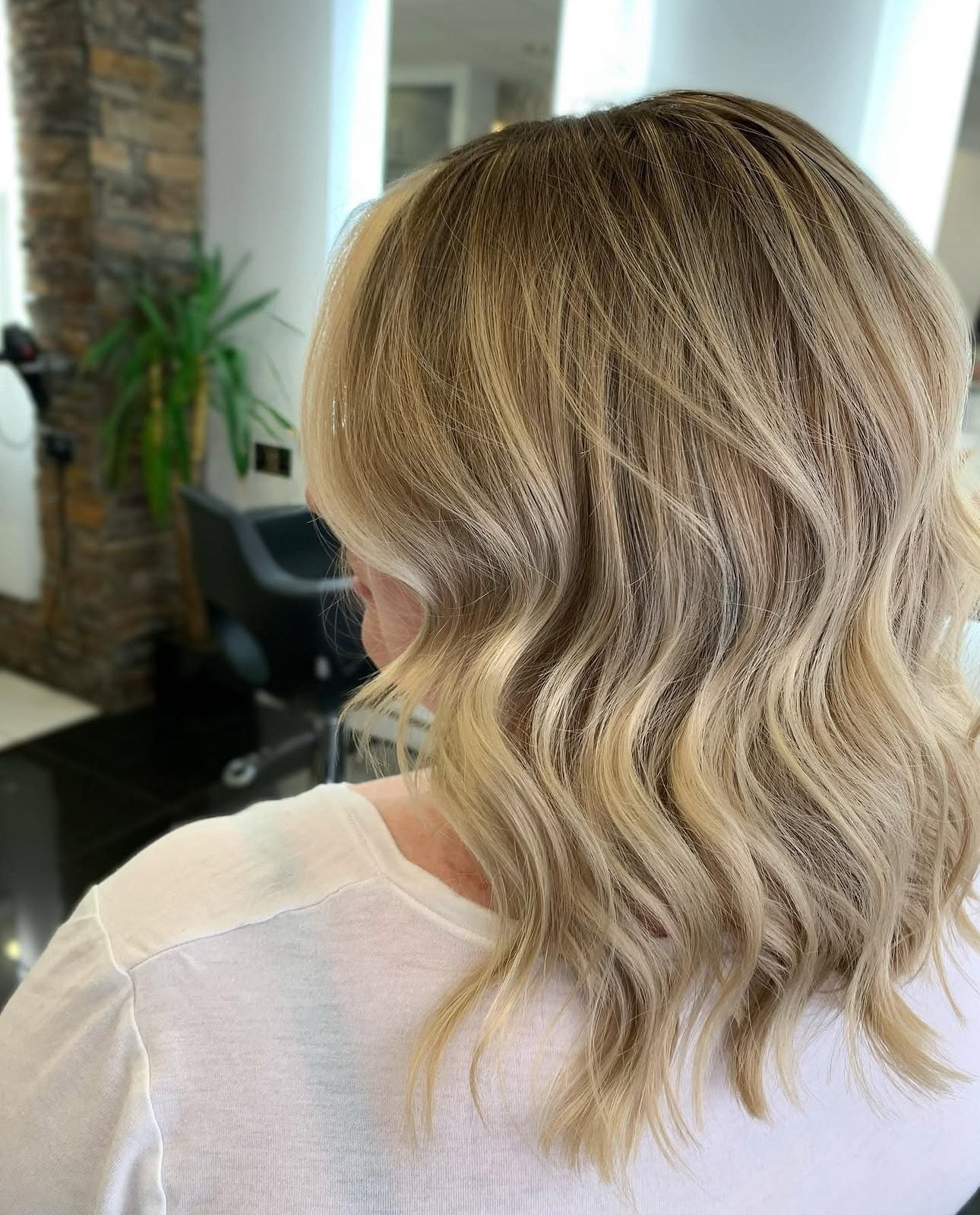
One thing that often surprises clients is that purple shampoo won’t fix every unwanted tone. It generally works best on lighter blonde hair, around a level 9 or lighter, where it can help neutralize yellow tones.
If the hair is still orange, purple shampoo isn’t going to make it blonde. The hair may need further lightening before it can be toned to achieve the desired result.
How to Get Toner Out of Hair: The 5 Stylist-Approved Ways
If you’ve toned your hair and it’s come out looking more gray than gorgeous, don’t panic just yet! Depending on the type of toner you’ve used and how your hair has responded, there are a few things you can try.
The important thing is not to rush into stripping the color out straight away. Sometimes, a few washes are all it takes, while other situations need a different approach.
1. Let the Toner Fade Naturally
If your hair is only slightly darker or ashier than you wanted, my first recommendation would usually be to give it a little time.
Many toners gradually fade with regular washing, so you might find the color softens on its own without needing any additional treatments. How quickly this happens depends on the toner, your hair’s porosity and how often you wash it.
I’d start by washing your hair as normal and checking how the color looks over the next few washes. There’s no need to wash it repeatedly in one day to speed things up, as this can leave your hair feeling dry without making a significant difference to the color.
If the color is very dark, greenish or noticeably uneven, though, waiting for it to fade might not be enough.
2. Try a Clarifying Shampoo
If your toner isn’t fading as quickly as you’d like, a clarifying shampoo may help remove some excess pigment and encourage the color to soften. These shampoos are designed to remove product buildup, and they can sometimes help unwanted toner fade faster, too.
I’d start with one wash, following the instructions on the bottle, rather than repeatedly shampooing your hair in the hope the color will disappear. Follow with a deep conditioner or hair mask to prevent the hair drying out after.
Keep in mind that clarifying shampoo won’t remove every type of toner, and the results can vary depending on the product and the condition of your hair.
If your hair is already dry, damaged or very porous, be cautious about using it too frequently. You don’t want to end up with hair that feels like straw just to get rid of a little unwanted color!
3. Correct the Tone Instead of Removing It
Here’s something worth considering: sometimes, you don’t actually need to remove the toner at all. If your hair is too ashy, too warm or slightly off tone, adjusting the color may be a better option than trying to strip it out.
For example, if your blonde has turned too cool, a carefully chosen warmer gloss or toner may help bring it back towards the shade you wanted.
The right formula depends on the current color, the underlying warmth and the condition of your hair. Simply applying another toner without understanding why the first one went wrong can leave the hair darker and muddier.
If your hair has turned greenish or gray, I’d be particularly careful about experimenting with color at home; it’s important to understand which pigments are present and how the hair is likely to respond before applying anything else.
4. Consider a Suitable Hair Color Remover
If washing hasn’t made enough difference, a color remover may be an option. However, it’s important to choose a product that’s designed for the type of color you’ve used.
Some removers are formulated for oxidative hair color, while others target direct dyes. They don’t all work in the same way, so don’t assume that any product labelled as color remover will work on your toner.
Always read the instructions carefully and carry out a strand test before applying the product to your whole head. This is particularly important if your hair has been bleached, colored several times, or is fragile.
If you’re unsure which type of toner you’ve used, I’d recommend speaking to a stylist before trying a remover at home.
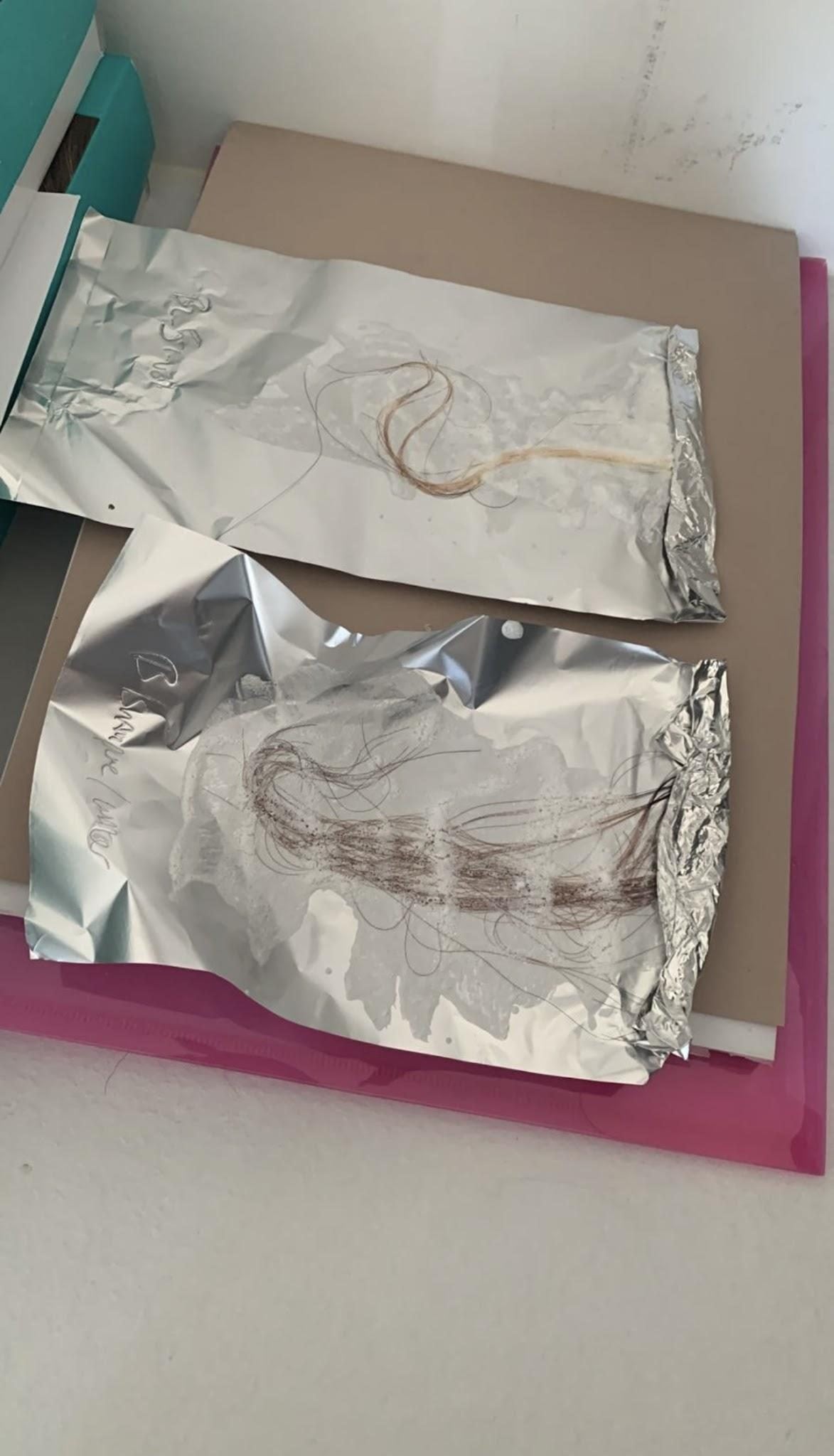
It’s also worth knowing that removing artificial pigment won’t necessarily return your hair to its original shade. The underlying warmth may become more visible once the unwanted color has been removed, and further color work may be needed to achieve the result wanted.
5. Get a Professional Color Correction
Sometimes, the best thing you can do is put the products down and book a salon appointment. If your hair has turned very dark, greenish, patchy or muddy, trying one home remedy after another can make the situation harder to correct.
A professional can assess the underlying color, the toner that was used and the condition of your hair before deciding the best approach.
Depending on the situation, this might involve removing some artificial pigment, adjusting the toner or carrying out further lightening.
I know it’s tempting to keep trying different products when your color isn’t what you wanted, but sometimes doing less is the best decision for your hair. If you’re unsure what went wrong or your hair feels compromised, get professional advice before attempting another treatment.
What I’d Tell You Over the Phone
If you called me after a hair appointment because your toner looked completely different from what you expected, the first thing I’d say is not to panic; there is always a solution in this situation.
Before recommending anything, I’d want to know what the color looks like, what you don’t like about it, when you had it done and whether you’ve washed your hair yet.
Sometimes popping into the salon or sending a photo can help us visually see the problem. If not, we can absolutely try and resolve it over the phone.
If your hair looks too gray or ashy, I would suggest starting with a normal shampoo and seeing how the color fades over a few washes.
As long as your hair is in good condition, you can wash your hair more frequently with your regular shampoo to help the color fade, but always follow with a hydrating conditioner. Avoid using stronger treatments until you have tried this first; it is the safest and least drying for your hair.
If your hair is much darker than you wanted, a clarifying shampoo could be the best option to start. This can help remove excess toner that has grabbed onto your hair more than expected.
Be aware that clarifying shampoo may not remove all the unwanted color, and I would avoid washing your hair repeatedly with it if it’s already dry or damaged. Always use a deep conditioner after clarifying.
After trying regular shampoo and, if suitable for your hair, a clarifying shampoo, give the color a week before deciding whether you need further treatment or a salon appointment.
If your hair is looking muddy or the tone isn’t quite right, avoid applying another toner straight away; this could darken the color even more and create pigment buildup, which would then be more difficult to remove later.
A corrective toner can be applied in some circumstances, but unless we know what went wrong initially we can’t understand how to correct it. This is when it’s best for you to come into the salon and let a professional have a look.
What I Do in the Salon
Step 1: Assess First
When a client comes to me unhappy with their toner, I’m not going to jump straight into removing it. The first thing I want to do is assess their hair and work out what has gone wrong.
Is the toner too dark, too ashy, or has it left the hair looking muddy? I’ll also look at the condition of the hair, what color treatments they’ve previously had and how much lightening their hair can safely handle.
There’s no point getting rid of unwanted toner if it’s going to compromise the hair!
Step 2: A Clarifying Shampoo
If the color is slightly too dark or the toner has grabbed a little too strongly, I will start with a clarifying shampoo. This can help lift some of the excess color without immediately resorting to a stronger chemical treatment.
I’ll dry the hair, then reassess to see how much the tone has changed and whether we actually need to do something else. Sometimes, a little fading is all that’s needed.
Step 3: A Gentle Bleach Cleanse, Only If the Hair Can Take It
If shampooing hasn’t made enough difference, a gentle bleach cleanse may be an option. This uses a diluted lightening mixture to help lift unwanted color, but it’s not something I’d recommend for every client.
The hair’s condition and previous color history are particularly important here, as even gentle lightening can cause damage. I’d only consider this if I felt the hair could tolerate it and that it was the most appropriate way to achieve the result.
Step 4: Rebalance With a Corrective Toner
Once I’ve removed enough of the unwanted tone, I’ll look at what we are left with. Removing toner doesn’t always leave you with the exact color you wanted in the first place, because the underlying color can become more visible.
This is where a corrective toner or gloss can help bring the shade back into balance. The aim isn’t necessarily to remove every trace of color, but to create a result that looks even, flattering and closer to what the client originally wanted.
Step 5: Protect the Condition Throughout
Throughout the process, maintaining the condition of the hair is just as important as getting the color right. Depending on the treatment, I may use a bond-building product to help support the hair during chemical processing, followed by a suitable conditioning treatment.
These products can help improve the feel and manageability of the hair, although they can’t eliminate all the potential damage caused by lightening.
When One Visit Isn’t Enough
There are also times when a quick toner removal simply isn’t the answer. If the color is very uneven, there are several layers of previous color, or the hair needs a more significant change, I’d rather recommend a full color correction.
This may take more than one appointment, but it’s often a better approach than trying to force the hair into the desired shade in a single sitting. I’d always rather be honest about what’s achievable than promise an instant result that compromises the condition of the hair.
A Correction From My Chair
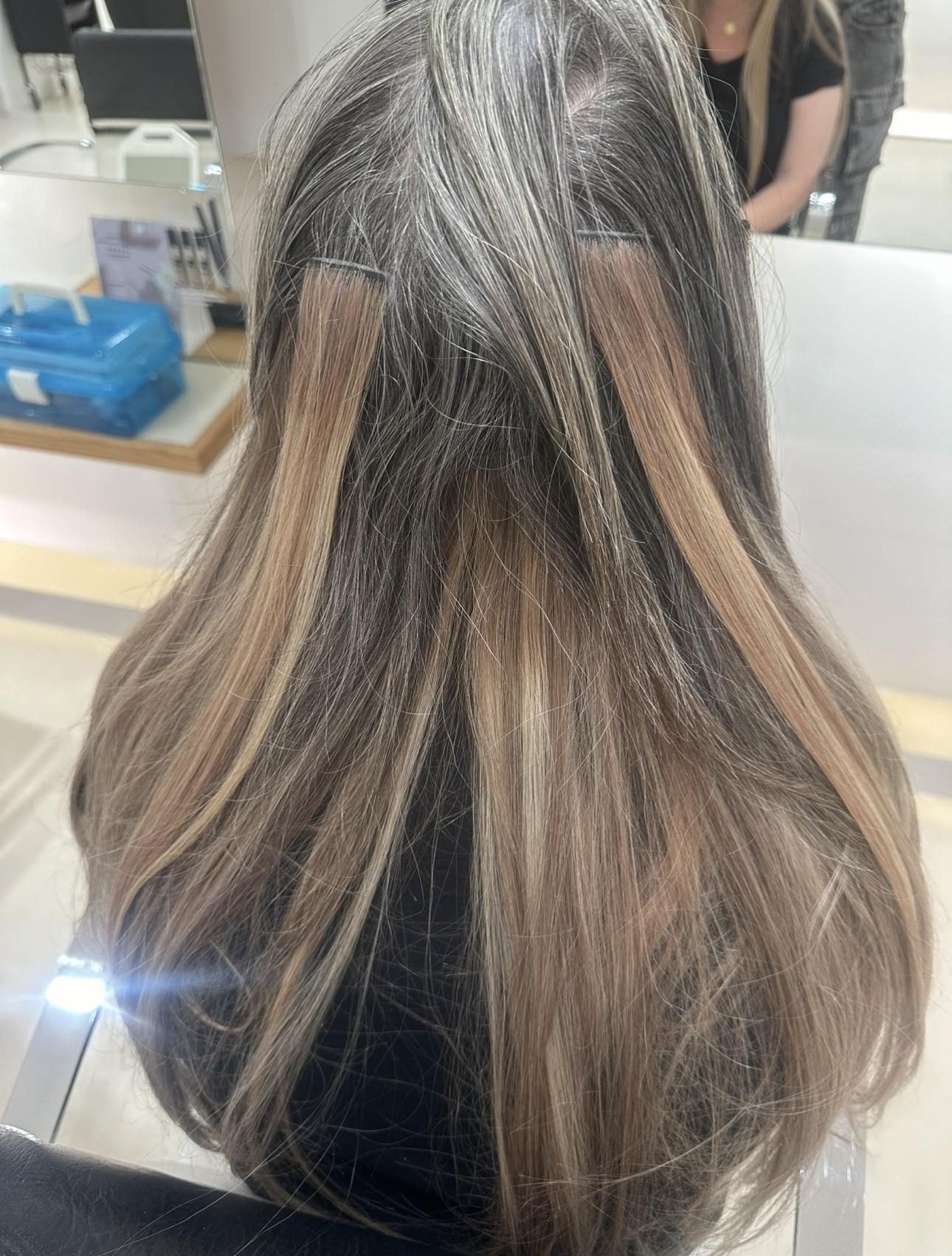
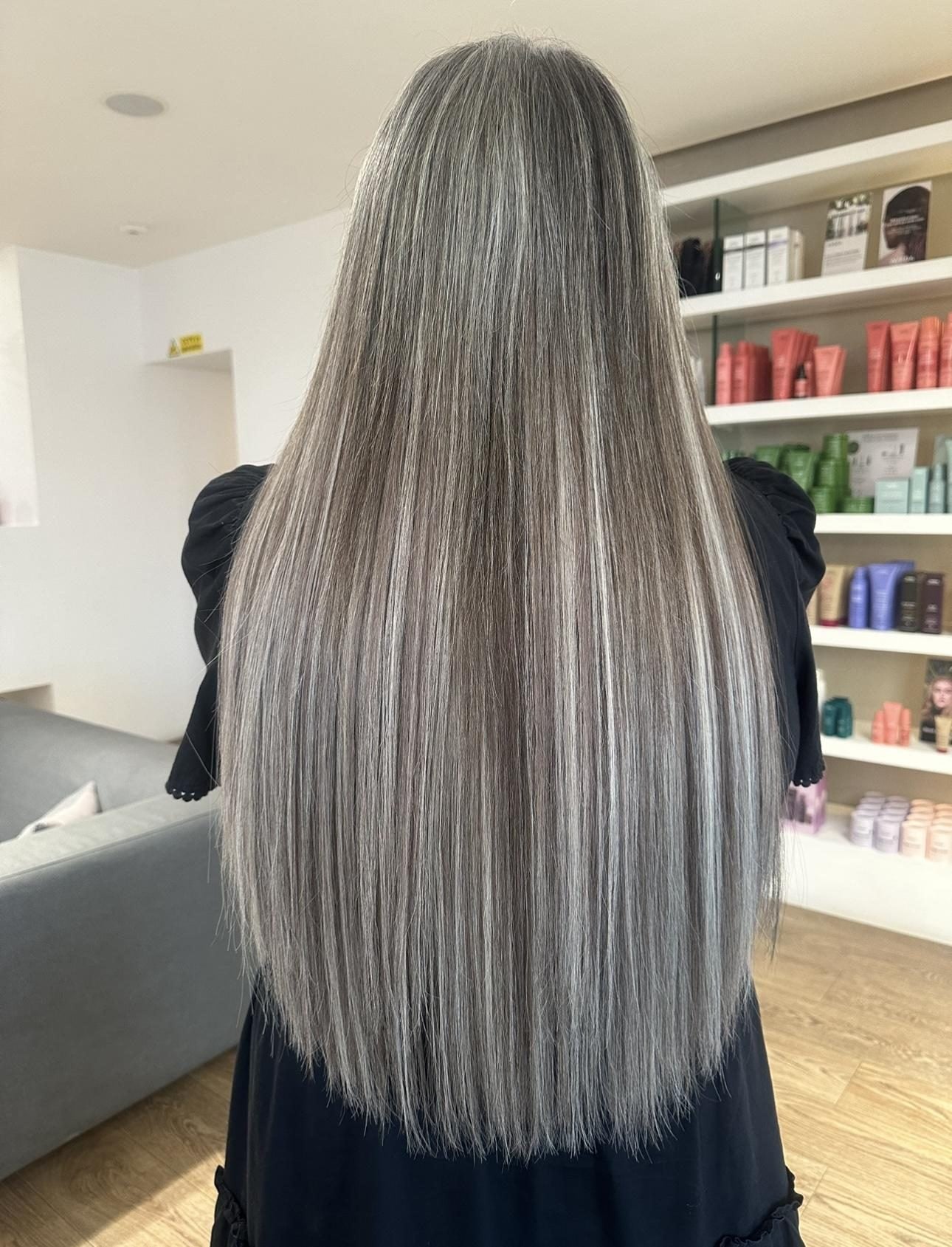
This was my first time doing this client’s hair. She had always been blonde and wanted to try going brunette. Rather than committing to a permanent color straight away, we decided to experiment with toners so she could see how she felt about being darker, knowing the color would gradually fade.
I pre-filled her hair and followed the correct process, but after applying a second toner with too much ash, her porous hair grabbed the pigment and the result looked flat, with a green tint to it.
Although she quite liked the result, I knew it needed more warmth to create a balanced brunette.
Rather than trying to strip all the color out, I wanted to remove just enough of the excess pigment to give me a better base to work with. I clarified her hair before applying another gloss containing warm pigments, including copper, to balance out the unwanted cool tones.
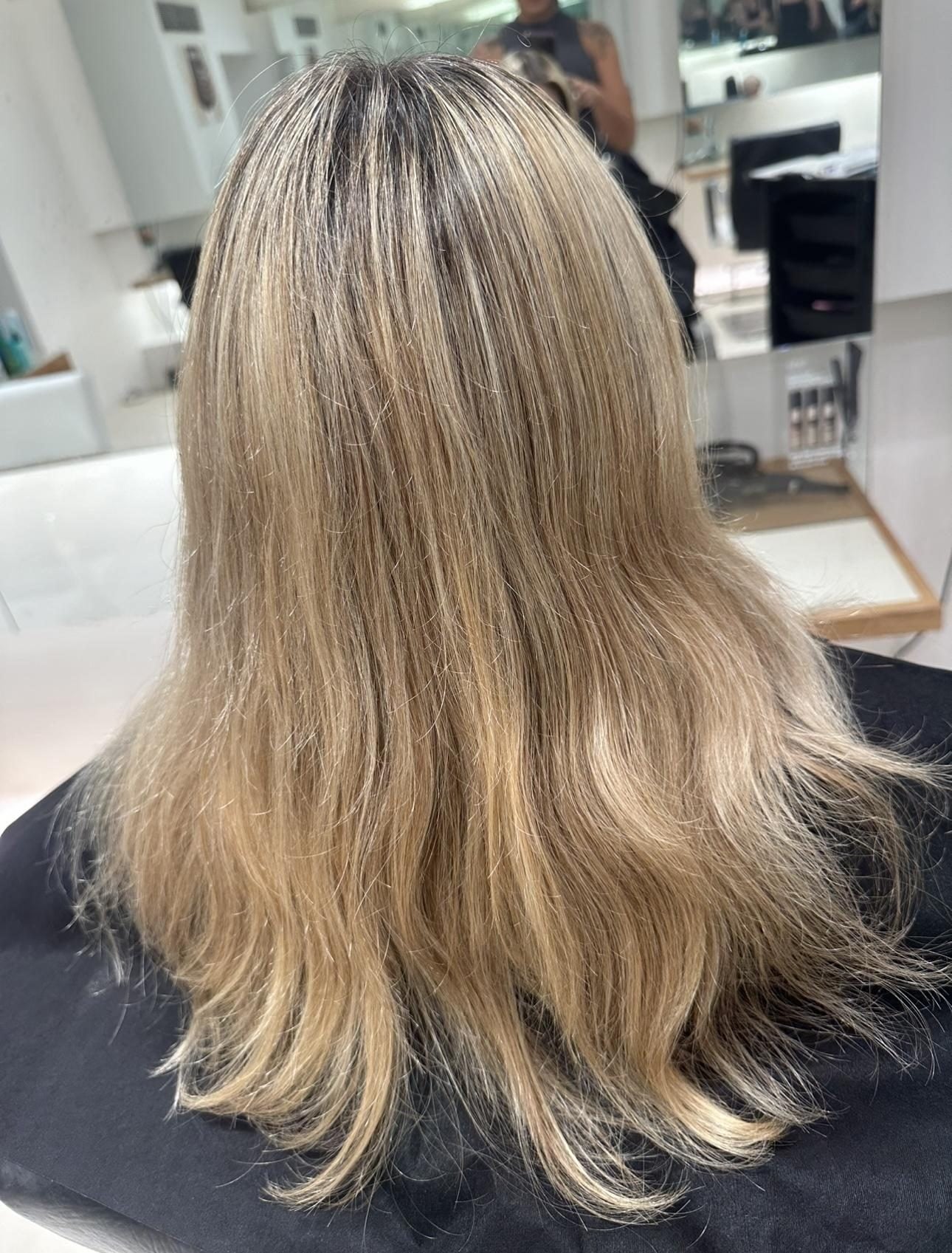
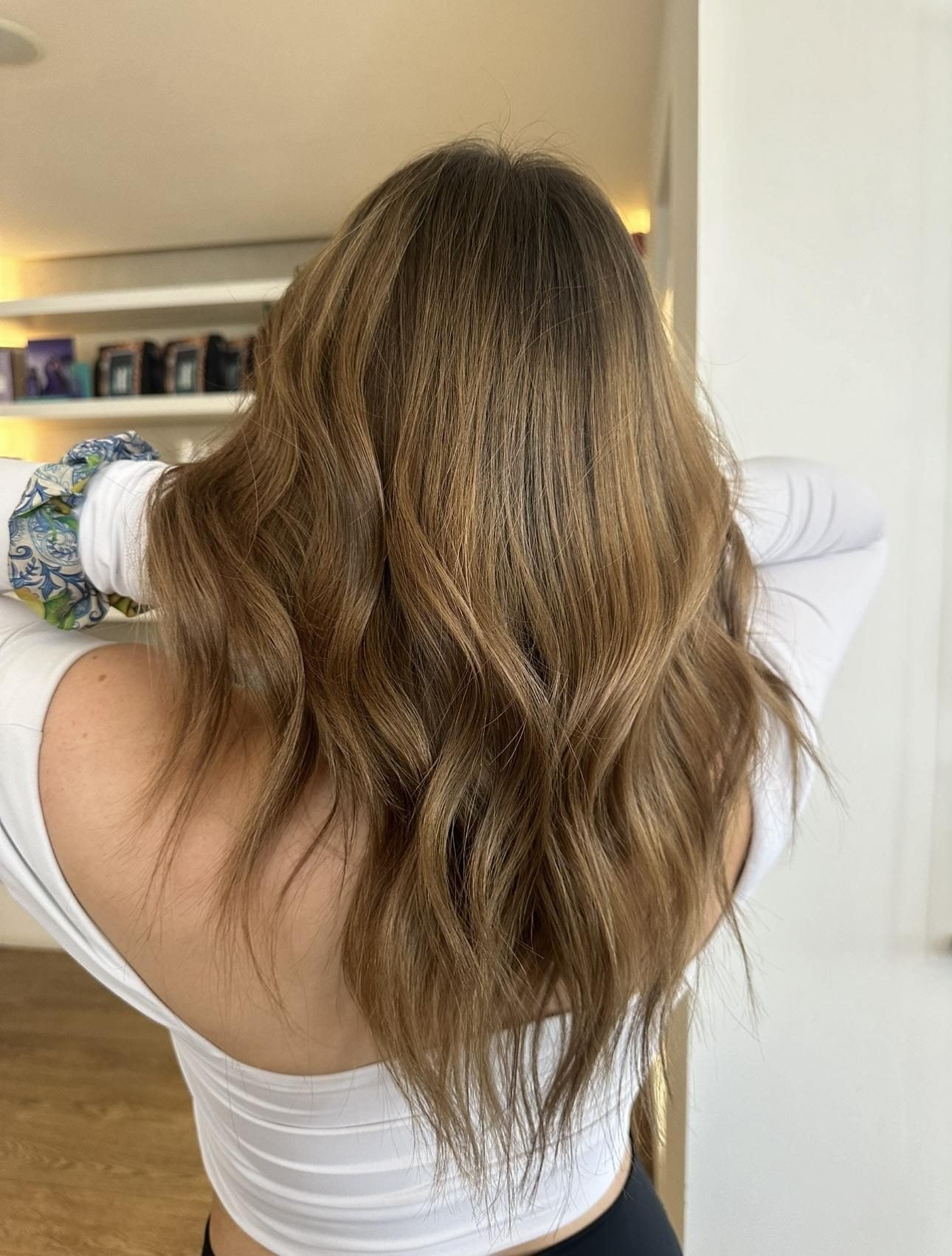
The appointment was originally booked for 90 minutes, but correcting the color took us over two hours. It was a good reminder that when taking a client from blonde to brunette, warmth is your friend!
Porous hair can grab cool pigments more strongly than expected, so it’s important to consider the underlying warmth needed to create a balanced result.
It’s a great example of how even when things don’t go as planned, sometimes a small correction is all that’s needed to get your color back on track.
What I Will Not Put on Your Head
When you’re desperate to get rid of a toner you hate, it’s tempting to raid the kitchen cupboards or try whatever you’ve seen online. But some of these DIY methods can do more harm than good, especially if your hair is already lightened or feeling fragile.
Dish Soap
Dish soap is designed to remove grease, not hair color. Its strong cleansing action can strip away the hair’s natural oils and leave already-lightened hair feeling dry and rough. It isn’t a targeted way to remove toner.
Lemon Juice
Lemon juice is acidic and can dry out your hair, but it won’t reliably remove unwanted toner. If the color needs lifting, I’d rather use a controlled treatment designed for hair than rely on an unpredictable home remedy like this.
Baking Soda
Baking soda is alkaline, which can cause the hair shaft to swell and leave the cuticle feeling rough. It isn’t formulated for color removal, so you could end up with dry, uneven results without removing the toner properly.
Crushed Vitamin C Tablets
Vitamin C is often recommended as a DIY color-removal trick, but the results can be unpredictable. The repeated cleansing can strip away surface oils that help keep hair feeling smooth, leaving porous hair feeling drier and rougher. It also won’t necessarily remove the unwanted pigment evenly.
Peroxide on Its Own
Hydrogen peroxide is an oxidizing agent that can break down melanin, the natural pigment in your hair, as well as affect some artificial color molecules.
However, it doesn’t selectively remove unwanted toner, so you could end up lightening the underlying color while leaving unwanted artificial pigment behind. The strength, application and condition of your hair all affect the result, and using it incorrectly can cause unnecessary damage.
Box Bleach Over Toner
Bleach works by oxidizing pigment inside the hair, but the process can also damage the hair’s protein structure. If your hair has already been lightened, it may be more porous and vulnerable to further chemical processing.
Applying bleach over an unwanted toner without assessing the hair’s condition and color history can cause uneven lifting, excessive damage and breakage, when a gentler correction might have worked.
Heat or Sun to Speed Things Up
Heat and sunlight won’t reliably remove unwanted toner. UV radiation can degrade hair proteins and oxidize color pigments, while excessive heat can contribute to dryness and damage.
Neither method gives you control over which pigments fade or how evenly the color changes, so you could end up with a duller, warmer or more uneven result rather than the shade you wanted.
What Their Hair Looked Like Afterward
I’ve seen clients try all sorts of things at home when they’re unhappy with their hair color. It’s understandable, especially when you feel like you’ve ruined your blonde and just want to get back to how it looked before.
The problem is that trying to remove the toner yourself can sometimes leave you with another issue to fix.
I had a client come in after repeatedly washing their hair with dish soap to try to fade a toner they hated. When I looked at their blonde, the color hadn’t shifted too much, but the lengths looked dull and dry.
When I assessed the condition of the hair, it was dry, rough and tangled very easily. Instead of getting rid of the toner, they had just stripped and compromised their hair without achieving the result they wanted.
This made going ahead with a correction much more complicated, as I didn’t want to compromise the hair any more whilst trying to achieve the result we wanted.
Another client had tried the lemon juice method on their hair and then sat in the sun to try and remove the tone.
The blonde still had the exact same tone as before, possibly slightly lighter due to general washing and a bit warmer due to sitting in the sun.
But the lengths were dry and rough, the hair had lost its shine and the condition of their hair felt worse than ever before. Instead of focusing on correcting the color they had, we had to focus on getting their hair back to a healthy condition.
I have also seen the baking soda “fix” before. When I assessed the hair once they came into the salon, the blonde was very uneven, some areas appearing lighter and warmer than others, while the unwanted tone remained in some places.
The lengths felt coarse, and the hair didn’t move or feel soft like healthy hair should. The baking soda’s pH had disrupted the hair’s surface, leaving it rougher and more difficult to manage, as well as giving an uneven and unwanted color result.
This client needed a whole color correction, while being extremely cautious of the condition that the hair was in.
Too Dark, Too Ashy, Gray, or Purple: Which Fix for Which
| What you see | The usual cause | Where I’d start |
|---|---|---|
| Too dark | Porous hair grabbing pigment, or the toner left on too long | A clarifying shampoo to lift surface pigment; avoid repeated washing if the hair is already dry or damaged, and get professional advice |
| Too ashy | Too much cool pigment in the toner for the base | Stop toning products, clarify the hair, and have a colorist find a suitable warmer toner to rebalance the shade |
| Gray | Very light or porous hair grabbing ash pigments more strongly than expected | If excess toner caused the gray cast, clarifying may help remove some pigment; if it persists, it needs a professional assessment |
| Purple | Excess violet pigment from toner or purple shampoo | Stop using toning products and clarify for a few washes while the hair stays in good condition; a stubborn stain may need a professional color-removal process |
After It Is Out: Getting the Next Toner Right
Once the unwanted toner has faded or been removed, give your hair a chance to recover before toning again. How long you should wait depends on the condition of your hair and how much color removal was needed.
If your hair feels dry, weak or damaged, focus on conditioning and strengthening it first rather than rushing into another chemical process.
When you’re ready to re-tone, the key is choosing the right level and tone for your starting color.
Most toner corrections can be avoided by choosing the right formula for your hair, rather than simply reaching for the coolest shade.
Hair that looks too ashy or purple may need a softer, more neutral, or warmer toner to rebalance the hair, rather than another violet-based formula. If you’re unsure, get a professional to assess your hair before applying anything else.
If you do have to see a colorist, explain:
- What toner you used
- When you used it
- How long you left it on for
- What starting color you had (photos can be very useful)
- What went wrong
- Your previous color history
- Any removal methods you’ve tried
These all help us assess what went wrong, why, and how to proceed from there.
Be careful with purple shampoo. It’s easy to overuse it when trying to keep blonde hair cool, but using it too frequently can leave a violet tint or make the hair dull and flat.
Start with occasional use; this tends to be about once a week, or less depending on how often you wash your hair. You can adjust the frequency based on how your hair responds.
A gentle shampoo, regular deep conditioning and a heat protectant will also keep your hair in better condition, to prevent future toners from grabbing again.
The Advice That Prevents Most of These
Always assess the hair’s level, underlying pigment and porosity before toning. If you are unsure, ask a professional for advice rather than experimenting at home and risking a bigger correction later.
When to Stop and Book a Colorist
If your hair feels gummy or stretches excessively when wet, you’re noticing breakage, or your scalp is stinging, stop trying to remove the toner at home. These are signs of damage and irritation that need professional attention.
If your hair has already been bleached multiple times or a second attempt has made the color worse, don’t keep experimenting with more products. A colorist can assess the condition of your hair and work out the safest way forward.
Quick Answers
Does Purple Shampoo Remove Toner?
Purple shampoo does not remove toner. It deposits violet pigment to help neutralize yellow tones, so it can actually make your hair look more purple if you overuse it. If you’re trying to remove an unwanted toner, a clarifying shampoo is usually a better starting point.
How Long Does Toner Last if I Just Wait?
Most toners gradually fade over a few weeks, but this differs based on the formula, your hair’s porosity and how often you wash it. If the color isn’t too far off, giving it time to fade naturally is often the gentlest option.
Can I Re-Tone Right Away?
When to re-tone depends on the condition of your hair and what went wrong with the first toner.
If your hair feels dry, weak or porous, give it time to recover before applying more color; otherwise you could face the same issues as before. If you’re unsure, get a professional to assess it first.
Will Clarifying Shampoo Damage My Hair?
Using a clarifying shampoo occasionally is generally fine and won’t damage your hair, but it sometimes can leave hair feeling dry if it’s already bleached or damaged. Always follow with a deep conditioner, and avoid repeatedly washing your hair in an attempt to strip the color out quickly.
Does Hot Water Strip Toner Faster?
Hot water may open up the hair cuticle more for cleansing, but it won’t reliably remove unwanted toner. Stick to lukewarm water instead; this still opens the cuticle without drying out your hair and scalp.
Can I Bleach Over Toner?
Bleach can remove artificial color, but applying it over toner at home can cause uneven results and unnecessary damage. Always speak to a professional before using bleach to correct an unwanted result.
My Bottom Line
My first piece of advice when removing unwanted toner is to always start with a clarifying shampoo and give your toner time to fade. Never rush into using bleach, or keep layering products to correct a color that hasn’t turned out right.
If the color is stubborn or your hair feels damaged, it’s time to put the products down and get a professional opinion before making things worse.