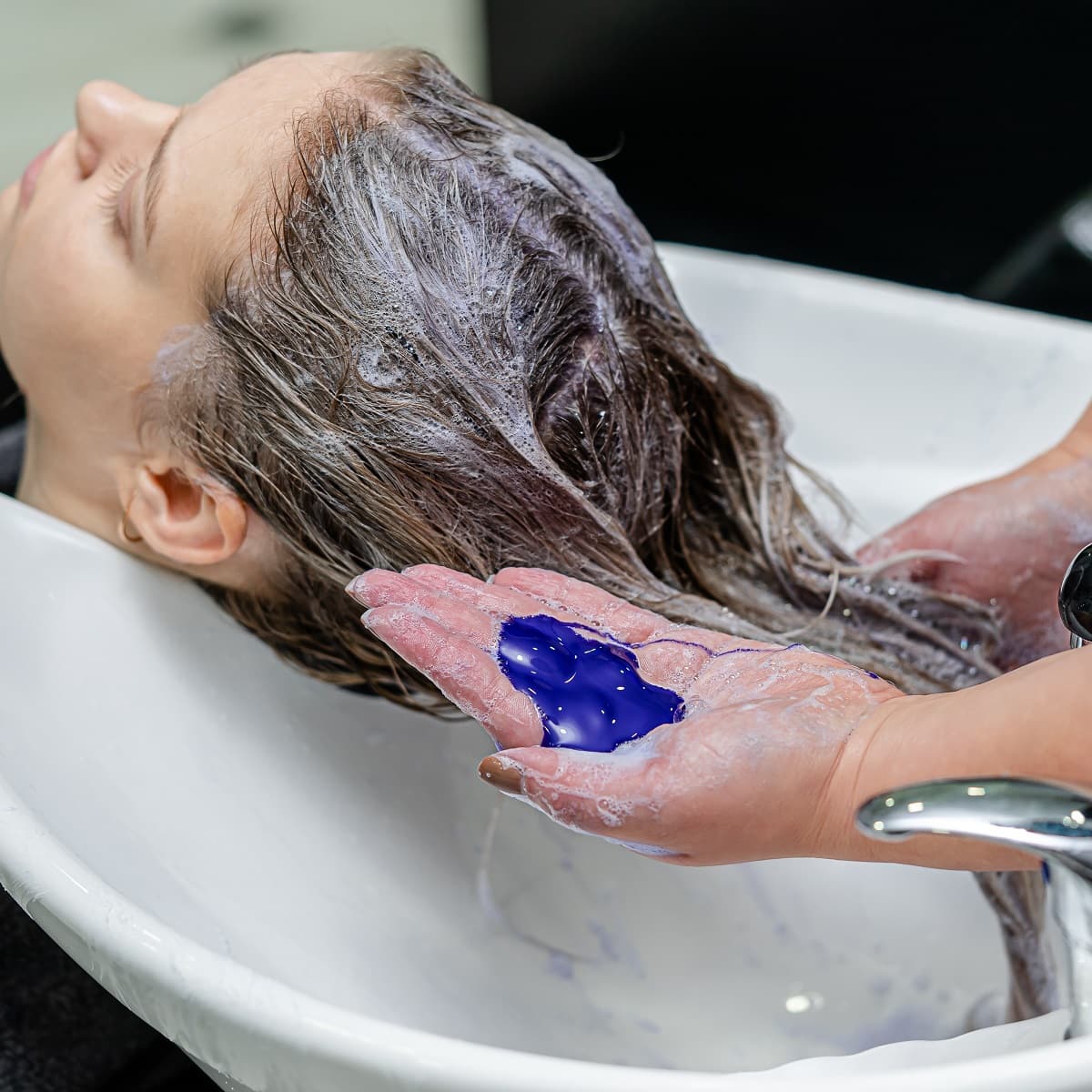


If you enjoy experimenting with blonde or light hair colors, you might have already hit a moment where the results did not match the plan. Maybe the color looked dull. Or it turned out too brassy and rusty. Toner for orange hair can help.
There is one toner myth senior stylist Emma Baxendale hears from clients more than any other:
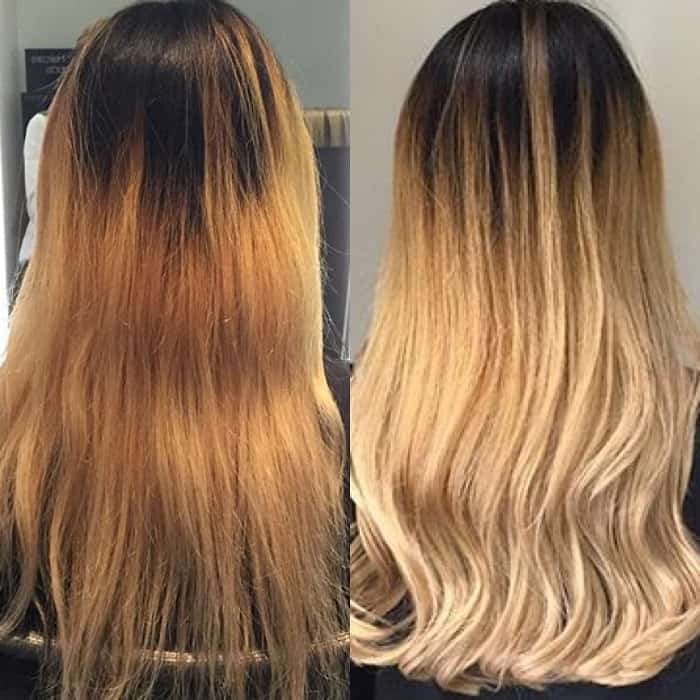
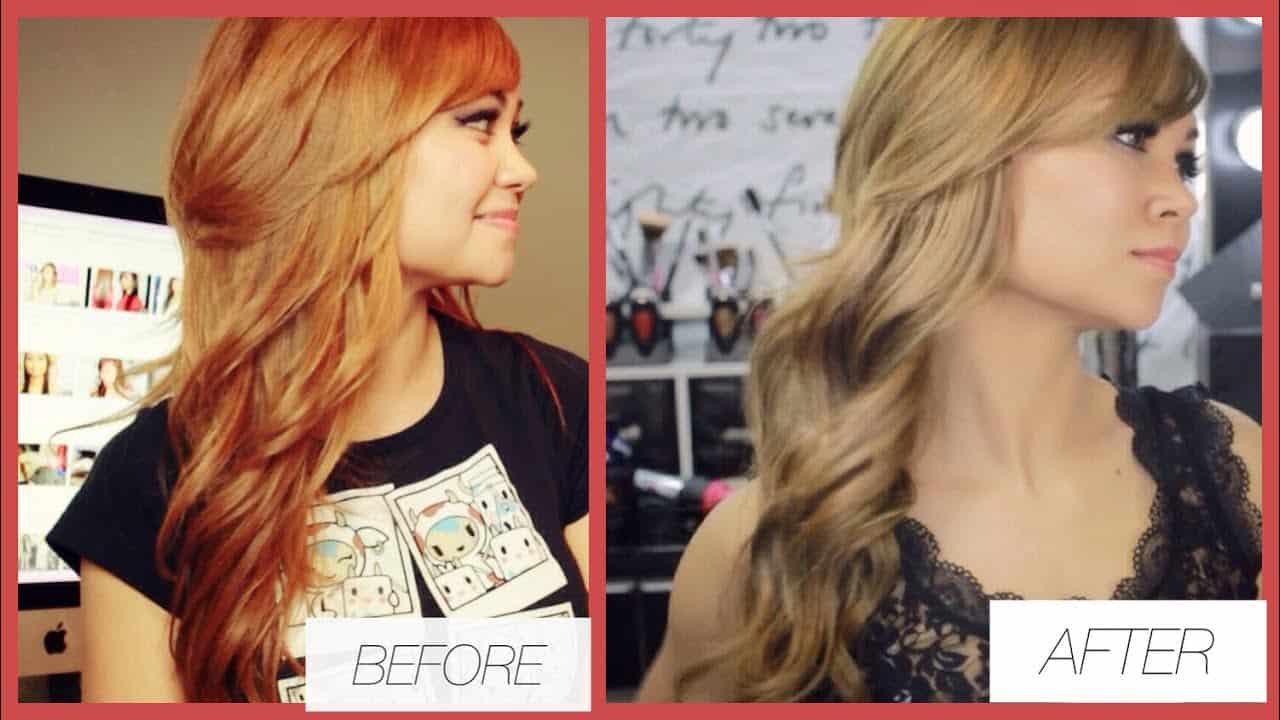
Many clients think that using a toner on orange hair is going to brighten it and make them feel blonder, however, all it will do is neutralise the orange and give a more brown effect. If the client wants to be blonder and brighter, they will need to lift past the orange stage into the yellow stage.
What is Toner for Orange Hair?
A toner for orange hair is a color corrector. It deposits cool pigment to soften orange and copper tones after dye or bleach. Many toners are demi-permanent formulas used with a low-volume developer. They are meant to refine the shade, not to do heavy lifting.
Emma's plain-English version of what a toner will actually do here:
A toner on orange hair is simply going to neutralise the warmth and give a sandy/brown effect. A toner can help them feel more ash/less warm but in turn will make them feel darker but this can just be a temporary band aid until they have their next lightening session.
How Does Toner Work?
Permanent dye and lightener are chemical processes. They often use peroxide and may also use ammonia to open the hair cuticle and change pigment. That can expose warm undertones, like orange or copper.
Toner helps by adding an opposite, cooler tone. This can make the color look more even and more polished. Many toners also include conditioning ingredients, so hair can look smoother and shinier after rinsing.
Color choice matters:
- Blue cancels orange. Best for true orange or copper tones on darker blondes and light brunettes.
- Purple cancels yellow. Best for pale blondes and platinum that looks yellow, not orange.
If your hair is truly orange, a purple toner is often too weak. It may look dull or muddy instead.
How to Select a Toner
Like all hair color products, toners come in many options. The best one depends on your goal. You may want to cool down warmth, add a soft beige finish, or move from brassy to ashy.
On choosing the shade, Emma keeps it practical:
If the client simply wants to neutralise, using a blue-based ash toner will be a temporary fix to neutralise the orange, but they will feel darker in the meantime. If they are happy with creating a brunette shade, then I can work with the warm base, using a toner with a brown base, some blue pigment, and some gold pigment to create a rich chocolate colour.
Start by choosing the right product type. Then pick the right tone for your hair.
Toning shampoo vs. demi-permanent toner
- Toning shampoos and masks are for maintenance. They work slowly and are best for mild brassiness. They are a good first step if you are not sure what your hair can handle.
- Demi-permanent toners and glosses are for correction. They deposit more pigment in one session and usually mix with a low-volume developer. They last longer than toning shampoos.
Next, read the label. This is where many people go wrong.
- Developer volume: For toning orange hair, stick to low volume only. Volume 5, 6, or 10 is the common range for deposit. Use the developer that comes with the toner when possible.
- Warning: Never use Volume 30 or 40 developer for toning. These strengths can raise damage risk and can burn sensitive skin. If you have a chemical burn, get help and follow trusted first aid guidance.
- Type: Semi-permanent toners deposit color and fade faster. Demi-permanent toners often use low-volume developer and last longer.
- Choose “deposit only”: For a true toner, look for words like toner, gloss, demi-permanent, or deposit. Avoid “high lift” and avoid permanent color if your hair is already lightened and fragile.
- Shade words to look for: For orange brass, look for labels that say ash, cool, blue-based, or blue ash. For yellow, look for violet or purple.
- Shade codes can help: Many brands use letters or numbers to show tone. Look for codes like A (Ash), AA (Intense Ash), B (Blue), or V (Violet). Some brands use dot codes like .1 (often Ash or Blue) or .11 (often Intense Ash). Codes vary by brand, so check the brand’s shade chart before you buy.
- Match your level: Toner works best when it matches how light your hair already is. If your hair is dark blonde and orange, choose a toner at that same depth with a blue or ash tone. If your hair is very light and yellow, choose a violet-based toner at that same level.
- Application system: Some toners are mixed and brushed on. Others come as shampoos, masks, or squeeze-bottle kits. Brush-on toners give you more control over patchy areas.
- Quality: You often get a more predictable result with a salon formula. A pro can match the tone to your starting level and avoid over-toning.
Will Toner for Orange Hair Cause Damage?
Toner is still a chemical process. That means it can stress hair, especially if your hair is already dry or over-processed. The safer path is to tone less often and space out services.
If your hair feels gummy when wet, snaps easily, or your scalp feels irritated, a salon visit is the better choice.
Safety Notes
- Patch test: Do a patch test 48 hours before any dye or toner to check for allergy reactions.
- Strand test: Test a small hidden section first. This shows the tone and helps you spot breakage risk.
- Developer warning: Do not tone with Volume 30 or 40 developer. If you feel burning, stop and rinse well with water.
How to Apply Toner for Orange Hair
We recommend a qualified salon professional for color correction. If you choose to tone at home, follow these safer basics:
- Do a patch test 48 hours before you apply any toner. Follow the product directions.
- Do a strand test first. Your hair’s porosity can change the result, and this helps you avoid surprises.
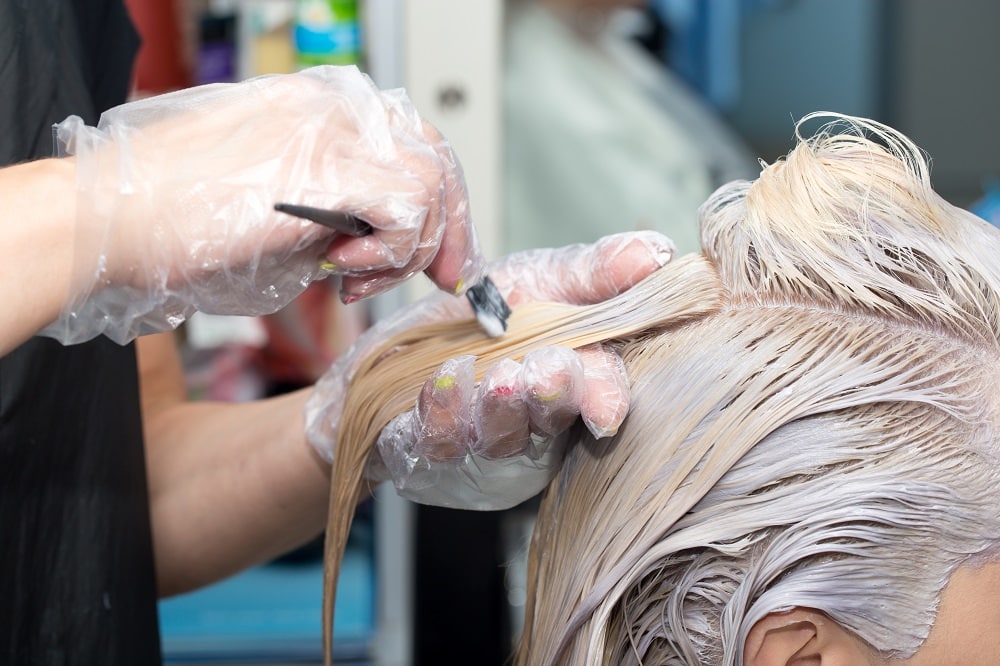
- Wear gloves. Protect your clothing and surfaces.
- After dyeing your hair, rinse well. Towel dry until damp, unless your toner label says otherwise.
- Apply toner to the areas that need the most color correction first. If all your hair needs toning, start where the brass is strongest and work through to the ends.
- Process time varies by formula. Many toners take 5 to 20 minutes. Follow the label. Check every 3 to 5 minutes by wiping a small strand.
- Rinse well. Condition. Stop right away if you feel burning or strong stinging.
Toners can make color look cleaner and less brassy. They can also help hair look shinier, especially if the formula includes conditioners. But toner does not repair damage. If your hair feels fragile, a pro can choose a gentler option, like a gloss or a conditioning mask with blue pigment.