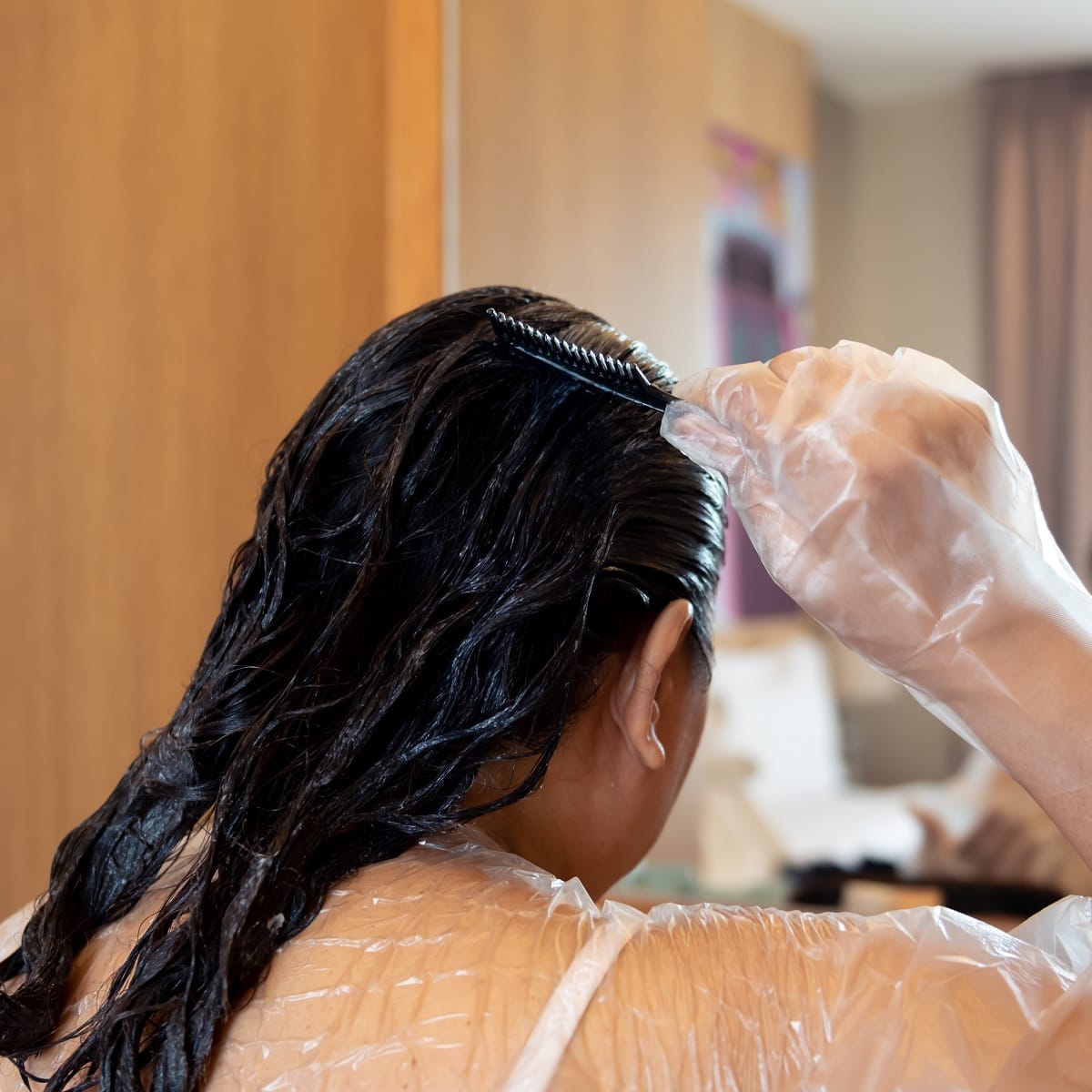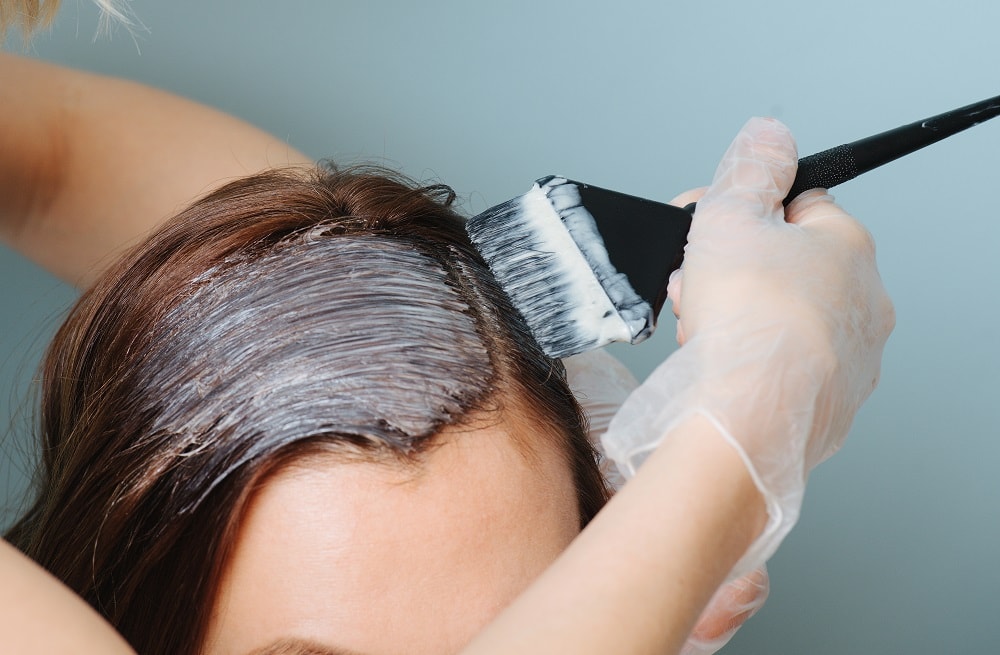


Bleaching at home is quite tempting because you will save some money. However, it is also risky because bleaching products can damage your hair if misused, or you could end up with unevenly bleached hair.
Understand each bleaching step to avoid damaging your hair and achieve the desired result.
Do You Shampoo Hair After Bleaching and Before Toning?
Yes, it is recommended to shampoo after bleaching and before toning. This helps remove bleach residue so the toner works evenly. Do not condition before toning.
According to hairstyle experts, shampooing hair is better after bleaching because it helps remove the bleach properly. If bleach is not fully removed, the toner can be less effective.
So, you should shampoo the hair thoroughly before toning to ensure all bleach residue is removed from the hair.
What Happens If I Don’t Shampoo After Bleaching?
Skipping the shampoo step between bleaching and toning is a common mistake that can ruin your results. Here is exactly why you shouldn’t skip it:
- Bleach has a very high pH (alkaline), while toners usually require a lower pH to work effectively. If you leave bleach residue in your hair, it creates a chemical barrier. The toner will slide right off or process unevenly, leaving you with patchy, brassy spots.
- Leftover bleach residue can also interfere with how the toner develops. Instead of one even result, you might see patchy warm spots or a tone that comes out duller and muddier than expected.
- Bleach is harsh on the skin. A thorough shampoo ensures every trace of the chemical is removed from your scalp. Leaving it on the hair and scalp can, according to the American Academy of Dermatology, lead to itching, redness, or a chemical burn. Even if you rinse with water, active bleach molecules can cling to the hair shaft. These molecules can “eat” the color molecules of your toner, making your new color fade within just one or two washes.
Preparing Your Hair: To Wash or Not to Wash?
You should not wash your hair immediately before bleaching, as you will wash away the natural oils needed to protect the scalp during the bleaching process.
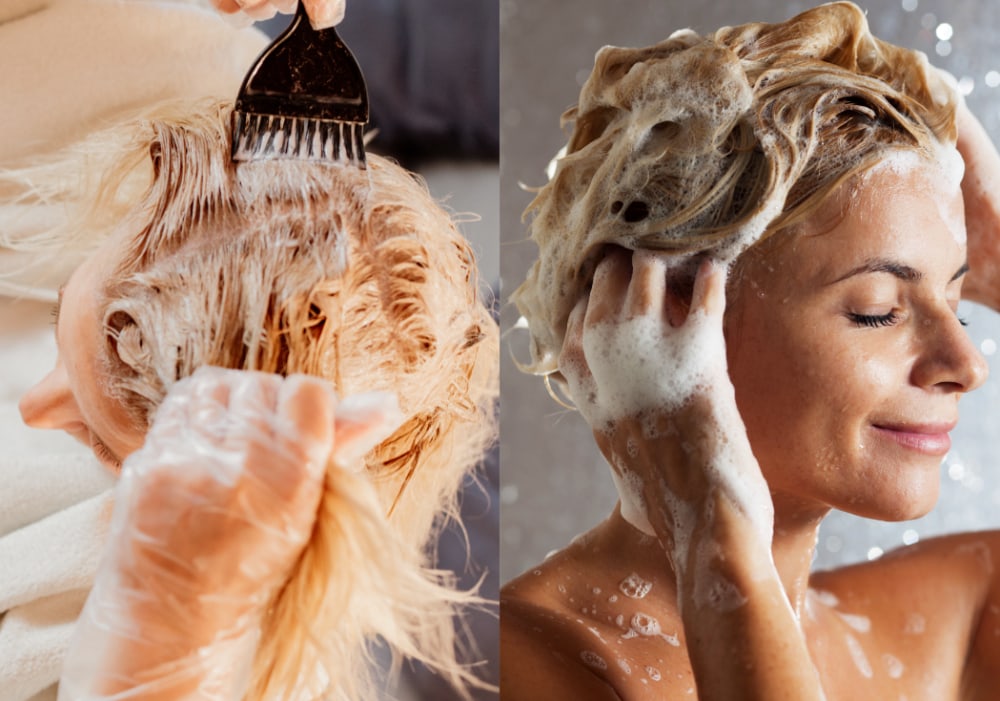
Bleaching is lightening the hair color using bleaching agents. The bleaching mixture contains hydrogen peroxide that alters chromophores (the colorful part of the melanin molecule) by increasing the number of carbon-oxygen bonds.
During the bleaching process, the alkaline agents swell your hair, allowing the cuticle to open, which allows the treatment to get to the hair cortex.
The bonds inside the cortex are broken during this process, so it is important to follow with a conditioner after toning to ensure the cuticle is closed and hydrated.
Should I Use Conditioner Before Toning?
No. You should only use shampoo before toning.
It can be tempting to condition your hair after bleaching and before toning because it can feel dry and brittle.
The cuticle should be open for the toner to penetrate your hair shaft and tone the bleached hair color. The conditioner will smooth and seal the cuticle, meaning the toner will not be absorbed well.
Toning bleached hair gives the best result because the hair is already close to the shade you want. It removes the brassy tones and corrects the hair color, leaving it looking fabulous. For example, toning will remove unwanted yellow tones on bleached blonde hair.
So, it would be best to use bleach, shampoo, toner, and then conditioner to lock in moisture and seal the color.
Post-Toning Aftercare
Check the label for the manufacturer’s instructions. Some semi-permanent toners advise not to shampoo right after toning.
Here’s our guide to washing hair after bleaching and toning.
How the Bleach-Then-Tone Sequence Works
Safety warning: Bleach and toner can cause irritation, chemical burns, and allergic reactions in some people.
- Allergy test: For dye or an oxidative toner, follow the product’s allergy-test directions 48 hours before every application. For bleach, follow that product’s own test instructions; do not invent a skin test for it.
- Strand test: Test a small hidden section first to check timing and damage risk.
- Stop if it burns: If you feel strong burning or pain, rinse right away with cool water.
- Get urgent help: If you have facial swelling, widespread hives, or trouble breathing, seek emergency care.
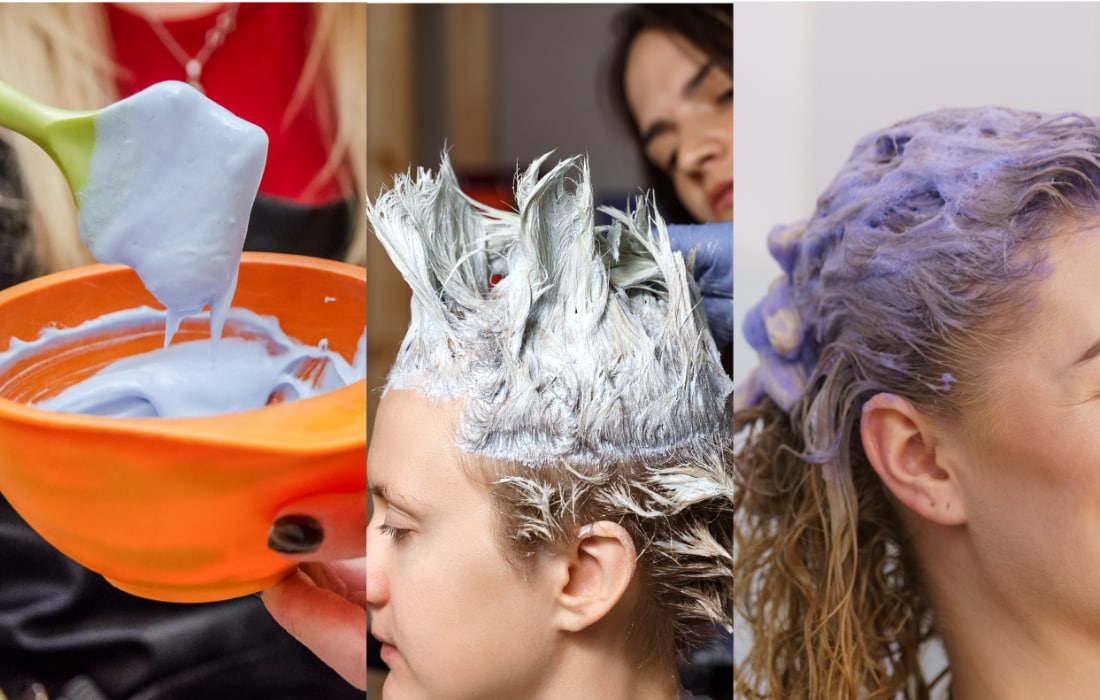
The full sequence runs: bleach, rinse and shampoo, tone, then condition. In the salon, your colorist mixes bleach powder with developer to the manufacturer’s ratio, using a lower strength for anything near the scalp (our volume developer guide explains why), applies it to mid-lengths and ends before the roots, and stops at the label’s maximum processing time.
Then comes the step this article is about: a thorough wash with a neutralizing or gentle sulfate-free shampoo to stop the chemical reaction and remove every trace of bleach. No conditioner yet. The toner goes on next, mixed and timed exactly as its directions say.
Before you tone at home: wear the gloves the toner specifies, protect your eyes, and work in a well-ventilated room. Do not tone an irritated scalp or hair that feels gummy or breaking; have a colorist assess it first.
If you tone at home after a salon bleach, which is a common split, your part is simple: shampoo well, skip the conditioner, follow the toner label exactly, then condition to seal the cuticle. Use a deep conditioner or hair mask after toning, limit heat styling for a few days, and try not to shampoo again for 24 to 48 hours unless the toner directions say otherwise.
So, if you want to achieve the best result after bleaching, you should shampoo between bleaching and toning to wash out the excess bleach.