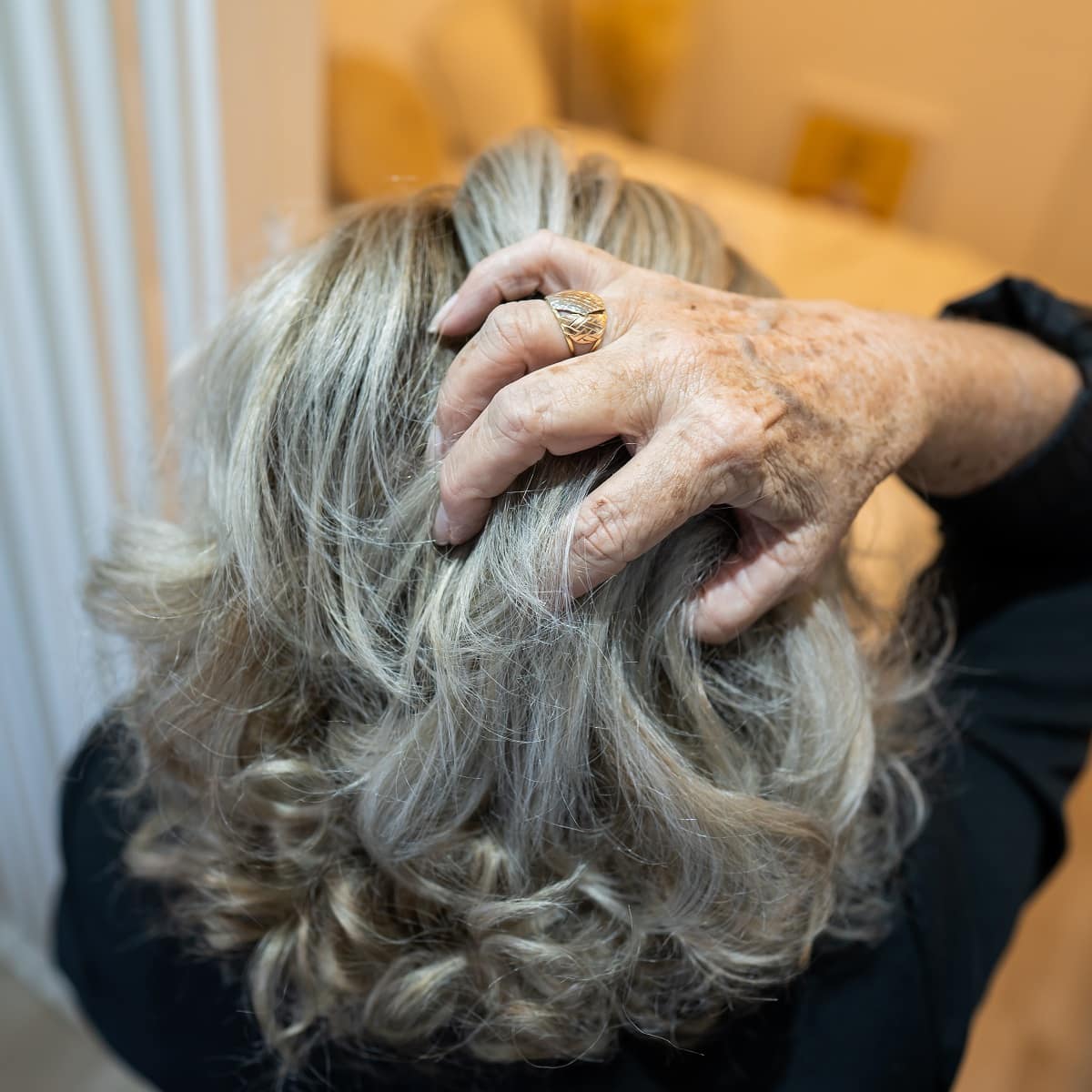


Keeping your gray roots dyed is simple when you do not have highlights. But when you have highlights, things get a little more complex.
If you want to know how to cover gray roots on highlighted hair, you’re not alone. You can stop racking your brain trying to figure it out and find the answer here! You can cover your gray roots and still have stunning highlights, so don’t give up. Here is how to deal with your roots without ruining your dimension.
Why so much caution? Senior stylist Emma Baxendale has seen what box dye does at that seam:

When a box color is applied to already highlighted hair, this can cause overlap where the natural hair meets the lightened hair, and this will cause breakage, due to box colors often having high peroxides.
The safest way to cover roots on highlighted hair would be to get a professional to apply the color, as they know how to not overlap. If that is not possible, then at least get someone who can see the back of your head and do their best to apply to only the roots, very carefully.
Professional Coloring for Covering Gray Roots
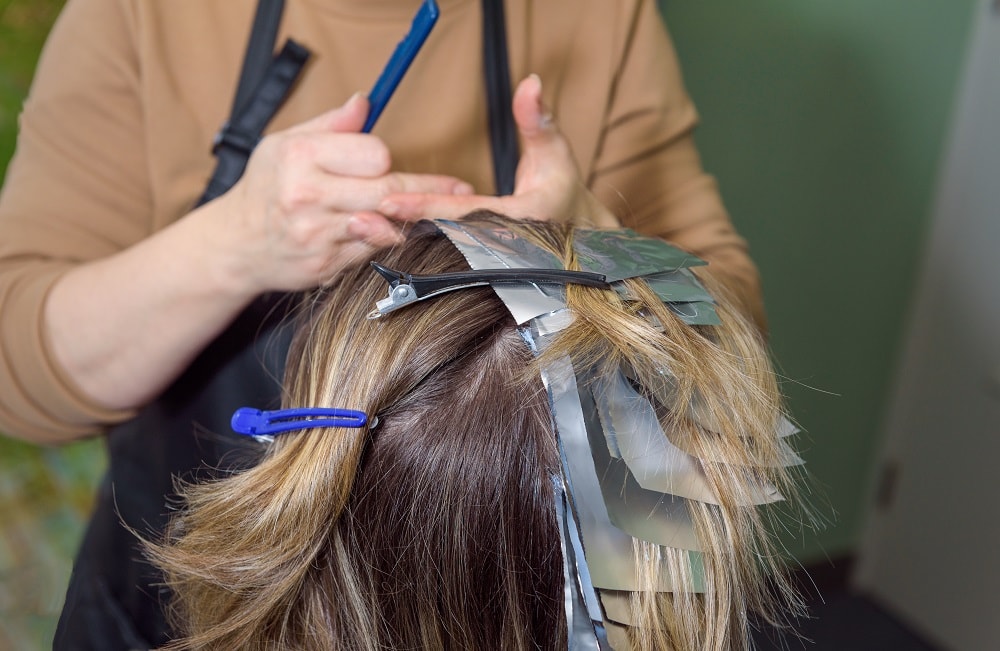
Before you learn how to cover gray roots on highlighted hair at home, you should know that going to a professional hairstylist is often the easiest option. To keep your gray roots hidden, you’ll need to visit a salon every four to six weeks.
If your hair grows particularly fast, you may have to go every three to four weeks. Professional coloring can be quite expensive, and scheduling color appointments and visiting a salon can be a bit of a chore. However, it’s less expensive when you only have your roots done rather than your whole head.
Having your roots dyed professionally can cost anywhere from $65 to $150 or more, depending on your location and the stylist’s expertise.
How to Cover Gray Roots on Highlighted Hair
If visiting a salon sounds too expensive or inconvenient, there are also DIY options you can consider. Below, you can find straightforward, step-by-step instructions to help you cover the gray hair while keeping your highlights looking beautiful.
1. Select the Correct Shade of Hair Dye
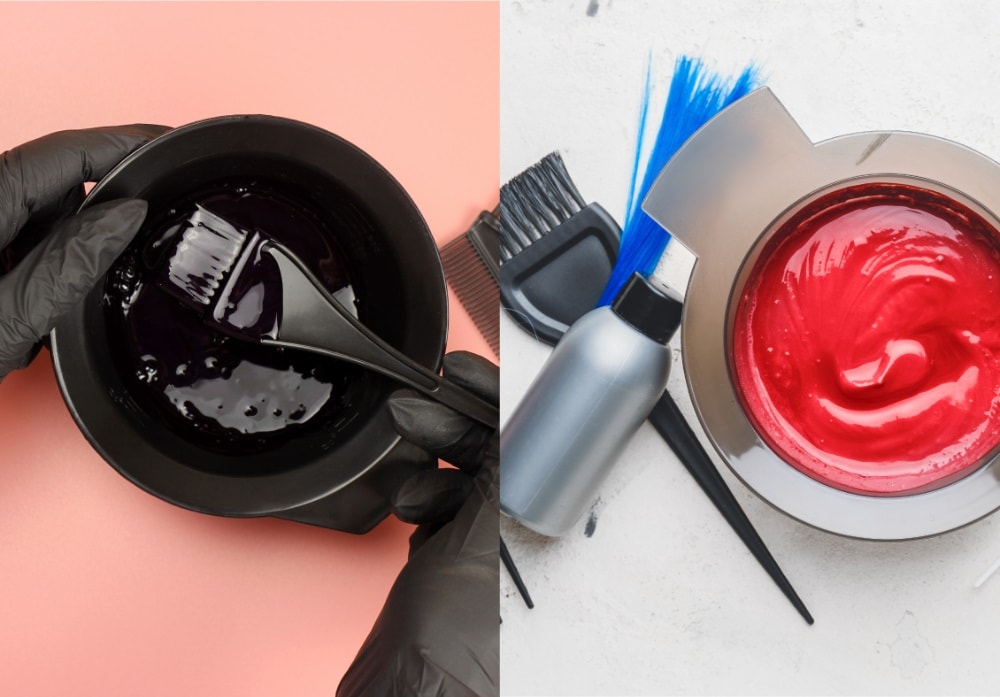
The first step is to choose the right shade of hair dye. You want the shade to closely match your current hair color. Because you have highlighted hair, you have a few color options to choose from.
Try to find a middle ground, but when in doubt, always choose the lighter color, as it’s easier to adjust later if you’re not happy with the results.
Semi-permanent hair dye may fade sooner than you expect, revealing your gray roots.
Permanent hair dye offers 100% opaque coverage for stubborn grays. However, demi-permanent dye is an excellent choice if you want to softly blend grays without exposing unwanted brassy tones in your natural base.
Safety Note: When touching up roots on highlighted hair, extreme precision is required. Applying permanent dye and developer over previously bleached hair can cause severe structural damage, leading to chemical breakage, where the hair snaps off. If you are unsure about your application skills, consult a professional colorist.
Blonde Hair
If you have blonde hair, using a super-light shade of blonde hair dye will create a stark and unattractive contrast at the top of your head. When dyeing your roots blonde, try to find a shade slightly darker than your current hair color.
Blonde hair is one of the more difficult colors to match, as the shades can vary between warm and cool tones. Gray hair can also be difficult to cover with a lighter color like blonde, but it is still possible!
Brown or Black Hair
Brown or black hair with gray roots is much easier to dye. The darker colors give you more opportunity to hide the gray hair.
However, gray strands are also more noticeable on darker hair, so if you have black or brown hair, you may want to dye your roots more frequently. Match the dye as closely as possible to your natural color, but when in doubt, choose the lighter shade.
Red Hair
Coloring red hair is similar to covering dark hair. Assess how dark your gray strands are and choose a red hair dye that will cover them. Match the hair dye as closely as possible to your shade of red!
2. Mix the Dye
Warning:
If you are using box dye, check the developer volume. Covering gray hair effectively and safely usually requires a maximum of 20-volume developer. Do not use high-volume developers for root coverage.
Mix the hair dye with the developer by following the instructions on the box. Use the included applicator bottle, as most box dyes include one, or a nonmetallic disposable bowl or dedicated plastic hair-color mixing bowl. Never use metal bowls or utensils, as they can cause a dangerous chemical reaction with the developer. Gather the following materials:
- Disposable gloves
- Toothbrush or mascara wand
- Either a nonmetallic disposable bowl or dedicated plastic hair-color mixing bowl and an applicator brush, or an applicator bottle (most box dyes include one)
- Petroleum jelly
The gloves and petroleum jelly will protect your skin from the harsh chemicals in the dye. Spread petroleum jelly around your forehead and temples to protect your skin, and keep the gloves on until the process is complete.
3. Apply the Dye
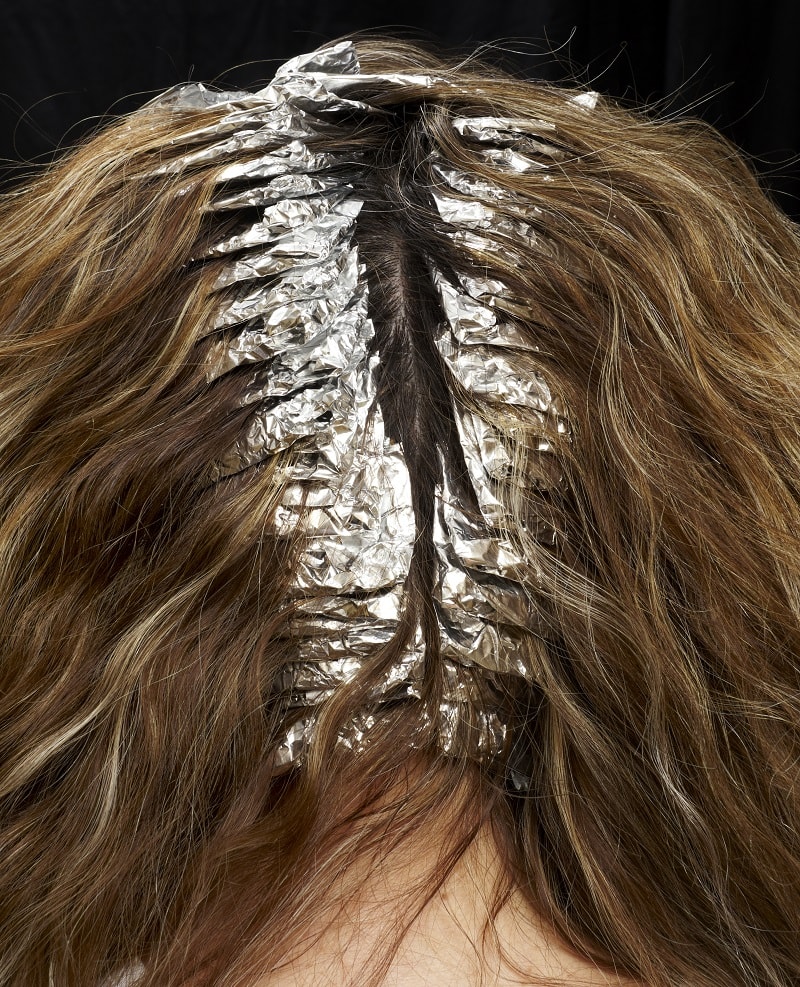
Do not count on coating your highlights with conditioner to protect them; conditioner is not a reliable barrier against permanent dye. The real protection is keeping the formula strictly off previously lightened hair. If you cannot isolate the new growth reliably, have a colorist do the touch-up.
Carefully apply the root dye strictly to the new gray root growth. Stop exactly where the highlights begin, at the line of demarcation. Do not overlap the dye. Overlapping permanent dye onto bleached highlights does not just cause muddy color bands; it also compromises the hair cuticle and can cause your highlights to snap off.
Using a toothbrush or mascara wand, carefully apply the dye around the hairline and part, staying strictly on the new root growth.
4. Set and Rinse
Follow the processing and rinsing instructions on the dye box. If you have a plastic shower cap, cover your hair while the dye processes to prevent drips. After the designated processing time, usually 15 to 30 minutes, rinse out the dye with warm water. Finally, if your hair dye comes with a conditioner, apply it and then rinse thoroughly.
While the color is processing, rinse it out immediately if your scalp burns or stings. Stop using the product and seek medical advice if you notice swelling, a rash, or blistering.
How Often Should You Dye Your Gray Hair?
Most people dye their gray roots every four to eight weeks. How often you need to dye your hair depends on how quickly your roots grow. People with fast-growing hair may need to cover their gray roots once a month, while those with slow-growing hair may be able to wait as long as three months.
You can find beauty products that cover gray roots quickly and easily, though not permanently. Products like root touch-ups and certain shampoos can help conceal gray roots between dye jobs.
Other Ways to Cover Gray Roots
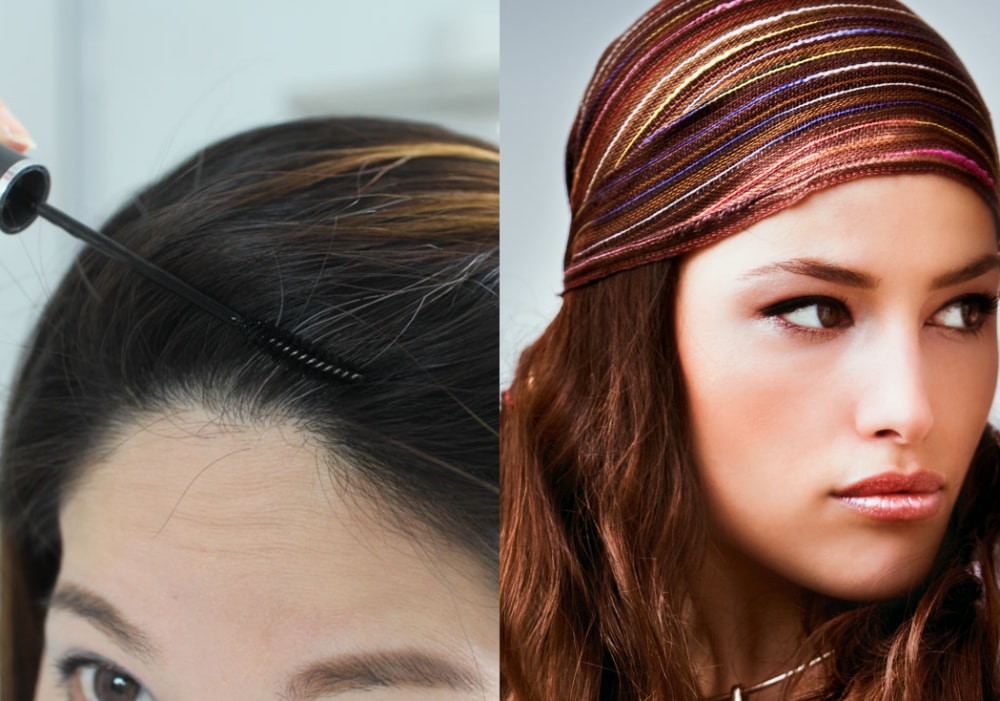
As mentioned, hair dye isn’t the only option for gray coverage. Below are some alternatives to permanent hair dye:
- Hair Gloss – Hair gloss provides a subtle wash of color and can look natural. Apply the gloss specifically to your roots, as applying a pigmented gray-blending gloss throughout your hair may darken your highlights.
- Hair Mascara – Hair mascara looks like eye mascara but contains semi-permanent dye that you can easily brush onto your roots.
- Root Concealer – Root concealer works like hairspray and comes in an aerosol can. Spray it onto your roots to cover gray hair while maintaining a natural appearance.
- Hairstyles – Some hairstyles can effectively cover your gray hair, such as a bun, ponytail, or half-up, half-down style.
- Coverings – Scarves, headbands, hats, and other head coverings can be stylish ways to keep your gray roots hidden until you can dye them.
To avoid repeatedly dyeing your hair, use the beauty products, hairstyles, or stylish coverings discussed above.
Final Thoughts
While it can be discouraging to see your gray hair beginning to show, many solutions can help. Whether you make regular color appointments at the salon or learn how to cover gray roots on highlighted hair at home, gray hair is perfectly manageable.
When you learn how to dye your own hair, you can prevent your gray roots from growing out to the mid-lengths. However, the beauty products, hair coverings, and strategic hairstyles mentioned above can be lifesavers when you haven’t been able to dye your roots for a while!