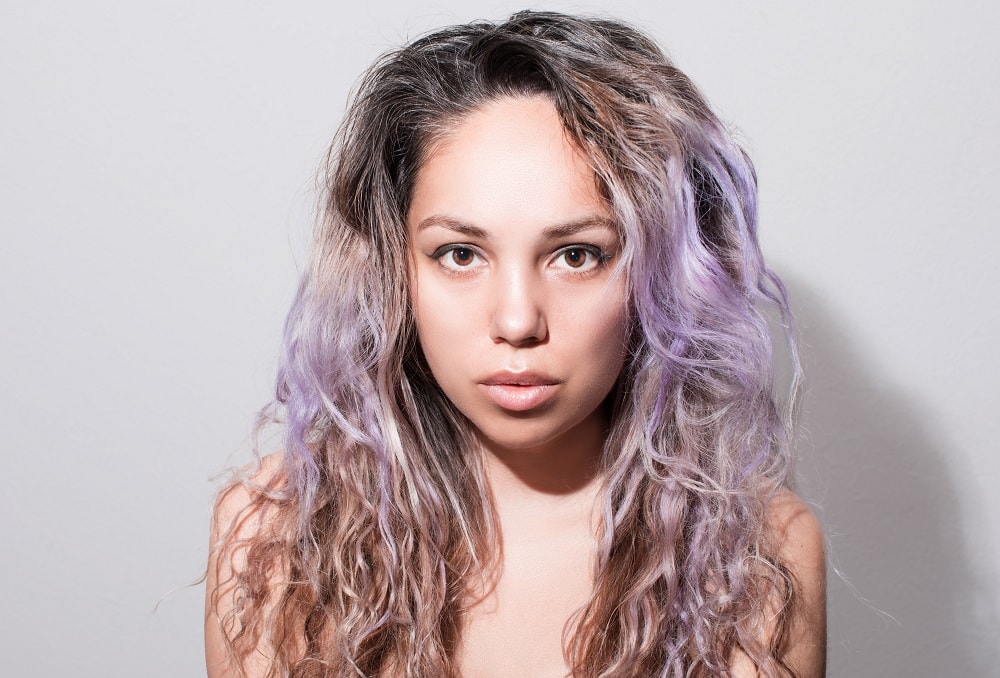

“My hair turned purple after dyeing brown!” How did this even happen? And more importantly, how can you fix it?
If you have work in the morning and your newly purple hair is not something you want your coworkers to see, there are steps you can take to fix your hair. There are also specific reasons why your hair turned purple after dyeing it brown.
Read our guide below to learn why your hair turned purple and the ways you can fix your hair color back into your preferred shade.
Why Did Your Hair Turn Purple
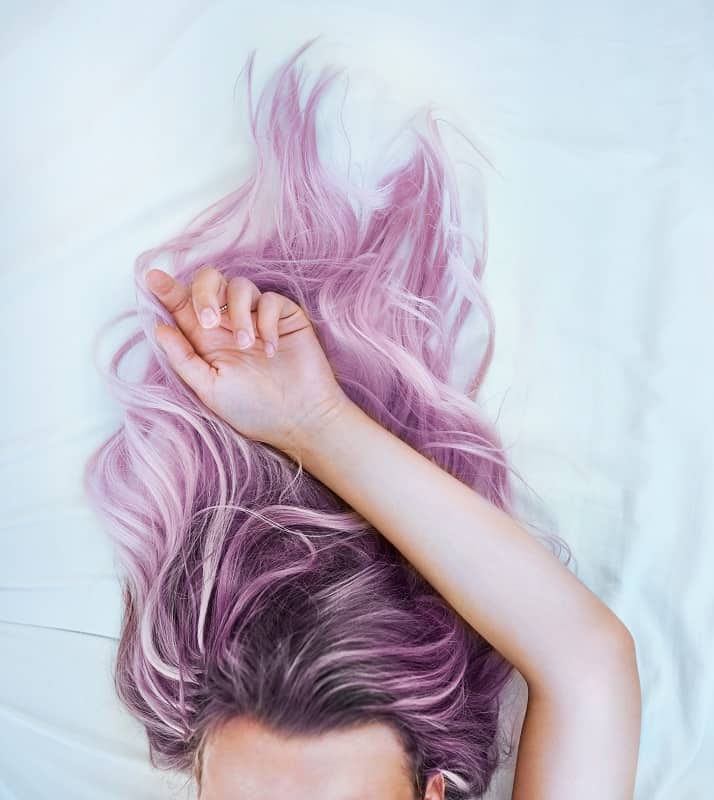
Hair dyes made of a chocolate brown color tend to have a purple base. Natural or neutral brown hair dyes also have a violet base, which is why your hair may have turned purple. You’ll often find that hair turns purple after trying to dye it brown if you have previously bleached your hair into a blonde color.
Because bleached blonde hair is highly porous and lacks underlying warm pigments, it can rapidly absorb the hidden violet or blue bases found in chocolate and some neutral brown color dyes, resulting in an unintended purple tint. Permanent brown dye can work on blonde hair, but it can turn muddy or purple if you don’t “fill” the hair first with warm tones.
What to Consider Before Mending Your Purple Hair
If you’re looking to mend your purple hair and change it into an extremely light color, you will need bleach to lift it, and on already-dyed hair that session belongs with a colorist. However, if you want a dark hair color, you’ll need to first fade the purple. Only after it fades can you add a new hair dye.
Yellow and violet are opposing tones, but adding a golden or warm-brown gloss does not guarantee that dark-purple hair will become brunette. The starting depth, dye type and color history determine the correction.
When changing your hair color, you may want to let it first fade and always use the color wheel to figure out which dye to use; a little color theory goes a long way here. You might want to pick a shade that sits directly opposite purple on the color wheel.
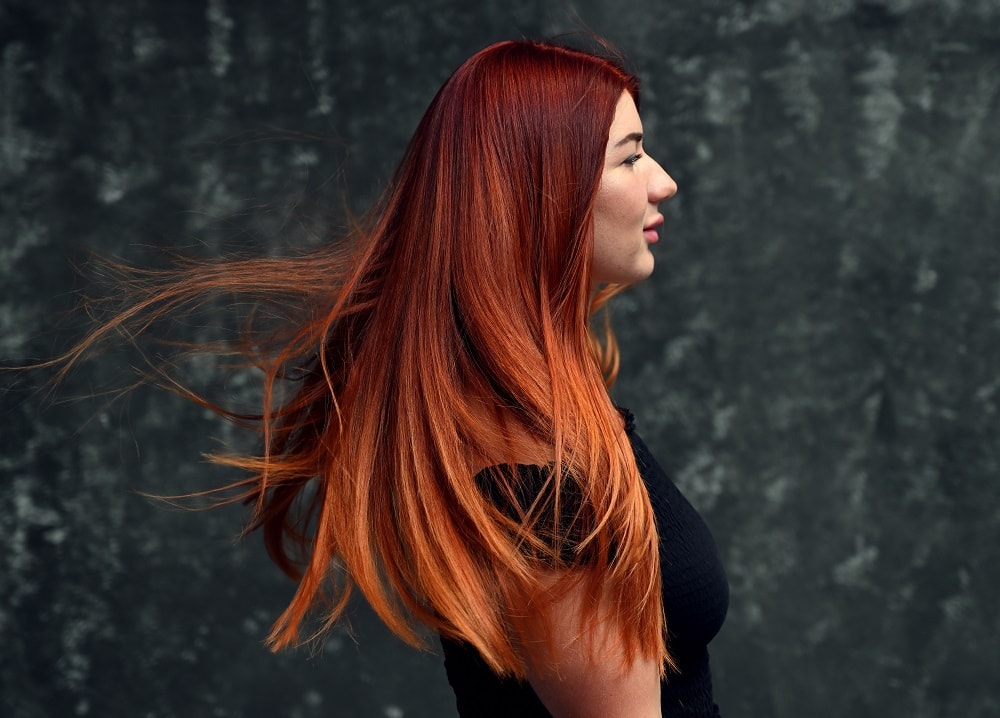
If your hair turned purple, avoid chestnut or mahogany dyes. Purple is already a mix of red and blue, so adding more red to the hair will only result in a dark burgundy, plum, or cherry cola color. From those darker shades, it would be much harder to move to brassy yellow and dark or light blonde.
These are some of the things you might want to consider before moving directly to changing the purple hair color.
How to Fix Your Purple Hair Mistake
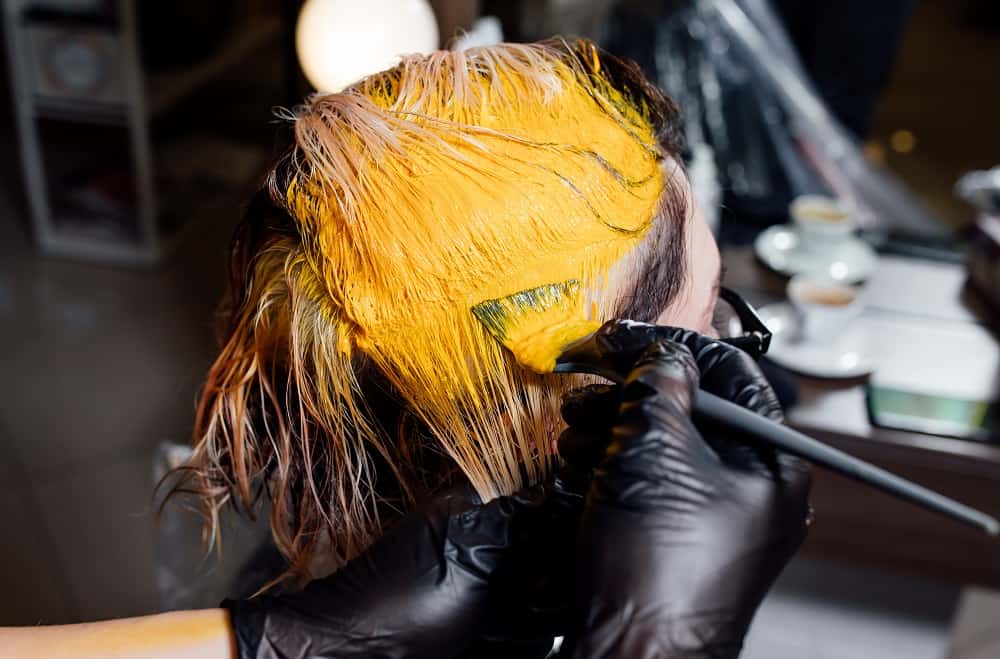
Depending on how dark the purple is, there are a few ways to correct the tone. While a gold-based toner or gloss can help neutralize a light purple tint, remember that you cannot use traditional hair dye to physically remove or lift the purple color from your mane.
Yellow and violet are opposing tones, but a yellow-based toner does not automatically turn dark-purple hair into a predictable brunette. Starting depth, pigment type and color history matter; have a colorist assess the correction rather than adding yellow or another dye by a universal recipe.
The worst-case scenario is attempting to layer more permanent box dyes at home to fix a mistake. That can result in severe damage or a muddy color that requires a highly expensive ($200+) salon color correction. If in doubt, stick to temporary toners or see a professional.
When considering using toner, toner is best for light purple tones or after you’ve already faded the purple. For very dark purple, fade or lift first, then use a correcting tone.
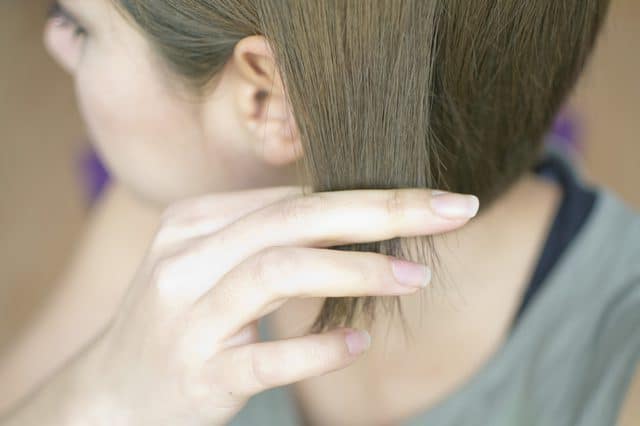
You can also choose pigmented conditioners with a brown pigmented shade if your box dye turned your hair into a very light purple color. An effective clarifying shampoo can also help fade your hair color if it turned into a very dark purple.
Another Option to Fix Your Purple Hair and Make It Brown
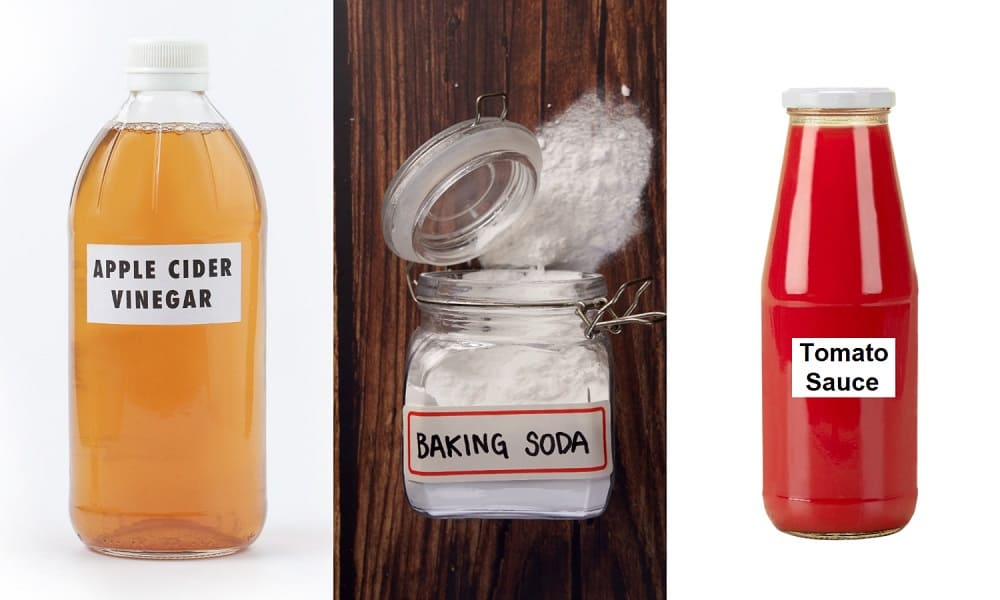
If your hair turns purple after dyeing brown, you can take other key steps to fix this problem and change your locks’ color. Here is one more reliable option:
Using a Commercial Color Remover
For blue-violet or stubborn purple tones, a commercial hair color remover is usually a better option than messy home remedies. Use it as directed, then follow with a clarifying shampoo (if needed) and a deep conditioning mask.