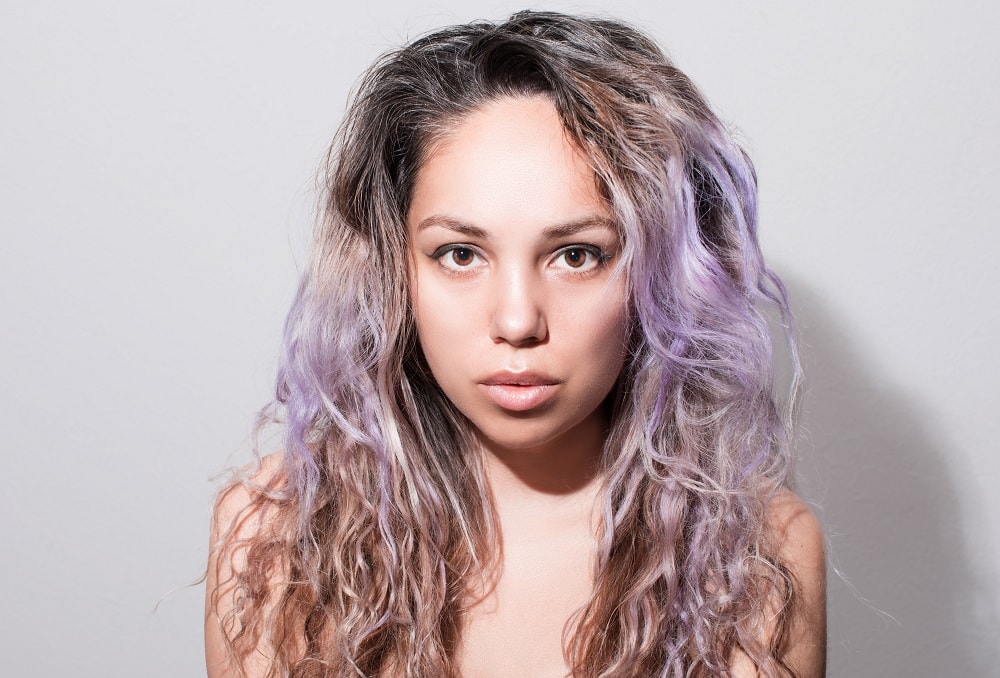


Hair turning pink after bleaching and toning usually happens for two reasons.
Hair that looks purple after toning has a different visible cast from pink hair, so identify the actual result before choosing a correction.
The first reason is hair porosity. Bleached hair is highly porous, causing it to soak up toner quickly and unevenly. If it absorbs too much violet pigment, the blonde hair color can shift toward a pinkish tone.
The second reason is the underlying pigment. Bleach lifts dark hair color through warm stages of red and orange before reaching yellow.
Purple toner neutralizes the yellow tone, not red or orange. If purple toner is applied to neutralize light red or reddish-orange tones on hair, the hair turns pinkish.
Most of the time, pink hair after bleaching is reversible at home. In this article, we will explain how to effectively remove the pink shade.
Senior stylist Emma Baxendale of The White Room cautions against automatically using more bleach when hair turns pink:
“Trying to remove pink from the hair isn’t always as straightforward as just bleaching it out. With direct dyes and colors that sit closer to the outside of the hair, bleaching can actually make it brighter instead.”
Emma describes cleansing as the first step before considering further color correction:
“The best idea is to cleanse as much out as possible with a detox shampoo; if that is not enough, a gentle bleach wash can shift some of the pigment, and then go in with a new toner that has some green pigment in it to cancel out the pink.”
Quick Action Plan: Fix Pink Hair After Bleaching+Toning
- Start with Clarifying Shampoo: Use a clarifying shampoo first to lift surface residue and toner buildup.
- Try a color remover: If the pink does not move, a dedicated color remover made for deposited dye is the next gentle step.
- Check for minerals: Use a chelating shampoo if you suspect hard water, pool minerals, or product coatings are affecting the tone.
- Bleach wash (last resort, in the salon): If the washout methods fail, the strongest fix is a diluted bleach wash. A colorist considers it only after assessing the stain, your color history, and your hair’s condition, using a product system that permits the technique, and watches it minute by minute. It is the one step on this list that belongs in a licensed colorist’s hands.
- Tone strategically: Pink is a diluted red. Red is neutralized by green. Use a soft mint green toner, dilute if needed, and go slow.
Fixing Hair That Turned Pink After Bleaching
#1. Washout Methods: Clarifying, Color Remover, & Chelating Shampoo
Safety Advice
- Do a strand test. Use a small hidden piece of hair first before any remover, toner, or bleach.
- Do a patch test for toners and dyes. Follow the safety steps described by the FDA here: Cosmetics Safety Q&A: Hair Dyes.
- Watch for allergy signs. Itching, swelling, or a rash can happen with hair color products. See NHS guidance here: Hair dye reactions.
- Do not bleach on an irritated scalp. Bleach can cause serious scalp injury, including chemical burns.
- Stop if hair feels gummy or stretchy. That is a sign of major damage. A pro colorist is the safer next step.
The best method depends on how strong the pink looks. If it is very light, a clarifying shampoo may be enough.
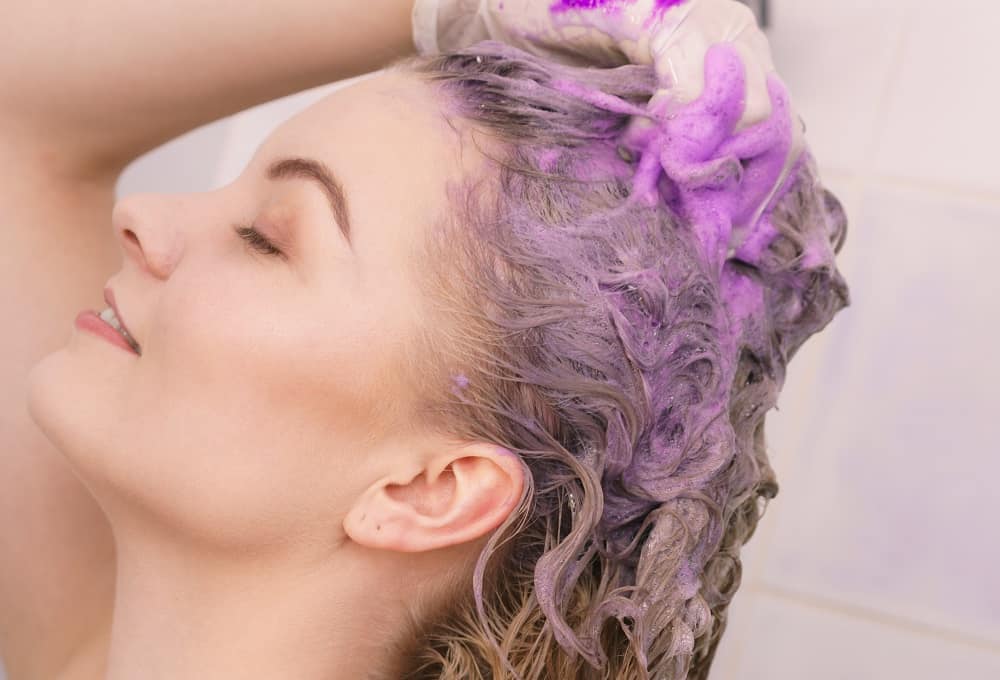
Clarifying shampoo helps lift residue and product buildup. If the pink came from a color mask, a tinted shampoo, or heavy styling products, this step can fade it fast.
Clarifying shampoos can also fade your dyed hair color. So, if only part of your hair turned pink and the rest is normal, be careful with how you apply it because it can change the color of your hair dye. Applying it only to the pink patches, as a spot correction, keeps the rest of your color safe.
It is not always dye, either; Emma has watched pink arrive mid-appointment: “I have had a client’s hair turn pink in the foil while I was highlighting it. It was overused purple shampoo: the bleach lifted some of it out, and there was such a buildup on the hair that it turned pink. That is easily fixed by spot-correcting those areas with a toner that has a little bit of green in it.”
Do not use a clarifying shampoo like a regular shampoo. It is meant to remove product buildup and can leave hair feeling dry if you overuse it.
If clarifying shampoo fails to shift the pink, try a dedicated color remover next. Pink hair after bleach is often leftover semi-permanent dye or a stain from color-depositing products, and removers made for deposited dye can shrink that stain without lifting your natural base the way bleach does. Follow the label exactly, including its strand test, and finish with a deep conditioner.
Important note
Bleach does not “reveal” pink pigment in natural hair. Natural hair lifts through warm stages like red, orange, and yellow. If your hair turned pink after bleaching, it is usually a stain from old dye residue, color-depositing products, or minerals and coatings on the hair.
If you suspect hard water or pool mineral buildups turned your hair pink, use a chelating shampoo. Chelating shampoos target mineral buildup, which can also shift tone and cause odd stains. This is different from a basic clarifying shampoo.
#2. Bleach Wash (How Colorists Do It)
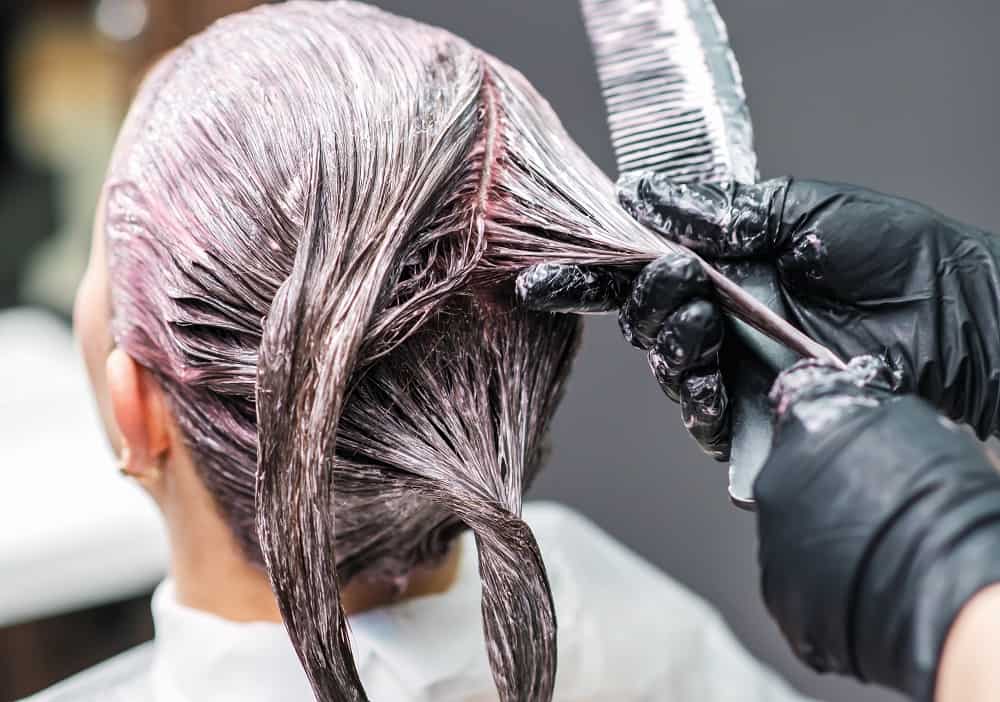
If previous washout methods fail, the fix that finally works is the bleach bath (aka soap cap) method, done in the salon.
Warning
A colorist will not touch compromised hair. These are the two checks that come first.
- The Elasticity Test: A wet strand that stretches like gum and then snaps means the hair cannot take bleach that day. A good colorist checks this before mixing anything.
- Your Color History: Tell your colorist about every henna, “progressive” dye, or other color in your history. Hair carrying metallic-salt or compound henna must not be bleached, and no strand test overrides that. If the product history is unknown, the bleaching plan waits until the ingredients and compatibility are established.
Expect a good colorist to refuse back-to-back bleaching. Bleach is harsh on hair, so the standard is to wait at least 2 to 4 weeks, spend that time on moisture and gentle care, and go again only if a fresh strand test shows the hair is still strong. Any repeat pass stays on regrowth or the stained sections only, never over freshly lightened hair.
The bleach bath method removes stubborn stains from hair. It is milder than a full bleach application because it is diluted with shampoo.
Here is what the appointment looks like:
The wash is a salon formula: lightener heavily diluted with shampoo so it shifts the stain gently, mixed to the product system the colorist uses; our bleach bath guide explains how pros run it. Your colorist mixes it fresh and keeps it off your scalp and skin.
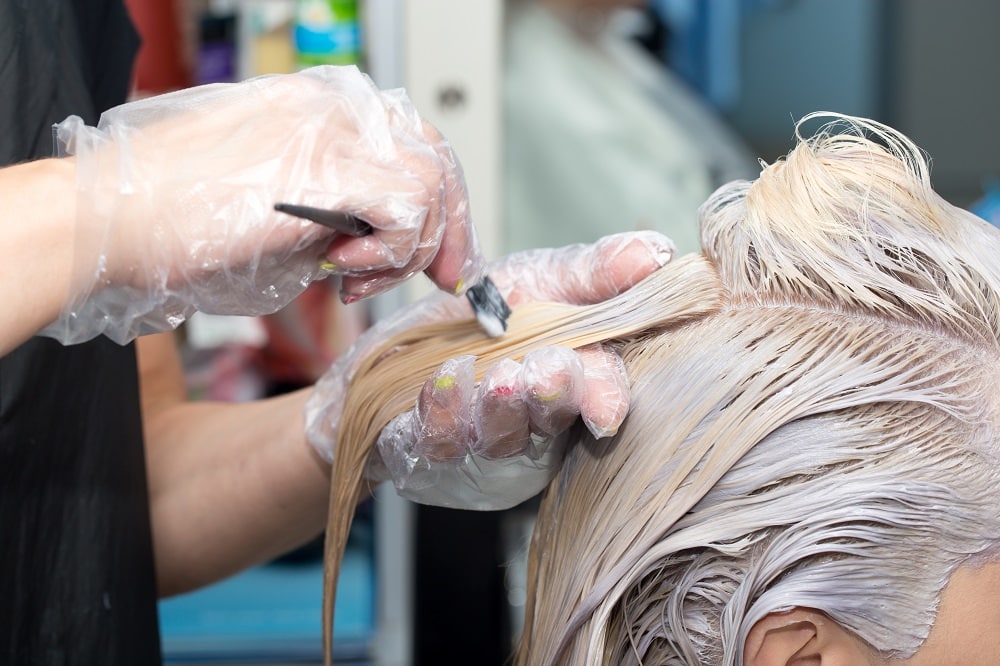
It goes onto damp hair fast, like a shampoo, focused on the pink areas, and it stays under watch the entire time.
It comes out the moment the pink fades, on the colorist’s watch rather than a fixed clock, and the visit ends with a deep conditioner. If you book one thing for stubborn pink, ask for exactly this.
#3. Tone the Pink Out
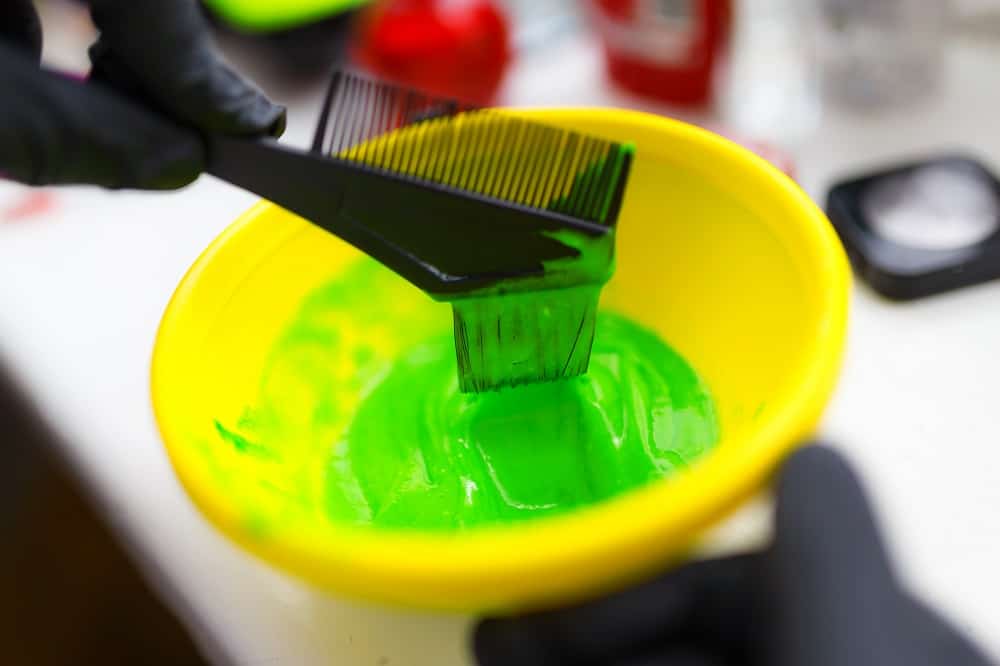
If you still see a pink cast, toning can help. Pink is a diluted red. In color theory, red cancels with green. For pale pink, a soft green, often called mint, tends to work best.
Be careful with strong green products. On porous hair, a heavy green can turn the result muddy or gray. A safer approach is a direct color-depositing product made for correction, used exactly as its label directs. Mix it with conditioner only if its manufacturer permits that, never with an oxidative toner, and do a strand test first.
If you have a lot of pink to neutralize, you may want a green-based dye or a green toning shampoo. Apply it to damp hair. Rinse early if the tone shifts too far.