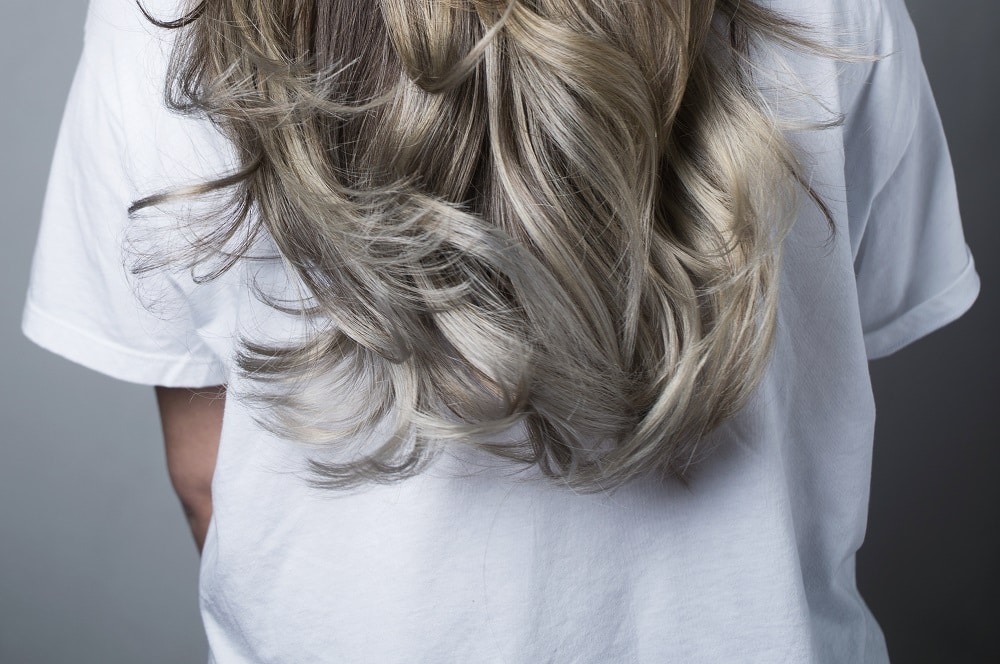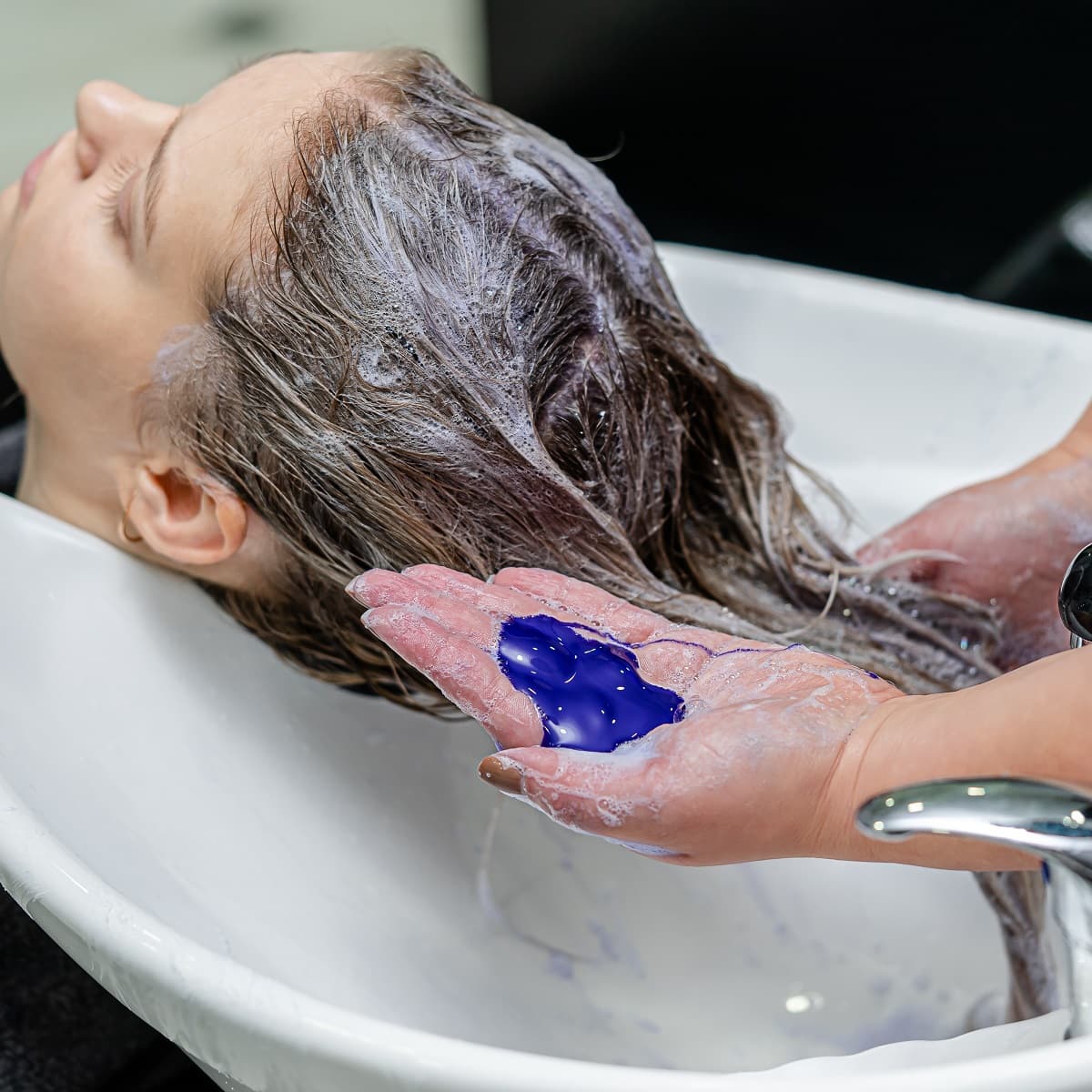


Purple shampoo is a popular hair product for those maintaining their hair dye at home.
It is easy to use and effective for neutralizing yellow undertones, but sometimes hair turns purple after toning with purple shampoo.
Learning the reason behind this color change can help you fix the problem and avoid it in the future.
Why Did My Hair Turn Purple After Using Purple Shampoo?
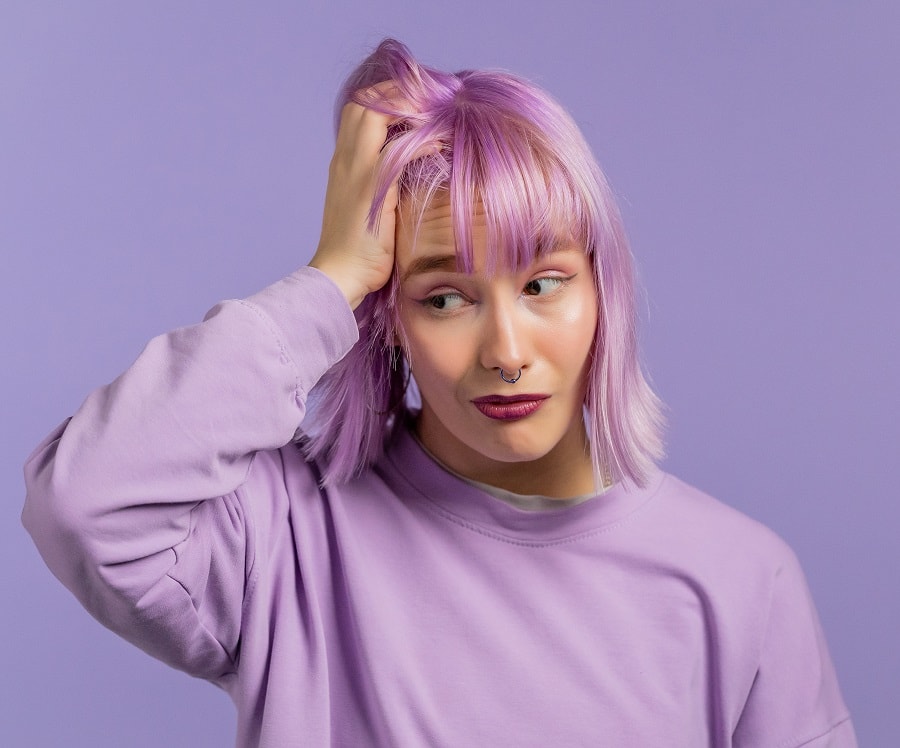
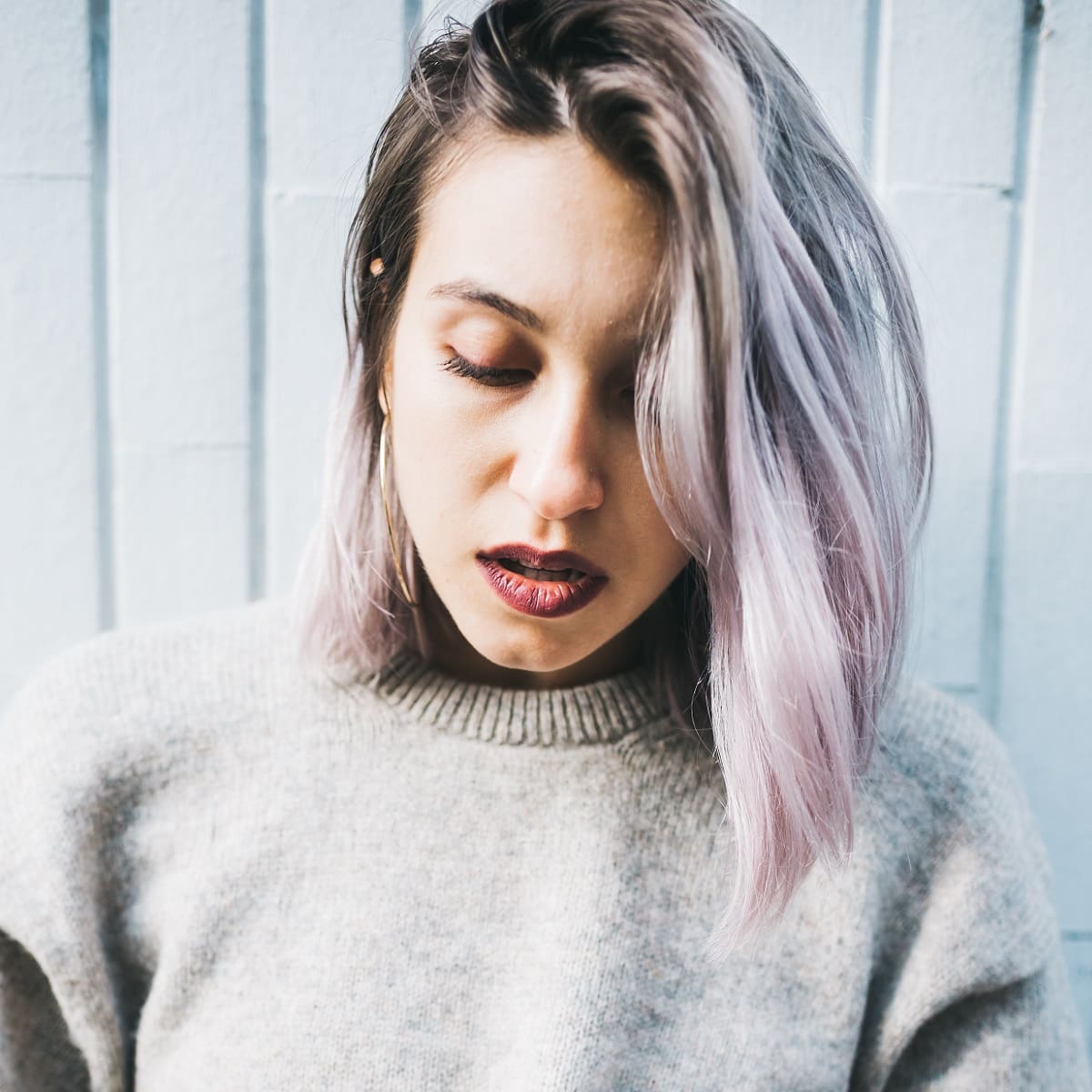
Your hair can turn purple if the purple shampoo leaves too much violet pigment on hair after use.
This problem typically occurs after you make one of the four most common mistakes:
- You overused it.
- You applied it incorrectly.
- You used it on the wrong hair type.
- You chose the wrong purple shampoo.
Overuse
Purple shampoo reacts differently on various hair types. Unfortunately, this makes it challenging to know how much to use. Overuse results in darker, duller, and even purple hair.
Typically, purple shampoos are not replacements for daily shampoo. If you used it several times a week or daily, overuse was likely the cause of your purple hair.
Expert Note | Yashandeep Kaur
Using purple shampoo cautiously can help prevent violet tones. Applying coconut or argan oil 30 minutes before using purple shampoo can help protect hair from dryness and reduce staining.
Incorrect Application
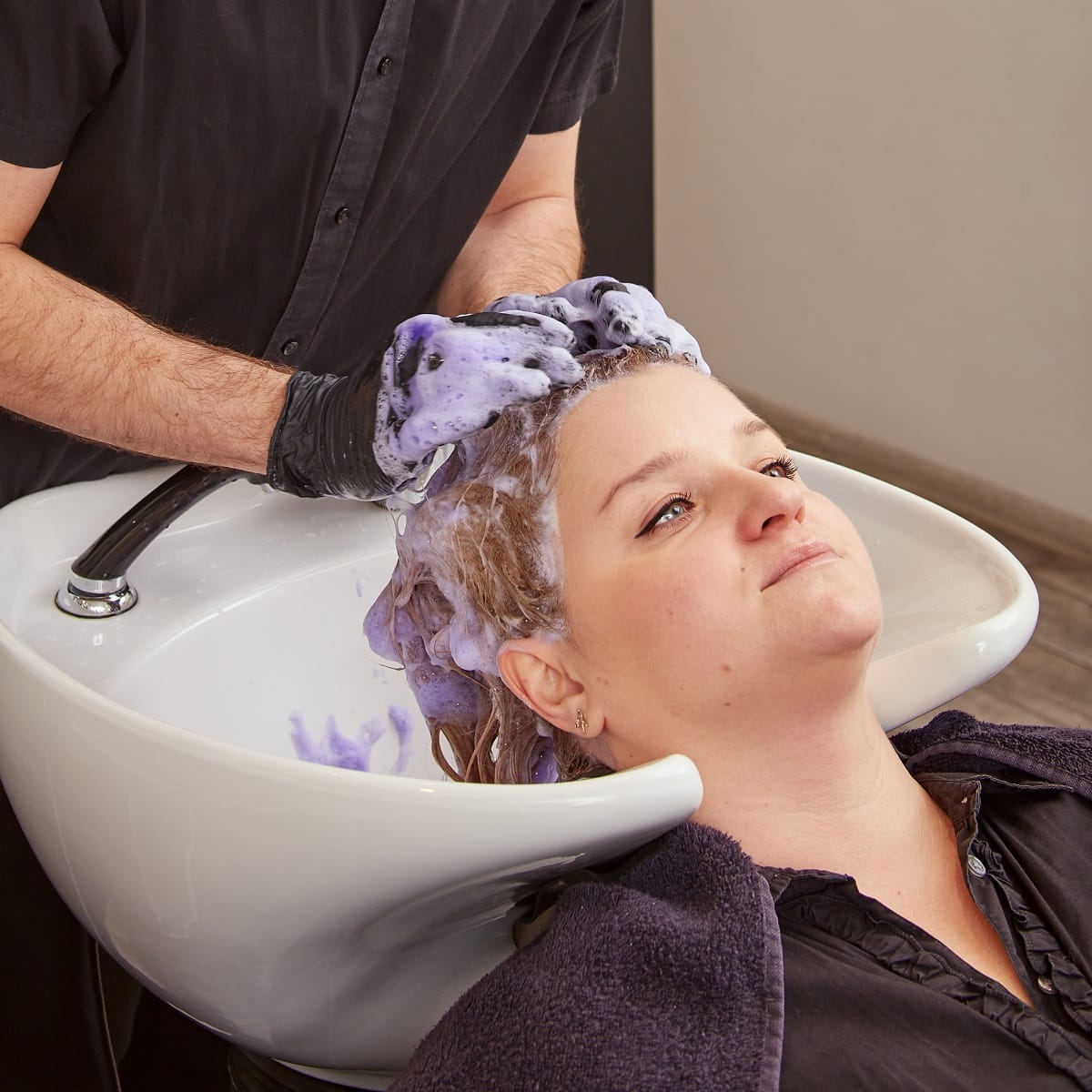
If purple shampoo turned hair purple, you could have let the purple shampoo sit in your hair for too long. Providing it with too much time to set can result in staining before you even rinse it.
You should only leave most purple shampoos in your hair for two to five minutes. However, the product can still stain your hair if you only use it for two minutes. You must thoroughly rinse the shampoo out after each use.
You Have the Wrong Hair Type
Some purple shampoo brands use more pigments than others. While this works for many people, it can stain others’ hair types. Those with dry or damaged hair are more likely to encounter this dilemma.
Also, purple shampoo is ideal for those who dyed their hair a light color but not for those with darker hair.
You Have the Wrong Shampoo
There are three types of purple shampoo, and they are best suited for different situations.
- Highly-pigmented purple shampoo is designed for pre-toning and instant tonal deposit. It eliminates underlying warm tones.
- Silver toning for light bases is ideal for small silver shifts or eliminating brass. These shampoos are best for white or light hair.
- Shampoo that maintains and gently neutralizes can be used daily. It maintains blonde hair and eliminates yellow tones.
It is possible that purple shampoo turned your hair purple if it was not designed for your hair color.
Purple Shampoo Turned Your Hair Purple? Here’s the Fix
You can remove purple shampoo stains from hair with home remedies or hair products like:
Use Clarifying Shampoo
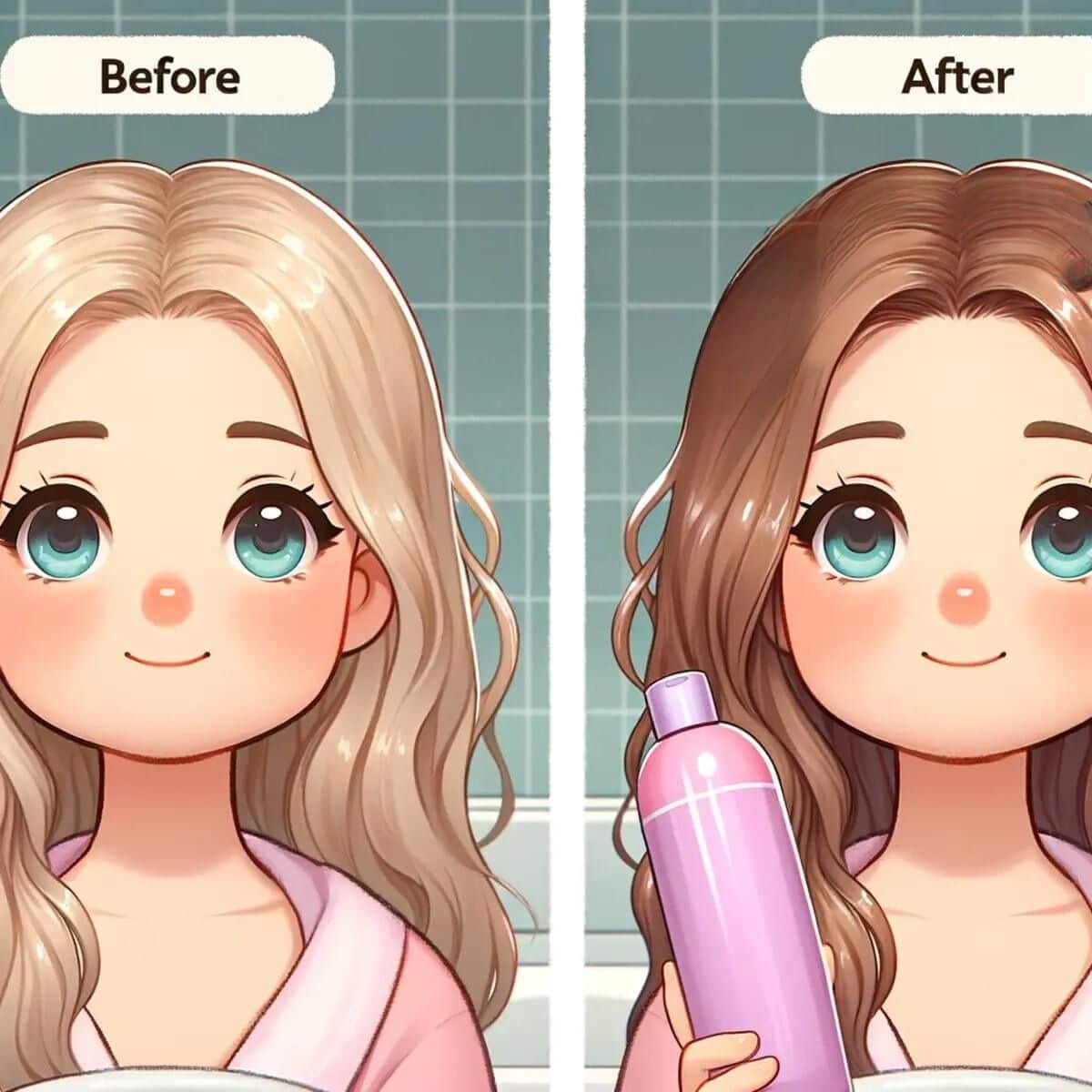
If purple shampoo turned your hair purple, use clarifying shampoo to reduce the number of purple pigments in your hair. Purple shampoo is not a permanent dye, so clarifying shampoo should have no trouble eliminating the stain.
This unique shampoo removes any buildup on your hair, from hair products to chlorine in swimming pools.
Overall, you can use clarifying shampoo almost the same as a typical shampoo. However, you must shampoo your hair two times and rinse it extremely well. The first time, it may not lather, but it should the following times.
After the first shampoo application, let the lather sit for 5–10 minutes to help remove the pigment, then rinse. Avoid leaving it longer to prevent excessive dryness.
Color Remover
Most people do not need color remover after purple shampoo turns hair purple, but it can help if you struggle to remove the purple pigments.
Unfortunately, some color removers can damage hair and shift its tone; stripper-type formulas contain bleach, while sulfur-based removers do not, so check the label before buying. Use it carefully and deep condition your hair when you finish.
Anti-Dandruff Shampoo Wash
Some people try this at-home method on stubborn purple stains. The anti-dandruff shampoo’s strong cleansing agents do most of the lifting, and results vary; a clarifying wash is what salon pros reach for first. The dandruff shampoo lifts the pigment molecules and rinses them away.
Here is how to do it:
Warning: Avoid dark-colored or tar-based dandruff shampoos.
Apply white dandruff shampoo (like Head & Shoulders) to damp hair and massage it to create a lather. Cover your hair with a shower cap and wait 20 to 50 minutes depending on the darkness of the purple stains.
Once you are done waiting, wash your hair with clean water. Shampoo your hair again with a mild shampoo and condition well.
Does Purple Shampoo Leave Purple Stain?
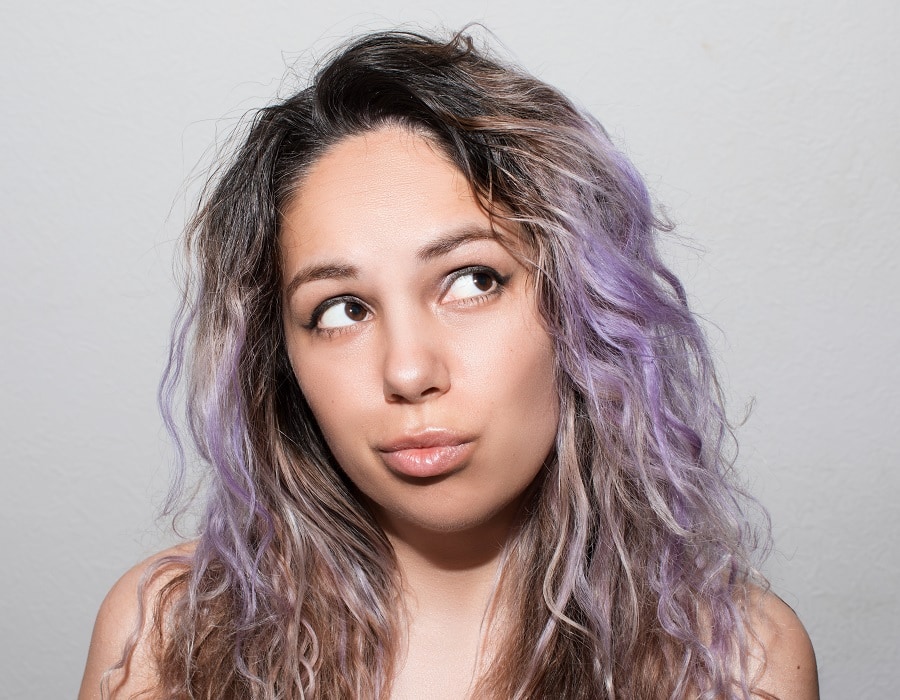
Purple shampoo contains violet pigments that can stain your hair or skin. It adds violet pigments to your hair, which can become apparent if you do not thoroughly rinse your hair or misuse the product. It can also cause product buildup, which can be difficult to remove.
Are Purple Shampoo Stains Permanent?
No, purple shampoo stains are not permanent. You can remove the purple hue by washing with a clarifying shampoo and applying hair masks. You can also apply oil to the ends of your hair to restore the natural shine and reduce any damage caused by the purple shampoo.
Purple shampoo is not a permanent dye, so it is easier to remove these purple stains from hair than it would be to remove purple hair dye.
Tips for Avoiding Purple Hair in the Future
The first step to avoiding purple hair is to read the label. You are far less likely to experience purple stains when you follow the manufacturer’s directions closely.
Continue to Use Your Normal Shampoo
Do not replace your typical shampoo with purple shampoo. Most days, you should continue to apply daily shampoo to cleanse your hair. Only use the purple shampoo once or twice a week.
Cut back on purple shampoo if you notice your hair changing color slightly.
Do Not Leave It in Your Hair for too Long
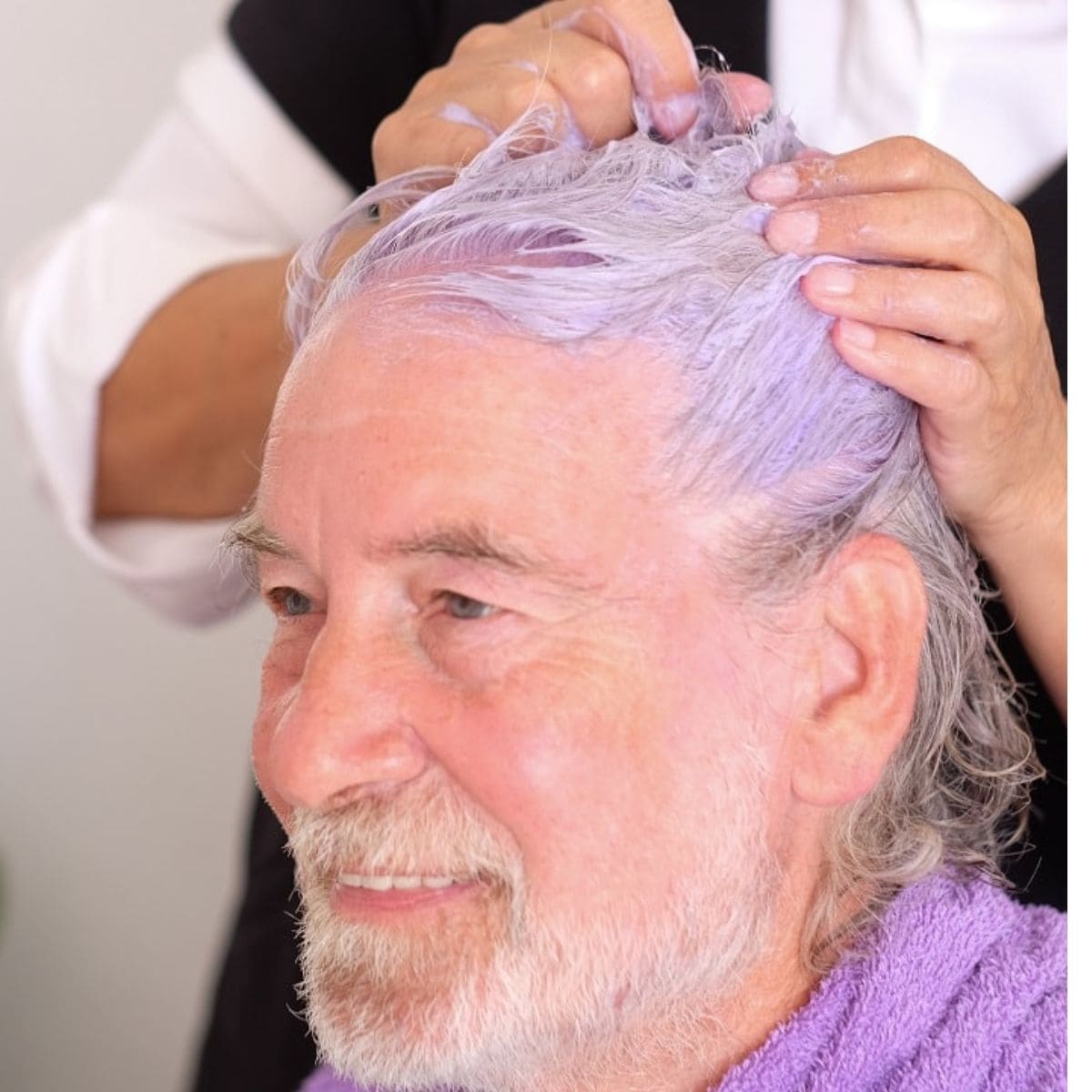
Most purple shampoos should remain in your hair for only two to five minutes. Allowing it to set for much longer gives the pigments time to settle into your hair.
Rinse Thoroughly
Always rinse all of the purple shampoo out of your hair. If you are not thorough, you may allow small amounts of shampoo to settle in your hair throughout the day.
Use the Right Shampoo
When you select the right shade of purple shampoo, it is less likely to turn your hair purple. Follow these guidelines when selecting purple shampoo:
- Those with highly porous gray, silver, or platinum hair should use light violet shampoos to avoid staining.
- Those with standard blonde hair can use a more pigmented purple shampoo.
Avoid Purple Shampoo on Darker Hair
Purple shampoo was designed to cancel yellow tones on blonde hair. It doesn’t cancel orange. On darker blonde shades under level 9, the violet pigment cannot neutralize orange brass and tends to leave a dull, muddy cast instead.