
Not all types of hair cutting scissors can do the same task or handle the same kind of hair. If you are building up your kit, there are many items to choose from, and the decision can be confusing. This guide will help you determine which styles will suit your needs for the best haircuts possible.
All Scissors Can Cut Hair, Right?
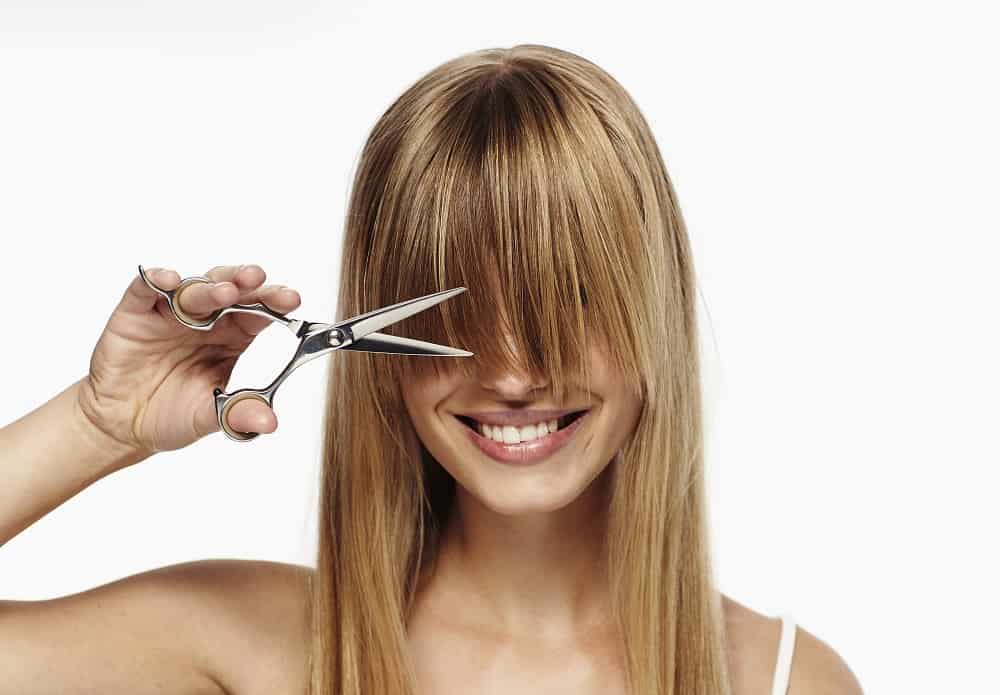
The difference is not marketing; it shows up on the hair itself.
Senior stylist Emma Baxendale has seen exactly what the wrong pair leaves behind:

The difference between proper shears and household scissors is huge. Household scissors are not designed for hair: the edges are blunt and rough rather than sharp and finely aligned, so they crush the hair before they cut it.
On the hair I see broken, uneven cuts, large amounts of split ends, and wobbly lines from blades with dents and nicks. Proper shears create smooth, clean lines with no damage, and far more precision.
You do not want to use hair cutting scissors for odd jobs around the house or vice versa. Cutting hair with kitchen shears can damage your hair strands, and the only way to repair your locks will be to further cut back on the affected area.
Likewise, using hairdressing scissors for cutting up paper, wire, or other items will dull and damage the blades, making them ineffective for cutting hair later.
Different Types of Hairdressing Scissors
Now that you understand the need for special varieties of scissors for haircuts, we can dive deep into the different types of scissors for cutting hair.
If you are building up your tool kit or need to determine which scissors you need to cut hair, here is a list of some more popular choices in the market.
- Short-Blade Scissors
- Long-Blade Scissors
- Thinning Shears
- Texturizing Scissors
- Wide-Tooth Chunking Shears
- Swivel Shears
Each type of scissors will have its place in a hair salon, so knowing which one is best to use for different techniques and hair consistency is critical.
Short-Blade Scissors
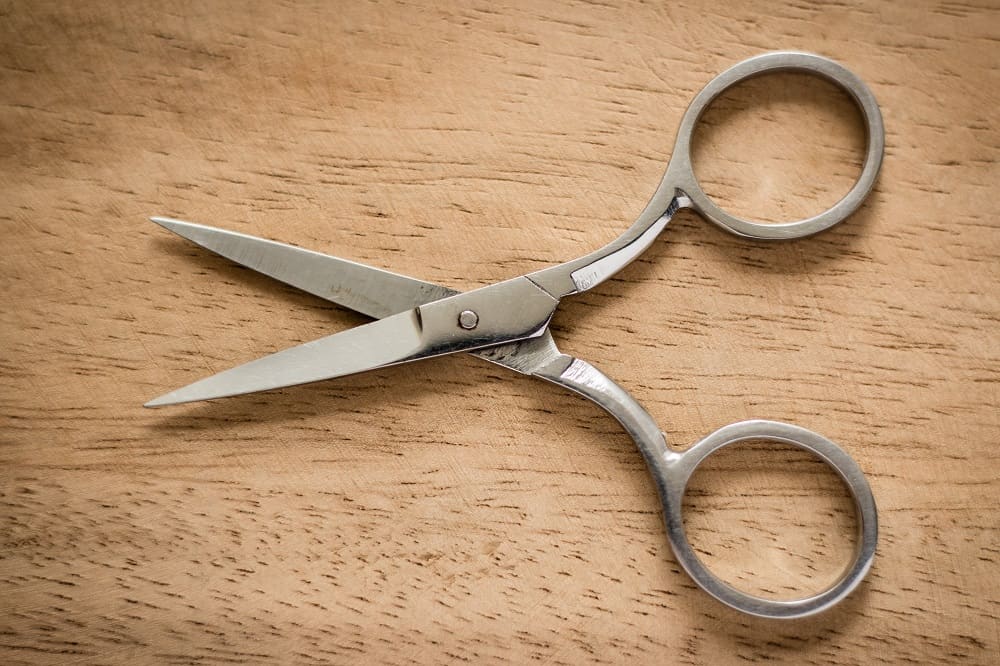
This model of scissors ranges in length from 4 to 5.5 inches. They are lightweight and easy to manipulate for long periods, helping to minimize fatigue.
Who Are They For?
Short-blade scissors are ideal for people with small hands or when working with small detailing styles. You will have more control with the smaller blades to ensure better detailing. You can use this type on any hair type, from thin to thick and any kind in between.
Long-Blade Scissors
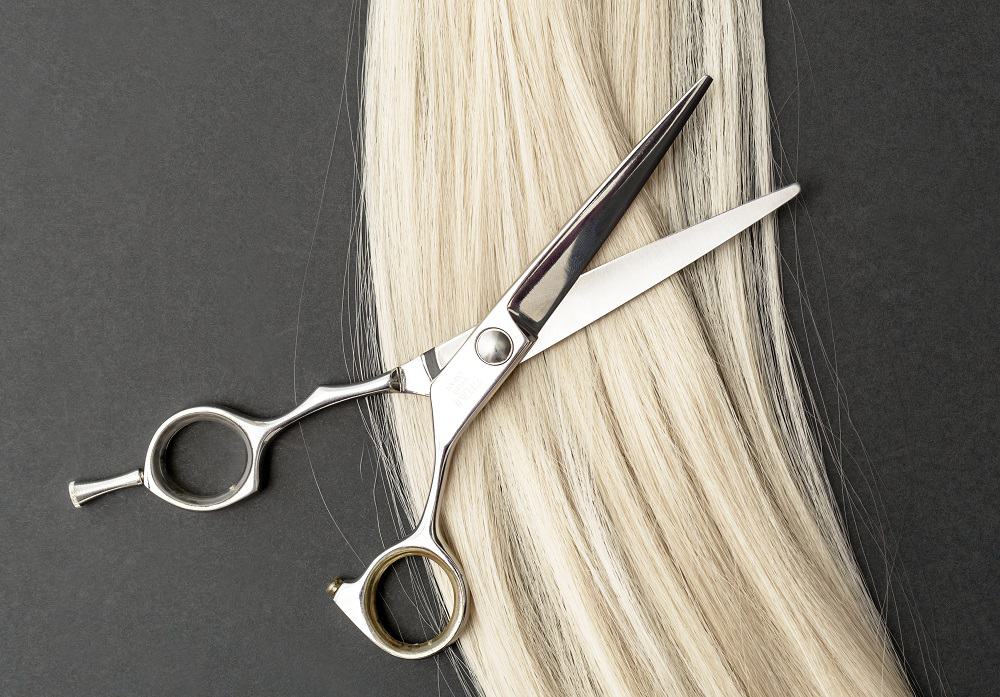
For hairstyles that require longer blunt cuts, a pair of long-blade scissors will do the trick. They range from 6 to 7.5 inches in length, helping to ensure a more even cut with blunt cutting techniques. These are the most common pair to start out with, and they handle most cuts well.
For home fringe trims, Emma’s buying bar is simple: “You do not need expensive scissors to trim your own hair, but you do need good-quality ones: a proper salon-brand pair rather than the cheapest thing online. They cut clean, they last, and your stylist will happily recommend one. Never craft scissors and never kitchen scissors; they are made for card and paper, not hair, and they only cause damage and uneven cuts.”
Who Are They For?
Barbers frequently have long blade scissors for over the comb techniques, which require an extended, straight edge cut. These scissors will weigh more but provide precise edges on greater lengths. They are perfect for any type of hair, including coarse, wiry, and fine.
Thinning Shears
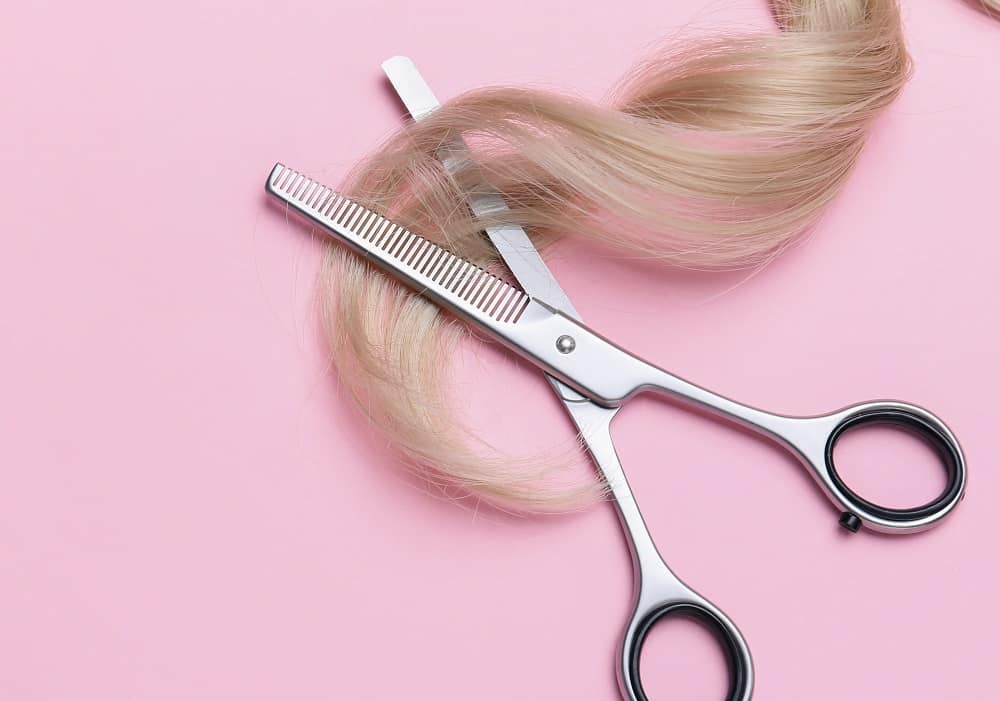
These shears have a set of small, sharp teeth on one blade edge that help to thin out sections of hair quickly with one cut. You can find them with 25 to 50 teeth, depending on the size and model. They are designed for removing weight and adding texture toward the end of a cut, making a style more manageable with a softer look.
Who Are They For?
They are perfect for people with coarse or thick hair who can benefit from thinning out bulky hair. Thinning shears help reduce weight overall, making the haircut easier to style and manage. Thinning shears are not for anyone with naturally curly or wavy hair.
Texturizing Scissors
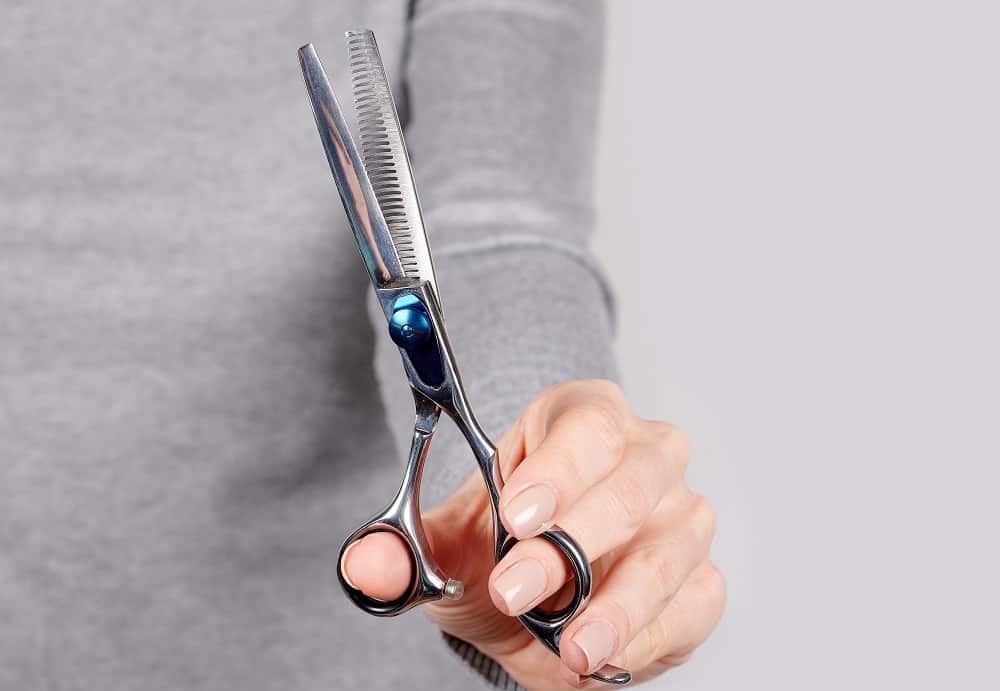
Although texturizing scissors cut away hair much like thinning shears, they include fewer, wider-set teeth for a more drastic look. In addition, this pair of scissors will add volume and texture to styles by making more blunt cuts throughout the hair. Because each cut removes a larger chunk, a wrong move with these reads as a gap in the hair.
Who Are They For?
Anyone who wants to add volume and texture to a hairstyle can benefit from using texturizing scissors. This hairdressing tool will also remove sections of hair to thin out thick and bulky weight, but its purpose is to add volume and movement. Texturizing scissors are not tools that you should use with curly or wavy hair.
Wide-Tooth Chunking Shears
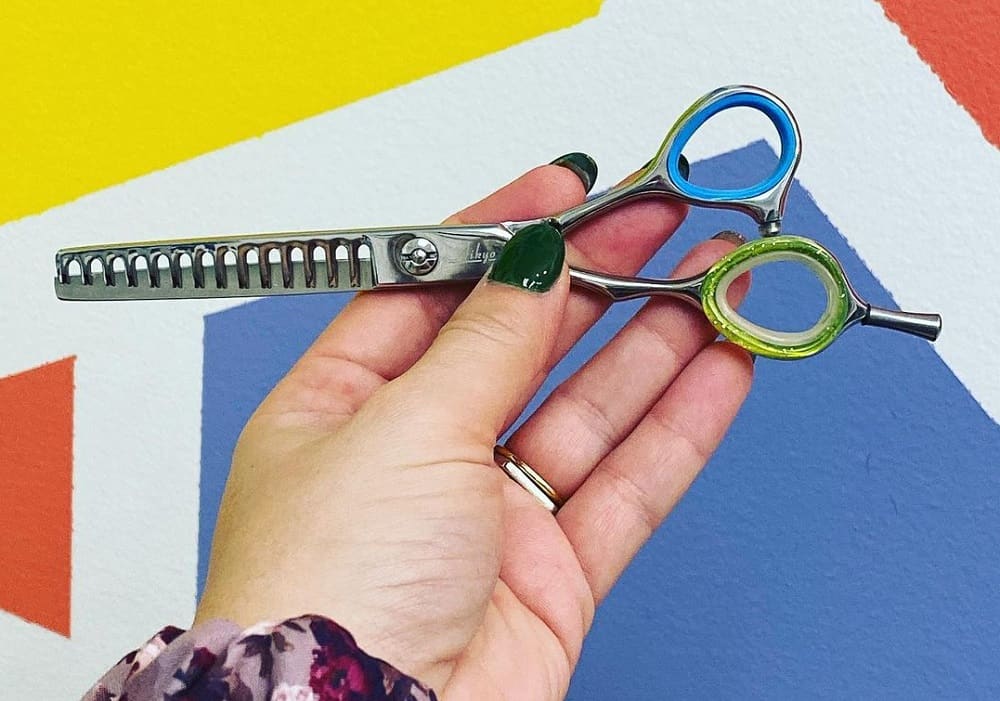
These are among the most commonly used hair cutting scissors out there. They give you exactly what the name says: wide-tooth chunking ability. The fewer teeth available in a pair of shears, the more hair they cut out at once. Wide-tooth chunking shears will provide a dramatic chunking look to any style with their 10 to 20 wide teeth.
Who Are They For?
Removing large sections of hair is best done with wide-tooth chunking shears. You will save time with this tool rather than going over the same area of hair with a thinning shear or texturizing scissors. They work great on all types of hair to give a more dramatic cut, but they demand the most expertise of any shear here: used wrong, they bite visible chunks out of the length and leave gaps.
Swivel Shears
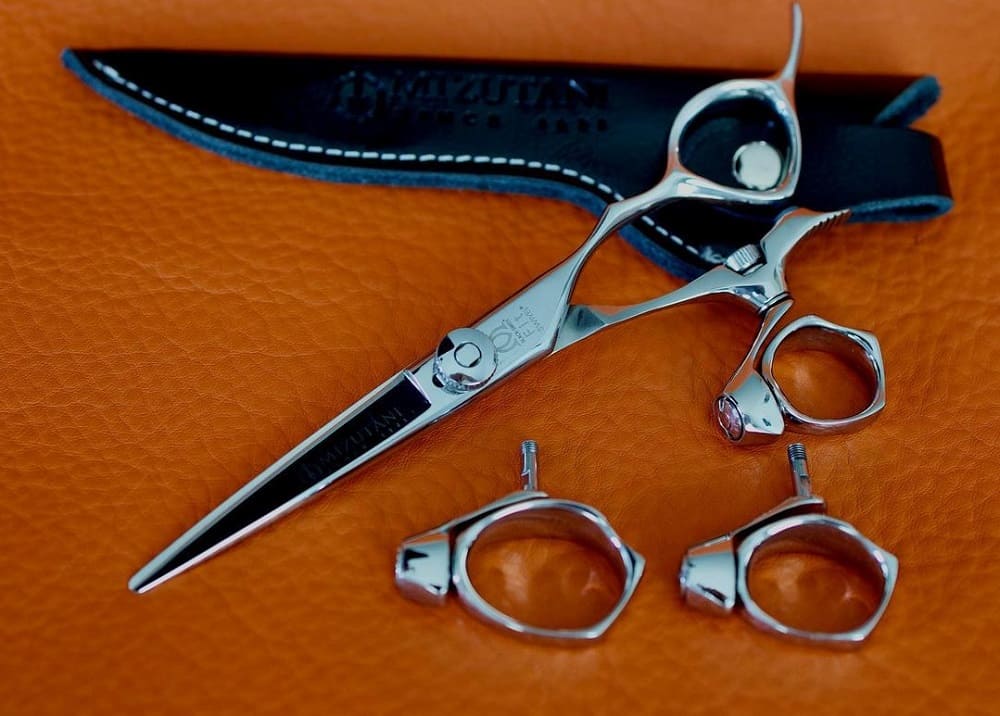
For anyone spending a long time cutting hair, swivel shears are a must. Classic models keep your fingers in place, causing fatigue and cramping after a while, while swivel shears help eliminate these side effects. The thumb ring swivels to accommodate natural hand movements and avoid discomfort from prolonged use.
Who Are They For?
Anyone who spends a long time using scissors will appreciate the versatility of swivel shears.
Scissor Handle Types
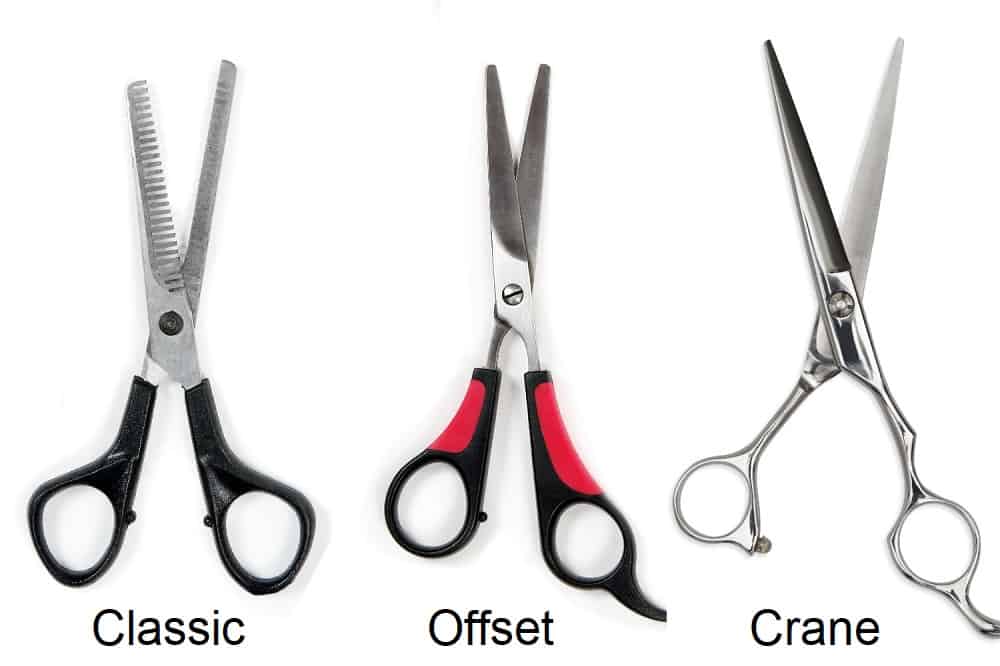
While there are many styles and models of scissors to choose from in the market, you will find only three types of handles when exploring haircutting tools. Therefore, it will benefit you to research these handles to see which will best fit your hand and methods.
- Classic Handle: Flat level where both finger rings line up with one another
- Offset Handle: Slight offset level where bottom finger ring doesn’t line up with the top one
- Crane Handle: Straight blade with the bottom finger ring angling down providing the best ergonomics
A Cut Above the Rest
Finding the perfect types of hair cutting scissors to use on hair will make all the difference in how easy it is to cut. Without the right tools, you will not get the straight edges you want or the texture you need in a hairstyle. Also, remember that not all scissors are created equal, and you will need various types of hairdressing scissors for alternate hair types and hair lengths.