

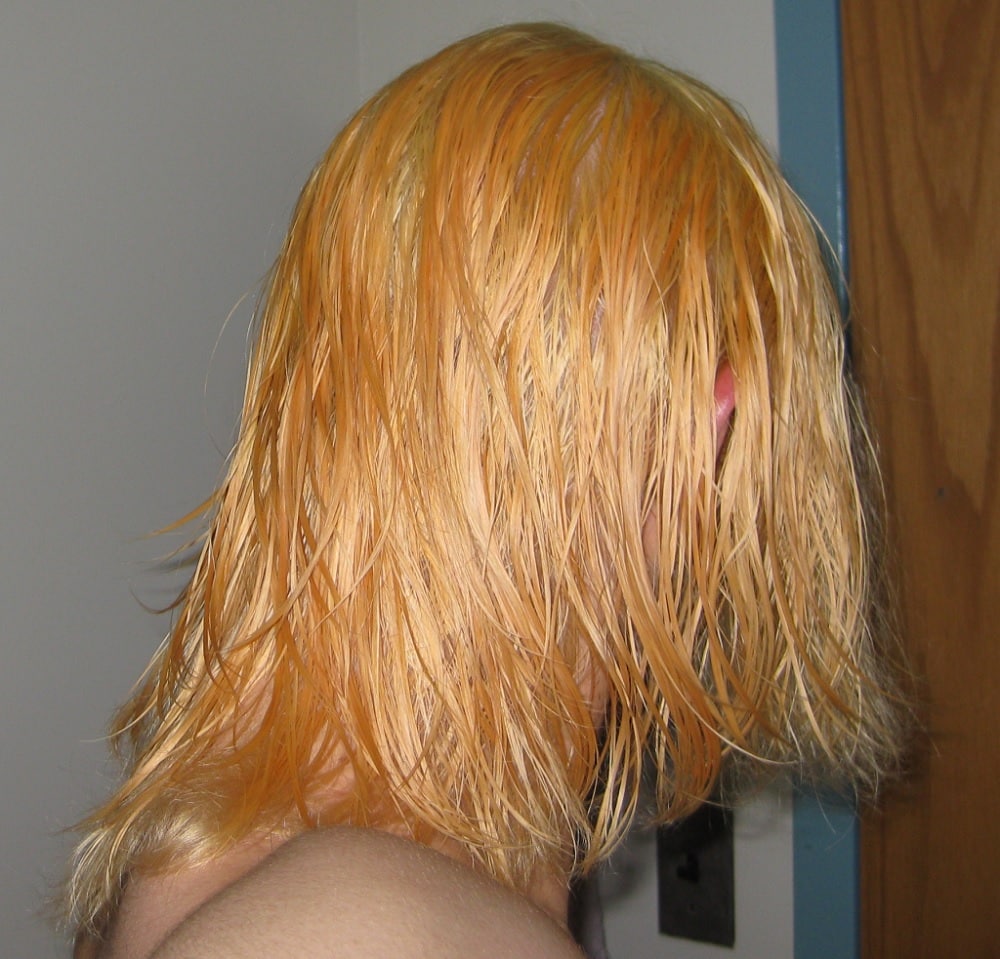
If you have naturally dark hair and want to go blonde, bleach is usually part of the process. But sometimes, even when you follow the steps carefully, your hair lifts to orange instead of a soft, clean blonde.
It can feel frustrating, especially when the color looks patchy or uneven. Still, orange hair is very common during the lightening process. It usually means your hair has not lifted enough yet, or it needs the right toner to balance the warmth.
The good news is that orange hair can often be corrected. Some fixes are safe to try at home, while others are better left to a professional colorist. The key is to choose the right next step so you can correct the tone without causing more damage.
Warning and safety advice
If you feel strong stinging or burning while a chemical is on your scalp, rinse right away. Get medical advice if it does not settle. Dermatologist safety guidance.
Always do a skin patch test before any dye or toner. Follow the product directions. FDA patch test steps.
If you get a rash, swelling, blisters, or trouble breathing after hair dye, seek urgent help. NHS signs and what to do.
Senior stylist Emma Baxendale sees this exact panic in her chair every week, and she starts with a hard truth:
Clients often try using a blue/purple shampoo to ‘fix’ orange hair that is just not light enough to work on or use a toner that is very ash to neutralise the orange and just end up with brown/muddy coloured hair. If the hair is orange, not yellow, the hair needs another lightening session.
Why Does Bleached Hair Become Orange?
Bleach removes pigment in stages. On dark hair, the warm pigments often show up first. That is why hair can look orange before it looks blonde.
Hard water and product buildup can also make brassiness look stronger. In most cases, what you need next is tone correction, not a new “hack.”
Fixing orange hair involves neutralizing the pigments. On a color wheel, blue tones help cancel orange tones. That is why blue based products can help.
Fighting Orange Hair Color With a Toner
A toner is a color correction step. It is not a conditioner. It is meant to shift the tone, not to “heal” the hair.
Before you reach for a toner, hear Emma's warning:
Orange in hair can not be fixed with a toner, you will need another lightening session to give a light enough level of lift, which needs to match the level of lift and tone on the ends. If the ends are lighter than the roots, then the roots will need to be matched to that, creating a clean canvas for overall toning and future lightening.
If your hair looks orange, look for a toner with blue or ash undertones. If your hair looks yellow, look for a toner with violet undertones. Use a toner once, then reassess the next day in natural light.
Important: “Blue shampoo” is for maintenance. A “toner” is for correction. They are different products with different strengths.
Using a Demi-Permanent Toner (Safer Than Box Dye)
Skip box dye on freshly bleached hair. A better choice is a demi-permanent toner made for color correction.
- Pick a demi-permanent toner that targets orange (blue based) or yellow (violet based).
- Use the developer strength listed on the toner instructions. Do not guess.
- Do a strand test first so you can see the result and timing.
- Apply evenly. Rinse when the tone looks right. Then condition well.
When You May Need a Second Bleach Session
Sometimes orange means the hair is not lifted enough yet. If you need to bleach again, professional stylists often recommend waiting 3 to 4 weeks. This gives your hair time to recover between sessions.
Emma again, on the moment a second session becomes non-negotiable:
If the hair is bright orange you will always need another lightening session to reach a level 9-10 yellow. Toning an orange base will only make your hair colour feel darker and more brown, rather than blonde.
Bleaching too soon, or overlapping bleach on already lightened hair, raises the risk of severe breakage and a “gummy” feel. This study shows how excessive bleaching can damage the hair surface and structure: comparative analysis of excessive bleaching.
A Safer DIY Gloss Mask (Color Depositing)
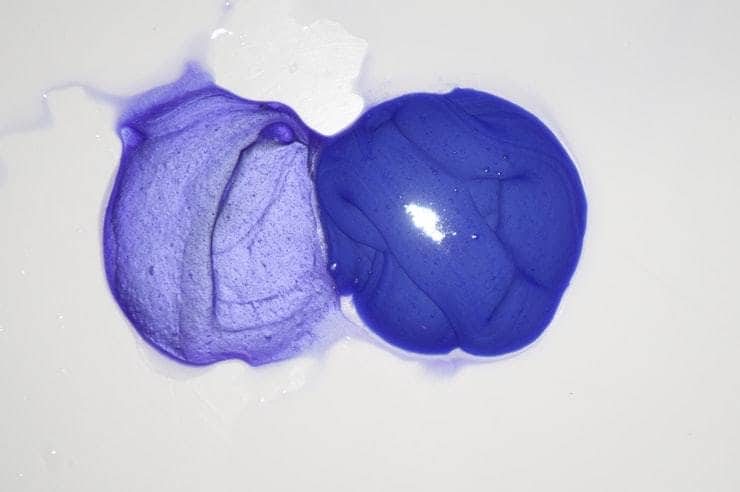
If you want a gentle at home option, try a color depositing mask. This is not the same as bleach or toner. It adds a small amount of pigment and can soften brassiness.
- Mix a small amount of semi-permanent blue hair dye into a plain white conditioner.
- Apply to damp hair. Focus on the warm areas.
- Leave on for 5 to 10 minutes. Rinse well.
- Wear gloves. Protect towels and clothing from stains.
Washing Your Hair With Blue Shampoo
Another smart way to soften orange and yellow tones is to use the right shampoo. Buy a blue or purple shampoo based on your tone.
Use it instead of your regular shampoo. Lather it in and let it sit for 3 to 5 minutes. Rinse, then follow with a deep conditioner or mask.
Most people use a toning shampoo every 2 to 3 washes. If your hair feels very dry, start once a week and adjust from there.
Do not leave the shampoo on for too long. Stick to the timing on the bottle.
How To Avoid Orange in Your Hair
To lower the chance of orange tones, follow these basics:
- Use a quality lightener and follow the instructions. Do not “eyeball” the mix.
- Protect hair from sun and chlorine. Both can push warm tones.
Fixing orange tones is often possible. Prevention is still easier than repair.
1. Don’t Skip The Strand Test
A strand test shows how your hair will lift and how it will tone. If the test strand looks warm, plan to use a toner after bleaching or to use the right toning shampoo for upkeep.
2. Don’t Forget About Toner
Even if your lift looks good, toner can help you land on a cleaner blonde. Use the right undertone and do not overprocess.
3. Don’t Rush a Second Bleach
If you need more lift, wait 3 to 4 weeks before you bleach again. Focus on care in the meantime. If the orange is very patchy, a colorist can fix it faster and with less risk.
We hope you use our advice to get the orange out of blonde hair and enjoy the color you want. Lightening hair takes patience. The safest plan is slow and steady.