


When it comes to toning your hair after dyeing, one of the most common questions people have is whether or not they should cover their hair after applying the toner. After all, you don’t want to end up with an uneven color or a patchy result.
Though covering your hair often has little effect on the toning process, whether you should cover your hair when toning depends on the toner’s formula. It’s confusing, right? Let us explain!
Do You Cover Hair When Toning It?
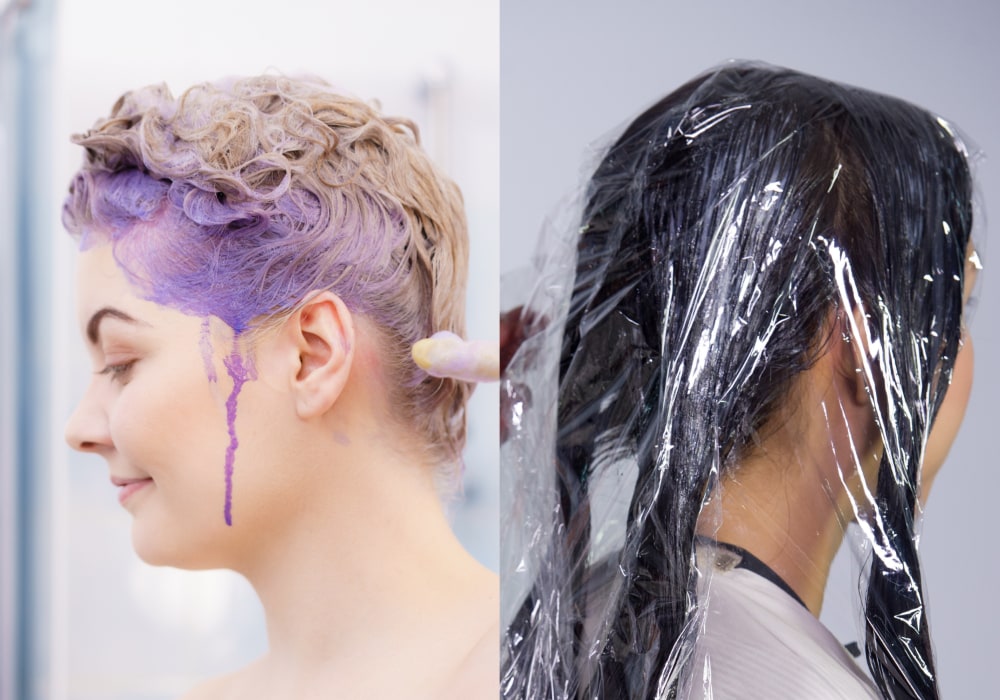
Covering your hair depends entirely on the type of toner you are using.
Senior stylist Emma Baxendale has never once reached for the cap:

Covering the hair when toning is not necessary. Toner penetrates enough and acts quickly; heat would just speed it up even more, which could result in the tone being too dark.
After bleaching, the hair is usually porous enough to avoid needing any heat. With toners only needing roughly 10 minutes of processing time, it's just not needed. I have not and will not cover a client's head when toning.
Toning shampoos and gloss toners are formulated to be gentle on your hair, but their strong pigments can still stain your hands and nails, so wearing gloves during application is recommended.
On the other hand, permanent toners contain ammonia and oxidative dyes, so it is worth being cautious if you have sensitive skin. Always perform a patch test 48 hours before full application. If your toner is mixed with a developer, avoid covering it with a plastic cap unless explicitly instructed by the manufacturer, as trapped body heat can accelerate the process unpredictably and cause uneven results or ‘hot roots’.
⚠️ WARNING: If your toner is mixed with a developer, do not cover your hair with a plastic cap. Trapped scalp heat can speed processing and cause uneven results or “hot roots.”
Different Types of Hair Toners
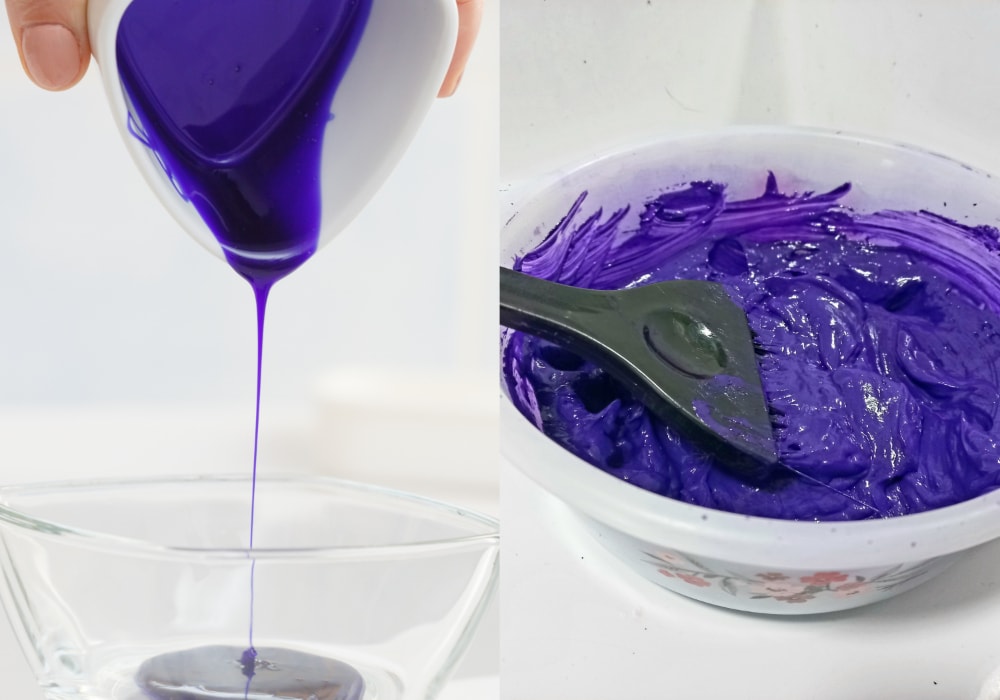
There are three main types of hair toners: permanent, demi-permanent, and semi-permanent.
Permanent toners deposit pigment on hair. This results in a long-lasting, vibrant color that can cover grays and enhance or alter the tone of your existing highlights.
Semi-permanent toners are less intense than permanent ones and contain no bleaching agents. They can lightly blend or temporarily stain gray hairs, but true gray coverage requires a demi-permanent or permanent formula.
Last but not least, there are demi-permanent toners. These are similar to semi-permanent toners but last longer and tend to cover gray hairs better.
Demi-permanent toners are better for covering grays because they contain a small amount of peroxide plus a gentle alkaline agent that helps open up the hair’s cuticle layer.
This allows the pigment molecules from the toner to enter the hair shaft and deposit color more evenly.
While choosing a toner, you should consider the results you want to achieve. Permanent toners are best for those looking for long-lasting changes, while semi-permanent toners are perfect for removing brassy tones.
How Long Should You Leave Toner in Your Hair?
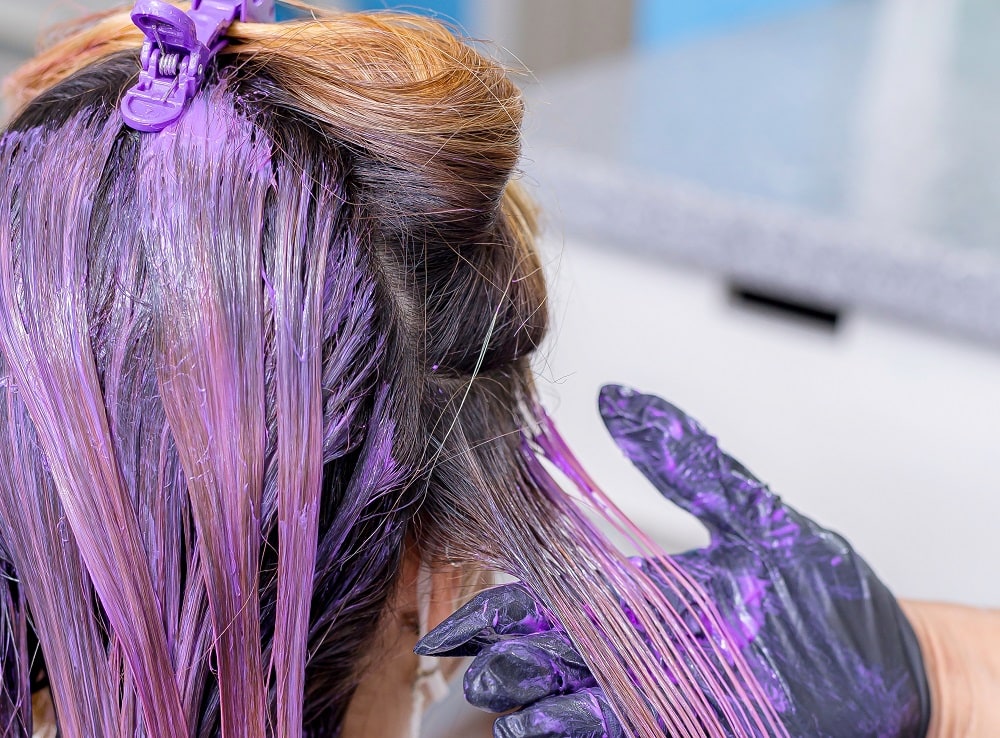
The amount of time that you should leave a toner in your hair depends on the specific product, but it generally ranges from 5 to 30 minutes. Never exceed the manufacturer’s recommended time, as prolonged exposure to oxidative agents can leave the hair dry, weak, and more prone to breakage.
Emma Baxendale says uneven toner results can come from application order:
“Something that will cause your toner to give uneven and unwanted results is applying it to the porous parts of the hair first. Always start at the roots and finish last with the ends; this prevents having dark ends and lighter roots.”
She also discusses preparation when porosity could cause uneven absorption:
“If the hair is porous enough that it could suck up tone unevenly, doing a condition before toning, or an Olaplex treatment, can fill the hair and seal the cuticle to give an even result.”
If you opt for a semi-permanent toner, the recommended time could be anywhere from 15-30 minutes. Leaving semi-permanent toner in your hair for too long could cause the color to become darker than expected.