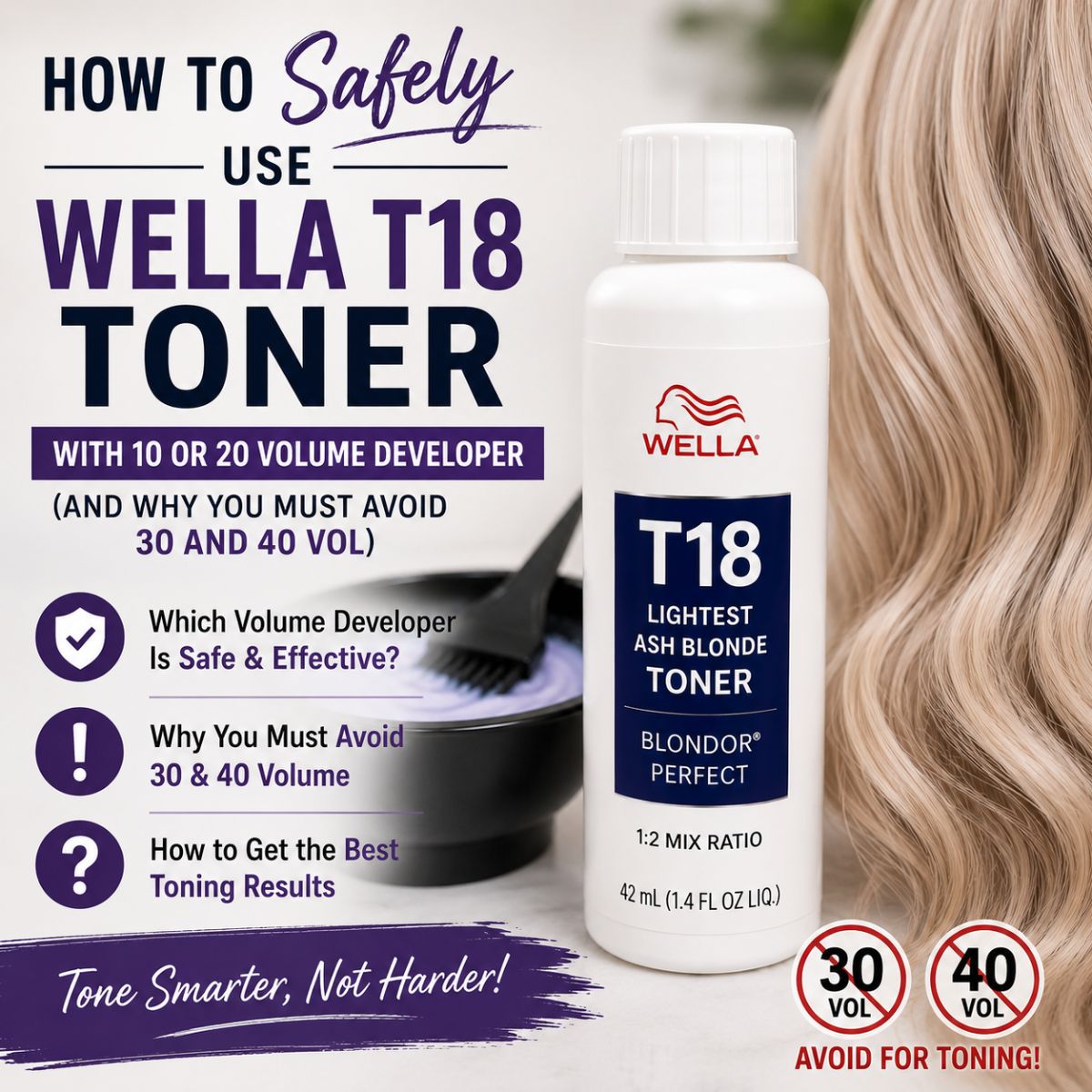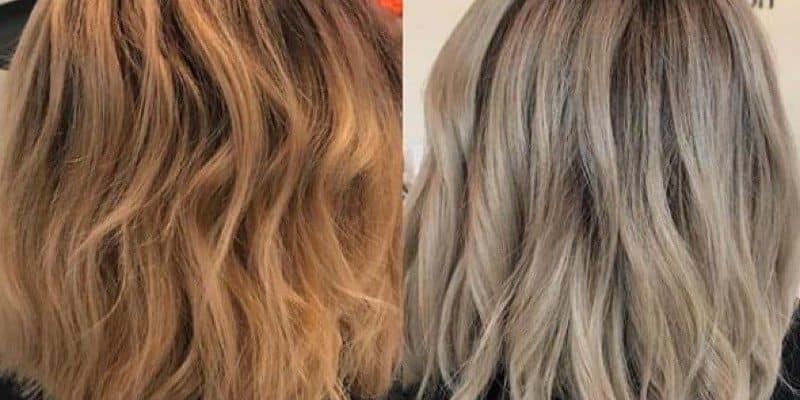


If you are thinking about correcting your hair color with toner, you need the right developer volume for your goal.
You may see 10, 20, 30, and 40 volume developers in stores. But for toning, most people should stay in the low range.
In this article, we explain which volume developer is safest for toner.
Quick Summary
For toner, use the developer or activator specified by the exact formula. A general 5-to-10-volume rule should not override its directions, and the hair’s condition and the product’s intended use still matter.
Andrea Torre, a licensed cosmetologist and colorist with nearly four decades behind the chair, holds a firm line on developer for toner:

My ultimate golden rule is always use a deposit-only 5 or 10 volume developer. This will ensure zero lift of color development at a higher level and no damage to the hair. Color will last longer with a proper toner.
Why Do You Need To Use Developer With Toner?
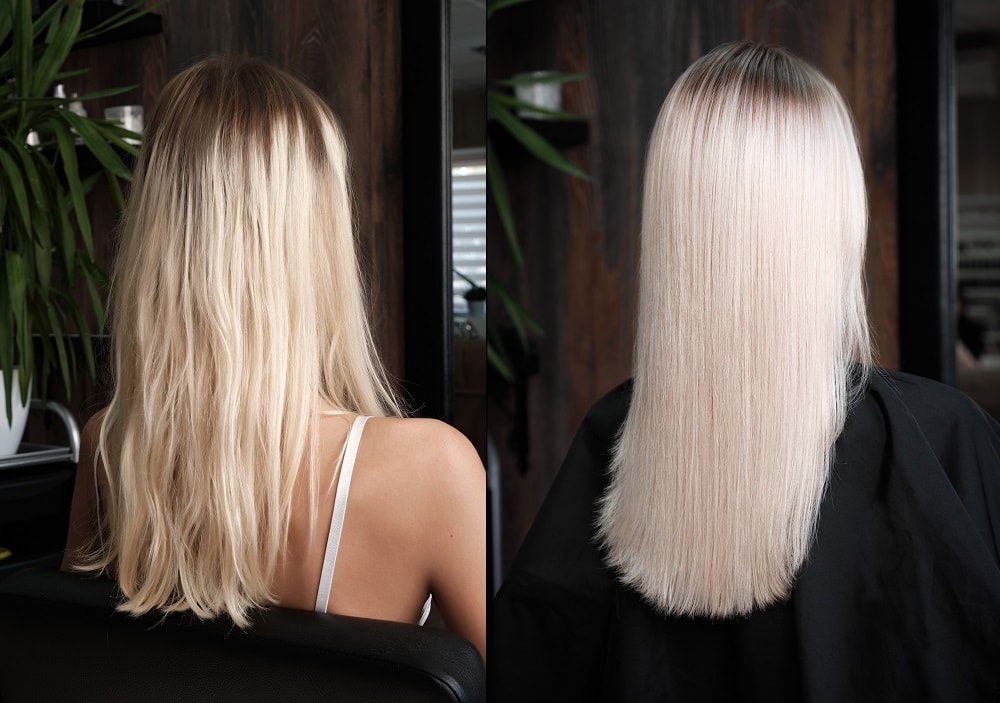
Toner helps refine bleached or color-treated hair. It can soften unwanted warmth, and it can add shine.
Most toners need a developer to work. The developer helps the toner reach the hair shaft so the tone lasts longer.
Toners contain the actual color molecules alongside alkaline ingredients that gently open the cuticle. The developer contains hydrogen peroxide, which activates those color molecules so they can successfully deposit into the hair shaft. That is why most toners, except toning shampoos and conditioners, are designed to be mixed with a developer or activator.
Note
Toner is not bleach. Toner deposits color. It does not lift dark hair to blonde. If you need to lighten first, you need a lightener service like bleach, or a high lift permanent color used the right way.
Choosing the Right Volume Developer for Toner
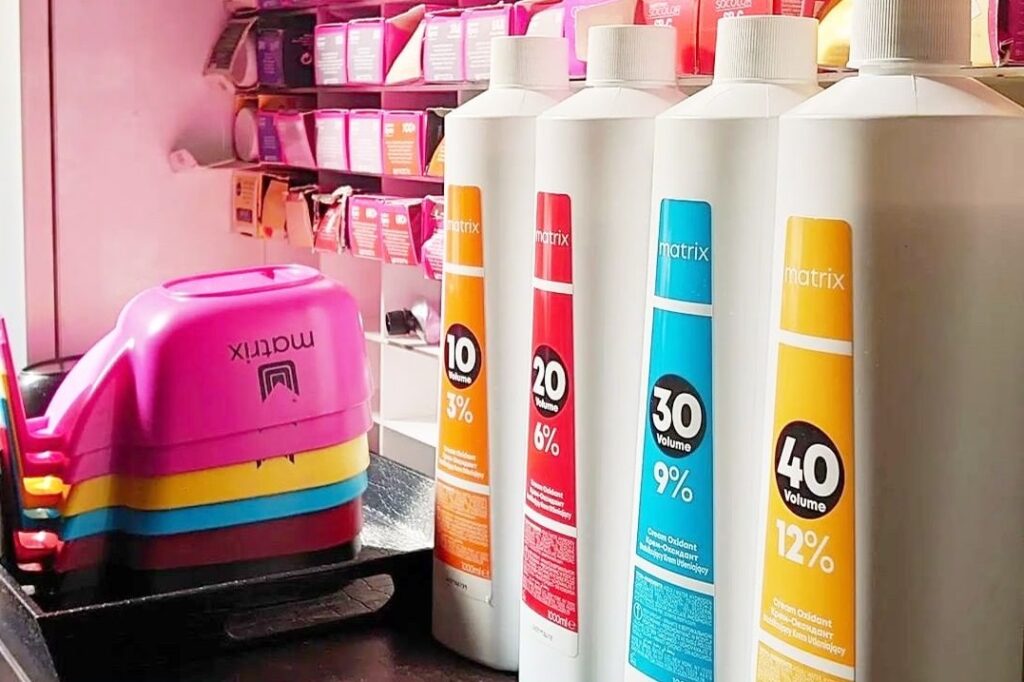
The best developer for toner depends on your hair health, your goal, and the toner’s instructions.
Use the developer or activator specified by the exact toner. Product directions, intended use and hair condition take priority over a general developer-volume recommendation.
When people talk about hair developers, they usually refer to the four standard strengths used for bleaching and permanent hair dye:
- 10 vol has 3% hydrogen peroxide
- 20 vol has 6% hydrogen peroxide
- 30 vol has 9% hydrogen peroxide
- 40 vol has 12% hydrogen peroxide
The volume number shows the strength. In this list, 10 volume is the gentlest, while 40 volume is the strongest.
However, toning usually requires a gentler approach. Toner is often applied to hair that has already been lightened or chemically processed, so the goal is usually to deposit color, not lift the hair further.
Different toners use different activators and developer strengths. Follow the exact system’s directions rather than choosing by volume alone. Toning is still chemical processing; a lower strength does not make it risk-free for previously coloured or lightened hair.
Choose the developer required by your specific toner rather than a generic volume recommendation.
Higher-volume peroxide can increase the risk of irritation, breakage and chemical burns when used incorrectly. Follow the exact toner’s specified activator and intended-use directions, and have fragile or already-bleached hair assessed before further processing.
So which developer should you use? It depends on the following:
Hair Health
The higher the volume of developer you use, the more the oxidation process stresses the hair.
If your hair is gummy, stretchy or breaking, pause chemical services and see a professional colorist. For freshly bleached hair, even a lower developer strength does not establish suitability; the exact toner’s directions and hair condition govern.
Some toners use a dedicated low-volume activator. If your toner brand offers one, it is often the safest match.
Also consider your strand size. Fine hair tends to process faster and can feel rougher sooner than thick hair, and texture plays a role in how the tone develops.
Desired Results
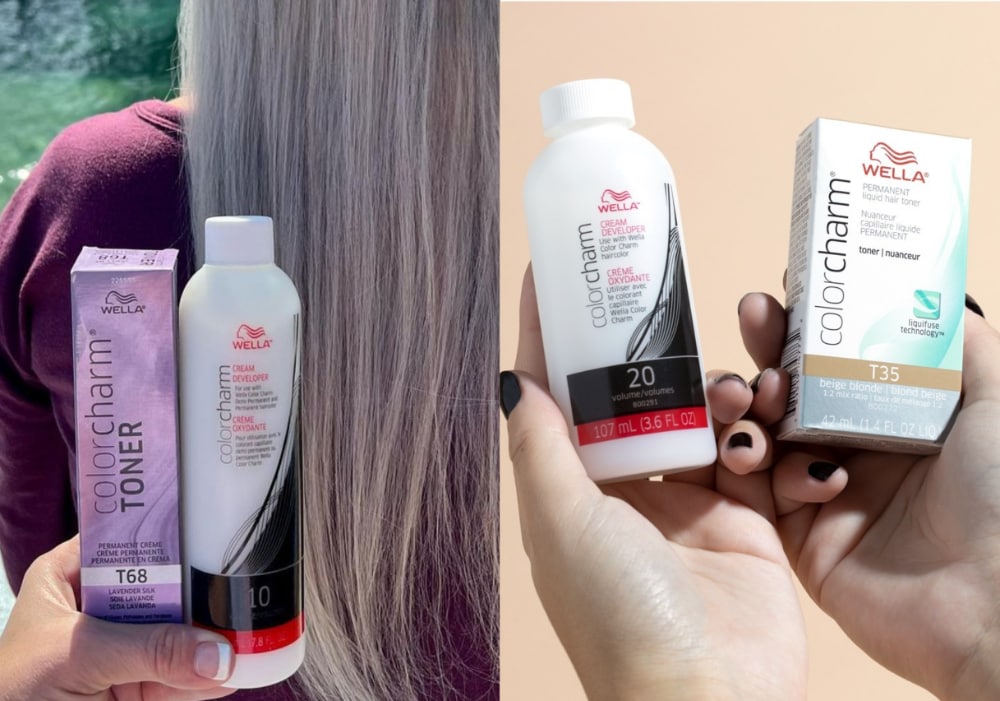
Toner is mainly for tone correction. Think brassiness control, ash balance, or a softer beige finish.
10 volume: The standard. Best for toning pre-lightened hair, neutralizing brassiness, or going slightly darker with a toner or gloss. It focuses on depositing tone, not lifting.
20 volume: System-specific. Use this strength only when the exact colour or toner system calls for it and the hair has been assessed as suitable.
30 and 40 volume: Do not substitute these strengths for the toner’s specified activator. Higher strength does not make an incompatible formula suitable for toning. Have a colourist assess any separate lightening service.
If you are unsure, start with the toner brand instructions and choose the lowest strength that matches your goal.
Manufacturer Recommendations
Each toner has specific mixing and timing instructions. Follow those first when choosing developer volume.
Many brands also make a matching activator for their toner line. Using the paired products often gives the most predictable results.
Some toners and developers are marked for professional use only. Avoid using these at home.
How To Use Toner With Developer
Once you choose the right strength, you also need the right method. Toning at home can work, but only if you follow the directions closely.
Safety Advice
- Do a patch test first. NHS steps are here: https://www.nhs.uk/conditions/hair-dye-reactions/
- Do a strand test if your hair is very light or very porous. If your hair already feels stretchy or gummy, do not process it; see a professional colorist.
- Use the brand’s developer or activator when possible. Do not guess.
- If you feel strong burning or swelling, rinse right away and follow medical first aid guidance: https://www.mayoclinic.org/first-aid/first-aid-chemical-burns/basics/art-20056667
Here are the key steps to follow when using a toner with a developer.
Step 1: Gather the Required Tools and Products
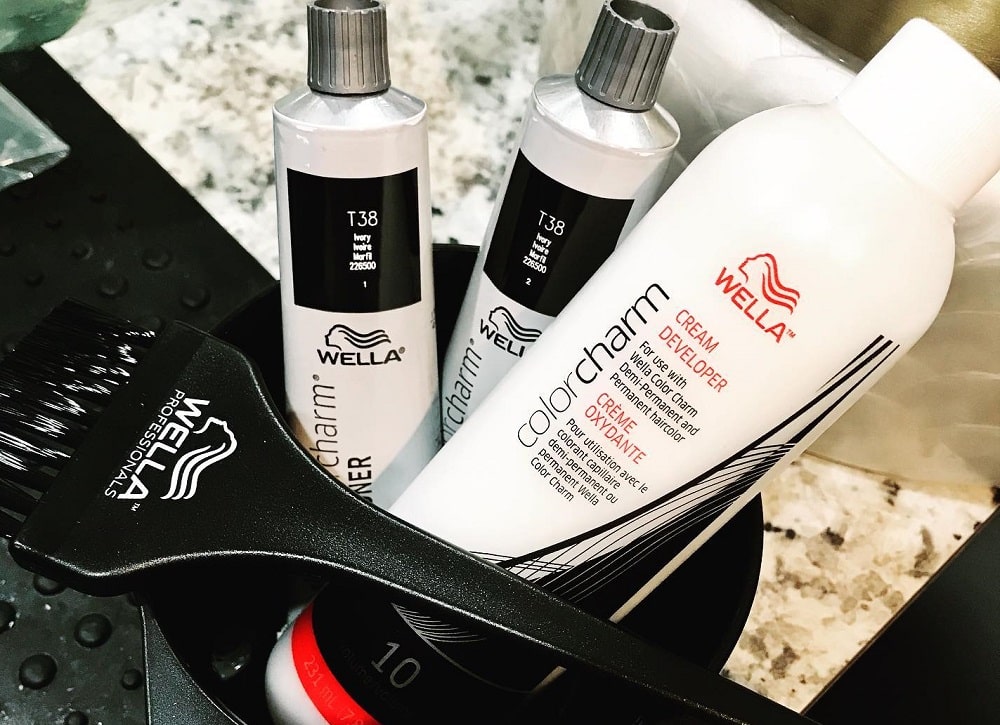
Some of the tools and products you will need include:
- A mixing bowl
- An applicator brush
- Toner
- Developer or activator
- Protective gloves
- A hairdresser cape or an old towel for your clothes (some toners are liquid and apply from a bottle)
- Dark-colored hand towels, hair clips, and a timer
- A hairdresser cape to protect your clothes
Step 2: Protect Your Surfaces and Hands
Toner can stain clothes and surfaces. Developer can irritate skin. Wear gloves, protect your clothing, keep the mixture out of your eyes, and work in a well-ventilated room.
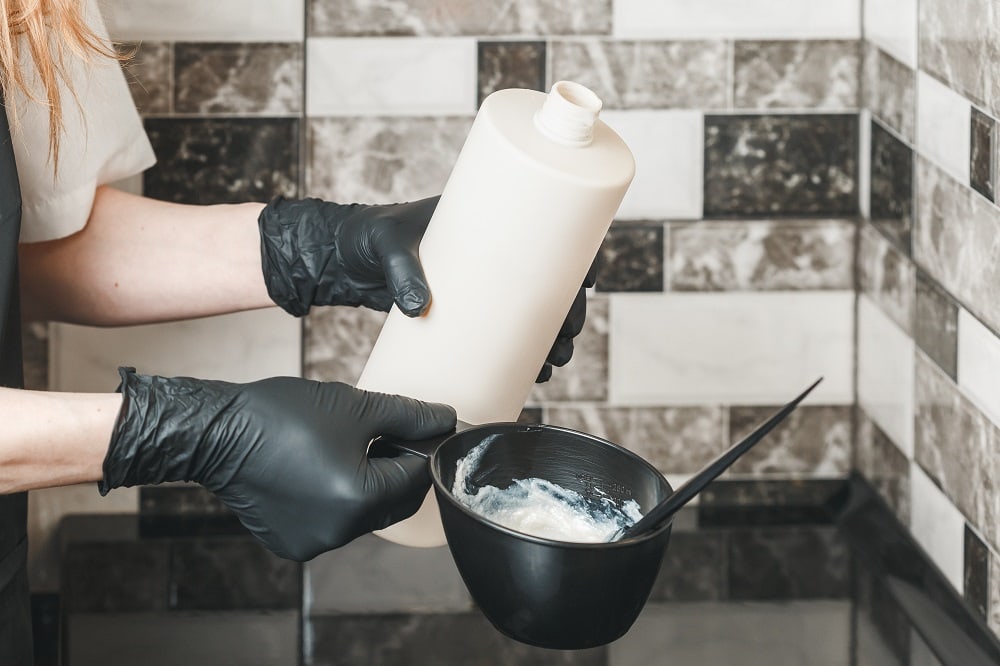
Step 3: Mix Developer and Toner
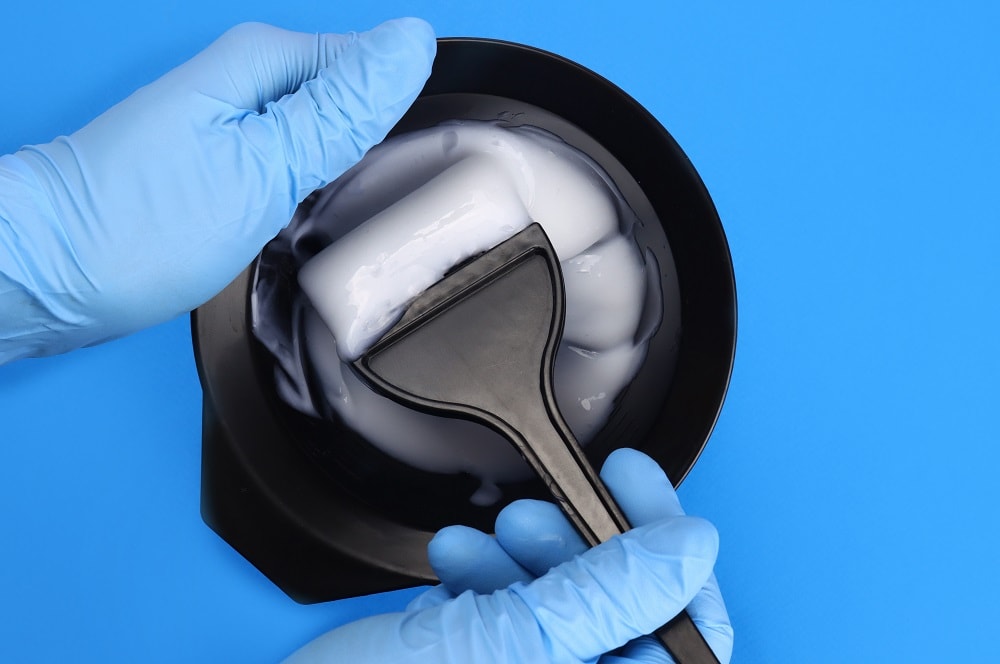
Mix the toner and developer in the ratio listed in the toner directions. Many toners use a 1 to 2 ratio, but not all do.
Stir until smooth and even.
Step 4: Section Your Hair
Section your hair as the product directions require. Apply to dry or damp hair according to the exact toner system; there is no universal 75-to-80-percent-dry target.
If you just bleached your hair, rinse very well to remove all the lightener. Then shampoo if your toner directions say to, and towel dry until damp. Shampoo gently rather than vigorously; a scrubbed scalp gets irritated, and toner will tingle on it.
Step 5: Apply Toner
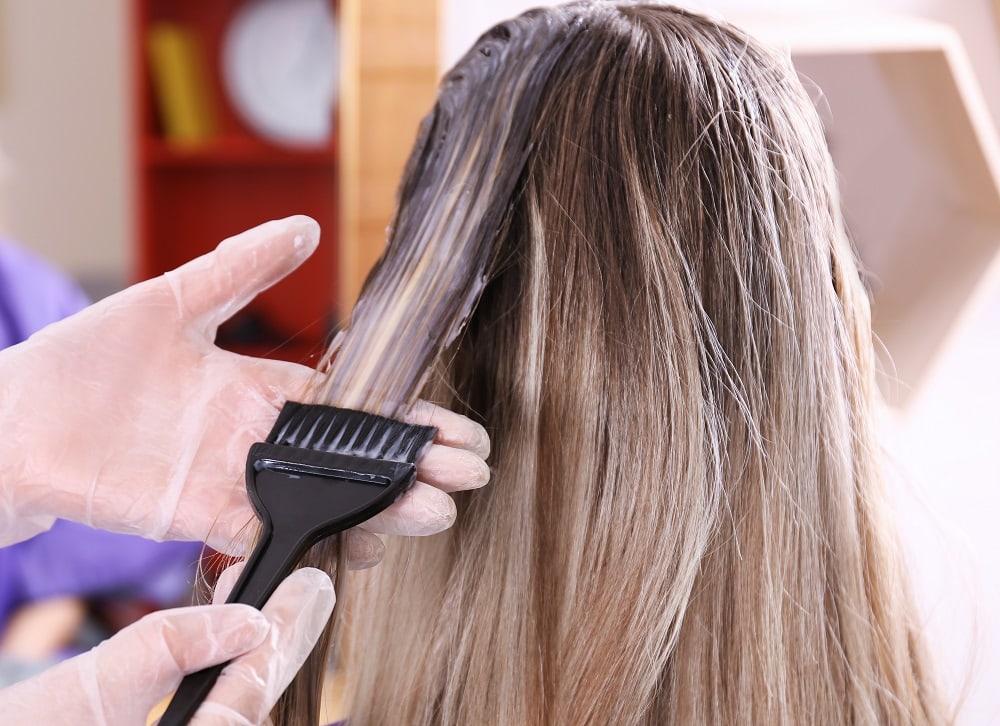
Apply the mixture section by section. Saturate the hair evenly from root to ends, unless the directions tell you to avoid the scalp.
Step 6: Allow the Toner to Process
Process for the time on the box. Many toners process in 5 to 20 minutes.
Do not leave toner on longer than directed. If you feel burning or strong stinging, rinse right away.
Rinse with running lukewarm water. If symptoms are severe or the skin is blistering, get urgent medical help.
Step 7: Rinse, Shampoo, and Condition Your Hair
Rinse well until the water runs clear. Then shampoo and condition if the toner directions say to. Use color-safe products to help protect the tone.
How to Care for Hair After Using Toner With Developer
iStock.com/Anetlanda
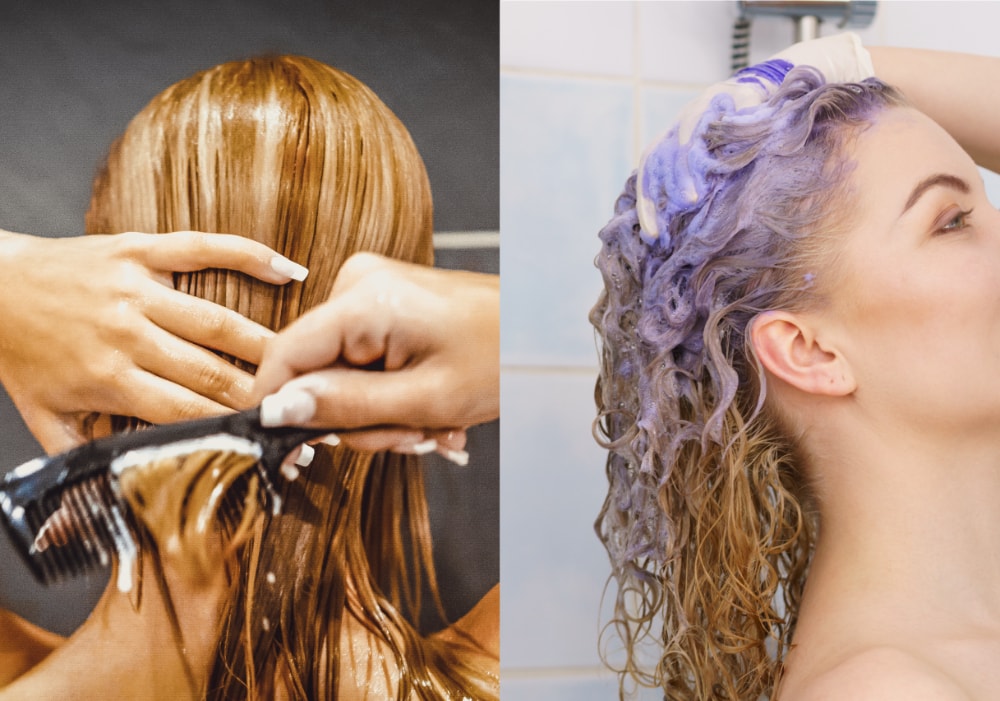
Chemical processing forces the cuticle open and can leave your hair feeling drier afterward, so your toned hair needs gentle care.
Here are simple ways to care for toned hair:
- Wait 24 to 48 hours before your next wash, if your toner brand recommends it.
- Use color-safe shampoo and conditioner. Avoid harsh cleansers that fade tone fast.
- Deep condition once a week to help hair feel smoother.
- Use warm or cool water when washing to help reduce fading.
- Limit heat styling to reduce dryness and breakage.
- Use a hat in strong sun, and skip salt water and chlorinated pools for 24 to 48 hours.
- Use purple or blue shampoo once a week if you struggle with yellow or orange tones.
Notes
If your hair feels gummy, stretchy, or breaks when wet, pause chemical services and see a professional colorist. That texture often means the hair is overstressed and over-processed.