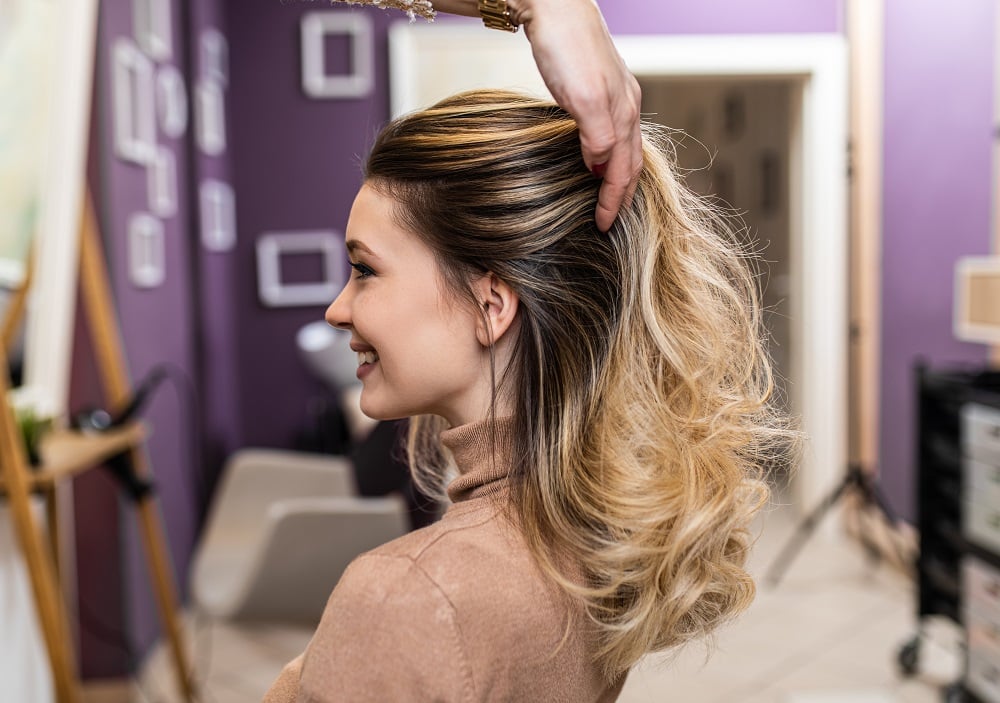


Does your hair grow thick, flat, and unmanageable? If so, you might wonder, “Should I get my hair thinned?” While thick, lustrous hair looks healthy and desirable, it may be prone to tangles and frizz, or simply feel heavy, hot, and like a lot to deal with every day. A suitable care routine for your hair type can help restore its manageability, health, and luster.
The short answer: consider professional thinning when excess bulk makes dense hair hard to shape or style, and ask a stylist whether the technique suits your hair. Overdo it and length is the price, warns senior stylist Emma Baxendale, who reviewed this guide: “Hair that has been over-thinned can return to normal fairly quickly if the client is willing to lose a decent amount of length.” Below: when to thin, the pros, and the cons.
What Does It Mean To Thin Out Your Hair?

Thinning out your hair means reducing its overall density to make it feel lighter while creating manageable volume. If your hair is thick but well-managed, it’s less likely to be a cause for worry. However, if your hair becomes excessively thick, heavy, and flat, you’ll probably want to visit your hairstylist for thinning.
Hair “thickness” can mean two things: how wide each strand is (fine vs. coarse) or how much hair you have per area (density). Thinning shears reduce density by removing bulk and weight. They do not change the natural diameter of your remaining strands.
Other factors to consider regarding hair thickness include hormones and age. Getting your hair thinned doesn’t usually affect its overall length. So if you prefer to keep your long hair, your hairstylist should recommend the best way to thin it.
Your stylist can use thinning shears to cut around 15% of your hair. The only time thinning can affect your hair length is when your hairstylist recommends a haircut.
Adopting a suitable hair care routine is the best way to manage thick hair and prevent it from feeling excessively heavy or weighed down.
When Should I Get My Hair Thinned?
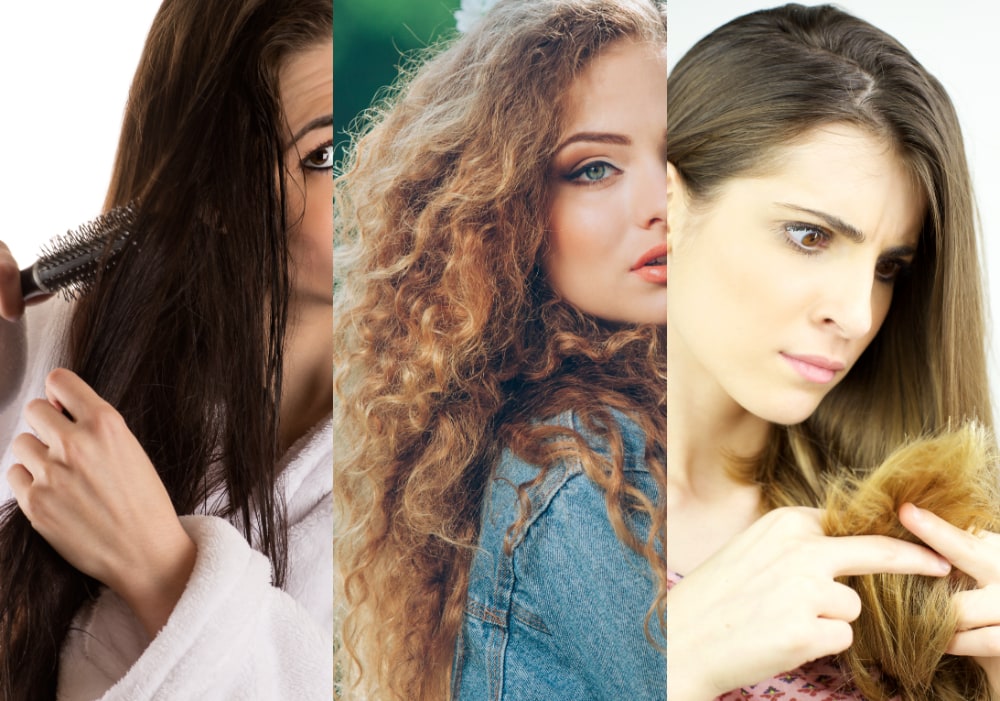
You should get your hair thinned if it becomes thick, volumized, and challenging to manage. Talk to your hairstylist about how often you should thin your hair. Your hair growth rate and length determine how soon you need to get your hair thinned.
Senior stylist Emma Baxendale paces thinning much more conservatively than clients expect:

I recommend thinning every other appointment instead of every time; that is what makes sure hair is not over-thinned into wispy ends. Someone with incredibly thick hair may need it each visit, and then a decent blunt cut on the ends alongside it protects the baseline.
I can tell visually and by feel whether hair should be thinned that day, and if the ends are not being trimmed too, I warn the client they may start to look wispy. Over-thinning eventually means cutting more length off to rebuild a solid baseline.
Thinning is generally used to remove excess bulk, and it can cause frustration if done poorly, especially on fine hair. It’s therefore advisable to find a hairstylist with several years of experience.
Your stylist should thin hair at the mid-lengths to safely remove bulk; thinning too close to the root will cause short hairs to push up and create unwanted, uncontrollable volume as they grow.
Proper thinning targets the interior bulk rather than the tips, preserving the weight line so ends don’t look stringy.
Typically, hair grows about 1/2” (half an inch) per month. That means the removed bulk returns gradually, so your hair will not feel noticeably thicker just one month after thinning.
If you’ve neglected your hair for a long time, it might grow flat due to the extra weight from heavy strands, dirt, or hair care products. Getting your flat and thick hair thinned helps to lift it while making your hair strands lighter.
But how can you tell if your hair is exceptionally thick and requires thinning? Here are several signs to look out for.
- You may have to brush your hair more often, though tangling varies a lot from person to person.
- After you’ve washed your hair, it takes hours to dry.
- You don’t have much visible scalp. Treat that as a sign to read, not a target; thinning until scalp shows through means the thinning went too far.
- You run out of conditioner fast, since thick hair takes far more of it to coat; shampoo use should not change nearly as much.
- Your hair takes so long to dry that it stays damp for hours, long enough to freeze in winter if you head out with it wet.
- Your hair becomes frizzy when humidity is high (frizz is really about texture, but it is common in thick, coarse hair).
- Your individual hair strands feel coarse and wiry to the touch (strictly a texture trait rather than thickness, but the two often travel together).
- You have a ponytail whose circumference is more than three inches.
So, should I get my hair thinned? First, consider why your hair is growing too thick. If it’s out of neglect, you can build your hair care routine to reduce the bulk and restore your hair’s health.
Pros of Thinning Out Hair
Here are the reasons thinning out your hair can be a wise decision:
Hair Becomes Easy to Manage

Thick hair can be challenging to manage. You’ll have much to deal with if you want to keep thick hair in good condition before leaving the house.
For example, you must comb, brush, wash, and blow-dry it more often. Sometimes, you’ll be forced to do a ponytail to ensure your hair doesn’t look wild.
This kind of hair is not the best for individuals with busy schedules who don’t want to spend long hours fixing their hair. Thinning out your hair controls the volume of your hair, minimizing the time and effort spent when managing it.
Requires Fewer Hair Care Products
An excellent way to care for your natural hair is to apply the appropriate products depending on your hair type. If you have incredibly thick hair, you’ll need to use many hair care products such as moisturizers, shampoo, and conditioners.
How often you reach for them should follow your hair’s condition rather than its thickness.
Getting your hair thinned removes the excess hair strands that require more products. This leaves you with lighter, less dense hair that needs fewer haircare products to stay in good shape.
Feels Lighter on the Head
Thick hair is dense and can feel heavy on the head. People with thick hair may only realize how heavy it is once they get it thinned out. Your hairstylist removes the thick and bulky hair in different areas, leaving you with lighter, less dense hair.
Hair Feels Cooler During Hot Weather
Thick hair can retain heat in hot weather and make your head feel like a furnace. It also increases sweating.
You can get your hair thinned out to avoid such inconveniences, especially in the summer. Thinning out your hair removes the bulk, leaving it feeling lighter and cooler in the summer.
Easy To Recreate Styles at Home
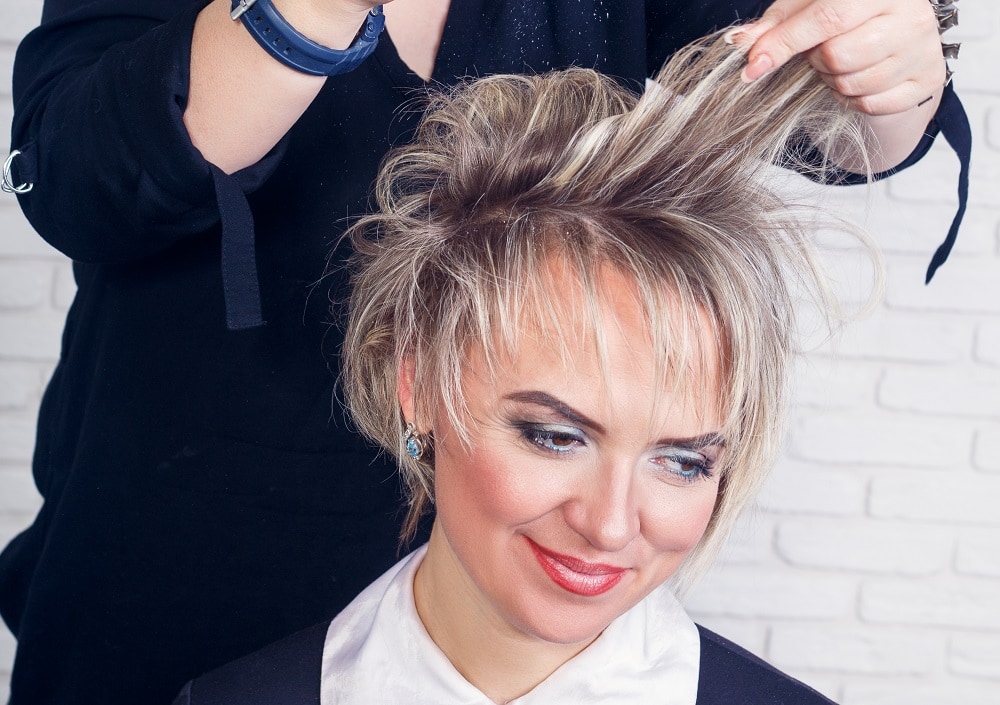
Getting your hair thinned allows you to achieve a modern, youthful, or classic hairstyle. Your stylist can use thinning shears to shape and style your hair depending on the desired hairstyle.
And the good thing is that you only need to use your hair styling tools to recreate the style. You will take less time in the morning to get ready.
Cons of Thinning Out Hair
While thinning out your hair offers great ways to keep it in good shape, it might sometimes lead to disappointments.
Can Damage Curly Hair
Thinning out hair can be a blessing or a curse to curly-haired individuals. If you want to retain your curls in good condition after thinning them, work with an experienced stylist.
If your stylist is inexperienced, they might damage your curls. Look for a curl specialist who debulks curly hair using techniques like point cutting or slide cutting, as thinning shears disrupt the curl pattern and cause excessive frizz.
Can Lead To Frizzy Hair
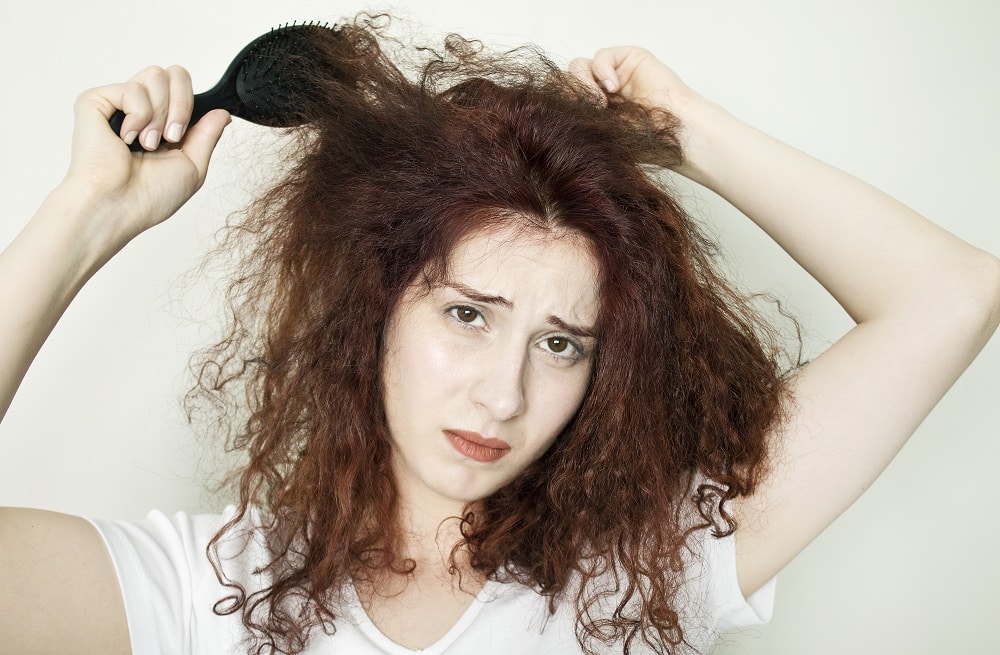
Curly hair faces the biggest risk here, but poorly done thinning can leave any hair type frizzy.
Furthermore, thinning can lead to severe split ends and breakage if not executed properly. When thinning shears are dull or used with incorrect tension, they fail to create a clean cut. Instead, they scrape and fray the overlapping scales of the hair cuticle. This mechanical damage exposes the inner cortex, leading to accelerated moisture loss (frizz) and trichoptilosis (split ends).
To maintain the structural integrity of the hair shaft, it is critical that your stylist uses properly sharpened, professional-grade shears, or opts for alternative debulking methods like slide cutting for textured hair.
Takes Longer To Grow Thick Hair Back
If thinning out has gone wrong and damaged your hair, you may wish your hair to grow back faster and restore its original look. Unfortunately, damaged hair can take months to look full again. Get regular trims and be patient while any over-thinned areas grow out.
Keeping the length is the slow road, as Emma explains: “If they want to grow their hair or keep length, it is a slow process over months of trimming the ends each time until the hair creates weight at the bottom again. I would recommend just having a good cut and starting again, and being more cautious about how much the hair is thinned in future.”
So, When To Thin Out Your Hair?
To keep your hair in good condition, thin it out once it becomes extremely thick, heavy, and difficult to manage. Your hair growth rate and length determine how soon you need to thin it.
Proper thinning targets the interior bulk at the mid-lengths rather than just the tips, preserving the weight line so ends don’t look stringy. Work with an experienced stylist to determine how often you need to thin your hair.