


The benefits of coconut oil for hair are widely known. It is one of the most effective natural oils for moisturizing and helping repair damaged hair. But can you use it right before dyeing your hair, and is there any benefit to doing so?
Quick Answer: Can You Dye Hair With Coconut Oil In It?
It depends on the type of dye.
Bleach and permanent dyes: Yes. A light layer of coconut oil may help protect your scalp and reduce protein loss without stopping the lift. Don’t apply on excessive oily hair, since it can make lightener process unevenly.
Semi-permanent dyes and toners: No. Coconut oil make hair slippery and creates a protective layer, so deposit-only color may not coat evenly, which can lead to weak or patchy results.
You can apply bleach or permanent (ammonia-based) dye over a light layer of coconut oil. It can act as a protective coating that may reduce dryness and scalp irritation.
Bleach and permanent dye are strong enough to open the hair cuticle and lift or deposit pigment, even with a thin layer of oil. However, too much oil can create a heavy coating that prevents even saturation. That can slow processing in some spots and cause uneven lift.
For best results, apply a thin, even layer of melted coconut oil to the mid-lengths and ends about two hours before processing. Avoid soaking the hair.
If you are using semi-permanent dyes or toners, do not apply them over coconut oil. These gentler colors mostly coat the outside of the hair shaft without penetrating it. Oil can make hair slippery, so the pigment may not coat evenly. That can lead to patchy results and fade faster with washing.
Why Use Coconut Oil Before Dyeing Your Hair
Below are 4 reasons to apply coconut oil before bleaching or applying permanent dye:
Your Best Defense for a Sensitive Scalp
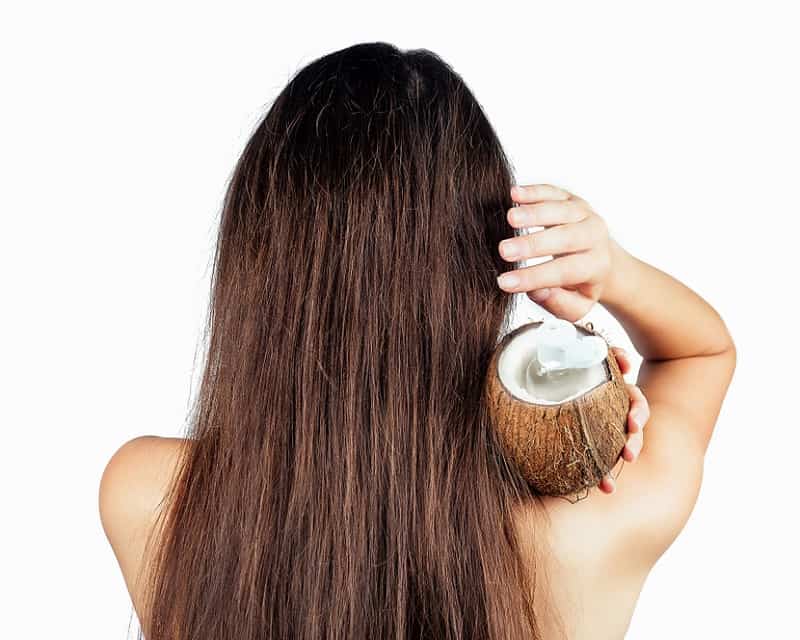
A light layer of coconut oil can help protect your scalp before bleaching. It creates a thin coating that may reduce stinging, itching, and that hot feeling some people get during processing. It can also make the hair feel softer afterward.
Apply it for 1 to 2 hours or overnight before bleaching. A longer window gives the oil more time to settle in. Focus on a light layer on the scalp and along the hairline, then lightly smooth the rest through the hair. Do not soak the hair in oil. If it looks wet or greasy, blot the excess oil with an old towel.
Coconut oil can help with comfort, but it does not guarantee you will not get irritation or burns. If you feel a strong burning, rinse the dye right away.
Prevents protein loss in the hair
Bleach can raise the cuticle and weaken the hair shaft. Coconut oil is often used because it can reduce protein loss during washing and chemical services.
Applying coconut oil before bleaching can act like a gentle buffer. It may help hair feel softer after the service. It can also help reduce that tight, dry feeling some people get during bleaching.
Coconut oil is rich in lauric acid. This fatty acid can penetrate the hair shaft. A study in the Journal of Cosmetic Science by Rele and Mohile found that coconut oil can reduce protein loss compared with some other oils.
Helps reduce damage during bleaching
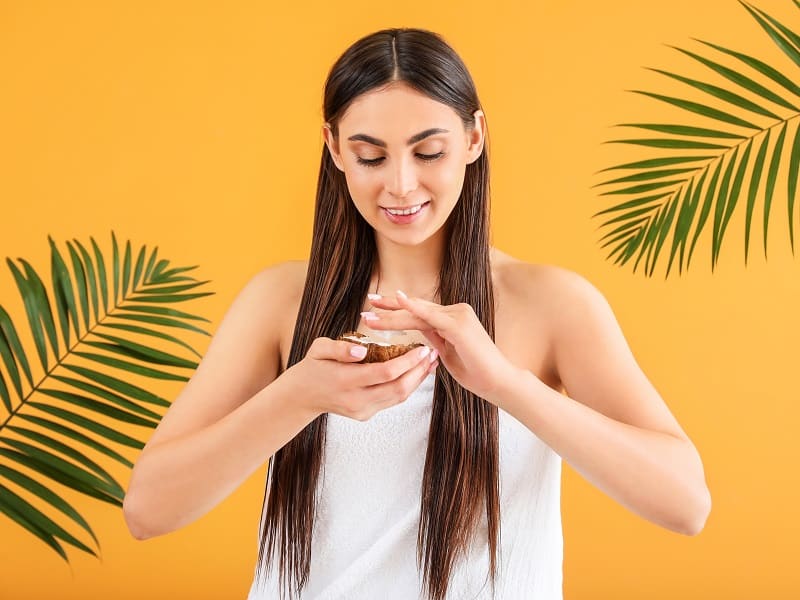
Coconut oil does not change the speed of the bleaching process. Think of it as a protective buffer. Bleach can still lift color during the normal processing time, while the oil may help hair feel less rough after you rinse.
It’s all natural
No matter how clean some products look, nothing replaces a simple oil from nature. Some hair oils can include drying alcohols or heavy fragrance blends.
With coconut oil, you know what you are using. It is affordable. It is easy to find. It can be a helpful step for colored hair when used the right way.
Warning:
Bleach can burn skin and damage hair fast. Always wear gloves, use good ventilation, and follow the product directions. If your scalp stings or burns, rinse right away.
If your hair is fragile, very stretchy, or already breaking, consider a salon service. At home bleach is risky for damaged hair.
How To Apply Coconut Oil Before Dyeing Your Hair?
- Use this method for bleach or permanent dye. Do not use it for semi-permanent dye or toner.
- Apply coconut oil to dry hair 1 to 2 hours before your service. Apply a light, even coat.
- Comb through to spread the oil from roots to tips. Focus on mid-lengths and ends if your scalp gets oily.
- Wrap your hair in a shower cap and let it absorb. If hair looks very oily, blot with a towel. Do not shampoo.
- Apply bleach or permanent dye directly over the light oil layer. Work in small sections for even coverage.
- Saturate thoroughly. Oil can make hair slippery, so it can be harder to see where the product sits. Focus on even application to avoid a patchy lift.
- Follow the directions for your chosen bleach or dye. Do not change developer strength or timing because of the oil.
- Rinse well. Then shampoo and condition as directed. Note your results from the strand test, then adjust next time if needed.
- If desired, use a small coconut oil mask after washing for softness. Keep it light so hair does not feel greasy.
Can you use coconut oil after dyeing your hair?
Yes, you can use coconut oil after dyeing your hair.
After dyeing or bleaching, hair can feel dry and rough. Coconut oil can help add slip and shine and reduce tangles.
Use a small amount on damp hair, mainly on mid-lengths and ends. If you used a semi-permanent fashion color, wait 24 to 48 hours so the color has time to settle.
If hair feels heavy, use less. If hair feels dry, use a little more. Simple.
So, Can You Dye Your Hair With Coconut Oil In It?
Yes, for bleach and permanent dye. No, for semi-permanent dye and toner.
Coconut oil can support hair during harsher services like bleaching. It can help hair feel softer after you rinse. But it can also block gentler deposit-only colors.
If you are using bleach or permanent dye, coconut oil may help with:
- Better moisture feel in the hair
- Reduced protein loss, which may mean less breakage over time
- A light protective buffer that can soften the harsh feel of chemicals
If you are using semi-permanent dye or toner, skip the oil before coloring. Start with clean, dry hair so pigment can grab evenly.
Related Topics