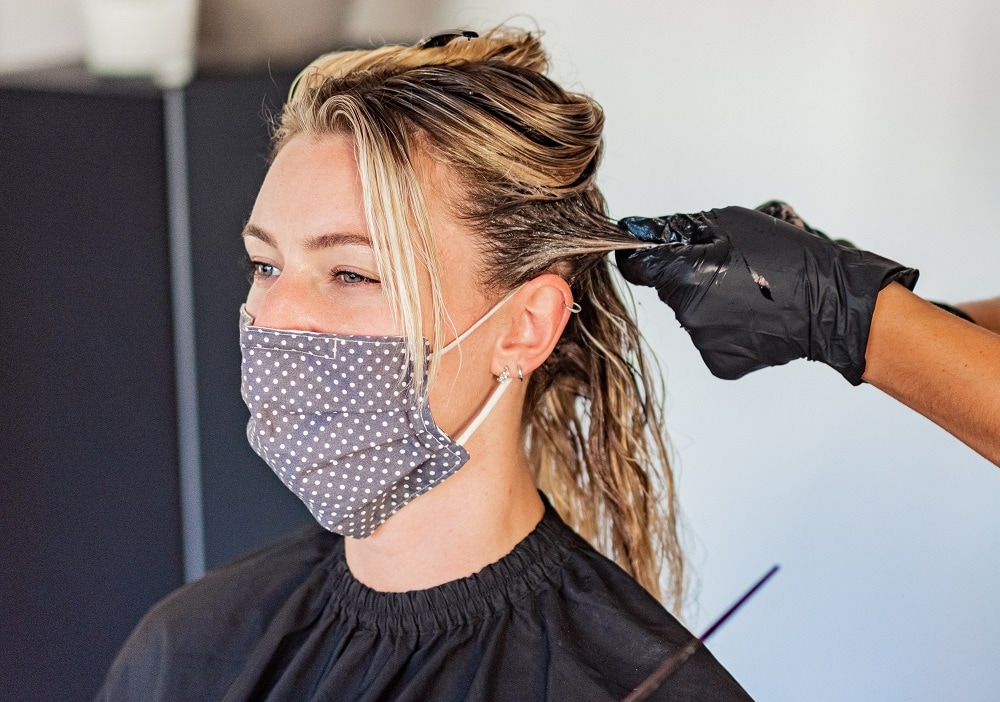


Do you have natural red hair, or hair that looks red right now, and you want a brighter purple shade? If yes, you may ask, “Can I put purple over red hair?”
Yes, you can. The key question is what shade you will get.
If you’re serious about joining the purple movement, read this simple guide before adding purple dye to your red hair.
Senior stylist Emma Baxendale sets the expectation before the bowl comes out:
Putting a purple over a strong red is always going to give you a redder version of the purple you want. For a cleaner result you're always going to want a cleaner base; that's the rule of thumb for any color.
For a vivid, pure purple you want as little red pigment as possible left; even a pale pink would work better. Red pigment can be very hard to remove, so never push your hair to breaking point.
Can I Dye Purple Over Red Hair?
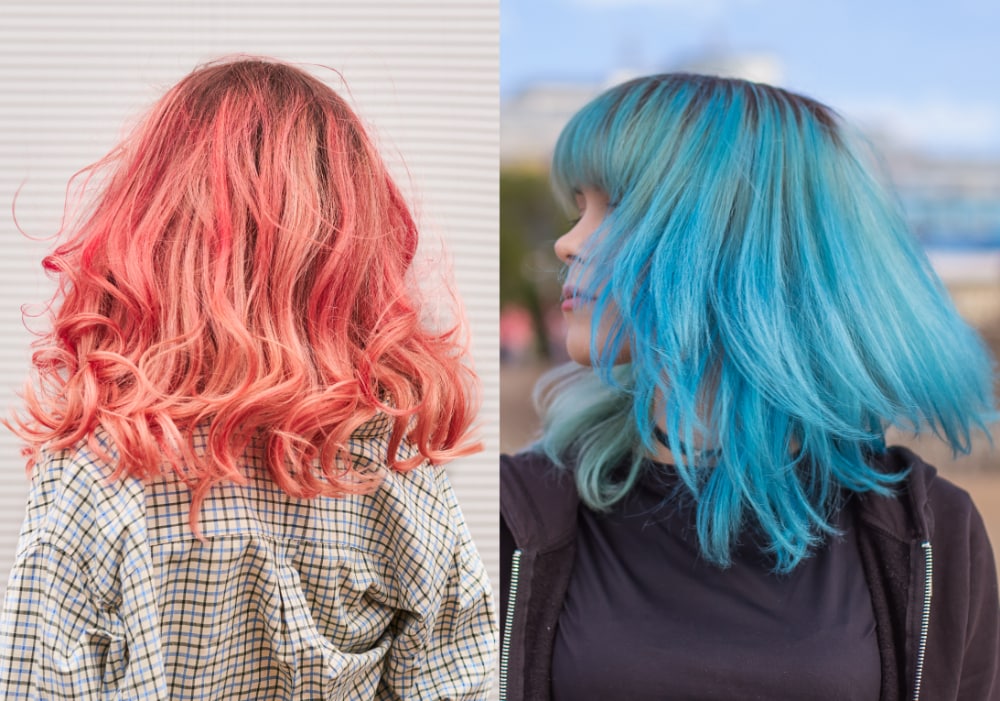
Yes, but it may not look truly purple. Purple over red often turns more magenta or burgundy. The result depends on how strong your red is and whether your purple dye is blue-based or red-based.
If you use a warm purple with a pink base, you may get a berry tone or burgundy. If you use a cool purple with a blue base, it can look dull or brown because blue and red-orange can cancel each other out.
So yes, you can dye purple over red hair. For a true purple, you often need to lighten first.
How to Dye My Red Hair Purple?
If you want a true purple shade, there are two ways to dye your red hair purple.
Safety Notes
- Do not use 30 or 40 vol on your scalp. It can burn.
- If lightener may touch your scalp, use 20 vol max.
- Stop and rinse if you feel burning, strong itching, or swelling. Get help if it does not stop.
- Do a strand test and a patch test first.
- Wear gloves, keep the product out of your eyes, and work in a well-ventilated room.
First, decide which shade of purple you want, considering your skin tone. Here’s a simple guideline:
- For women with cooler or lighter skin tones, a pastel or more vibrant shade of purple is recommended. To achieve these shades, Method #1 is the way to go.
- For women with darker skin tones, a deeper purple can look rich. If you want this, use Method #2.
Method #1: How to Dye Red Hair Purple with Bleaching
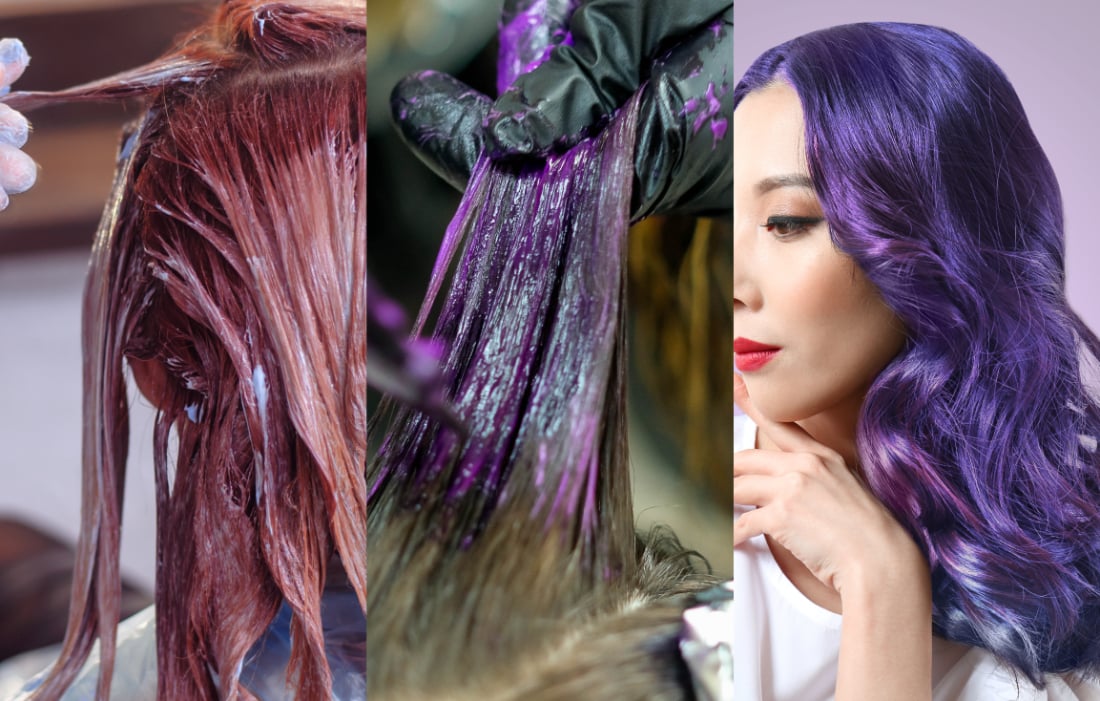
If you’re going for a vibrant purple shade, or a lavender or lilac color, you must remove most of the red tone first; lightening is the usual way to do this. Keep in mind that pastel and very light purples need a very clean, light base, because the pigment is so soft; over any strong leftover red they simply will not read as pastel, so a brighter purple is the safer choice.
With that said, here are the steps you can take:
Step 1: Assess your hair condition.
We all know that the bleaching process can be damaging to your hair. That’s why you should examine your hair strands first to ensure they’re free of damage like breakage, dryness, and dullness.
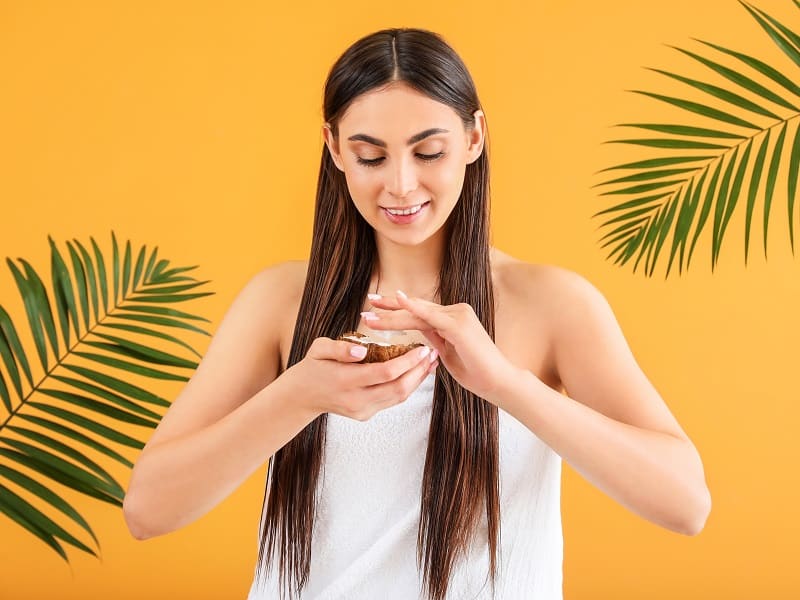
If your hair fails this test, delay the bleaching session for a few weeks. Use natural oils or deep conditioning treatments to nourish and hydrate your hair.
If your hair doesn’t show these signs, you can proceed to the next step.
Step 2: Prepare the bleaching mixture.
Get a plastic bowl and mix the bleaching powder with a 20-volume developer, following the mixing ratio on the lightener’s label. Do not guess the ratio, and do not reach for anything stronger than 20 volume.
Step 3: Bleach your red hair.
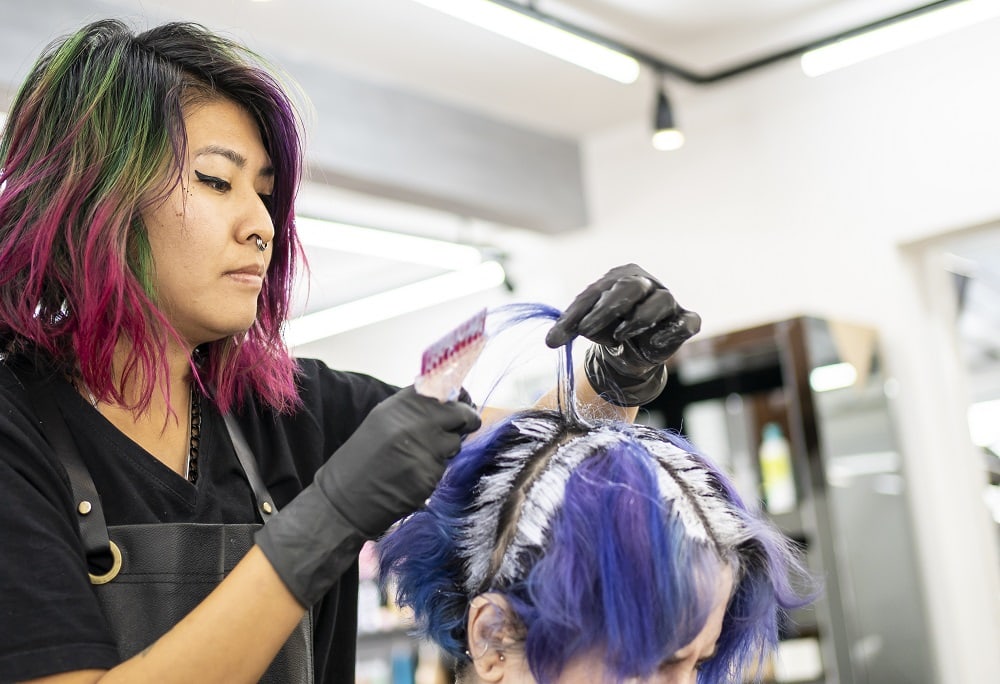
Using a brush, apply the bleaching mixture to your hair lengths. Stay about half an inch away from the roots. Work from the mid-lengths to the ends.
For roots and scalp work, it is safest to see a professional.
Let the bleach sit within the time window on the lightener’s label (often around 30 to 40 minutes), and check on the color every 10 minutes. Never exceed the label maximum.
Step 4: Rinse off the bleach.
Once the red tones have lifted, rinse off the bleach. A bold red may only lift to a lighter pink rather than pale yellow; that still works for a slightly brighter purple on top. You can do this using a color-protecting shampoo and conditioner, or a rinsing cream.
Step 5: Apply the violet dye.
Dry your hair first before applying the new color. Then follow the instructions on the packaging to keep your hair looking healthy and your new color as vivid as possible.
Method #2: How to Dye Red Hair Purple without Bleaching
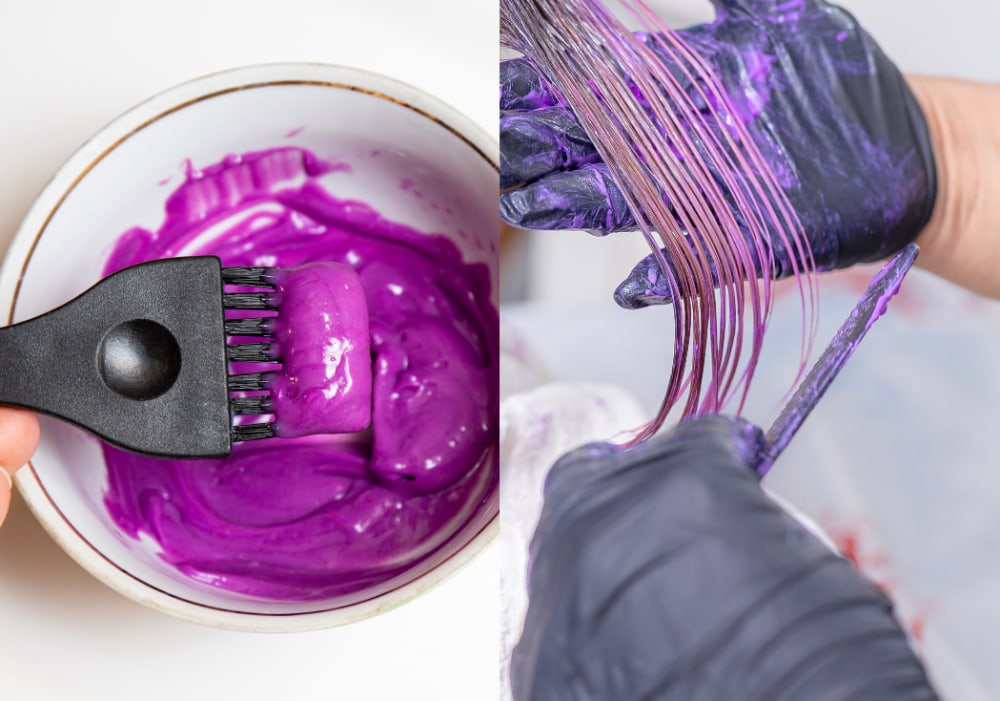
If you’re going for a darker shade of purple, you may not need to lighten first because deep purples sit closer to red.
But one issue remains. You may not get a true purple. You may get a red-violet shade instead. If that’s okay with you, follow the steps below.
If you want a true purple without lightening, a professional stylist can help you mix the right formula for your hair.
Important: If your purple dye is semi-permanent, do not mix it with developer. Apply it straight from the jar or tube. Only mix with developer if the product says permanent or demi-permanent.
Step 1. Prep your hair for the dyeing process.
A few days before your coloring session, wash your hair well to remove dirt and buildup.
But on the day of the session, don’t wash your hair. This helps keep your natural oils in place.
Step 2. Prep the dye.
If you are using a permanent or demi-permanent dye, mix the color and developer based on the package directions. If you are using a semi-permanent dye, skip the mixing and use the dye straight from the tube or jar.
Step 3. Section your hair and apply the dye.
Use a clip to divide your hair into multiple sections. The more sections, the better.
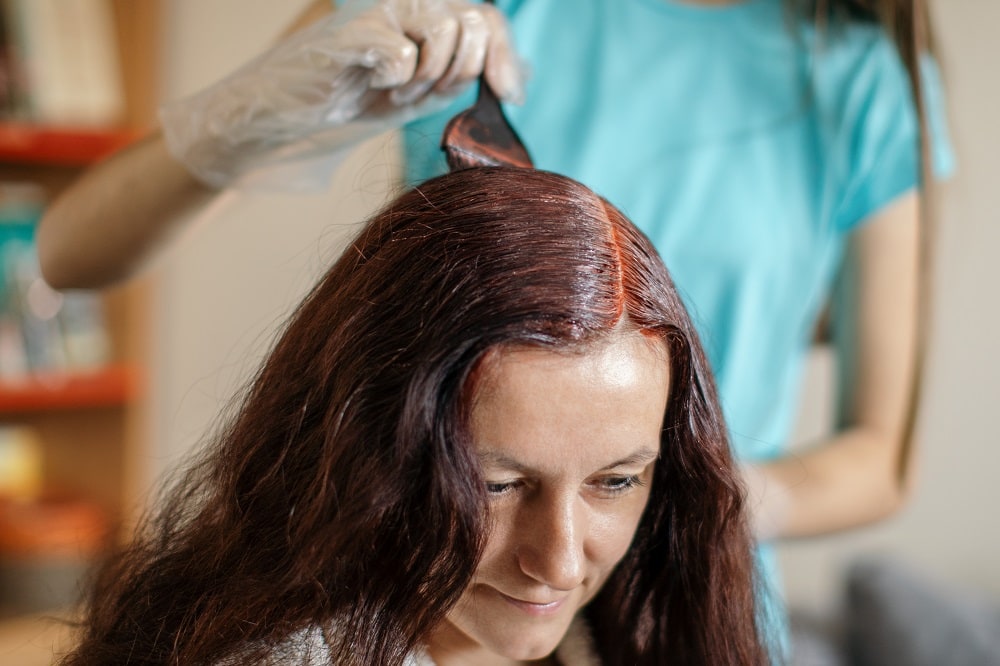
After that, apply the dye to your hair using a brush. Make sure all your strands are well coated. Check your head from all sides to make sure you did not miss any spots.
Cover your hair with a plastic cover or shower cap, and let the dye sit for around 20 to 30 minutes.
Step 4. Rinse off the dye.
Rinse your hair using warm water and a rinsing cream, or a color-protecting conditioner.