

Do you want to say bye-lights to your highlights finally?
You’ve had the time of your life with your highlighted hair, and now you’re ready to change things up a bit?
Here’s one question you may be asking: can you dye over hair highlights?
Yes. You can dye over highlighted hair, whether you want to go darker, go lighter, or switch to one solid color that covers the highlights.
However, it’s not as easy as you think it is. Changing your hair color when you have highlighted hair is one of the most challenging things to do since you’ll be dealing with multiple hair shades and tones.
Keep in mind that each reason would require a different dyeing process. We shared these reasons because it’s essential to identify which of these is your goal so you can choose the right way to dye hair over highlights.
How to Dye Hair Over Highlights?
Safety First (Read Before You Start):
WARNING: Before applying any color or bleach, always perform a patch test 48 hours in advance to check for allergies. Perform a strand test on a small section of hair to ensure your hair can withstand the chemicals without breaking.
Senior stylist Emma Baxendale walks every darkening client through the same filler math first:
Hair with existing highlights has light areas, dark areas, porous areas, and healthy areas, and they all absorb color differently. Fill the hair with pigment about two levels lighter than your end goal, with as much warm pigment as possible; that gives depth to the final color and gives porous hair something to grab so it does not land too dark.
On porous ends I will even use a slightly lighter shade of the final color. And avoid ash over porous blonde; warmth is your friend when going darker.
Crucial: Do not apply bleach to the parts of your hair that are already lightened (the highlights). Only apply bleach to the dark regrowth. Overlapping bleach on previously highlighted hair can cause breakage (gummy texture, snapping, or hair loss).
If you have an irritated scalp, a history of reactions to hair dye, or severe damage, do not proceed. Consider a professional stylist.
So, what steps do you need to take when dyeing hair over highlights?
The answer will depend on what your goal is. To help you out, we’ve broken down all the steps for all the potential reasons below.
How to Darken Highlighted Hair?
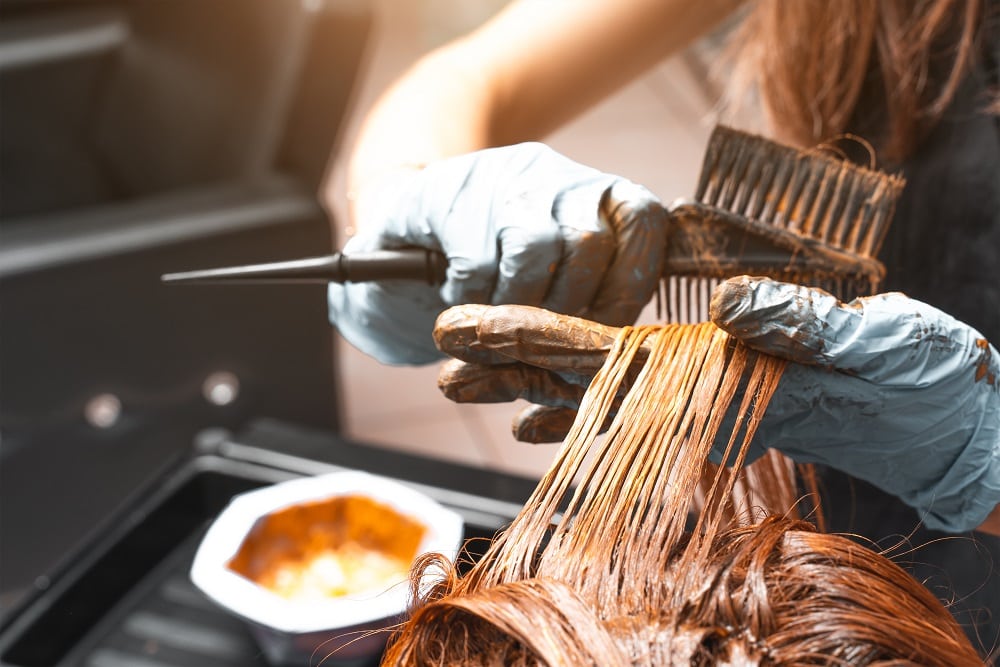
If you wish to cover your grays or just soften the contrast between your base color and highlighted hair, you can simply darken your hair.
Doing so can help freshen up your roots or delay your next salon visit. And not only is this healthier for your hair than lightening, but it’s easier and less complicated to do. One honest caveat: an all-over darker shade shows silver regrowth sooner, not later; highlights exist partly to blend grays as they grow out.
To do that, here are the steps you need to take:
Step 1. Choose your color wisely.
You may already have a color in mind. First, however, you must find a shade that matches the tone of your hair to make it look more natural.
Here are two simple tips:
- Choose a shade with auburn or golden tones if the bleached hair has orange or yellowish undertones. This can help reduce a greenish tint.
- If the bleached hair has a purple or blue undertone, go for an ashy shade.
Important: If you are going more than 2 shades darker, you will need a filler step (also called repigmentation); skipping it is how the new color comes out flat or hollow and fades fast. This means adding warm red or copper tones first, then applying your target brown shade. Simply using a golden brown dye might not be enough to prevent a muddy green cast on very light highlights.
And if you only want to go a shade or two darker, a toner over the highlights can be all you need to soften them, especially while you are not fully sure you want to lose them.
Step 2. Apply the color.
It’s quite challenging to fully cover bleached hair. Section the hair for even application and follow the exact color system’s directions. Do not add a blanket 5-or-10-volume rule that overrides the product’s developer requirements; previously lightened or porous hair needs an individual assessment.
Step 3. Rinse with cold or lukewarm water.
As the water is running, run your fingers through your hair to get rid of the excess dye, and keep rinsing until the water runs clear or nearly clear. Then, apply a color-retaining shampoo and conditioner to remove the remaining harsh chemicals from the dye and seal in the color.
It’s essential to use only cold or lukewarm water, as this will help seal and preserve the dye in your hair.
How to Lighten Already-Bleached Hair?
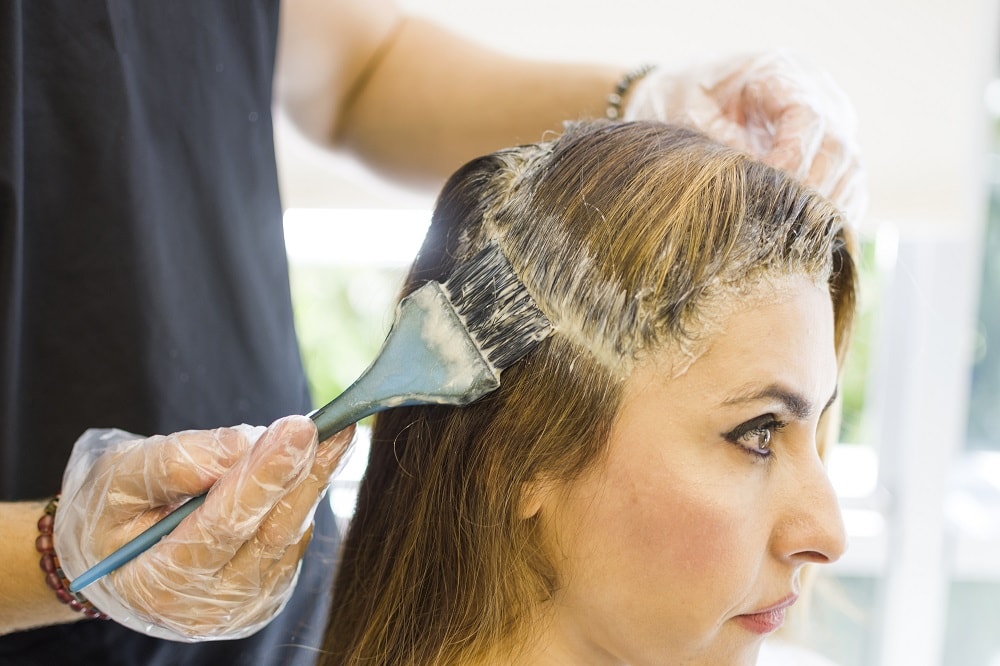
Lightening your bleached hair is much more damaging and complicated than darkening your bleached hair.
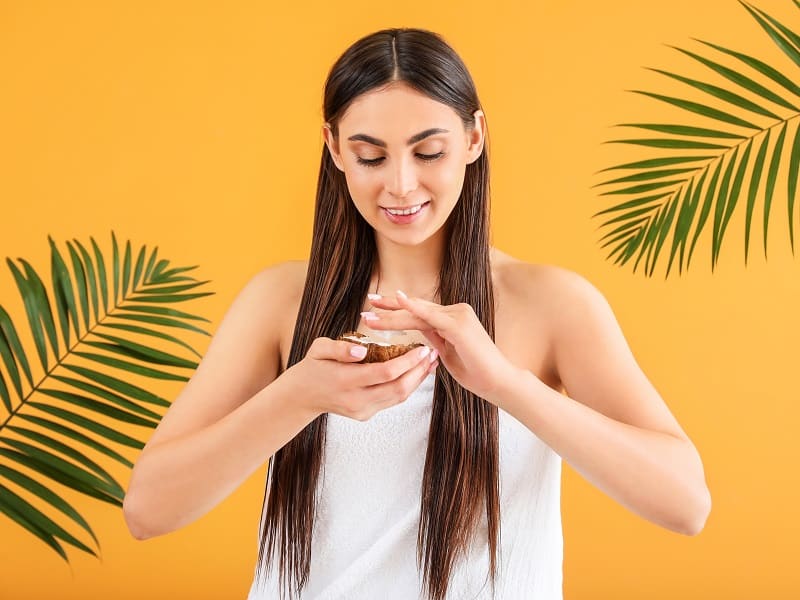
Because of this, you must wait for 6 to 8 weeks after the first bleaching process. During the wait, we recommend you boost hair hydration with hair masks and deep conditioning treatments, then seal with natural oils.
Please note that we recommend you visit a professional hairstylist for this kind of service to minimize damage.
But if you plan on bleaching hair at home, here are the steps to take:
Step 1. Check your hair health.
To ensure that your hair can withstand another bleaching process, ensure it’s free from any signs of damage like breakage, frizziness, dryness, and dullness. Do a strand test first: the strand must not turn gummy, and it should sit the full processing time without weakening, before you trust the whole head to it.
Step 2. Plan your lightening safely.
There is no safe one-size-fits-all chart for “how many sessions” you will need on already highlighted hair. Your results depend on your current level, your hair’s condition, and your hair’s color history. Always use your strand test to guide your next step, and expect that more than one gentle session may be needed.
Step 3. Proceed with bleaching your hair.
Bleach your hair following the instructions provided in the packaging.
Crucial: Do not apply bleach to hair that is already lightened (your highlights). Only apply bleach to the darker areas, such as regrowth. Overlapping bleach on previously highlighted hair can cause breakage.
Remember that you should wait for 6 to 8 weeks before performing another bleaching treatment.
How to Cover Highlights?
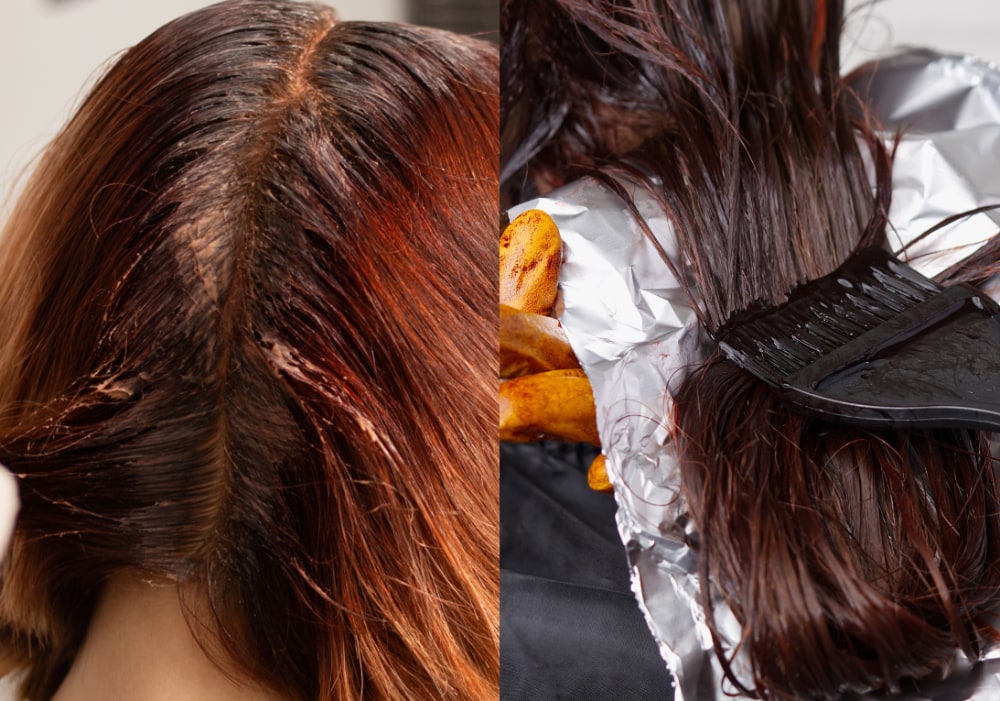
Since you’ll be covering two tones (your base color and highlights), this is one of the most challenging things to do. To cover your highlights and create a solid-colored hairstyle, here are the steps to take:
Step 1. Find the right shade.
To cover highlights completely, you do not need foils. Choose one target shade for an all-over result.
Important: If you are going more than 2 shades darker, you may need a filler step (adding red or copper tones first) before applying your target permanent color. This helps prevent a muddy or green cast on very light highlights.
Step 2. Divide your hair.
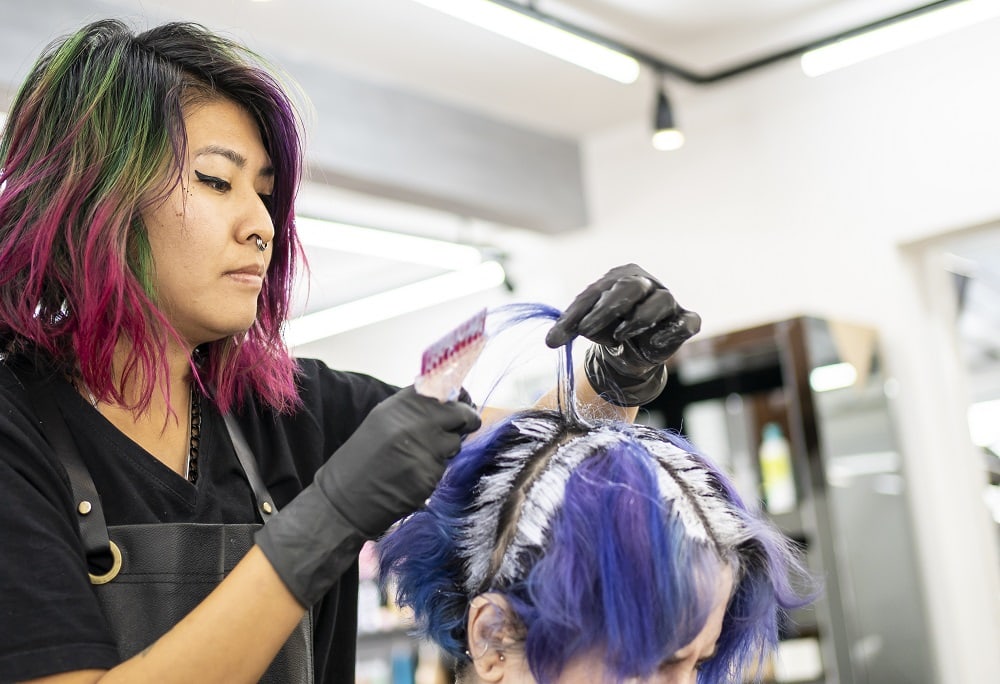
Divide your hair into small sections so you can fully saturate every strand, especially the highlighted pieces.
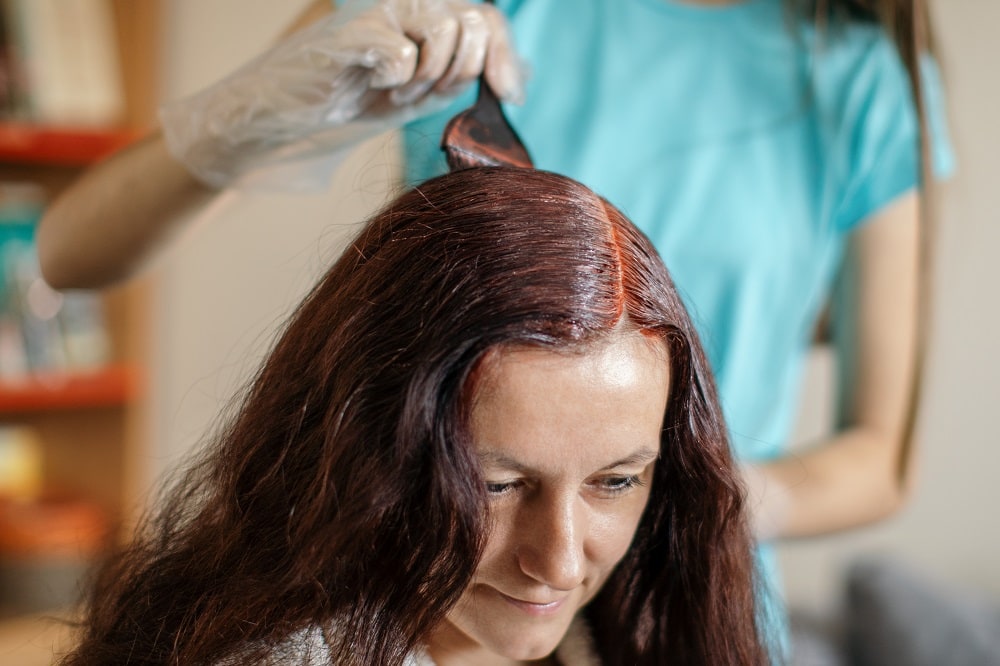
Step 3. Apply the hair color.
If you are using a filler, apply it first as directed, then rinse and towel-dry if the product instructions require it. Next, apply your target permanent color from root to tip, ensuring the highlighted strands are fully saturated.
Work on fully dry hair for permanent or semi-permanent color (toners and demis can go on towel-dried hair, but they dilute, which is not what you want when going darker), and leave the color on for the full recommended processing time: rinsing early can leave it lighter than you wanted, with patches that did not grab at all. A dark gloss at the end adds tone and shine.
Step 4. Rinse the hair color.
Rinse with cool or lukewarm water until the water runs clear. Then, apply a color-safe conditioner to help seal the cuticle and support shine.
Additional Safety Notes:
- If your hair feels gummy, stretchy, or breaks during the strand test, stop and see a professional.
- Do not bleach and dye on the same day unless a licensed stylist instructs you to.
- Wear gloves, work in a ventilated area, and avoid contact with eyes, brows, and irritated skin.
Can you color highlighted hair at home?
Yes, you can. However, we don’t recommend doing so.
Highlighted hair is trickier to work with than natural or colored hair. This is because the bleaching process strips the red, orange, and brassy pigments off the hair.
While these tones are a big no-no for blonde hair, they are naturally found in darker hair shades. Without these undertones, your hair can take on a muddy or greenish tone when you dye it darker.
Because of this, you should leave the process of re-dyeing your highlighted hair to the professionals.
How to take care of your hair after applying dye over highlights?
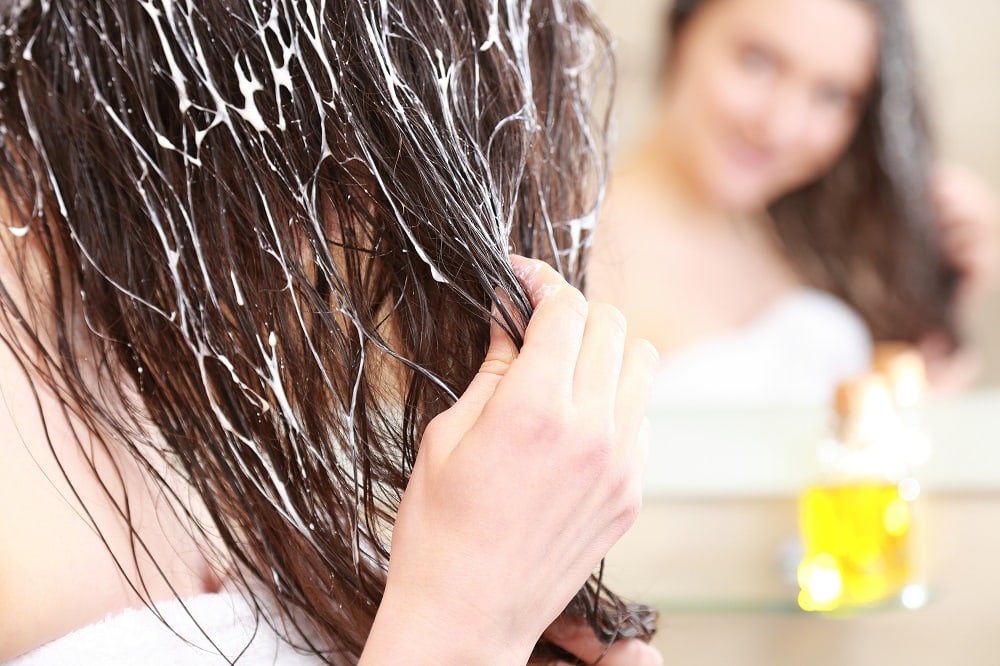
Your hair will need extra care in the subsequent weeks and months following dyeing over highlights. To provide it with the nourishment it needs, we recommend the following:
- Deep condition it every week.
- Minimize exposure to heat.
- Avoid chlorinated pools, as the chemicals can become too harsh on your hair.
- Use only color-enriched hair products to preserve the vivid color of your hair, and wash it less often at first: freshly colored hair, especially over porous bleached strands, releases color easily in the first washes. It can even take a second darkening session before highlighted hair really holds the color, which is normal.
So, Can You Color Highlighted Hair?
Can you dye hair over highlights? You certainly can! But please keep in mind that this is quite a complicated process to do. You can commit many mistakes along the way, so make sure you work with a professional hairstylist for this kind of service.
If you plan to do this at home, don’t forget to follow all the tips we’ve shared so you can enjoy perfectly colored, healthy hair!