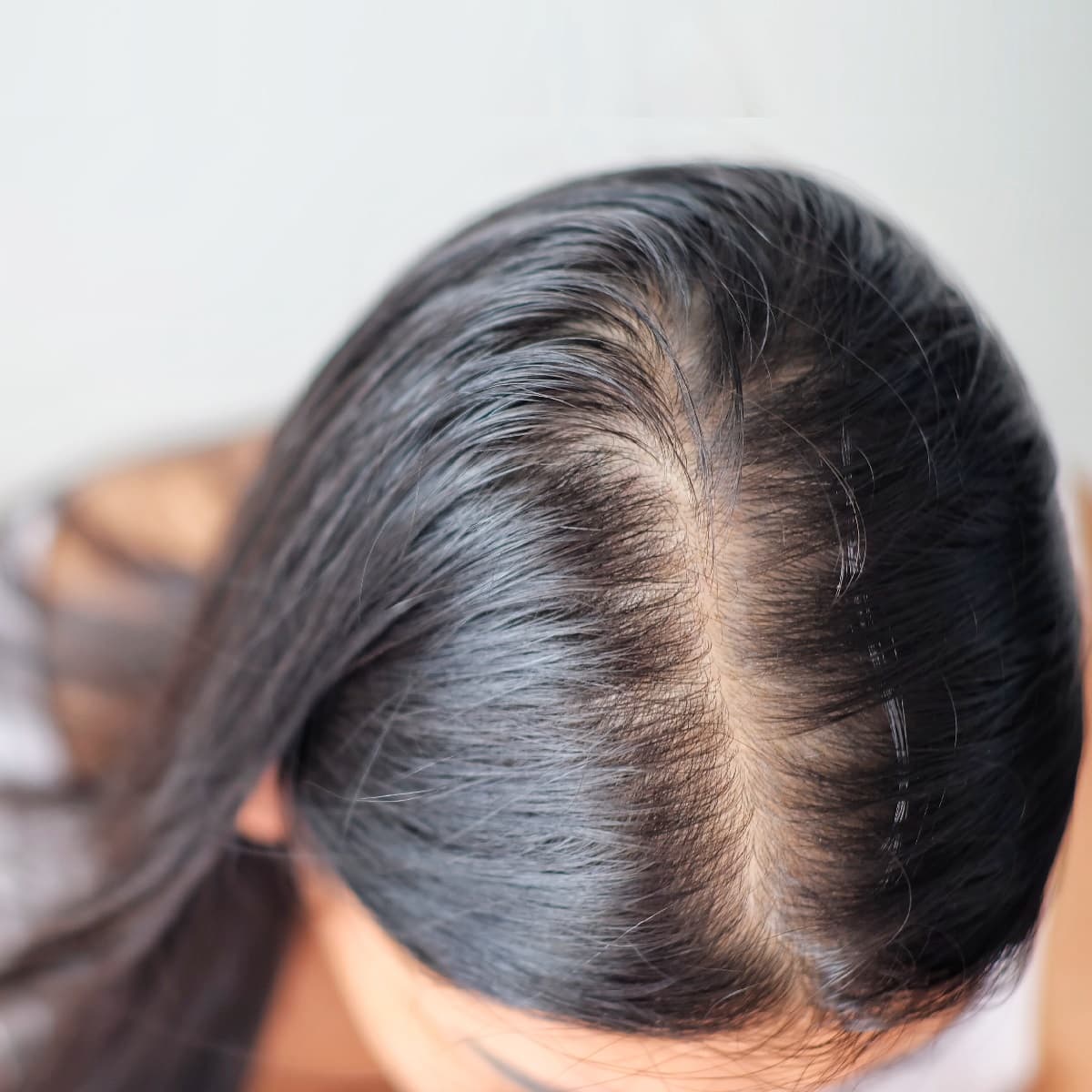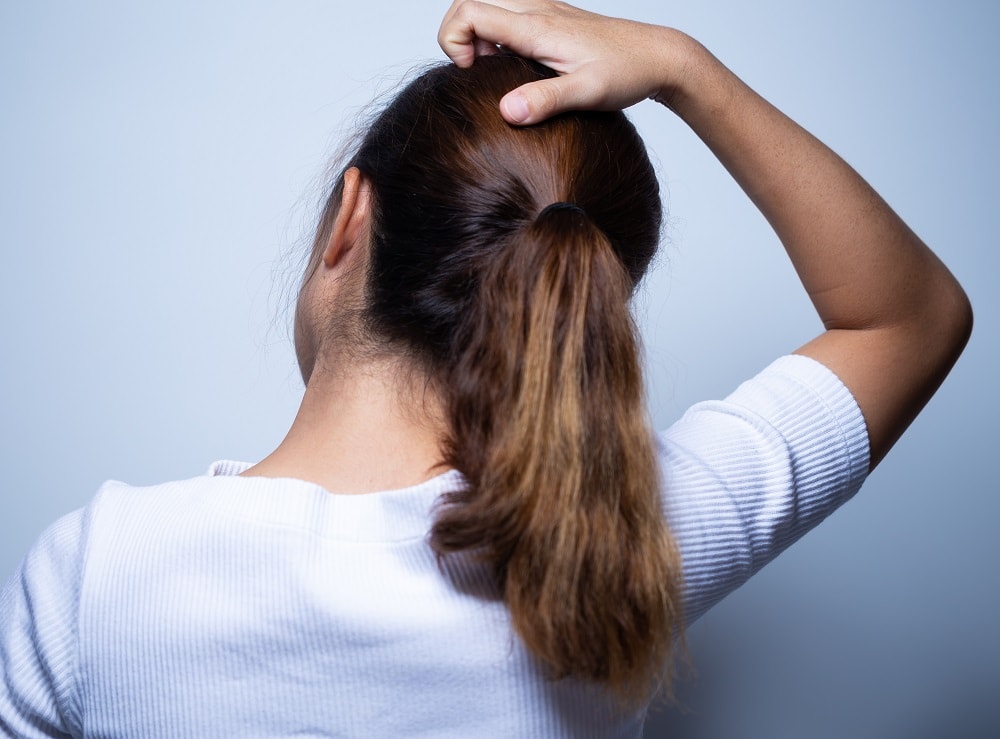

The internet is full of promises about growing thicker, longer hair overnight. Rosemary water, rice rinses, upside-down scalp massages, gummy vitamins: every week a new “hack” goes viral, usually with a dramatic before-and-after photo and very little context.
As a dermatologist, I am asked about these all the time. So I decided to go through the most popular ones and sort them honestly: what actually has science behind it, what is harmless fun, and what is simply a waste of time (or worse).
A quick ground rule before we start. Most of these remedies were tested, if at all, on one specific kind of hair loss, or only in a laboratory, not on the everyday thinning most people are actually worried about. Knowing the difference is half the battle, and I will point it out along the way.
In my clinical practice, I often meet patients who are incredibly motivated but feel overwhelmed by the conflicting advice on social media.

While "hacks" are enticing, your scalp is an extension of your skin and deserves the same evidence-based care and patience you'd give your face.
How I Ranked These 10 Hacks
I ranked these hair growth hacks by considering the overall quality of the scientific evidence, consistency of clinical results, safety profile, practicality, cost, and the likelihood of producing meaningful results in real-world patients. I also considered whether a treatment addresses the underlying cause of hair loss or simply offers a temporary or cosmetic benefit.
1. Scalp Massage: “A Few Minutes a Day Wakes Up Your Follicles”
Where it went viral: Scalp massage took off on wellness TikTok, helped along by the silicone “scalp massager” brushes everyone started using in the shower. The pitch: a few minutes a day “boosts blood flow” and wakes up the follicles. It is free, so it spreads fast.
What the research says: A small study of nine men (Koyama, 2016) found that four minutes of daily massage over 24 weeks measurably thickened hair. Stretching the skin may switch on growth-related genes.
I frequently encourage scalp massage as a low-cost, mindful ritual that fosters self-awareness of your scalp health. However, consistency is key. Don’t expect overnight results, as this is a slow, gradual process and not a primary fix for significant pattern hair loss.
Be gentle. Use the pads of your fingers rather than sharp nails to avoid micro-trauma or irritation to the scalp.
2. Microneedling: “The Regrowth Stack Reddit Swears By”
Where it went viral: Derma rollers blew up in Reddit and TikTok hair-loss communities, usually as “minoxidil plus microneedling,” with dramatic regrowth photo grids. At-home rollers are cheap and everywhere.
What the research says: This has strong evidence. A 100-man study (Dhurat, 2013) showed microneedling combined with topical treatment grew significantly more hair than treatment alone by triggering a repair-and-growth response.
While the science is solid, safety is my biggest concern with at-home rollers, as improper technique or lack of sterility can lead to infections or scarring. A professional treatment ensures the correct needle depth and medical-grade equipment, which is vastly different from a random roller bought online.
If you are using topical medications, always consult your dermatologist first to ensure your scalp barrier is healthy enough for this add-on.
3. Red Light Therapy Caps: “Shine a Light, Regrow Your Hair”
Where it went viral: Red light therapy for hair rides the larger red-light wellness wave, sold as sleek at-home “laser caps” and combs by influencers. Because it looks like a gadget, many people assume it is a gimmick.
What the research says: Low-level laser and light therapy (LLLT) is FDA-cleared for pattern hair loss. Randomized trials show improved hair density over several months, particularly in early stages of thinning.
I find that many people dismiss these devices as “gadgets,” but LLLT is a legitimate therapeutic tool I often recommend. It is best suited for those in the early to mid-stages of thinning who can commit to a consistent, long-term routine.
Realistic expectations are vital. It helps maintain and densify existing hair rather than resurrecting follicles in completely bald areas.
4. Rosemary Oil: “Nature’s Minoxidil”
Where it went viral: Rosemary oil was arguably the biggest hair trend of 2022 and 2023 on TikTok. It even got nicknamed “nature’s minoxidil.”
What the research says: One study (Panahi, 2015) found rosemary oil matched 2% minoxidil over six months with less itching. However, overall evidence remains limited compared to standard treatments.
Rosemary oil is more “real” than many hacks, but it is often framed as a miracle cure.
To use it safely and effectively, you must dilute the essential oil in a carrier oil (like jojoba or almond) to prevent scalp irritation. I always suggest a patch test on a small area first to ensure you don’t have a sensitivity to the botanical components.
Although the 2015 study showed comparable results to 2% minoxidil, the body of evidence is still relatively limited. I don’t believe the current data support recommending it as a reliable standalone treatment for most patients.
While some studies suggest rosemary oil may have modest benefits, I generally view it as a supportive treatment rather than a standalone therapy. In clinical practice, I find it works best as part of a comprehensive treatment plan alongside evidence-based therapies, depending on the underlying cause of hair loss.
5. Caffeine Shampoos and Serums: “Energize Your Follicles in the Wash”
Where it went viral: The idea that a wash can “energize” your follicles is catchy.
What the research says: In lab settings, caffeine can extend the growth phase of human follicles (Fischer, 2007). The issue is “contact time”: a shampoo is usually rinsed off far too quickly for significant absorption.
The gap between a petri dish and your head is significant. Follicles need prolonged exposure to active ingredients to respond.
While the mechanism is scientifically sound, a rinse-off shampoo is unlikely to deliver a therapeutic dose. If you want to try caffeine, a leave-on serum or scalp treatment is a much more logical delivery method.
6. Onion Juice: “The Kitchen Remedy With a Real Study Behind It”
Where it went viral: Onion juice is a home-remedy staple with striking regrowth statistics quoted across beauty channels.
What the research says: A 2002 study showed regrowth, but specifically in patients with alopecia areata, an autoimmune condition in which hair often regrows on its own, not in standard pattern thinning.
This is a classic case of misapplied research. Alopecia areata causes sudden, patchy loss and requires a very different approach than everyday thinning.
If you notice sudden patches or rapid shedding, please see a dermatologist immediately rather than reaching for the blender. Early professional intervention is critical for autoimmune conditions.
7. Rice Water Rinses: “The Ancient Secret to Waist-Length Hair”
Where it went viral: Viral on TikTok, anchored to the long-haired Yao women of China.
What the research says: Rice water is rich in inositol, which is thought to improve hair elasticity and reduce friction. This makes hair look glossier and break less, but it does not affect the follicle’s growth rate.
The honest reframe is that rice water is an excellent traditional conditioner that reduces breakage, which helps you retain length, but it won’t grow new hair. I caution against overusing it, as an excess of protein-like coatings can actually make some hair types feel stiff or brittle over time.
8. Biotin Gummies: “Thicker, Longer Hair From a Vitamin”
Where it went viral: Influencer brands and celebrity posts featuring pretty subscription bottles.
What the research says: Biotin only helps if you are deficient, which is rare. Furthermore, the FDA has warned that high-dose biotin can interfere with critical blood tests, including those for thyroid and heart health.
The laboratory interference point is one I frequently flag for my patients. Taking unnecessary supplements can have real-world medical consequences. If you’re experiencing persistent shedding, it’s worth a visit to your doctor for a blood panel to check for actual deficiencies (like iron or vitamin D) rather than starting a generic gummy subscription.
9. Castor Oil: “Grows Hair, Brows, and Lashes”
Where it went viral: A natural-hair community staple for “growing” hair, eyebrows, and lashes.
What the research says: No controlled studies show it grows hair. In rare cases, it can cause “acute hair felting,” where long hair becomes permanently matted due to the oil’s thick texture.
Castor oil is a lovely emollient for adding shine and conditioning the hair shaft, but it simply doesn’t talk to the hair follicle to stimulate growth. I have seen cases of severe matting or “felting” with very thick oils; if you have long hair, use it sparingly and with caution.
10. The Inversion Method: “An Inch of Growth in a Week”
Where it went viral: Claims that hanging upside down for four minutes can grow “an inch in a week.”
What the research says: Scalp hair grows about half an inch per month, a pace set by the hair growth cycle. An inch a week is biologically impossible.
You might increase some blood circulation in the area, but biology is a strict limit here. Your follicles cannot be rushed to quadruple their output by gravity.
Beyond being ineffective, this method can be dangerous for individuals with high blood pressure, glaucoma, or those who are pregnant. It’s best to keep your head upright and focus on scalp health.
My Final Ranking
- Red light therapy (LLLT)
- Microneedling (Professional)
- Scalp massage
- Rosemary oil
- Caffeine serums
- Onion juice
- Rice water
- Biotin gummies
- Castor oil (for growth)
- Inversion method
The “Worth Your Time” group earns its place because these methods either directly stimulate cellular activity (LLLT) or physically trigger a documented growth response (microneedling and massage). These are the pillars I recommend for an integrative approach to hair wellness.
So, What Actually Tends to Help?
The most important step is getting the diagnosis right. Hair loss is not a single condition. It can result from androgenetic alopecia, alopecia areata, telogen effluvium, nutritional deficiencies, hormonal disorders, scarring alopecias, and many other causes.
A treatment that works well for one type may do very little or even delay appropriate care for another. That’s why I always recommend identifying the underlying cause before investing time and money into any treatment.
True hair health is holistic. It starts with a healthy scalp environment, balanced nutrition, and stress management. When these foundations are in place, evidence-based tools like low-level laser therapy and professional-grade topical treatments have a much higher success rate in maintaining and improving hair density.
One of the most common situations I see is patients delaying effective treatment while trying multiple viral remedies they found online. By the time they seek medical care, their hair loss has often progressed significantly. While some natural approaches can play a supportive role, early diagnosis and evidence-based treatment usually provide the best long-term outcomes.
When to See a Dermatologist
Please stop experimenting with “hacks” and see a board-certified dermatologist if you notice sudden, patchy loss, redness, itching, or rapid shedding. We are here to help you find the root cause, whether it’s hormonal, nutritional, or autoimmune, and get you on a path that actually works.
Take Care & Stay Blessed,
Dr. Sanober Pezad Doctor, MD
Double Board-Certified Dermatologist