

Hair loss can feel personal. It can also feel confusing. The right hairstyle depends on your type of hair loss.
The crown and top of the head can thin with pattern hair loss. Some women also notice a wider center part early on. With traction alopecia, the hairline and edges are usually the first to look sparse.
This guide focuses on gentle styling ideas that help you feel put together while avoiding extra stress on fragile follicles.
What Is Alopecia?
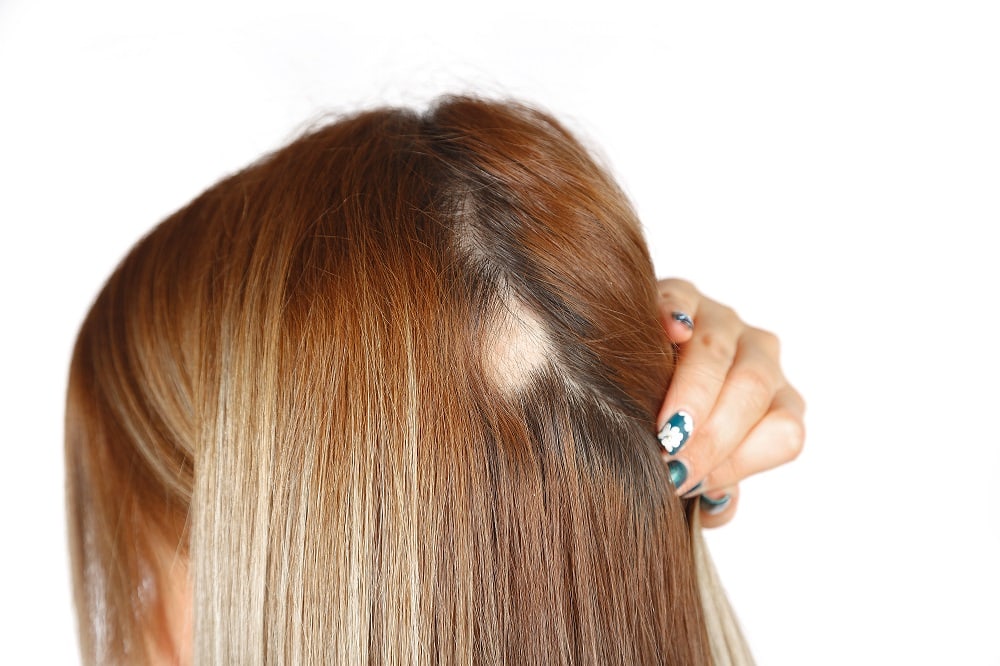
Alopecia is a medical term for hair loss. It can affect the scalp and other parts of the body. It can happen at any age.
The most common type is androgenetic alopecia. It usually shows up as gradual thinning and a wider mid-partition.
Alopecia areata is another type. It often causes patchy hair loss.
Traction alopecia is caused by repeated pulling on the hair. It often affects the edges and hairline. Tight ponytails, tight buns, heavy extensions, and small braids can make it worse.
If hair loss is sudden, painful, scaly, or fast, it is best to see a dermatologist or trichologist.
Tips & Tricks to Style Hair With Alopecia
If you are dealing with alopecia, styling can feel hard. The goal is coverage without stress. Choose low-tension looks. Avoid anything that pulls on the hairline.
Double board-certified dermatologist Sanober Pezad Doctor, MD, has firm rules for what a wig or topper should never do to a scalp:

A wig or topper should fit comfortably without creating pressure, friction, or traction on the scalp, and the cap or grip should be breathable and gentle, particularly when there is little or no hair underneath.
Attachments should not cause pulling, pain, or irritation, and I recommend giving the scalp regular breaks and keeping it clean and dry. I would avoid wearing one over an actively inflamed, painful, infected, crusted, or unexplained scalp lesion until it has been evaluated by a dermatologist.
If you prefer to keep some hair, temporary color sprays, a TWA (teeny weeny afro), or other natural hairstyles can be good options. Wigs and toppers can also help on days you want instant fullness.
You can also switch up your part. Add soft volume at the roots. Use light accessories such as headscarves, hats, and headbands to cover thin spots without pulling.
Style should never hurt. If a hairstyle feels tight, painful, or causes bumps, stop. That tension can worsen hair loss, especially with traction alopecia.
Hairstyling Ideas for Women with Alopecia
These styles focus on coverage and comfort. We recommend low-tension looks to avoid putting stress on fragile follicles. If your hair loss is from traction, the edges need extra care.
1. Buzz Cut
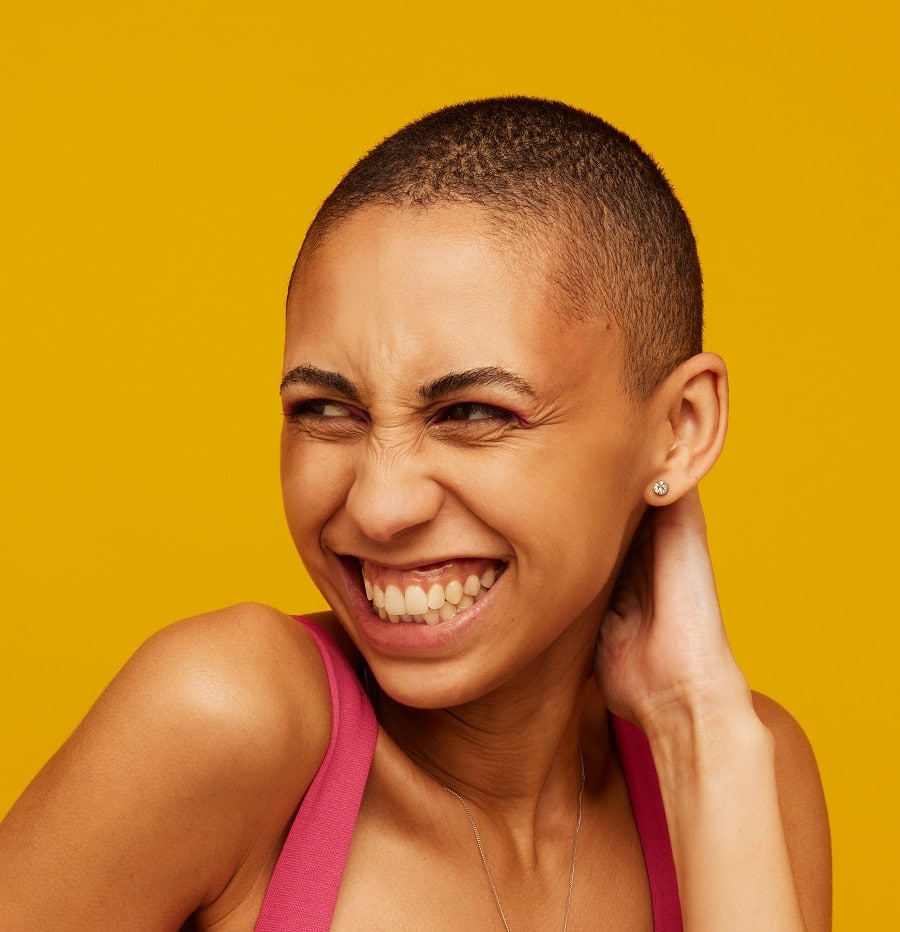
A buzz cut can feel bold and freeing. It removes the stress of daily styling and makes thin areas look more even. It is also gentle on the scalp.
2. Ponytail with Fade
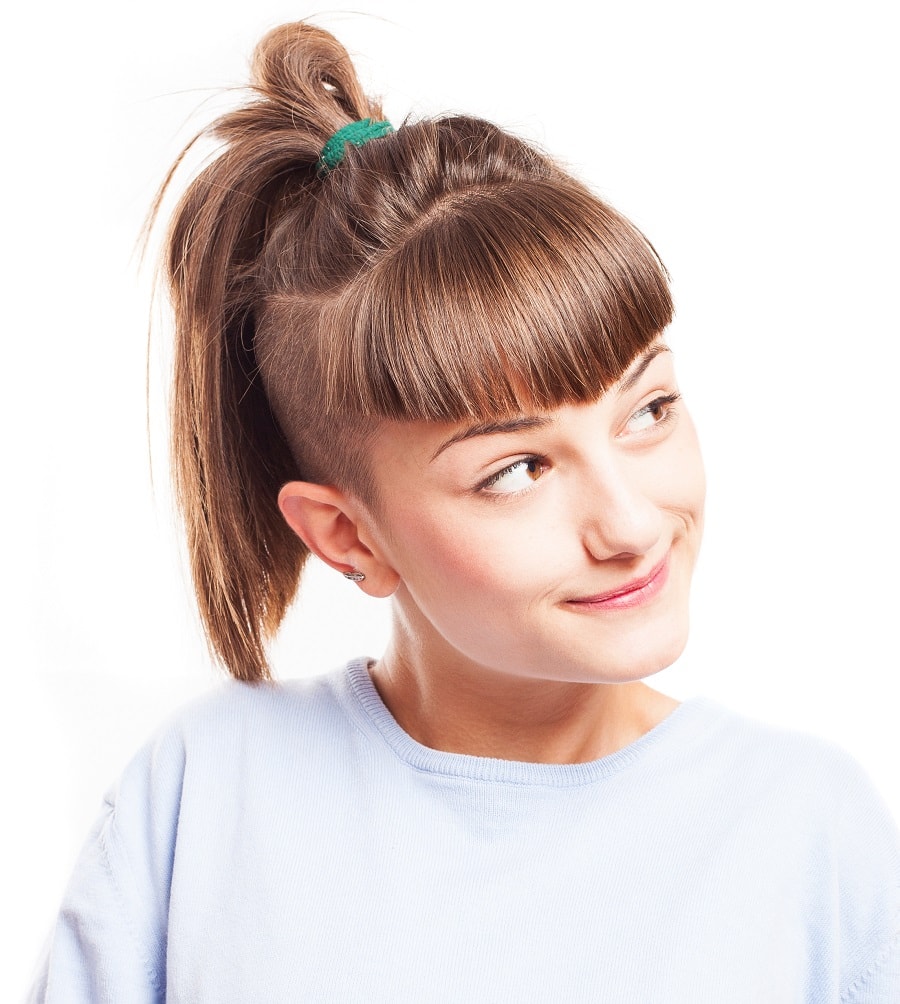
A partial fade can shift attention away from sparse patches and add structure. Pair it with a ponytail and angled bangs for shape.
Warning: Do not pull the ponytail tight. Tension can worsen hair loss, especially at the hairline. Use a silk scrunchie instead of elastic bands and keep the base loose.
3. Wavy with Bangs
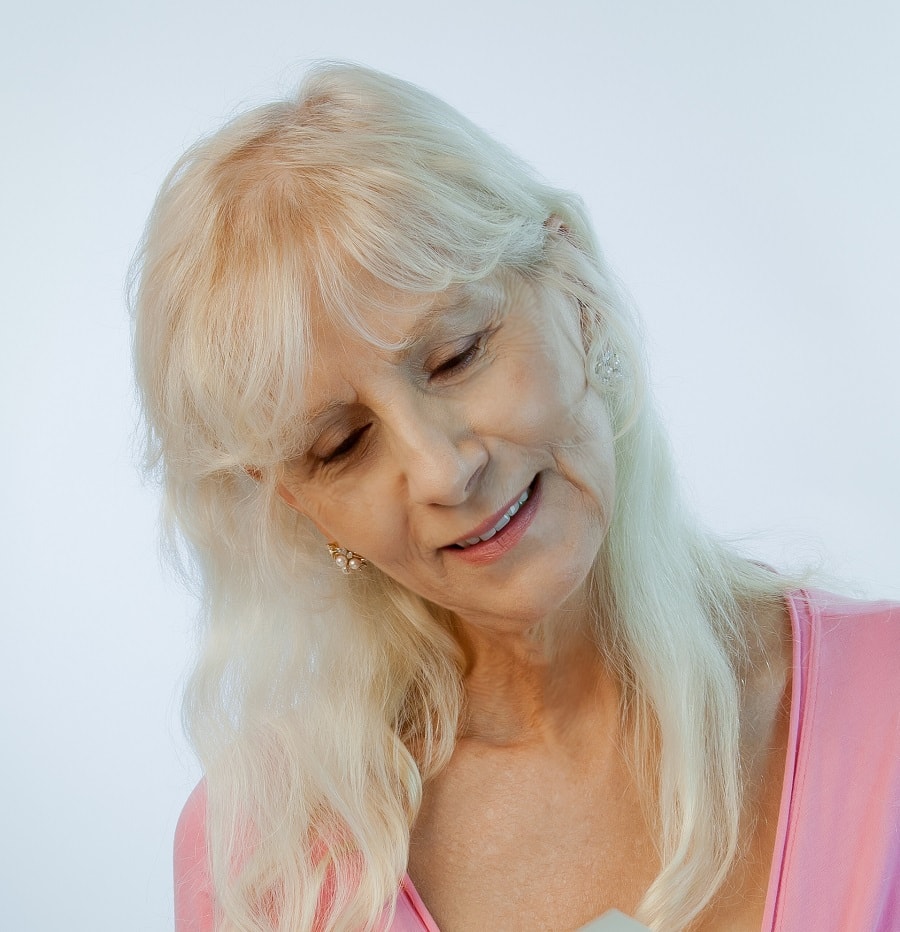
Soft waves add width and movement. Bangs can soften a wider part and help disguise thin density near the front. Use light mousse and avoid heavy teasing.
4. Highlighted Buzz Cut
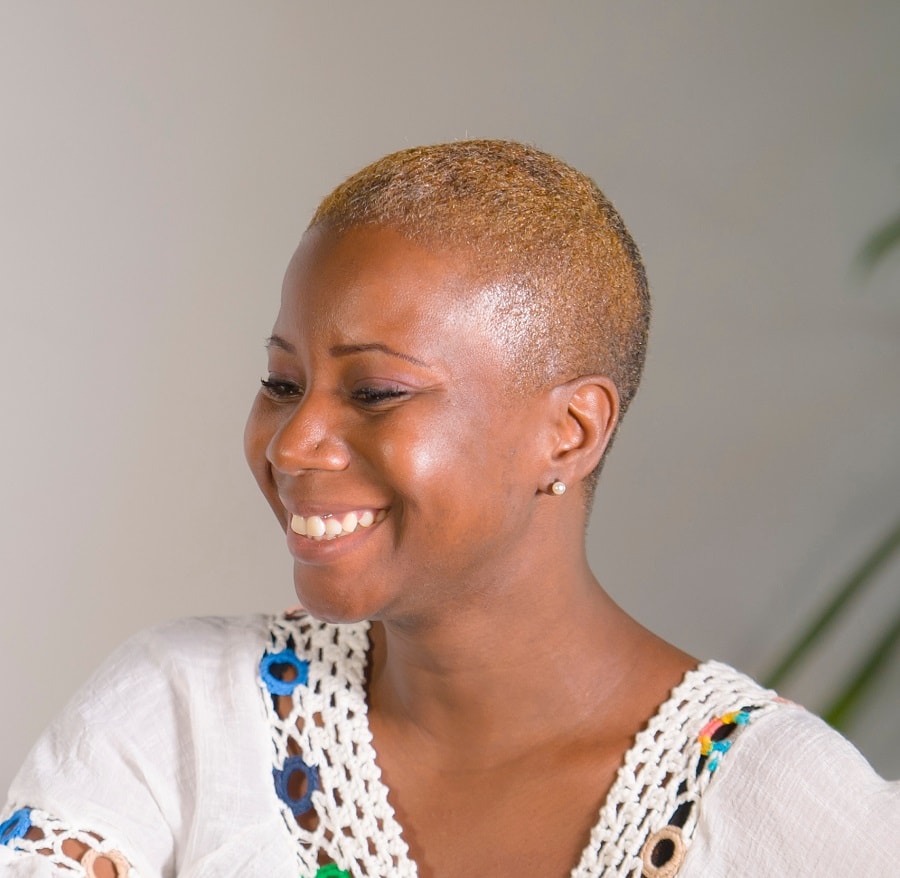
A soft highlight can add dimension and make the hair look denser. Keep it gentle and avoid over-processing if your scalp is sensitive.
5. Low Braids
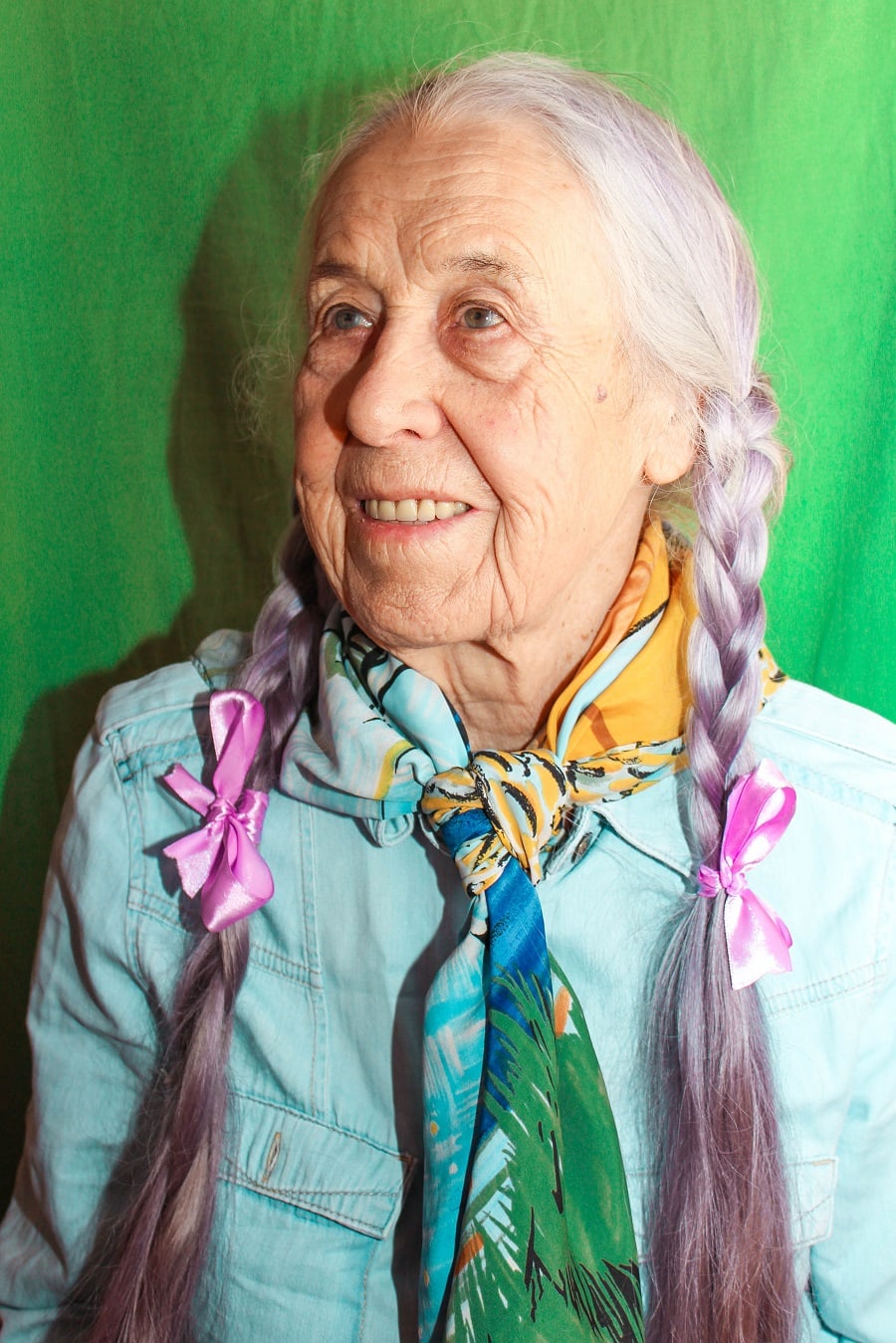
Two low, loose braids can be a simple way to control longer hair. Keep the braids soft at the root. If you feel pulling, loosen them right away.
6. Short Hair with Headband
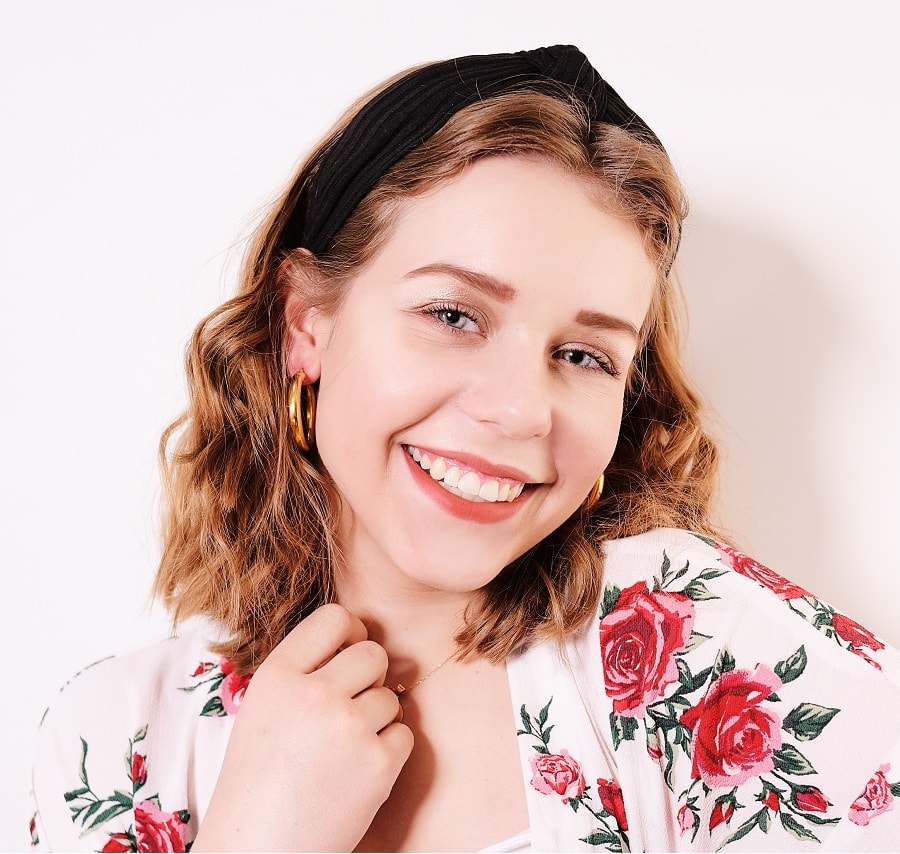
A headband can add lift at the crown and cover thinner areas near the front. Choose a soft band that does not squeeze the scalp.
7. Bun Updo
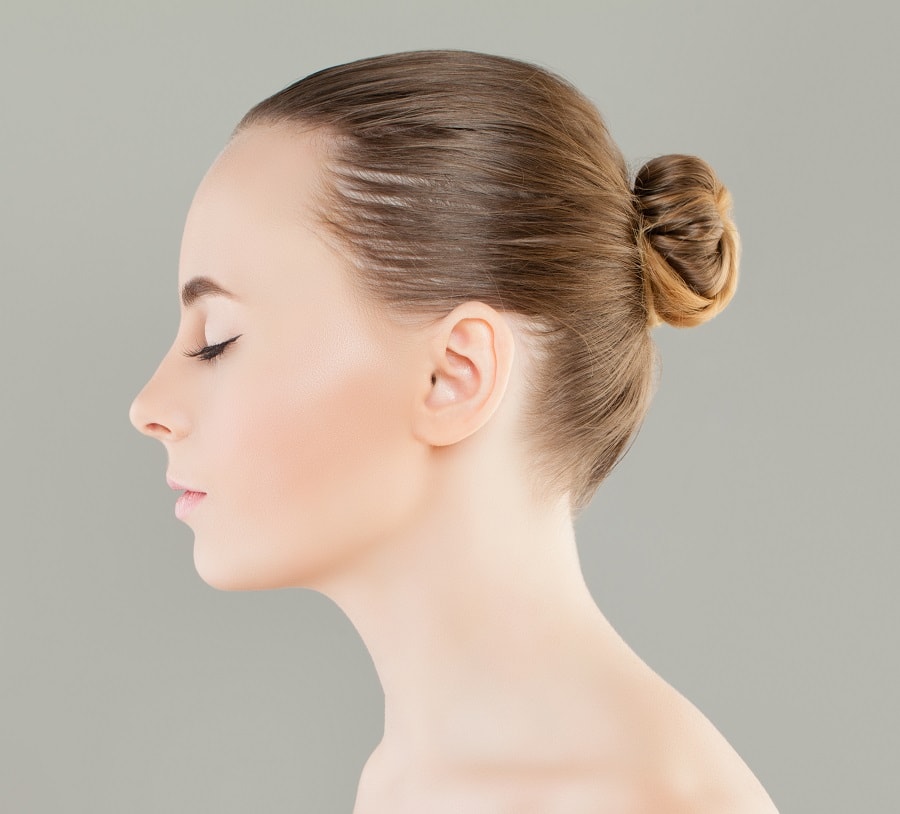
A low or mid bun can look polished fast. Keep it soft and a little messy so it covers sparse areas without pulling.
Warning: Do not slick the hair back tight. Tension can worsen hair loss. Use a silk scrunchie or a large claw clip and leave the hairline relaxed.
8. Side Bangs

Side bangs can help soften a wider part and frame the face. They also help distract from thin density around the temples.
9. Braid with Low Bun
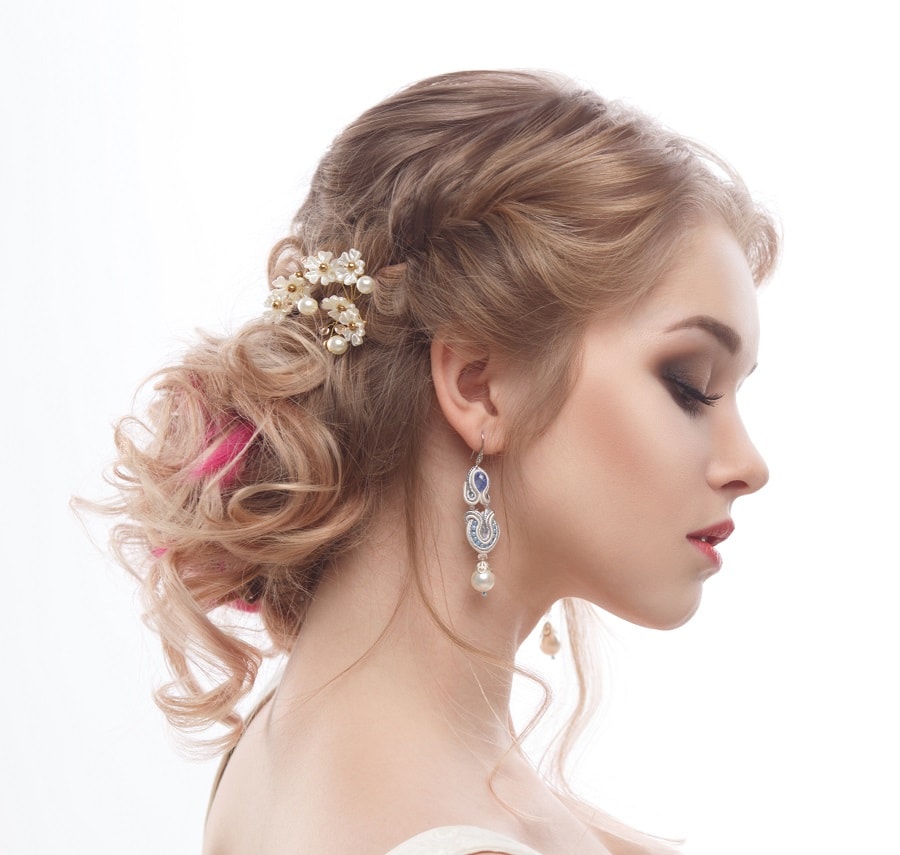
A loose braid on each side with a low bun can create texture and gentle coverage. Keep the braid sections light at the scalp so the style stays low tension.
10. Half Shaved Head
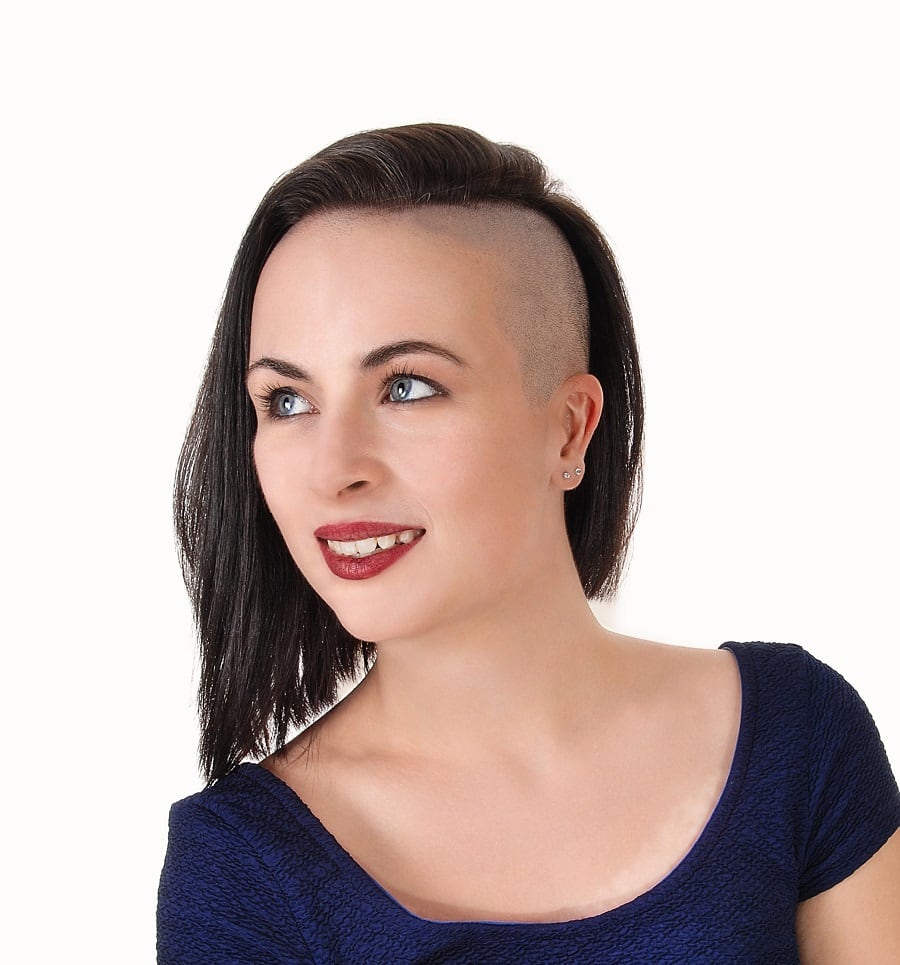
If hair loss is limited to one area, a half shave can make the shape look intentional. Pair it with a pixie or bob for a clean outline.
11. Halo Braid (Low Tension)
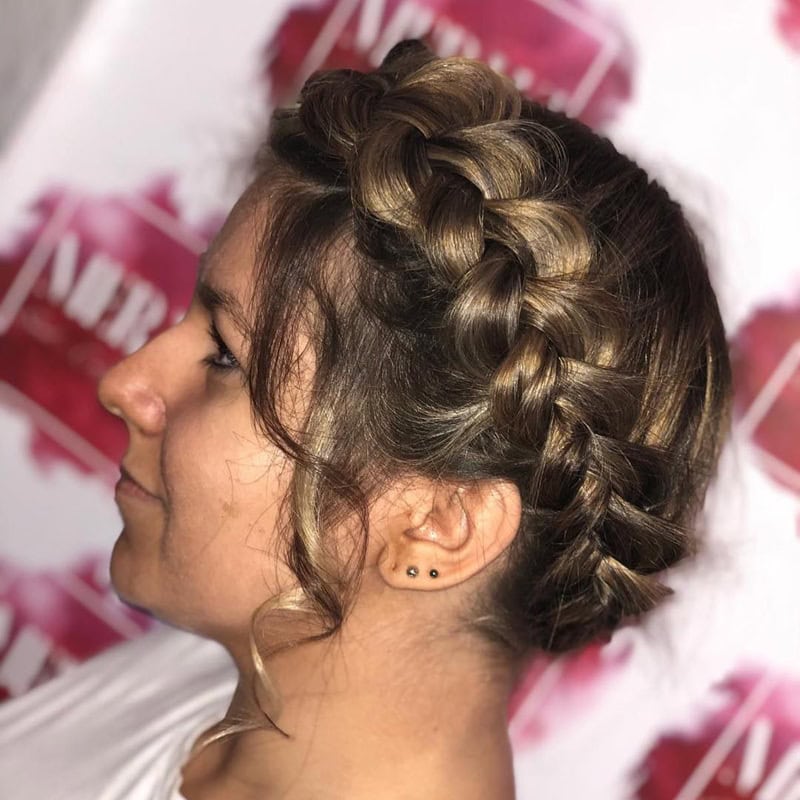
A halo braid can give a structured look without high tension when it is done loosely. Keep the braid bigger, not tight. Let small pieces sit naturally around the hairline if the edges are fragile.
12. Low Ponytail
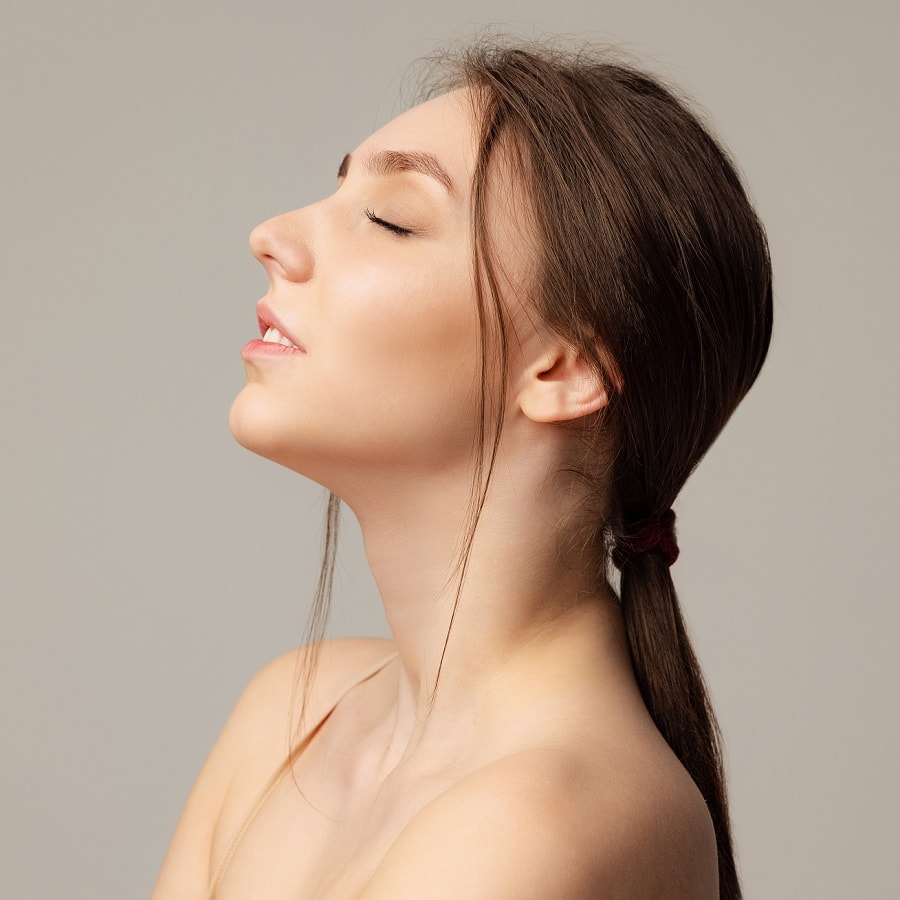
A low ponytail at the nape can feel easy and looks neat. Keep it loose and choose a soft tie.
Warning: Avoid tight elastics and tight brushing. Tension can worsen thinning and can trigger traction alopecia at the hairline. Use a silk scrunchie and vary placement day to day.
13. Colored Mohawk
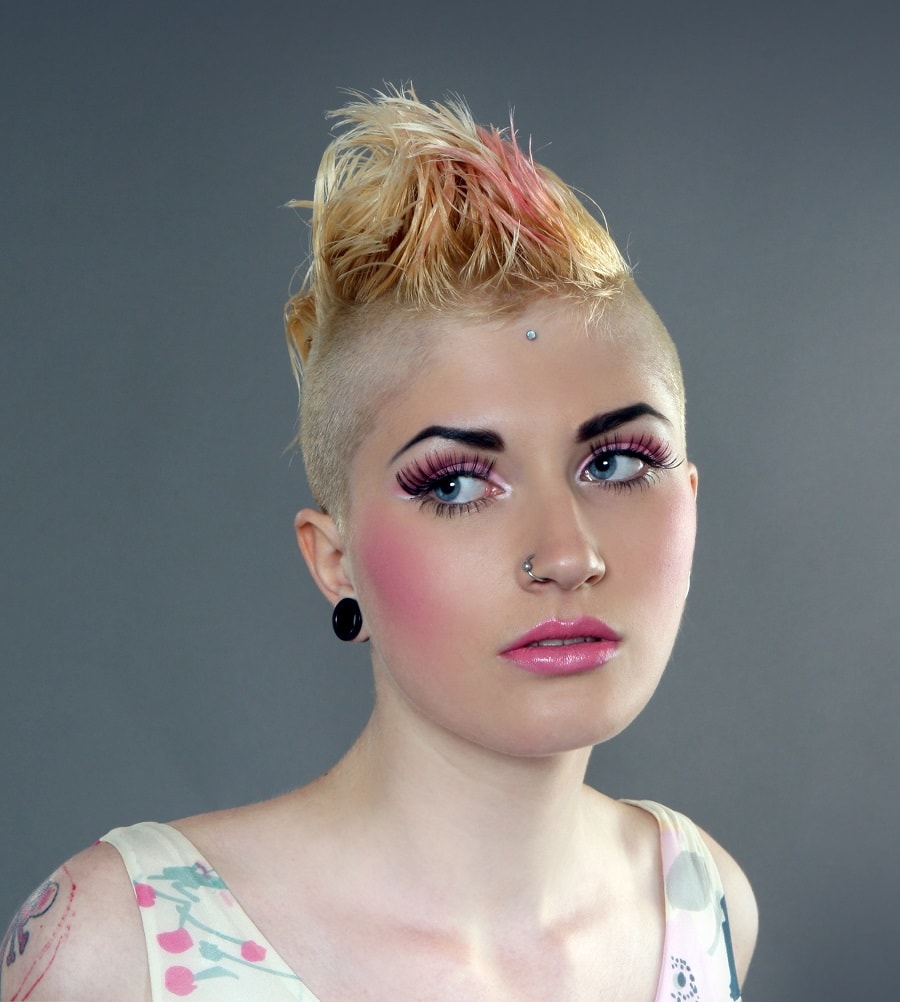
A mohawk shape can add height and make thin areas less obvious. If you color it, keep the formula gentle and skip heavy bleaching if your scalp is sensitive.
14. Loose Crochet Braids
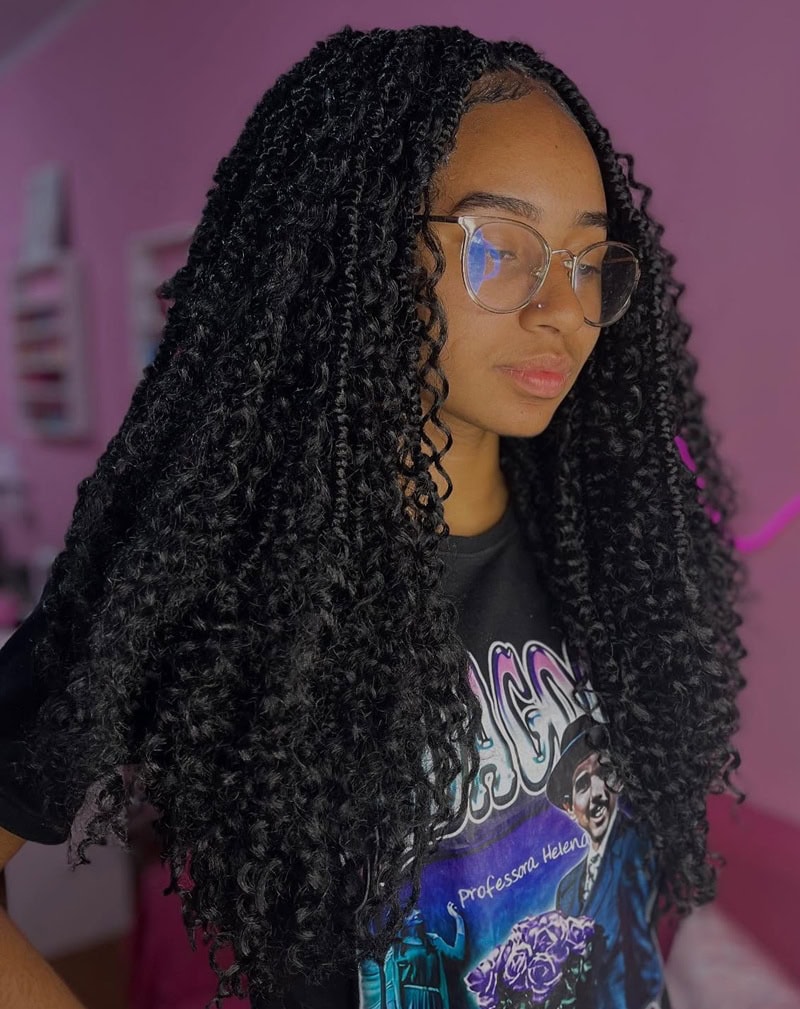
Loose crochet styles can offer coverage without the high tension of tiny braids. Ask for larger parts and a gentle install. If you feel pulling at the hairline, it is too tight and should be adjusted.
15. Burgundy Weave
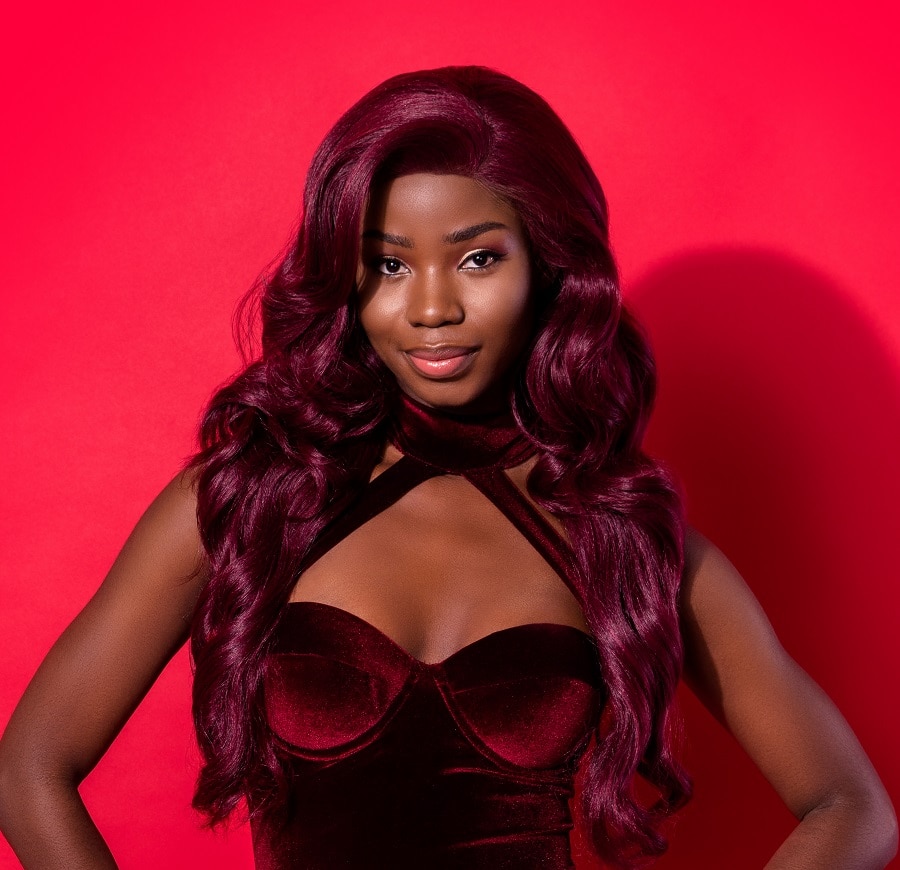
A weave can add instant fullness, but it must be installed carefully. Heavy tracks and tight sewing can add stress. Keep it light and make sure your scalp feels comfortable.
16. Natural Black Pixie
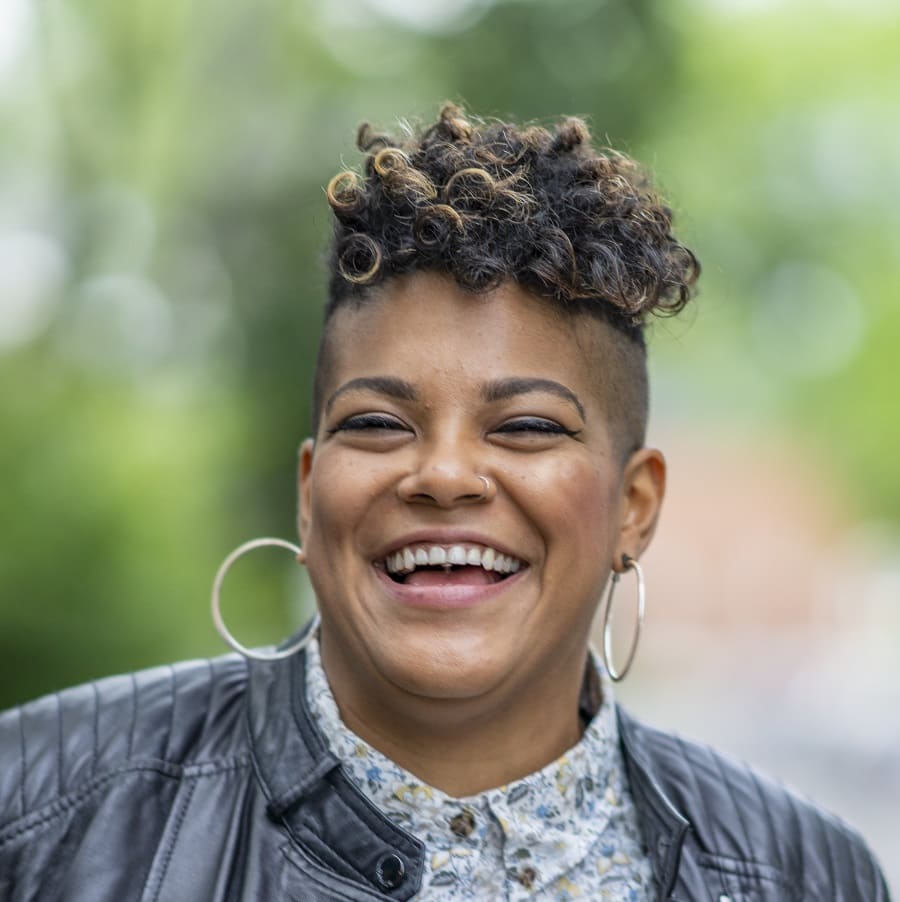
A short pixie can make thin areas less obvious. Keep the shape soft and avoid tight edge styling if your hairline is fragile.
17. Short Layered Pixie
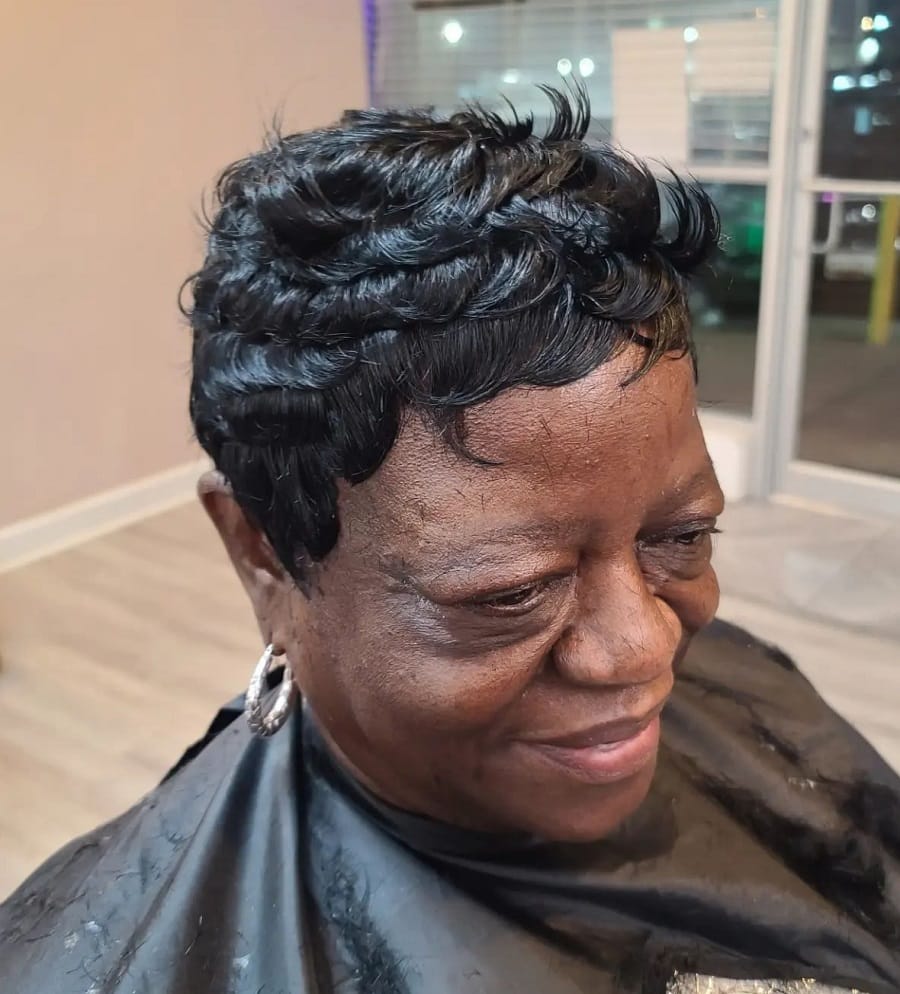
Short layers can add movement and make the hair look fuller. It is also easier to style gently. Ask your stylist for soft layering, not aggressive thinning shears.
Can You Dye Hair If You Have Alopecia?
Sometimes, yes. It depends on your scalp and your type of alopecia.
Hair dye colors the hair shaft. It does not directly “treat” the follicle. But dyeing can irritate the scalp and weaken fragile strands. If you have scalp sensitivity, active inflammation, or shedding that is getting worse, avoid harsh bleaches or strong ammonia formulas. Do a patch test 48 hours before any color and a strand test first, and stop if your scalp stings or reacts.
If you have alopecia areata, gentle coloring may be an option. If you suspect traction alopecia or you have a tender hairline, focus on low-tension styling first. A trichologist or dermatologist can guide you on what is safe for your scalp.
You should conduct patch tests and consider a salon treatment for the best results.
The best alopecia hairstyles are the ones that protect your scalp and help you feel like yourself. Choose low-tension styles, avoid pain or pulling, and get medical guidance if hair loss is sudden or getting worse. If you are tempted by online regrowth remedies, a dermatologist’s guide to viral hair hacks sorts the helpful from the hype.