

If you’ve ever colored your hair, you know it’s the first thing people notice about you. But if you’re one of the many people sensitive to chemicals, coloring your hair can also be a painful experience – especially if it makes your scalp itch. Let’s see some common reasons why your scalp itches after coloring your hair and what to do.
Double board-certified dermatologist Sanober Pezad Doctor, MD, says the clock is the best first clue after a color reaction:

Simple irritation tends to cause burning, stinging, or redness during or shortly after coloring, whereas an allergic reaction more often produces significant itching, swelling, or a rash that can develop hours to days later and may extend beyond the scalp.
If someone has had a significant reaction, I would not recommend simply trying the same dye again; I would have them evaluated, and patch testing may help identify the responsible allergen. Once an allergy is confirmed, the key is avoiding that ingredient rather than assuming a different product is automatically safe.
Is Itching Scalp After Coloring Hair Normal?
Mild tingling can be common during hair coloring, but persistent itching, burning, redness, or swelling is NOT normal. It can be a reaction or sensitivity. If you want to reduce risk, look for hair color labeled ammonia-free or PPD-free when possible, and stop using the product if symptoms start.
An allergy can cause itching after hair coloring, but it’s not necessarily a sign that the dye has damaged your hair. It can also result from chemicals found in most dyes or even scalp sensitivity to those chemicals.
Get urgent help
If you have swelling of your lips, face, tongue, or throat, trouble breathing, wheezing, or you feel faint, get urgent medical help. Hair dye reactions can also be delayed and start 24–72 hours after coloring.
Always Do a Patch Test 48 Hours Before Coloring
Most box dyes include an “allergy alert test.” Follow the packet directions and test the dye on a small area at least 48 hours before you color. If you react, do not use the dye.
Why Does My Scalp Itch After Coloring Hair?
If you’re experiencing itching, burning, or stinging after coloring your hair, it could be from the chemicals used in hair dye or several other reasons. The most common culprits are:
1. Allergy
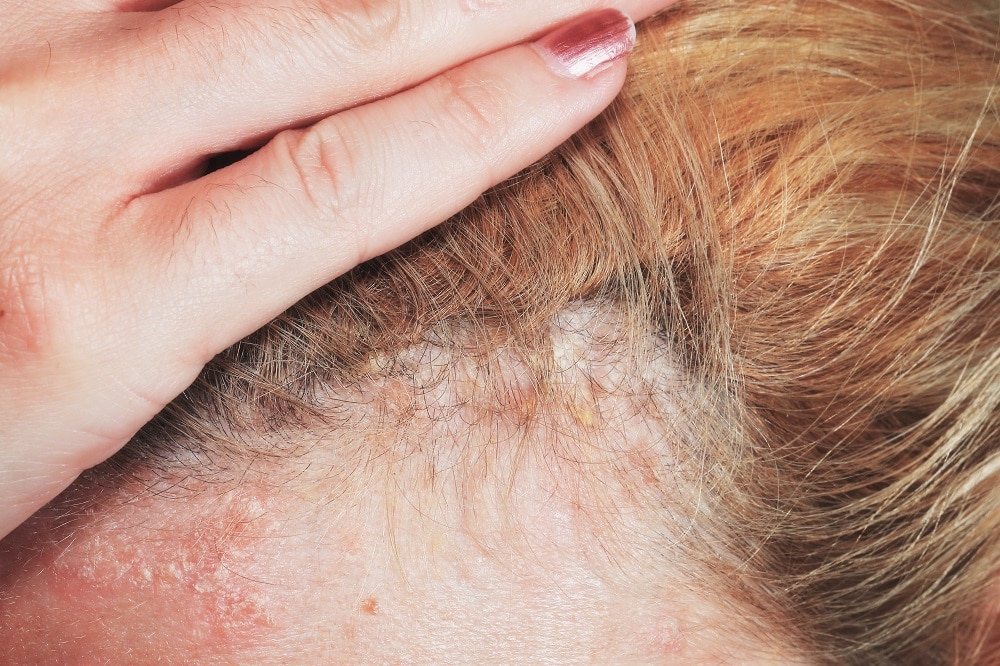
If you have an allergy or sensitivity to a particular ingredient in the hair color, it can cause your scalp to itch. The most common allergens in hair dye are the following:
- PPD (para-phenylenediamine): The most common trigger for hair dye allergies.
- Toluene-2,5-diamine (PTD): A common alternative to PPD that can still trigger cross-reactions.
- Resorcinol: A color modifier frequently linked to allergic contact dermatitis.
- Methylchloroisothiazolinone (MCI): A potent preservative used in some hair products.
2. Pre-Existing Conditions (Like Head Lice)
While hair dye does not cause lice, a pre-existing mild infestation can suddenly feel hyper-irritated after a color service. The chemical application can irritate the scalp, making you much more aware of an existing itch.
If you think lice may be the cause, wait until your skin irritation has fully settled and consult your clinician about the right next step. It is advisable to get rid of the infestation completely, and seek your doctor’s care before you use any external agent such as hair dyes.
3. Dry Scalp
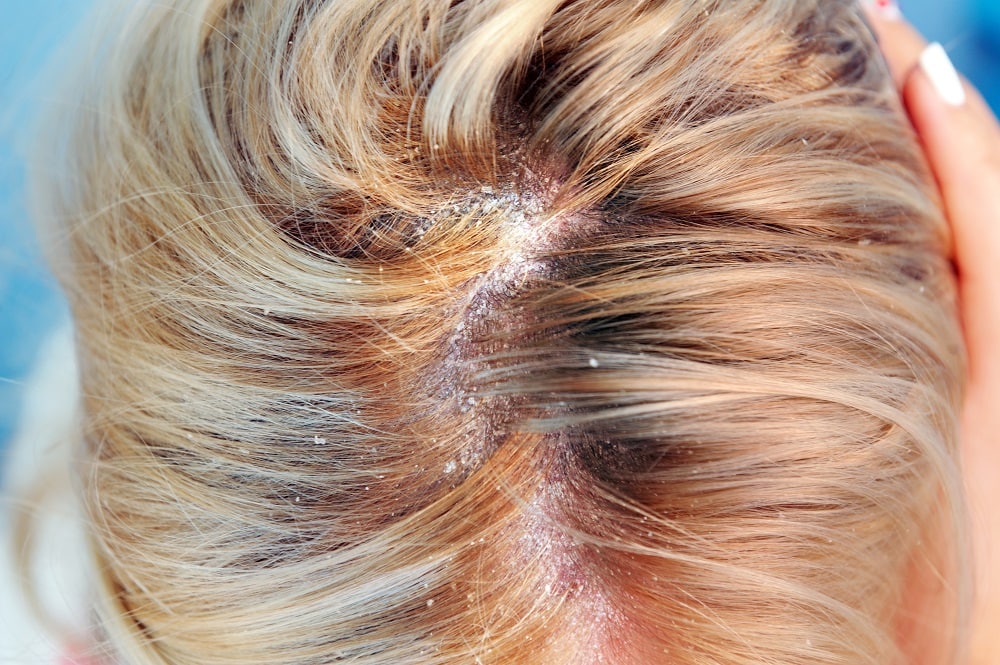
If you’re prone to dryness and itching, do not wash your hair 24–48 hours before coloring. Natural oils can help protect your scalp. You can also apply a thin layer of barrier cream (like petroleum jelly) to your hairline and ears to reduce staining and irritation.
Some hair products and harsh cleansers can dry out the scalp, which can cause dryness and flaking. High-alcohol products, strong fragrances, and some essential oils can be irritating if your scalp is sensitive.
4. Chemical Burns & Improper Application
You can experience a chemical burn if hair dye or lighteners (bleach) are mixed with a high-volume peroxide developer, or if the product is left on your scalp for too long. While ingredients like resorcinol and toluene-2,5-diamine are notorious for causing allergic contact dermatitis, true chemical burns usually stem from improper mixing or over-processing, which strips and damages the skin barrier. Always follow the manufacturer’s precise timing instructions.
5. Scalp Eczema Flare-ups
If your scalp is already sensitive or prone to flaking and irritation, the chemicals in hair dye can leave it feeling worse for a while, with more itching, redness, and flaking after coloring. If flare-ups are a recurring problem for you, it is worth checking in with a dermatologist before you color.
6. Scalp Psoriasis Triggers
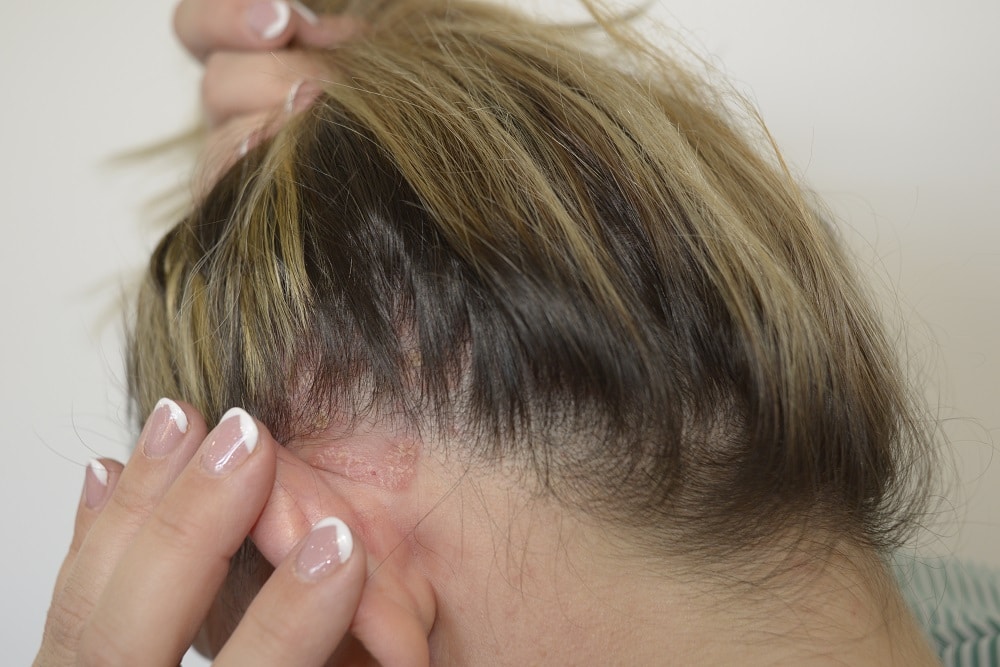
Scalp psoriasis is an underlying inflammatory condition that causes red, raised plaques covered in silvery scales. Applying permanent hair dye over an undiagnosed or mild case of psoriasis can severely irritate the area, triggering an immediate, painful flare-up.
How To Get Rid Of Itchy Scalp After Dyeing It?
If the itching sensation after you color your hair is too much, you can try these home remedies for relief:
Avoid Using Hair Dyes that Contain Harmful Chemicals
Some dyes are made of chemical ingredients that can cause allergic reactions in some people. Avoiding such dyes is better if you have sensitive skin or a scalp. Instead of vague “natural” dyes, look for PPD-free options, or consider semi-permanent direct dyes (no ammonia or peroxide). Be careful with “black henna” and some “natural” dark dyes, as they may still contain PPD.
Rinse Your Hair With Cool Water
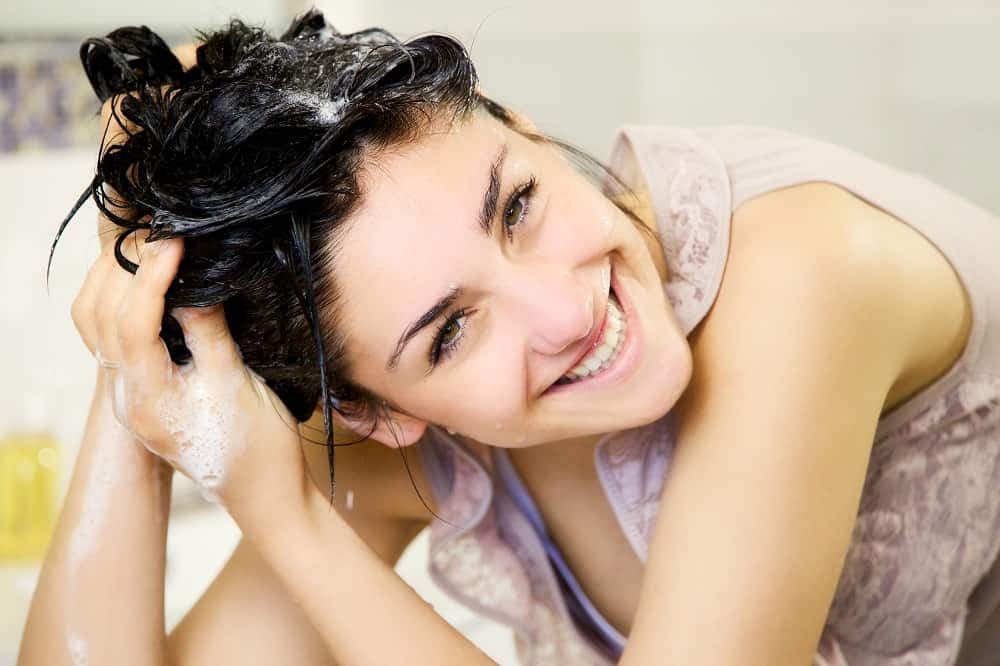
If your scalp feels itchy or hot after coloring, rinse your scalp with cool water and gently wash with a mild, fragrance-free shampoo to remove any leftover product. Avoid applying acidic rinses (like vinegar) to an irritated or scratched scalp.
Manage Dandruff and Flaking
Flaking after hair dye is not always true dandruff. It can be skin peeling from irritation or contact dermatitis. If your scalp feels raw, burning, or tender, avoid medicated anti-dandruff shampoos until the skin calms down. Use a gentle, fragrance-free shampoo and focus on soothing the scalp.
Avoid Scratching or Vigorous Massage
If your scalp is irritated, do not scratch or vigorously massage it. Friction can worsen irritation, trigger more itching, and increase the risk of infection if you have micro-abrasions.
Instead, keep the scalp cool, rinse gently, and choose gentle fragrance-free products until it settles.
Use a Gentle Conditioner
Try a gentle, fragrance-free conditioner on your hair lengths to reduce dryness and help with comfort. Avoid applying heavy, strongly scented products directly to an irritated scalp.
Apply Coconut Oil
If you’re finding your scalp is itchy after coloring, coconut oil can help. Coconut oil is a natural moisturizer and will help soothe your skin. That said, coconut oil can be drying for some scalps, so mix it 1:1 with castor oil before applying. Only use it if your dye has been rinsed out well and your scalp is not burning or blistered. Use the following steps to apply coconut oil to your scalp:
- Put some of the product on your fingertips and then rub them together until it’s soft and spreadable.
- Apply the substance onto your dry scalp, focusing on areas that are especially sensitive or irritated.
- Let it sit for at least 30 minutes before rinsing off with cool water and shampooing as usual.
Use Aloe Vera Gel on Your Scalp
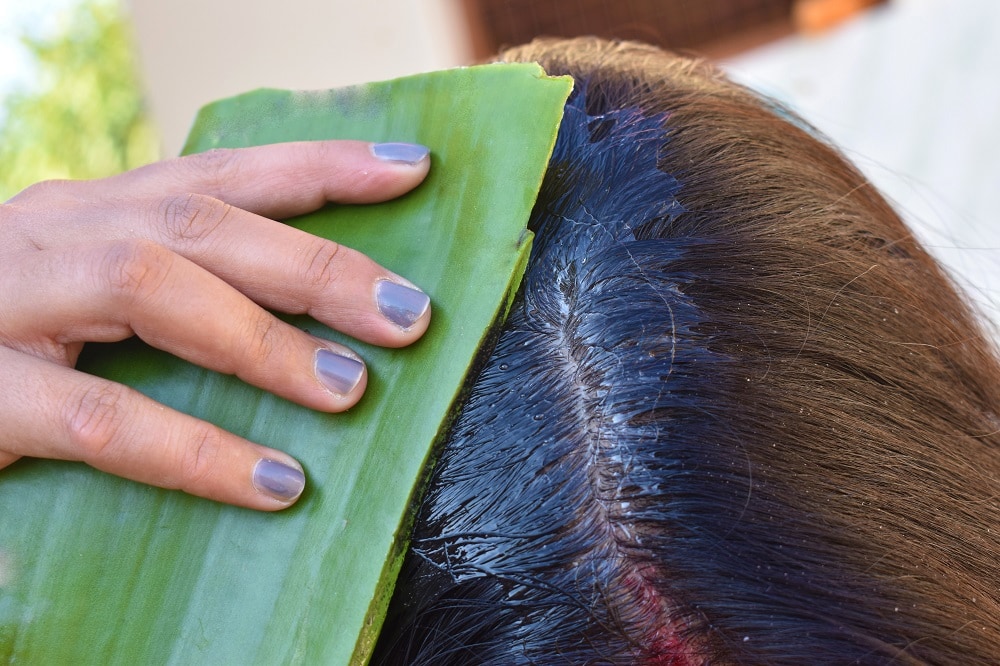
Aloe vera gel is excellent for soothing post-color irritation due to its natural anti-inflammatory and cooling properties. Use a pure, 100% alcohol-free aloe gel. Apply a thin layer directly to the irritated areas of your scalp, let it sit for 30 minutes, and then rinse gently with cool water. Do not mix it with other products or add water, as it is most effective in its pure gel form.
Which Hair Dye Chemical Should I Avoid To Prevent Itching?
“Sulfate-free dye” is not a useful label, because sulfates are usually found in shampoos, not hair dye. If you get itching from hair dye, the more important ingredients to watch for are PPD (paraphenylenediamine), ammonia (or similar alkalizers like MEA), and other sensitizers that can trigger reactions in some people.
If you react easily, look for hair color labeled PPD-free or consider semi-permanent direct dyes (no ammonia or peroxide). If you are unsure what is safe for you, a dermatologist can do formal patch testing.
After coloring, use a gentle shampoo and conditioner and avoid products loaded with alcohol or artificial fragrances if your scalp is sensitive.
How Long Does Itchy Scalp from Hair Dye Last?
The itchiness you feel after coloring your hair usually eases within a few days, though it can last longer. How long it lasts depends on your skin’s sensitivity and the dye you use. Keep in mind that some allergic reactions are delayed and can start 24–72 hours after coloring.
If the itching isn’t severe, it may be gone by the end of the day. However, this might not be the case for you if you have sensitive skin or are prone to allergic reactions. If your symptoms are getting worse, or you have swelling of the face or throat, trouble breathing, or dizziness, get urgent medical help.
So, what helps an itchy scalp after hair color?
The first step is always to flush the scalp with cool water and wash with a gentle, fragrance-free shampoo to remove any chemical residue. For minor irritation, pure aloe vera gel or a light application of coconut oil (on unbroken skin) can provide relief. Moving forward, always opt for PPD-free or semi-permanent formulas, conduct a 48-hour patch test, and avoid hair products containing high concentrations of drying alcohols or synthetic perfumes until your scalp completely heals.