

With the ever-increasing demand for experimenting with hair colors, the sheer number of new techniques can be overwhelming. It can be hard to tell which technique is which.
One of the major confusions in the hair color industry is the differences between color melting and balayage technique.
Generally, color melting creates a soft, seamless gradient, while balayage focuses on natural-looking, sun-kissed dimension.
Ask about balayage when you want painted-in brightness and dimension, and about a color melt when you want a softer transition between shades, including vivid colors; a melt can also finish a balayage, so the two techniques can be combined. Below, we cover both techniques and the main differences between them.
What Is Color Melting?
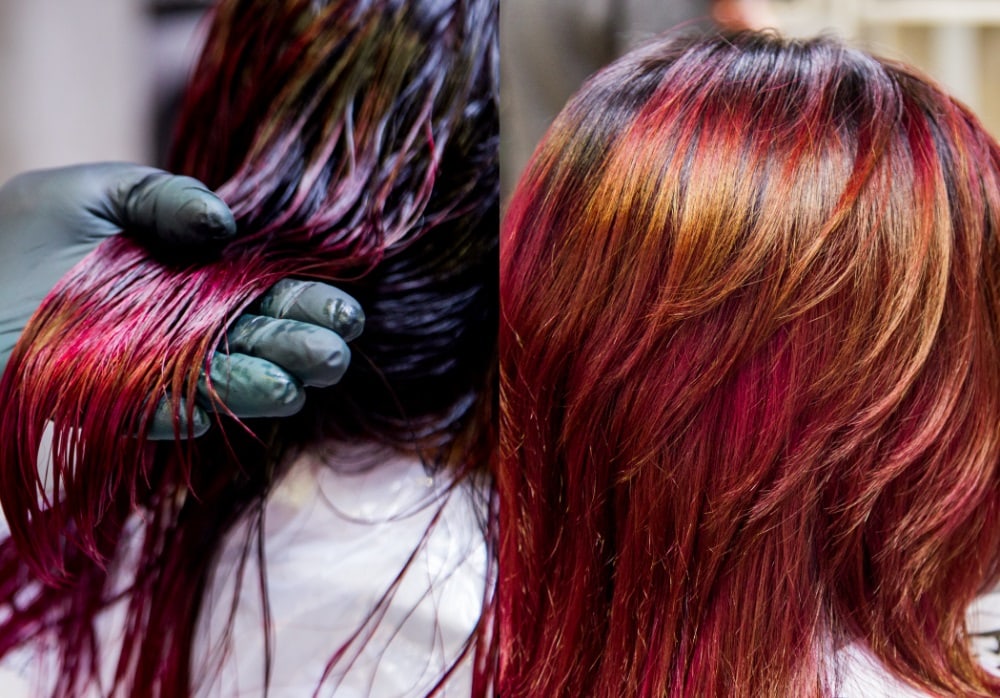
Color melt is a technique that involves blending two or more different hair dye shades seamlessly from the roots down through the mid-lengths and ends.
Although the method involves using different colors, they usually belong to the same family to create a perfect blend and a more natural look.
The main aim of this method is to create an illusion that the colors are melting together since there are no sharp root lines.
Color melting makes your hair look natural and softer, making it the best hair coloring technique if you don’t want to visit the salon regularly.
Color Melting Pros and Cons
Here is an evaluation of the pros and cons of color melting.
Pros
- Easy to maintain and generally less damaging than heavy lightening services.
- The color transition is quite smooth.
- It works with every color palette available, making it a versatile technique.
- It can blend with your hair base to make unnatural hair colors appear more natural.
Cons
- It is costlier than a traditional all-over color or root touch-up, though not more than a full balayage service.
- Color melting lacks the depth of highlighting techniques.
What Is Balayage?
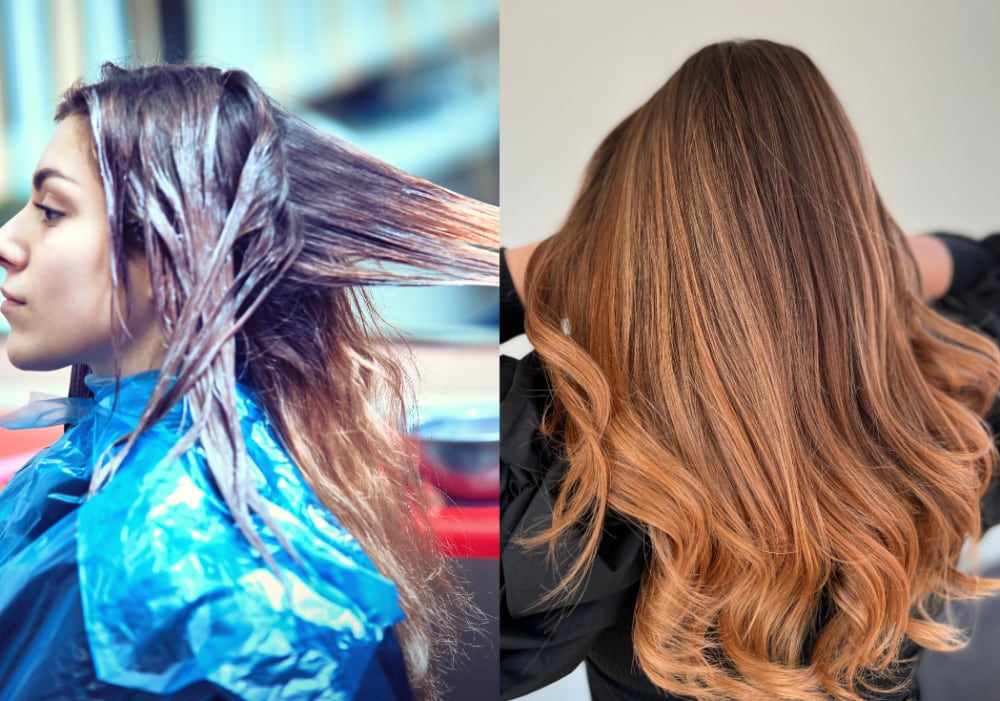
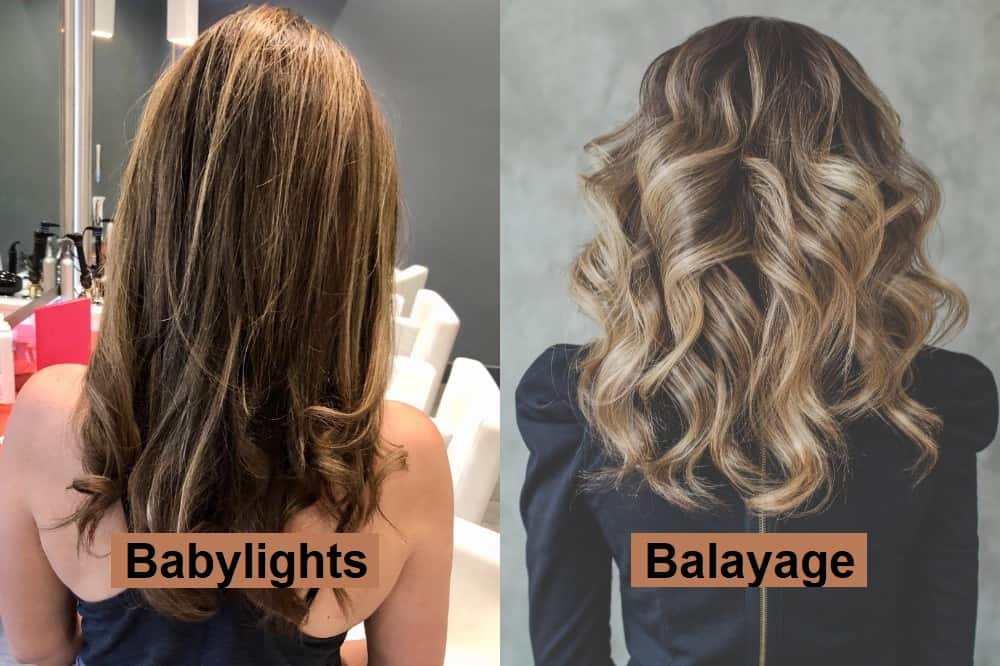
Balayage is a freehand highlighting technique where lightener is painted onto the mid-lengths and ends to create a natural, sun-kissed, dimensional look.
Because balayage leaves a softer transition near the roots, regrowth can look less abrupt than with many all-over color services. It can also look softer and more blended than a typical foil highlight.
Although not the best technique for every hair type, balayage is ideal for people who want ease in maintaining their hair with a more seamlessly blended color.
Balayage works beautifully on any depth of hair, from dark bases to light. It’s a wonderful way of introducing someone to hair-lightening procedures because it can be done gently and naturally.
Balayage Pros and Cons
Here are the pros and cons of balayage.
Pros
- Easy to maintain since the roots become less visible when your hair grows.
- Placement can be customized to add brightness and dimension where desired.
Cons
- Lightening the hair can lead to dryness if not maintained with proper hydrating and bond-building treatments.
- This coloring technique doesn’t cover gray hairs, unless a root color is added to the service, which can be done. Balayage cannot cover grays either, but it blends them beautifully.
What Do Color Melting and Balayage Hair Look Like?
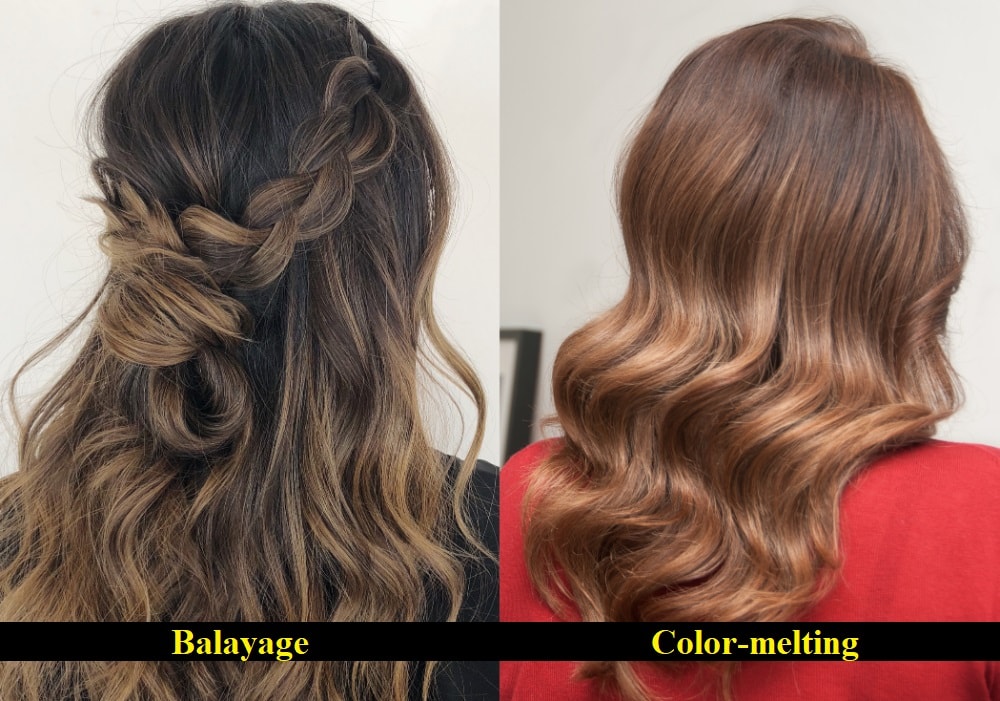
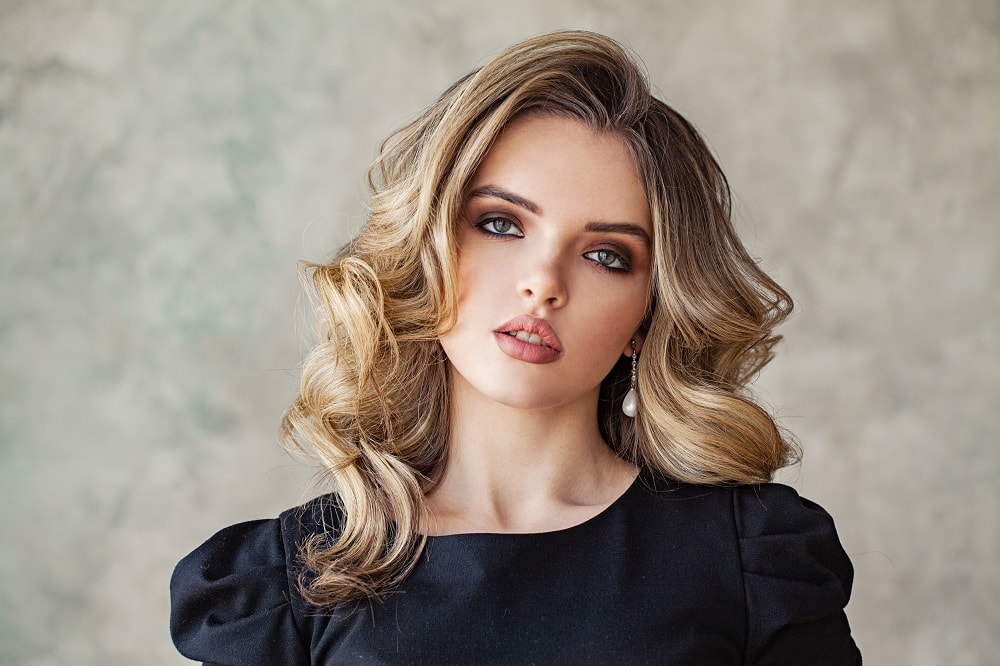
Color melting and balayage have different effects on your hair. When you use the color melting technique, the colors look like they’re literally melting together, and you cannot tell where they stop or start. It works especially well with toners to blend roots into highlights, the classic root melt.
The hair coloring technique also makes your hair appear lighter towards the end.
On the other hand, balayage involves using a lighter color to give your hair a more lightened natural look.
Instead of your hair having a color-blocked appearance, this hair coloring technique creates a smoother transition from darker to lighter strands. As a result, it appears more blended and multi-dimensional. A balayage can be color melted too; melting is really a finishing technique for softly blending tones rather than a separate style.
Major Differences Between Color Melt and Balayage Technique
Let’s look at the differences between color melt hair vs. balayage.
In senior stylist Emma Baxendale's chair, one of these is the canvas and the other is a finishing tool:
I only ever use balayage application with my clients; it is super customizable through the method and the toning process afterward. Where color melting earns its place for me is with toners, when a client with previous color lifts warm in bands: melting blurs that into one seamless dark-to-light fall.
It is also a great idea for vivids, melting a dark pink into a light pink from root to tip. For someone who does not want to live at the salon, balayage stays the lower-maintenance route.
Applying Technique
Color melt and balayage hair coloring techniques are quite different in various ways. When it comes to color melting, the stylists apply two or three colors in an overlapping pattern and smudge the hair strands together with their fingers.
Conversely, balayage involves applying color to the hair in a sweeping, vertical motion with your fingers or brush tip to produce a natural highlight. The melting can then happen at the toning stage, where the toner blurs the lightened pieces into the base for one seamless blend.
Appearance
Color melting uses two or three shades of hair dye, giving the hair a well-blended, seamless appearance. Color melting is less dimensional than balayage, but it still blends perfectly.
Cost
A color melting service typically costs between $150 to $175, while balayage hair coloring typically ranges from $150 to $450 or more depending on the salon and region.
The cost depends on the time a hair stylist spends during the entire process and the amount of dye used. The stylist’s level of expertise also influences the cost.