
Want to refresh your hair color without making a dramatic change? Highlights are one of the easiest ways to add brightness, softness, and dimension without coloring your entire head.
Balayage and babylights are two popular highlighting techniques, but they give very different results.
So, when it comes to babylights vs. balayage, which one is better for your hair? Let’s break it down.
Base color decides it for senior stylist Emma Baxendale:
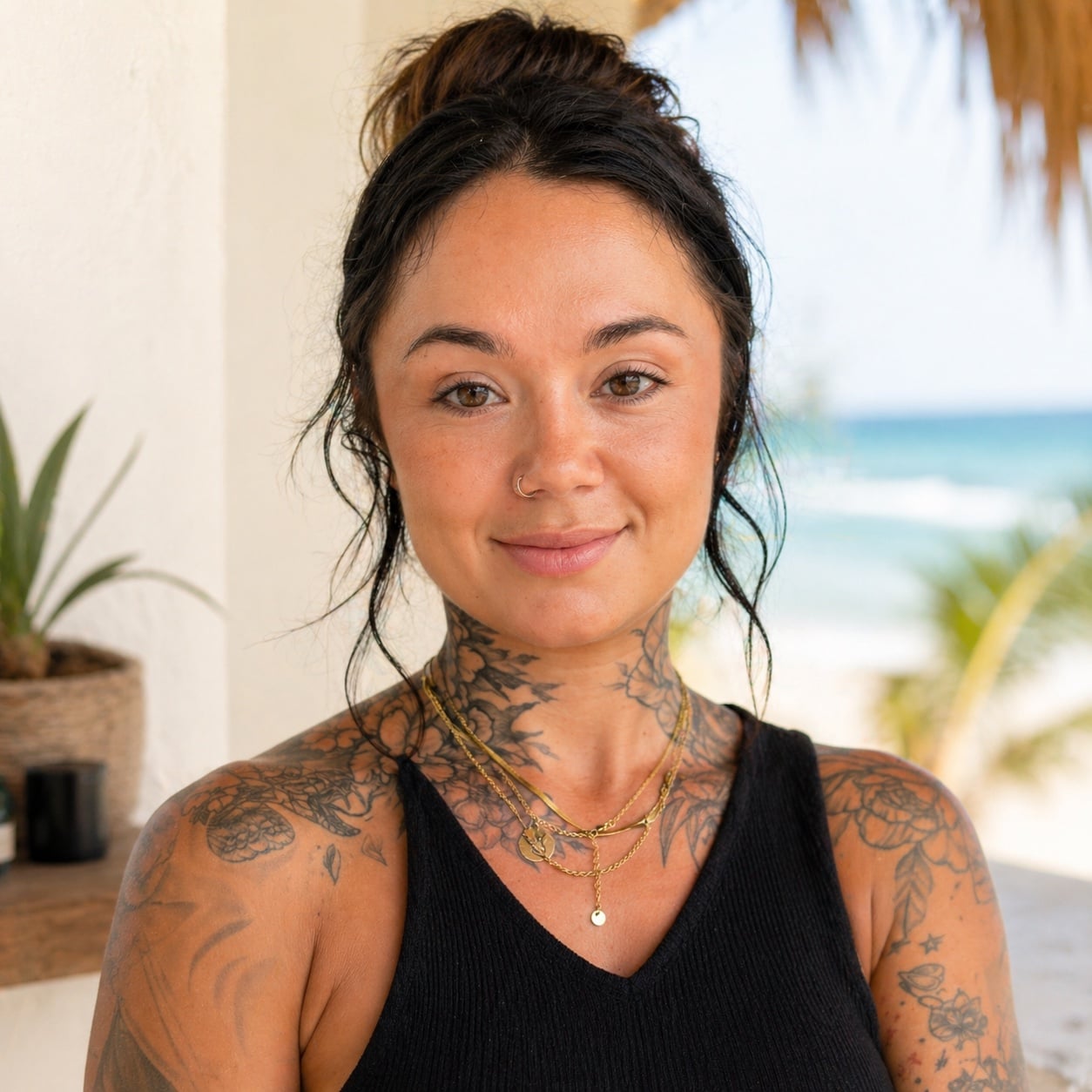
I will always choose babylights for a client who still wants to be bright all over: more blonde impact, but soft dimension and a natural grow-out. Babylights work best on lighter bases, where they sit like a brightening blanket over the natural.
Balayage is for someone looking to be more rooted and dimensional, heavier towards the bottom. Dark bases work beautifully for it: pops and ribbons of obvious dimension, with the blonde contrasting so it looks brighter. You can also get away with longer between appointments with balayage.
Balayage
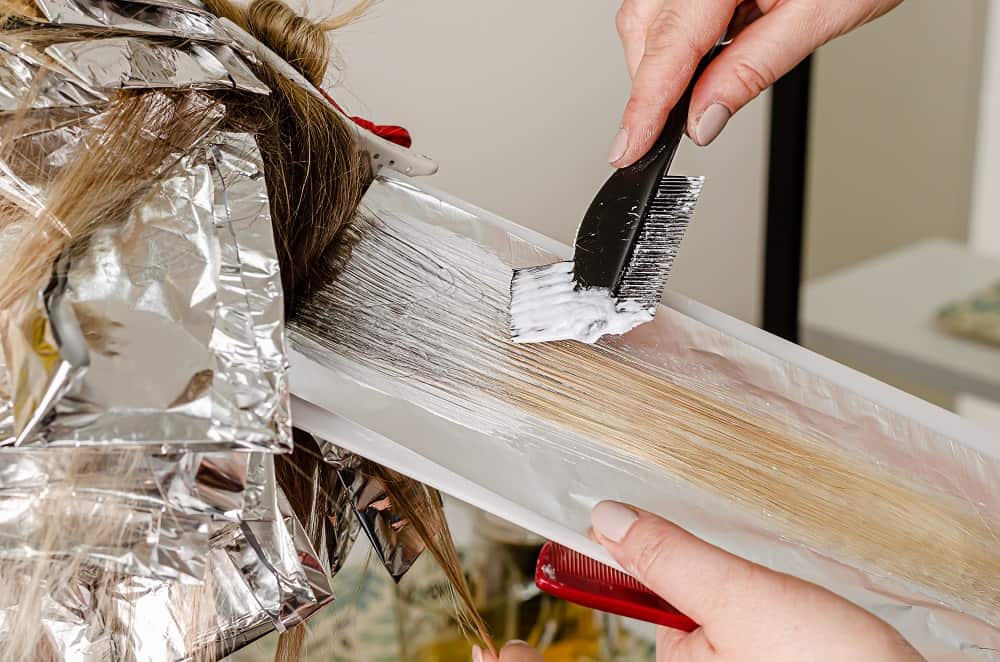
Balayage is a freehand highlighting technique that dates back to 1970s France. The word “Balayage” comes from the French language and refers to the freehand, sweeping strokes a colorist uses to paint balayage hair.
A balayage effect can also be created with other techniques done correctly, such as foiling.
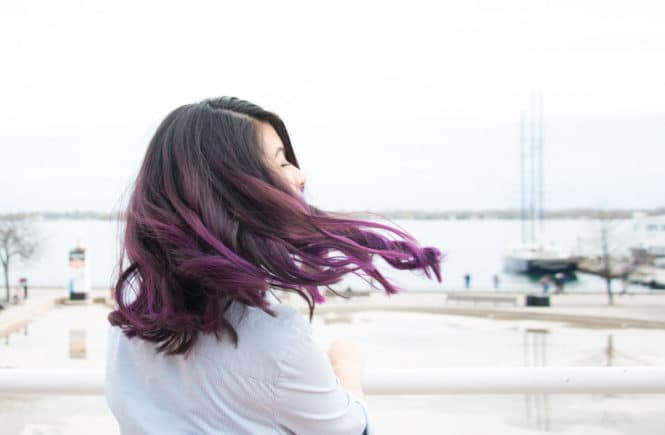
Balayage brings the lightest color to the ends of your strands instead of the root. Down the strands, the color simply moves from dark to light; colorists avoid building in a stepped gradient, which can leave a warm band to deal with at future appointments. The ends of the strands are mainly highlighted, and your natural hair color is no longer visible there.
Babylights
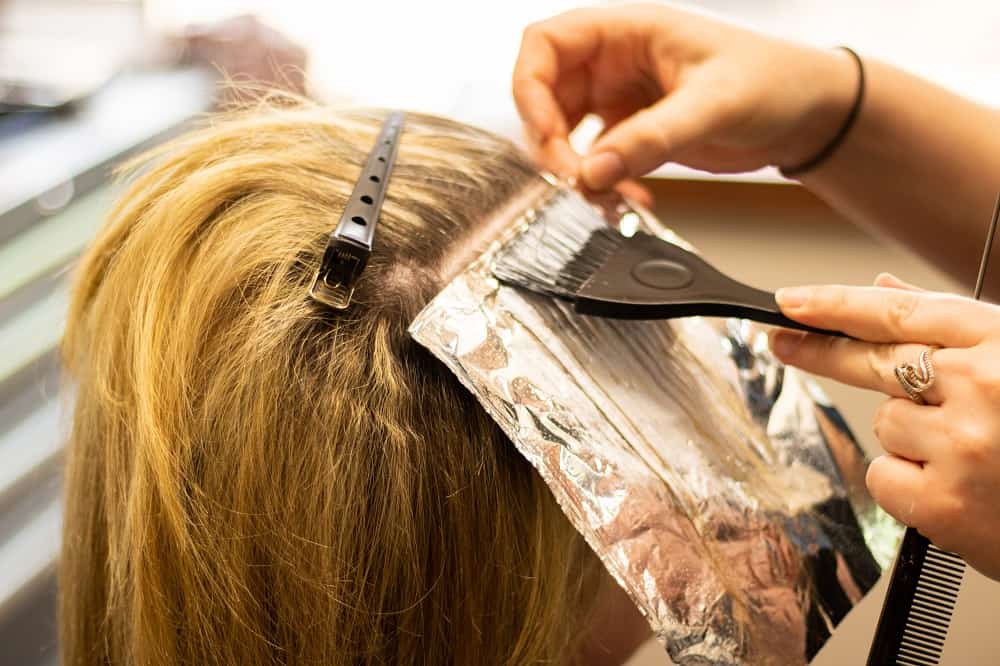
Babylights are little highlights. They get their name because they resemble the type of natural highlights found in children’s hair, with more lightness at the crown and the ends.
Babylights aren’t hand-painted freely like balayage. Instead, they are applied using the same technique as regular highlights, with foils. However, babylights use tiny sections of hair spaced closely together. With this technique, the natural hair color and babylights blend easily. The tiny strands are weaved close together, so the blonde covers well while staying soft, avoiding the thicker, chunkier pieces of light and dark that other highlights can leave.
Babylights vs. Balayage: Choosing the Right Option for You
Are you trying to decide between babylights hair vs. balayage? There are five key factors to consider:
- Desired appearance
- Your hair color
- Your hair type
- Maintenance commitment
- Styling preferences
Appearance
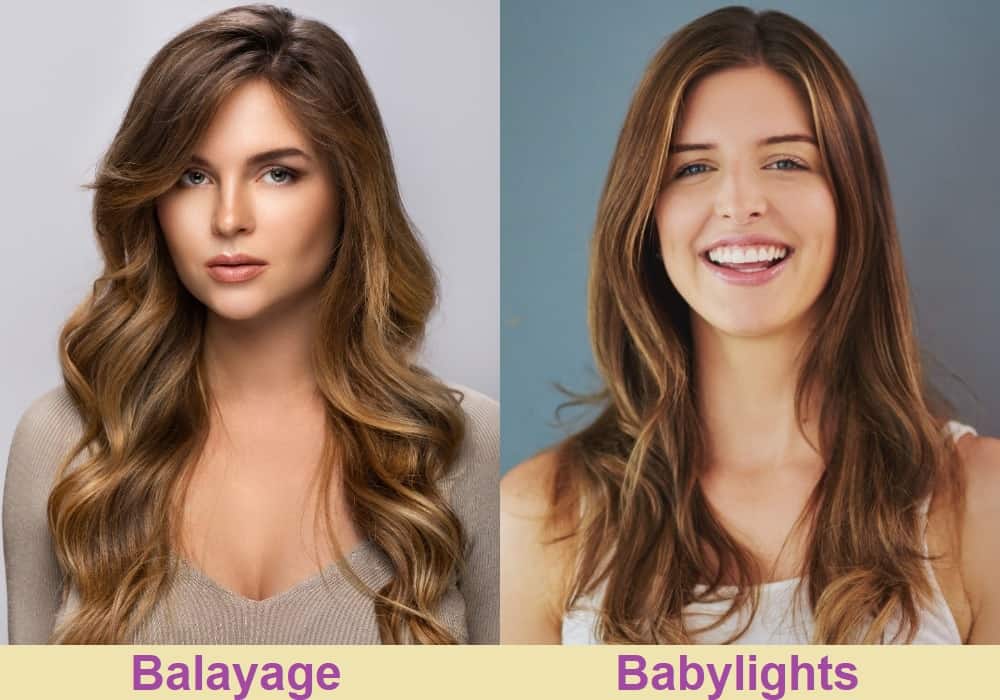
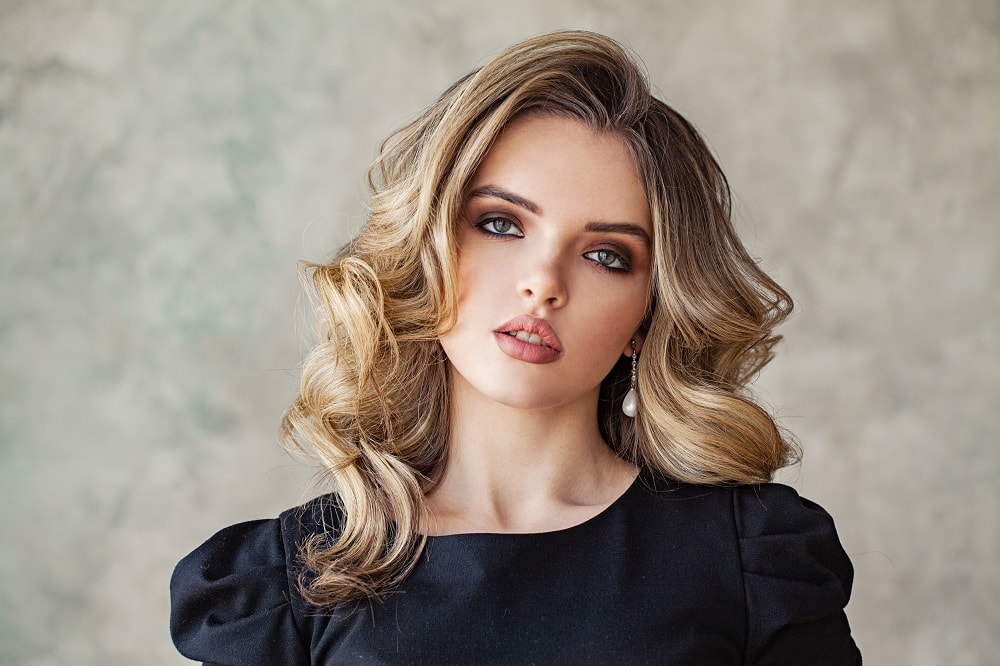
The balayage look is very natural and casual. It gives off a summer vibe as if you’ve been spending time at the beach because your natural roots are still visible.
The easy-breezy feeling is accentuated by the fact that balayage highlights tend to be quite chunky and free-flowing. They aren’t symmetrical like the traditional stick-straight highlights (like what you might see in 1990s throwback photos).
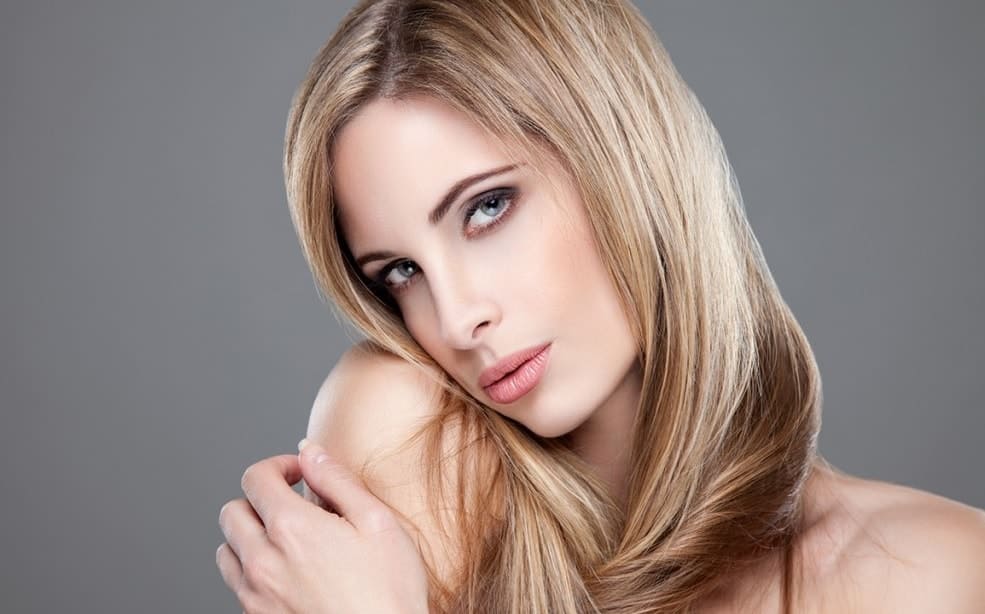
Babylights tend to look a bit more polished and put-together. They are a more muted version of the classic highlight, providing a softer, more subtle finish. Since they blend the roots, they create a less apparent dyed look and appear more natural than balayage.
Hair Color
Balayage is a look and hair coloring technique that suits both light and dark hair, though the contrast reads strongest on a darker base. The entire appearance is built around the concept of leaving the roots natural while lightening the ends. For brunettes, the contrast comes easily, and the placement is the craft. Senior stylist Emma Baxendale of The White Room salon in Guernsey builds it foil by foil: “I will put the bulk of my foils at the bottom of the head, making them chunkier, and gradually make them finer and more spaced out as I get to the top. This creates that dimensional look at the top while creating a heavier blonde at the bottom.”
For blondes, a balayage can get more complicated. If you have very light blonde hair, the result will simply be more subtle rather than impossible, since there is less contrast with the already light roots. A shadow root and a few lowlights can add back contrast and dimension if you want the transition to show.
If you want to, you can dye your blonde hair darker overall and then implement a balayage. However, this can increase the risk of damage. Too much processing tends to leave hair weak and brittle. It also leaves you with regrowth in a few weeks once your natural color comes through again. Using a toner to add a root, plus some lowlights, is a great option if you want to try a darker, more dimensional look but are unsure of the commitment: it fades out nicely and is easy to lift through next time.
Here’s the excellent news: Babylights work on all hair colors, dark and light. Babylights come in all shades and can accentuate your natural strands by going darker and lighter. Blondes and brunettes alike can enjoy babylights.
Hair Type
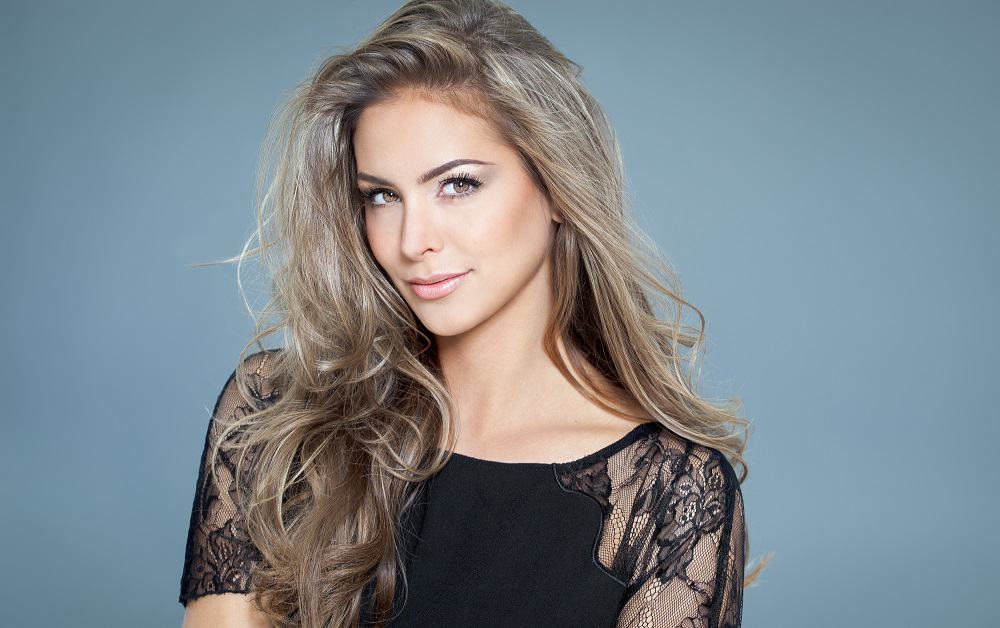
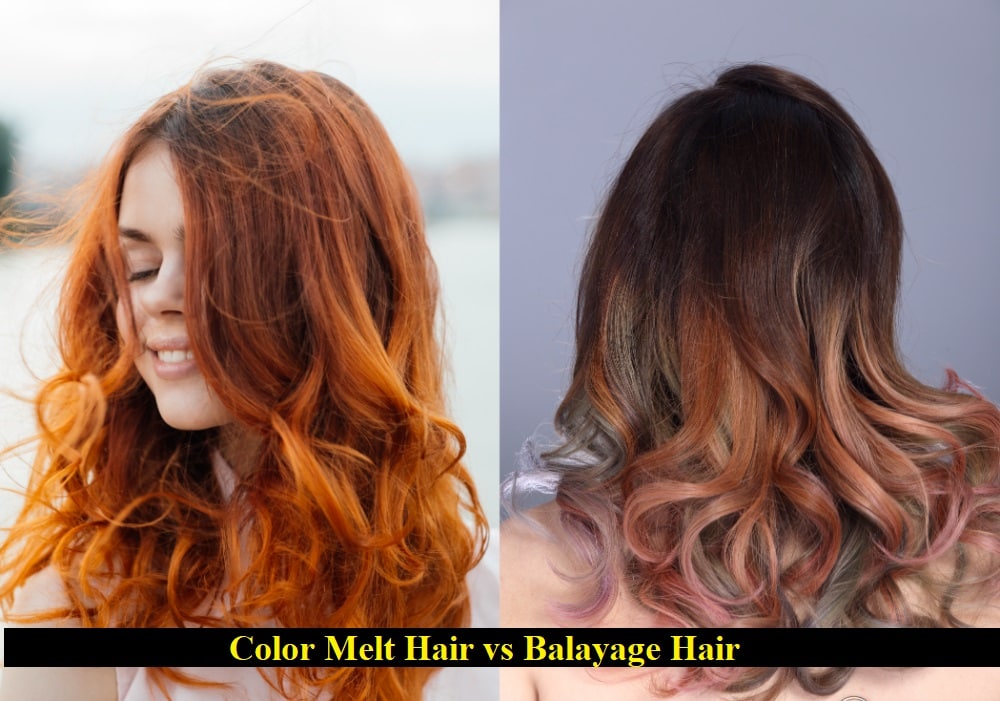
Hair type is another consideration when deciding between babylights and balayage. Balayage is ideal for people with thick, voluminous hair. Especially people with natural waves can make the most of this look, showing off the bold hair transition with a bit of curl.
Babylights work well on all hair types. However, they’re incredibly well suited for people with fine hair. Thinner hair tends to show color contrasts starkly, and the muted effect of babylights can allow for a more aesthetically pleasing appearance.
Further, fine hair is more prone to damage. Hair dye is one common culprit, as it dries out strands, making them brittle and prone to breaking. Since babylights only color small, thin sections of hair, they are less intense and thus less damaging overall.
Maintenance
The great news about balayage and babylights is that both are relatively easy to maintain. Since you aren’t dyeing a full head of hair, it’s less noticeable as it grows out, which is good news for those who don’t want to go to the salon to refresh every few weeks.
That said, balayage is more evident as it grows out, simply because the color contrast is bolder and the highlights chunkier. In comparison, babylights are more subtle. A rooted balayage often needs a proper top-up only once or twice a year because it grows out so softly; babylights also grow out gently on lighter bases, and a shadow root lets them grow out softly on any color.
The need to redo your dye job will also depend in part on how fast your hair grows. How often you’ll need to touch up depends on various factors, from your genetics to your hair type, age, and diet. External factors like hair products can also impact the need to refresh your dye job.
Styling
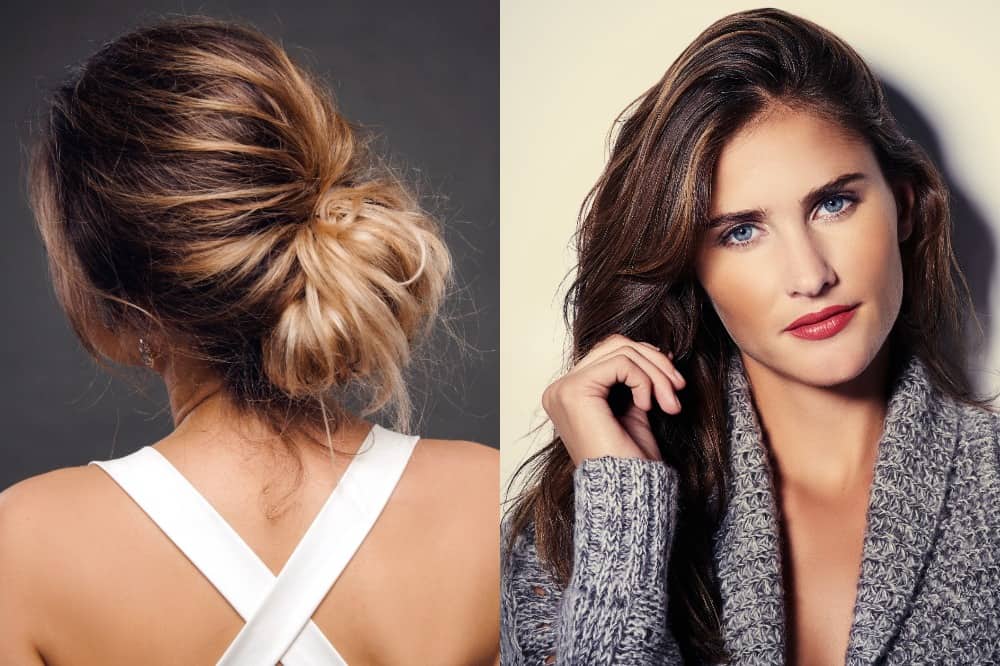
Finally, when choosing between balayage versus babylights, consider what you want to do with your hair. For example, if you wear your hair in an updo, you won’t enjoy the total aesthetic impact of a balayage, which is meant to show the transition from dark roots to light ends.
Movement matters just as much, Emma finds; clients often arrive holding an inspo photo of balayage on curled, styled hair: “A balayage is designed to be worn with movement, showing the dimension and light pieces of the hair in between. You will not get this effect if you wear your hair straight all the time, as it all just sits on top of each other.”
However, if you like to keep your hair down and free-flowing, you’ll be able to show off the balayage transition perfectly. If you want more flexibility with your styling, you may want to stick to babylights. These look great up or down.
Emma adds that flat-wearers are babylight people: “Babylights are better for people that don’t style their hair or they wear it straight a lot. It’s a softer effect with less chunky dimension running through it, just giving an overall lighter effect when sat together.”