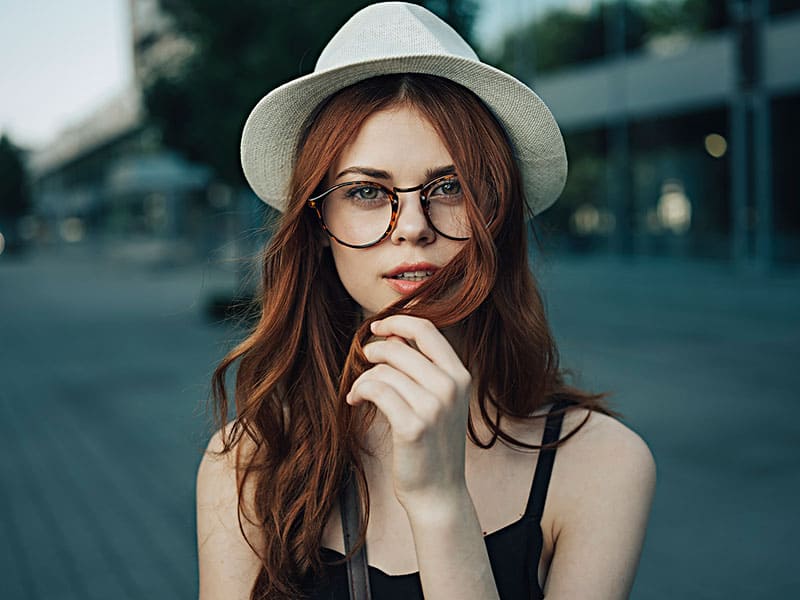


There are different techniques a hair specialist can use while coloring your hair. The method used depends on the results you want from a coloring session. If you’re going to change your hair color completely, it’s pretty straightforward.
Conversely, if you want only some parts of your hair dyed, a stylist can either use frosting or highlighting techniques. While frosting and highlighting are both hair-dyeing methods, they’re not the same.
Many people mistake frosting and highlighting as the same because they have similar applications. But, the results show a clear difference between frosted hair and highlights: frosting lifts individual strands to an icy, high-contrast finish, while highlights color larger sections for a softer, more blended change.
In this guide, we’ll discuss frosting and highlighting while showing you the differences between the two hair-dyeing techniques. It’s important to compare hair frosting vs highlighting, so you don’t walk into the salon misled. Let’s get right into it!
Frosted Hair: What Is Frosting?

The term “frosting” was historically coined because the stark, heavily lightened strands visually resembled a dusting of winter frost or snow over the base hair color.
Your hairstylist will color your hair strands individually during hair frosting, leaving the adjacent hair strands in their natural state. Once a strand is colored, the next strand won’t have that tint.
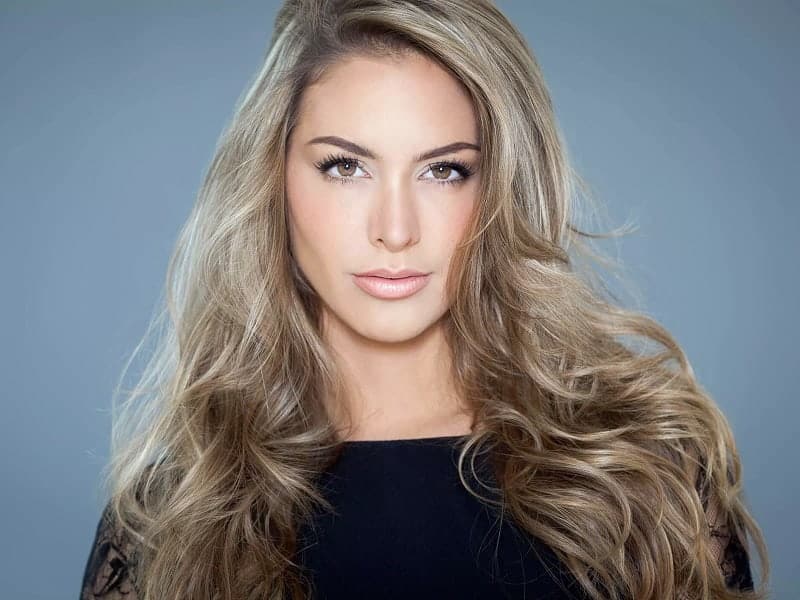
During hair frosting, the goal is to lift the color of individual strands to a significantly lighter shade, often blonde or an icy platinum. For instance, if your natural hair color is dark brown, a stylist will use a lightener to lift specific, fine strands to a cool, lighter tone, creating a ‘frosted’ effect.
Since you’re not completely losing your hair’s natural color, you can frost all of your hair. With the frosting method, the lightened strands and the darker base color of your hair will combine exceptionally.
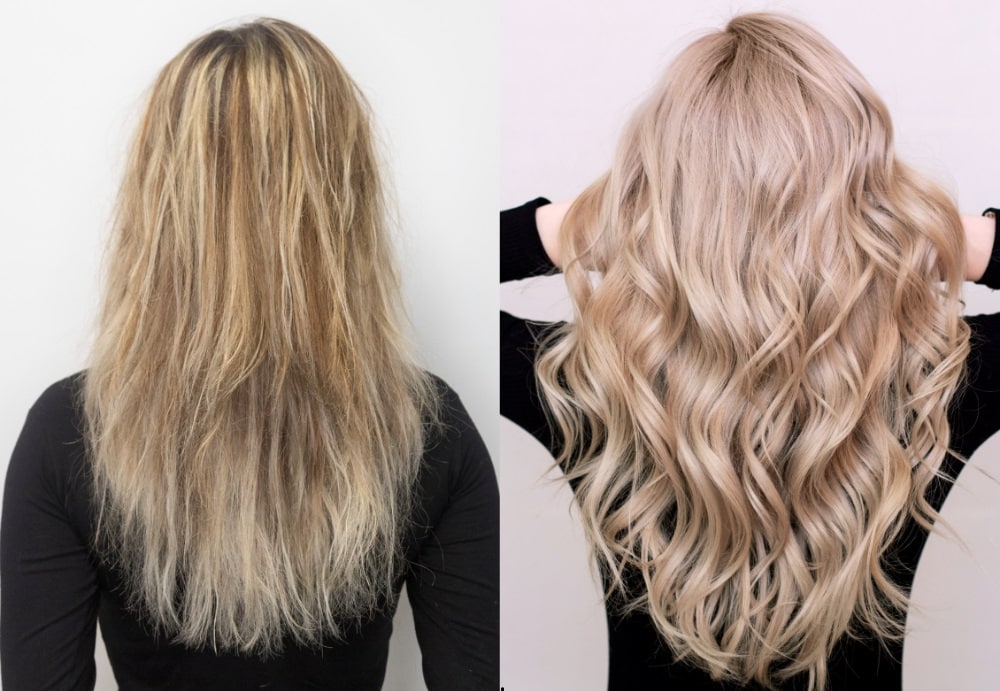
After frosting, you’ll have a high-contrast hair color effect that stands out. The new icy strands and your natural hair color combine to give a unique overall appearance.
Why Salons No Longer Use Highlight Caps
Frosting was traditionally done by pulling strands through a plastic cap, and our stylist will never use one. Her reasons cover exactly why the method has disappeared from salons:
- You cannot choose which strands come through the cap, so the result is random, uneven, and stripey.
- Previously lightened hair cannot be separated out, which means overlap and damage on hair that has already been processed.
- Bleach can bleed through the holes in the cap, leaving spots.
- Removing the cap pulls on every strand it holds, which is painful on longer hair and causes breakage.
- Pulling curly or coily hair (Types 3 and 4) through small holes can cause severe matting and breakage.
To get the frosted look today, ask a professional colorist for fine, closely spaced foil highlights. Highlights are completely customizable, so your colorist can dial in exactly the frosted effect the cap method was chasing, with none of the damage. Related reading: Rinse the hair dye.
What Are Hair Highlights?
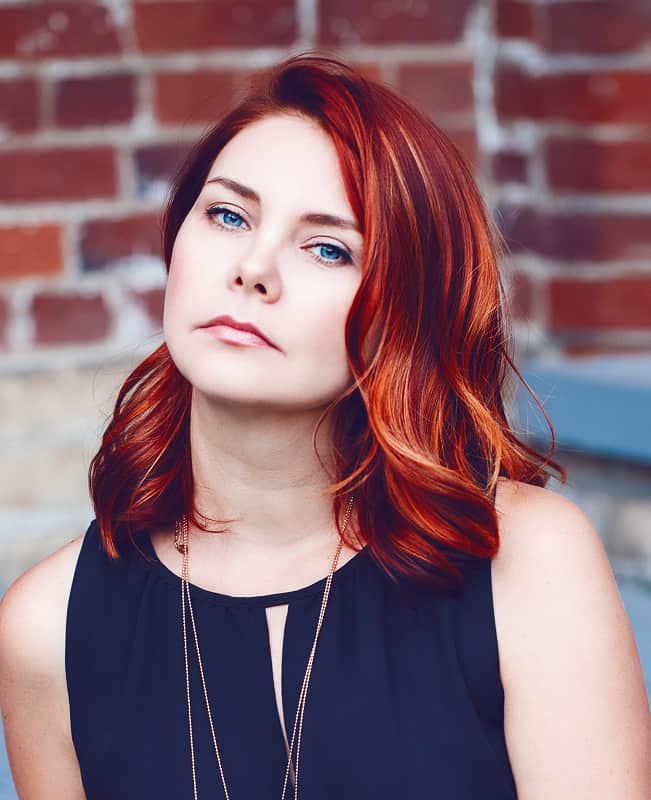
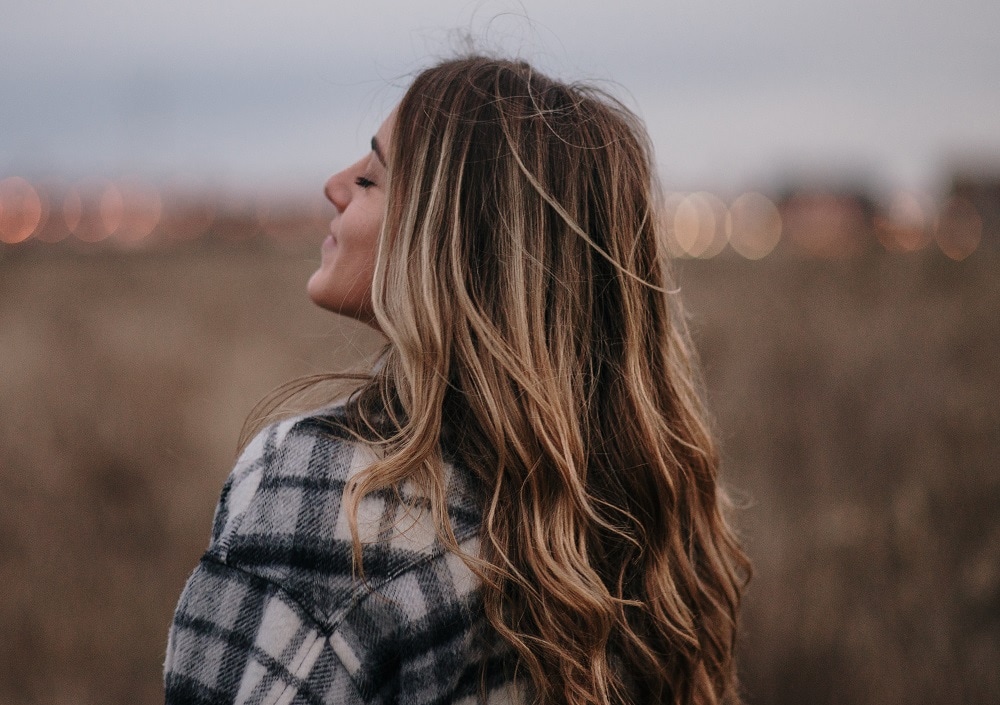
In the frosted hair vs. highlights debate, the latter offers softer, more blended results. The highlighting technique weaves color through larger sections of hair for a dimensional finish.
If you’re going for highlights, the hairstylist will apply dye to larger portions of your hair. The main idea is to change the color of enough hair strands to make a noticeable difference. By doing so, the part of your hair with a different color draws attention effortlessly. Highlights are completely customizable, so a skilled colorist can create the frosted look with standard foil highlighting as well.
Unlike frosting, which scatters lightened strands all over your head, highlights concentrate the color change on chosen sections. You can use hair highlights to draw attention to a particular section of your hair. Many people prefer to highlight the front sections of their hair.
For the best results, you should choose a very light color for your hair highlights appointment. For instance, if you have dark natural hair, it’s better to highlight your hair with a light brown shade. That way, when your hairstylist finishes the job, you can spot the change.
Highlighting your hair doesn’t change your hair color completely. However, it steals the attention your natural hair color used to get.
The amount of hair you choose to highlight depends on the type of style you desire. We find it’s best to start with a small portion of your hair if you aren’t sure how hair highlights will look on you. When you’re confident about the results, you can highlight a larger section of your hair.
How to Highlight Your Hair
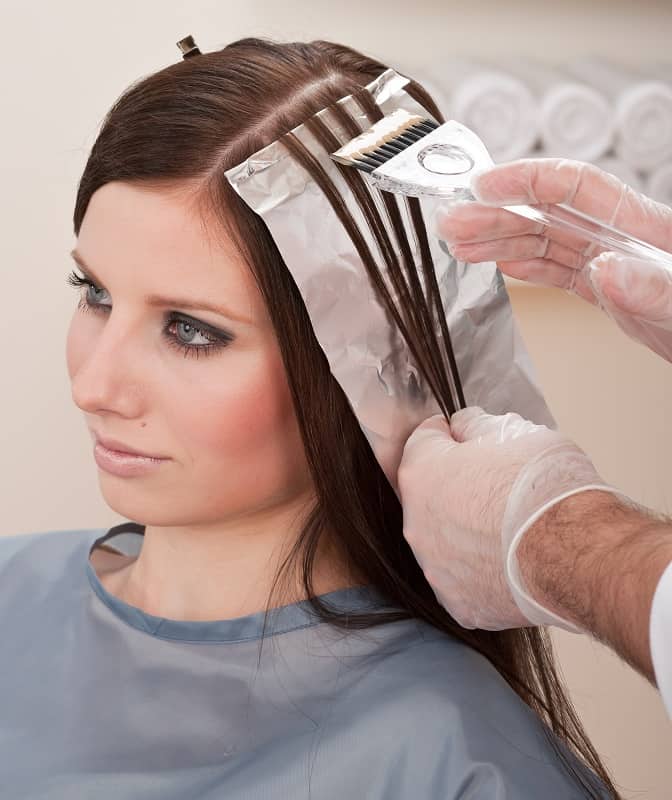
Frosting was traditionally done by pulling individual strands through a cap, while highlighting weaves out specific sections of hair and paints them with lightener, isolating them in foils.
- Decide on the sections of your hair you’re going to highlight.
- Separate the sections you’re looking to dye from the rest of your hair.
- Isolate the sections you’re looking to dye using professional highlighting foils so the rest of your hair remains untouched.
- Dye the target sections, following the instructions on the packaging.
- Rinse the hair dye.
Frosted Hair Vs. Highlighting
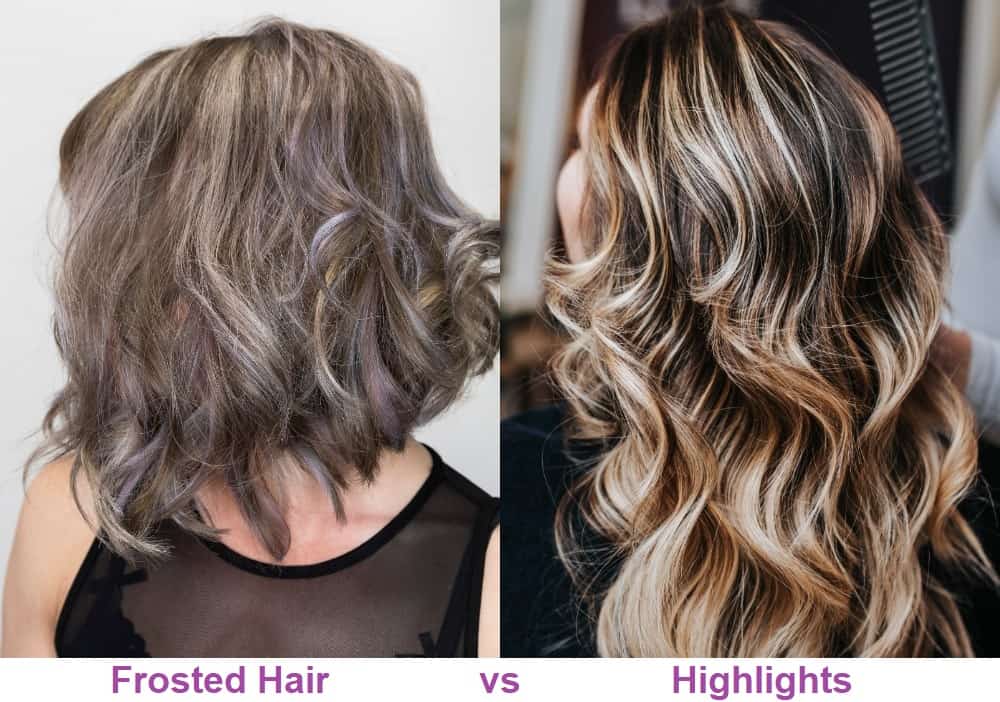
When you compare the process of doing frosted hair vs. highlights, you’ll find more similarities than differences. But when the hairstylist finishes their job, it becomes easier to tell the distinct properties of frosted hair and highlights.
Some of the key differences in the results of hair frosting and highlighting include:
- Frosted hair offers a bold, cool-toned look, while highlights are often more blended and subtle.
- Frosting traditionally pulled individual strands through a cap, while highlighting weaves sections and isolates them in foils; modern salons create both effects with foils.