Many hair-dyeing professionals use bleach baths to alter the color of bleached or dyed hair with less damage than traditional bleach. You can make your hair lighter in a simpler way, though any peroxide process still dries hair to some degree, so it is not damage-free. You only need a regular shampoo and simple hair dyeing products.
Done well, it can fade unwanted color by one to two levels. This guide explains what a bleach bath really is, how pros run one, what it can and cannot lift, and when a gentler wash or a salon visit is the smarter tool.
What Is a Bleach Bath?
The Bleach Wash is simply a hair-lightening technique which is less aggressive because it’s done only with shampoo, hydrogen peroxide and bleach powder. Also known as Soap Cap, it can be used to repair bleach or dye mistakes. It can fade artificial color by one to two levels, depending on the mix and how long it stays on the hair.
When you use a bleach bath to strip old color, in practice this technique does a gentle but deep cleansing of the old, unwanted pigments. It will clean off the “old” color so that your hair can receive the new one.
The main advantage of this technique is being able to change or fix the tones of your hair with less damage to the hair fibers than a full bleach, though it is not entirely damage-free. If you chose to do other commonly used chemical procedures for that, you’d damage your hair severely.
Bleach Bath Hair Pros and Cons
Bleach baths serve a specific purpose. Therefore, it is essential to understand what a bleach bath is and the pros and cons of using this method. Here is our list of the good and perhaps bad of using a bleach bath to lighten your hair.
Pros
- Gentler on hair than traditional bleach
- Less expensive
- Less harsh than full bleach if done at home, though gloves, a strand test, and an arm patch test are still needed
- Removes old dye
- Gradually lightens
- Preps hair for new dye
Cons
- Not for going platinum/bleach blond
- Only lightens hair 1-2 shades
- Drying to hair
- The wrong tool for natural (virgin) hair: barely any lift, all of the dryness
Who Can Do This Technique?
In practice, the Bleach Bath is recommended to ‘cleanse’ the hair. It removes the previous color and prepares the hair for a new one, also helping it stay for longer. That’s why it is usually recommended for blonde hair that became “stained” in green (like after coming into contact with sea water or pool chlorine), purple or grey tones.
It is also ideal for people with dyed hair with none of those issues, who just want to retouch a faded color. Before the retouching, it is a good idea to do a bleach bath to remove the old pigments and make the hair ready for the new color.
Does It Work on Natural Hair?

Not meaningfully. Since the amount of powder bleach and hydrogen peroxide in the mixture is low, it may nudge virgin hair a fraction of a level at most, far too little to be worth the dryness.
Try it on virgin hair and the trade is bad: the alkaline mixture still dries and weakens the strand, without bleaching it to any shade you would notice.
People with virgin hair who want real lift belong with a colorist and a proper lightener. The bleach bath’s job is cleansing color out of previously dyed or toned hair; with no dye to grab, it has almost nothing to do.
Is a Bleach Bath Your Tool? The Lightening-Power Ladder
Before any mixing bowls come out, find your goal on this ladder. Every rung up adds lifting power and damage potential, and the top two rungs are where professional judgment earns its fee.
The Lightening-Power Ladder
Every tool that fades or lifts color, from mildest to strongest, and whose job it is.
Rule of thumb: fading artificial dye starts at the top of the ladder. Lifting your natural color starts at the bottom, with a professional.
If your situation lives on the bleach-bath rung, the next section shows what the service actually involves. For the gentler rungs, the full menu of dye-removal methods covers each one in detail.
How Pros Run a Soap Cap
The mix itself is only three things: bleach powder, developer, and shampoo. What makes it work is not the recipe but the judgment around it, which is why colorists treat the exact proportions and strength as their call for your specific hair rather than a formula to copy.
In the chair it runs like this. The colorist mixes a small, diluted batch, chooses a gentle developer (10 volume for fragile hair, 20 at most), and applies it to damp hair quickly, keeping it off the scalp. Processing is short and watched, checked every few minutes rather than left to a timer, because a soap cap keeps working while it sits. When the unwanted tone has lifted, everything is rinsed thoroughly and followed with a moisturizing mask made for chemically treated hair. The shampoo in the mix is always a regular one; anti-residue formulas strip too hard alongside bleach.
Two rules travel with this technique everywhere: it is never repeated back to back on the same hair, and it stops immediately at any stinging or burning. If your hair is already damaged, or the color history is complicated, this is a fifteen-minute salon request, not a home project.
If any bleach mix is going near your hair, two tests come first
- Patch test, 48 hours ahead: a dab of the mixed product behind the ear or on the inner elbow. Redness, itching, swelling, or blisters means do not proceed.
- Strand test: the mix on a hidden section for the label’s time. If the strand feels gummy, stretches like elastic, or snaps, the hair is not strong enough for any peroxide process.
Using Shampoo Only
The Soap Cap can also be done using only shampoo. This is the option for people who don’t want to lighten their hair too much. You will need only an anti-residue shampoo, or any other that doesn’t color-protect.
Then you just follow the steps below:
Step 1: Divide your dry, unwashed hair into sections. Apply the anti-residue or non-color-protecting shampoo to them, massaging well.
Step 2: Put on a loose cap and leave it for about 40 minutes. Gentle warmth can help the fading along, but there is no bleach in this version, so patience beats heat.
Step 3: Wash your hair in hot water. Yes! It might sound weird, but the high temperature will open the hair cuticles and speed up the fading of the color.
Step 4: Finish with a conditioner.
Note: Because this version contains no bleach, it can be repeated across several washes, but it is still drying. Keep it to your normal wash days, watch how your hair feels between rounds, and see the difference between clarifying and chelating shampoos to pick the right stripping wash.
When to Retouch It?
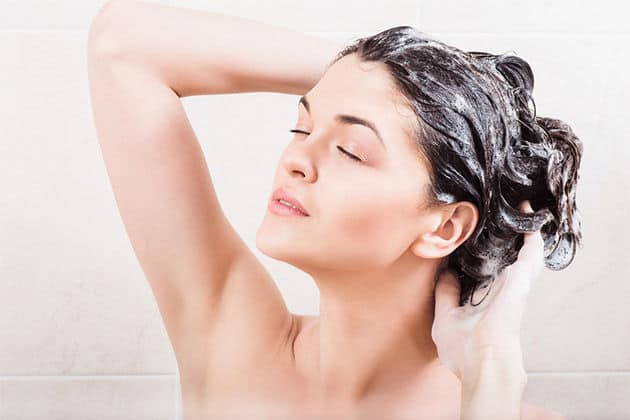
The maintenance of the Soap Cap is no big deal. Since the roots don’t show as much, it can be retouched at intervals of more than one month. If you’re a fan of ombre roots when dyeing your hair, the Soap Cap can make your roots naturally more discreet.
Bleach Bath Hair Before and After Care
Although a bleach bath to lighten hair is less damaging than traditional bleach, you’ll still want to take good care of your locks throughout the bleaching process.
The protocol for taking care of bleach-bathed hair is similar to fully bleached hair. However, you can use less-intensive (and therefore less expensive) products depending on the health of your hair.
Preparing for a Bleach Bath
You can take several steps to keep your hair well-nourished through the bleach-bathing process. Here are our best tips.
- The first thing to keep in mind is not to scrub your scalp clean right before a bleach bath. Since the bleach bath uses shampoo, this can cause excessive dryness and irritation.
- Replenishing moisture in your hair is an essential step in any bleaching routine. Use your favorite hair mask or leave-in conditioner a couple of days before your bleach bath.
- Your hair should be free of any product before applying a bleach bath.
- Do an allergy test on your arm before you lighten your hair. This is especially necessary when using new products.
- Finally, directly before your bleach bath, dampen your hair with cool water and towel-dry.
Taking Care After Your Bleach Bath
- If you are immediately adding color to your hair after the bleach bath, don’t condition it yet. Dye first!
- Deep condition your hair after the bleach bath.
- Use a conditioner after every time you wash your hair.
- Use a leave-in conditioner or a hair mask to replenish moisture once a week or more frequently if you feel your hair is extra dry.
- Be conscious of heat. Give your hair a few days after bleach-bathing before using blow-dryers or heat tools. If you must use a straightener or curling iron, use protective products.
- Don’t wash your hair more than necessary. Washing strips hair of its natural oils. This can lead to more dryness.
Bleach Bath vs. Regular Bleaching
Whether you choose to use a bleach bath or regular bleach depends on the results you’re looking to achieve. Here is everything you need to know about the difference between the two.
Bleach Bath
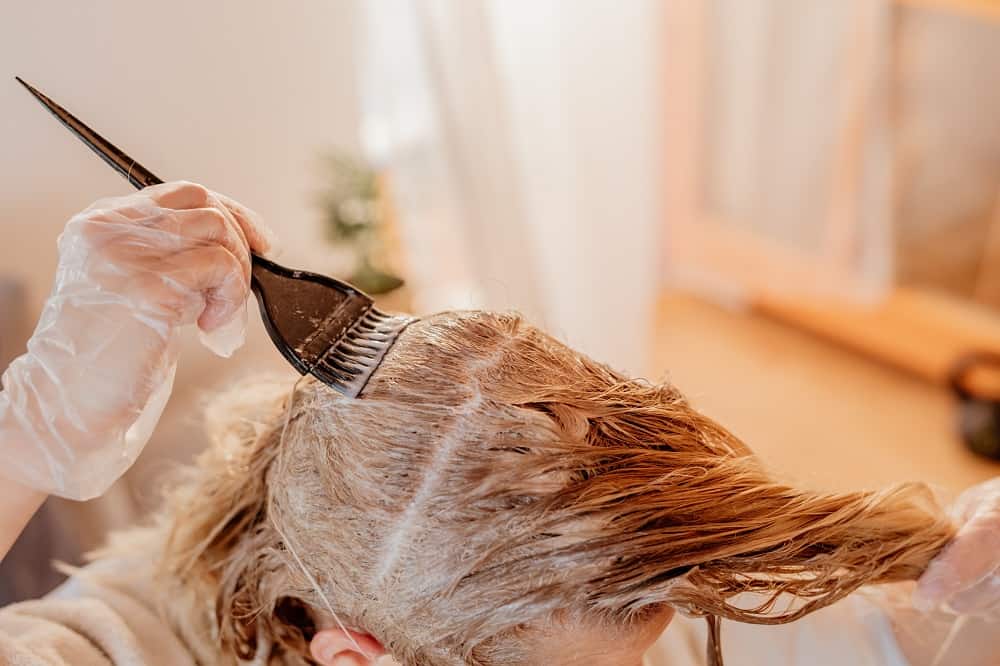
A bleach bath is a diluted, gentler version of bleaching your hair that includes mixing bleach, a developer, and shampoo. You apply this mixture to your hair like any other dye, starting at the tips and moving up.
The purpose of a bleach bath is to lift away residual hair dye and lighten hair color 1-2 shades. For a bleach bath, we suggest a 10 or 20-volume developer. Avoid higher volumes such as 30 or 40 at home, as they are harsher on the scalp and skin.
People use a bleach bath when they want a new hair color and need to get a few shades lighter to achieve that color. Since a bleach bath is still a peroxide process that can dry and weaken hair, space out your sessions rather than repeating them every couple of days, and give your hair time to recover between treatments.
Regular Bleaching
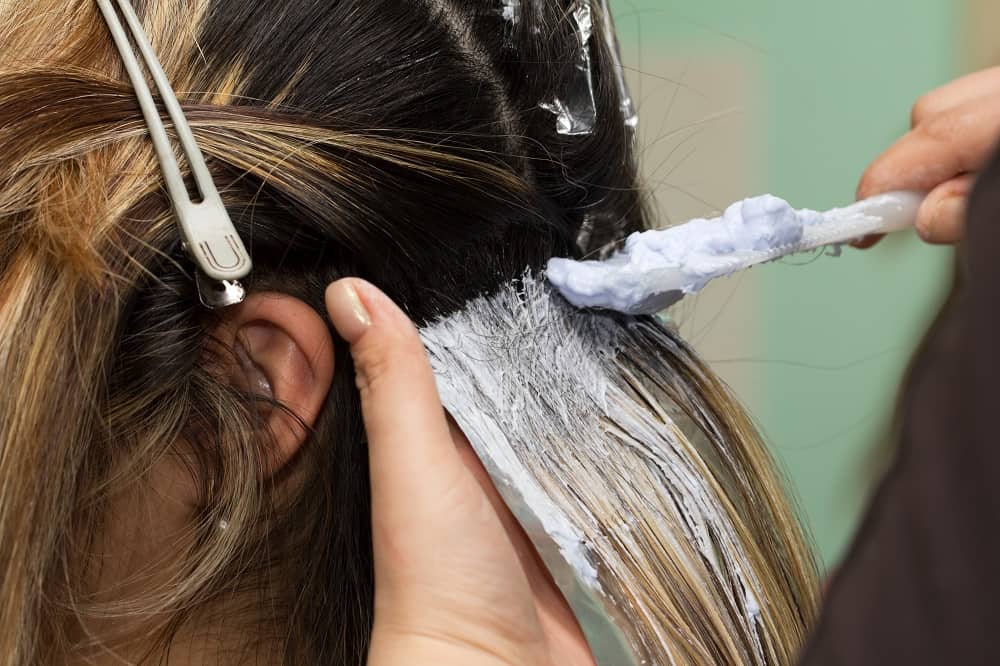
Traditional hair bleach is meant to get to extremely light shades of blond or platinum. Bleaching is also popular because it lets funky colors, like purple or red, show up better on your hair.
Bleach-blond is a classic chic look but uses harsh chemicals that can cause considerable damage to hair. Because of this, many are choosing other options such as bleach baths to lighten their hair.
You can bleach your hair repeatedly, but most hairdressers recommend giving your hair quite a bit of time to recover between treatments. At a minimum, you’ll want to wait a month to bleach your hair again, but 8-10 weeks is ideal. If your hair feels dry, brittle, or breaks easily, wait longer, and see a licensed stylist before bleaching already-compromised hair.
Soap Cap on Red Hair

This technique is not only for those chasing blonde hair: colorists also use a soap cap to soften intense red dye toward a more natural orange-red.
The red version is the strongest of the family. Red pigment holds on stubbornly, so pros often step up the developer strength and keep the mix strictly off the scalp, which is exactly why this variant is the worst candidate for a home experiment. Processing stays short and watched, and it stops at the first sign of stinging. If the red will not budge, a colorist can reach for a dedicated color remover instead, which is kinder to the lengths than pushing peroxide harder.
Soap Cap on Dark or Black Hair
On dyed-black or very dark dyed hair, one soap cap can pull the color back to a deep or medium brown, usually with warm tones that need neutralizing afterward. Natural black hair barely moves; that is lightener territory. Either way, expect the lift to reveal brassiness, and plan a toner or a blue-based shampoo for the week after.
Bleach Bath on Blonde Hair
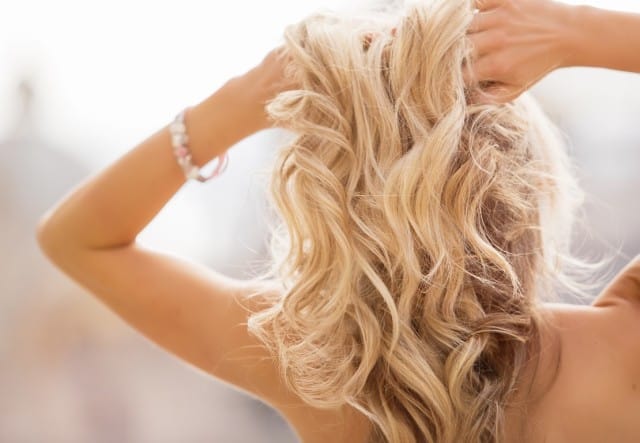
On already-blonde or light hair, a soap cap is how colorists chase a cleaner, brighter finish without a full bleach session. The pro version pairs a blue or violet lightening powder with an anti-yellow shampoo, so the mix brightens and counters brass in the same pass.
Processing here is the shortest of all, often around ten minutes and watched in the mirror the whole time, because light hair is the most fragile hair. If platinum is the goal, this is not the tool; that is a full lightening service with zone work and bond care.
Bleach Bath FAQ
Does a bleach bath work on natural hair?
Barely. It can nudge virgin hair a fraction of a level while still drying it out, so pros do not use it for that. Fading artificial color is its real job; lifting natural color is a lightener’s job.
How many levels does it lift?
Plan on one to two levels of artificial color fade. Porous, previously processed hair sometimes releases more, which the strand test will show you before your whole head does.
How soon can you repeat one?
Give hair a recovery window measured in weeks, not days, and let condition decide. If strands feel dry or stretchy, the next round waits. Repeating soap caps back to back is how a gentle technique earns a harsh reputation.
Does it remove semi-permanent or permanent dye better?
Semi-permanent fades far more easily; a soap cap often clears the tail end of it. Permanent dye only fades partially, and stubborn cases respond better to a dedicated remover before any peroxide, as covered in the removal guide linked above.
A bleach bath is a precision tool with a humble recipe. Use this page to know what it can and cannot do, let the ladder tell you whether it is your rung, and when real chemistry is called for, buy a colorist’s judgment along with their bowl.