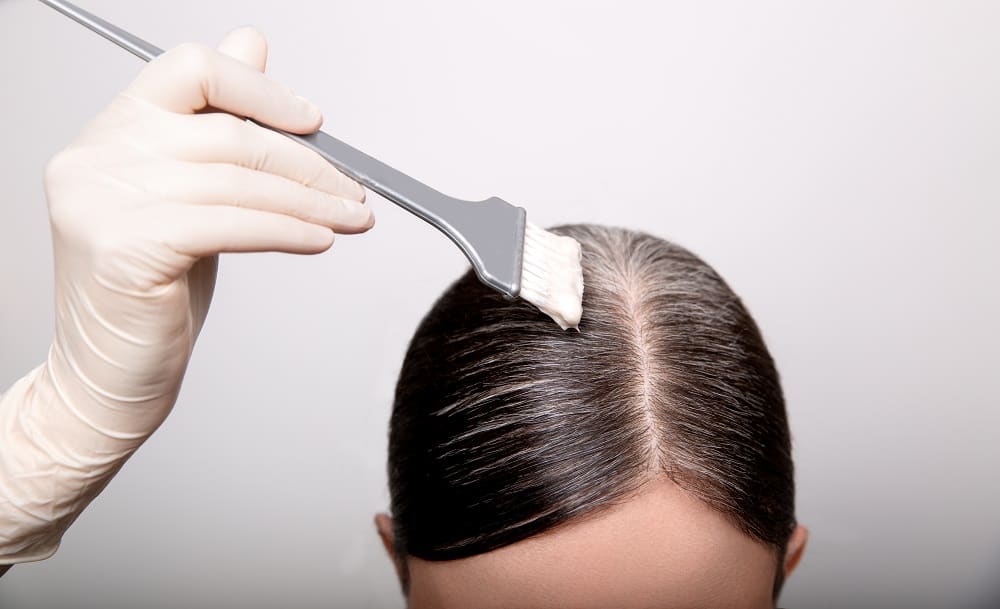


Silver and gray hair (you will also see it spelled grey) has gone from a sign of age to a look people book months of salon time to get. The catch: true gray is one of the hardest colors to reach, because it only shows on a very pale, cool base.
So can you get there without bleach? Honestly: sometimes. It depends almost entirely on the color you are starting from, and this guide walks through exactly what works for each base, what the real products are, and why the popular kitchen tricks cannot get you there.
Gray-curious clients get the same walkthrough from Andrea Torre, a licensed cosmetologist and colorist on the HairstyleCamp expert panel who has been behind the chair since 1988:

Gray has become the new trend in coloring, and in some cases it requires a full day or two of transformation. Not every client can commit to a change that intense. Gray grows in very unique patterns and levels on every client. If a client is not ready for lifting, highlighting, and toning to make a gray color, we discuss semi- or demi-permanent options that blend in, or give an illusion of silver highlights from the client's already existing gray.
Is It Even Possible to Dye Hair Gray Without Bleach?

Gray is not a lift; it is a deposit. A silver or gray color is a sheer, cool tint that only reads true when the hair underneath is already very light and free of warmth. That is the whole game.
Senior stylist Emma Baxendale says the starting color determines whether silver will look clean:
“To get that true silver look you need a super clean base to start with, or expect a mucky result. That means lifting the hair to a clean level 10; you cannot put silver over brassy hair and expect it to come out true to tone. A small amount of yellow will be cancelled out by the ash pigments, but too much of that neutralization creates a more brown-ish, muddy color.”
A naturally white, platinum or pale-blonde base may take a silver deposit without additional lightening, but the intended metallic result is not guaranteed. Medium or dark hair may only take a tint from a deposit-only product; have a colorist assess the desired shade and starting base.

What Actually Works, by Starting Color
White or palest platinum
A silver semi-permanent dye or an appropriate toner may suit a very pale base, but the result and processing time depend on the exact product, residual warmth and porosity. A clean gray result is not guaranteed.
Light blonde
Close, with one extra step. Blonde carries yellow, and silver over yellow turns murky green-beige. Neutralize the brass first with a purple or blue toning routine, then apply the silver deposit. Expect to refresh the tone weekly.
Dark blonde to light brown
Partial results only, and this is salon territory. A colorist can push a lighter brown base toward smoky, deep-gray tones with high-lift color plus toner. It reads gray-adjacent and handsome, but true silver still needs a lightening step first.
Dark brown or black
Here is the honest line for brunettes and darker: there is no true gray without lightening first. Silver dye over dark hair simply does not show. What does work is temporary: gray wax, colored sprays, and root makeup fake the look convincingly for a day and wash out. If you want the permanent version, that is a lightening plan with a colorist, spread over sessions.
The Real Products That Deposit Gray

Silver semi-permanent dye deposits color rather than lifting the base. The result depends on starting depth, residual warmth, the dye formula and porosity; even a pale base does not guarantee the intended silver.
Emma also prices in the upkeep before anyone commits: “Silver is one of the highest-maintenance colors you could have; hard to achieve and equally hard to keep. You will need weekly toning shampoos and conditioners, toners every 3 to 4 weeks, and your roots done every 6 to 8 weeks. Good products are a necessity for silver hair, so be prepared for a pricey hair color overall.”
Color-depositing conditioners (often sold as silver or toning conditioners) add a whisper of cool pigment every wash and are the easiest upkeep tool. A note on labels: it is the pigment doing the graying, not the keratin or the conditioning agents these products advertise.
Temporary sprays, waxes, and root makeup are the one honest option for dark hair, and they rinse out. They are also the cheapest way to find out whether gray actually suits you before committing to the real chemistry.

Why the Kitchen Tricks Can’t Make You Gray
You will find the same folk recipes on every corner of the internet, and they all fail for the same reason: they lift warm. Gray needs the opposite.
Chamomile tea can, at best, nudge already-light hair slightly lighter over many repeats, and what it reveals is gold, not silver. If lightening is what you are actually after, our guide to lightening hair with chamomile covers it honestly; chamomile is lovely, it is just not a gray dye.
Lemon juice and sun genuinely lighten, and genuinely push warm and brassy, and this one is best skipped entirely: it cannot make hair gray, it is harshly drying, and citrus juice plus sunlight can cause phytophotodermatitis, a reaction that leaves severe, blister-like burns. If you want lighter hair, see a colorist instead.
Honey and oil blends (honey, coconut, and friends) contain trace peroxide activity at most; any change is subtle, slow, and golden.

DIY hair masks belong in your routine for softness and shine, especially alongside toning products that can be drying, but they deposit no color at all. Care, not gray.
If You’re Actually Going Gray
If you landed here because nature is doing the graying and you want to work with it rather than fight it, that is its own (easier) path: growing the silver out deliberately and keeping it bright. Start with our guide to transitioning to gray hair, and then how to wear gray without looking older.
Gray rewards honesty about your starting point. If your base is pale, the silver of your dreams is a bottle away; if it is dark, borrow the look temporarily or book the lightening properly. And if your hair keeps pulling warm no matter what, it may be telling you something; there are plenty of other colors worth trying that work with it instead of against it.