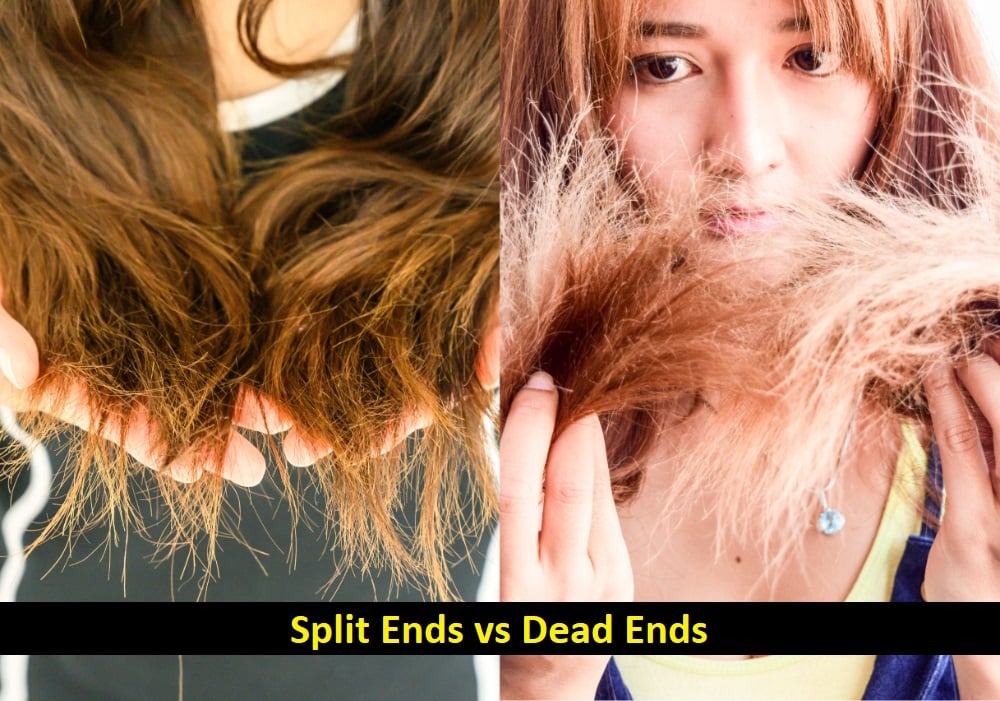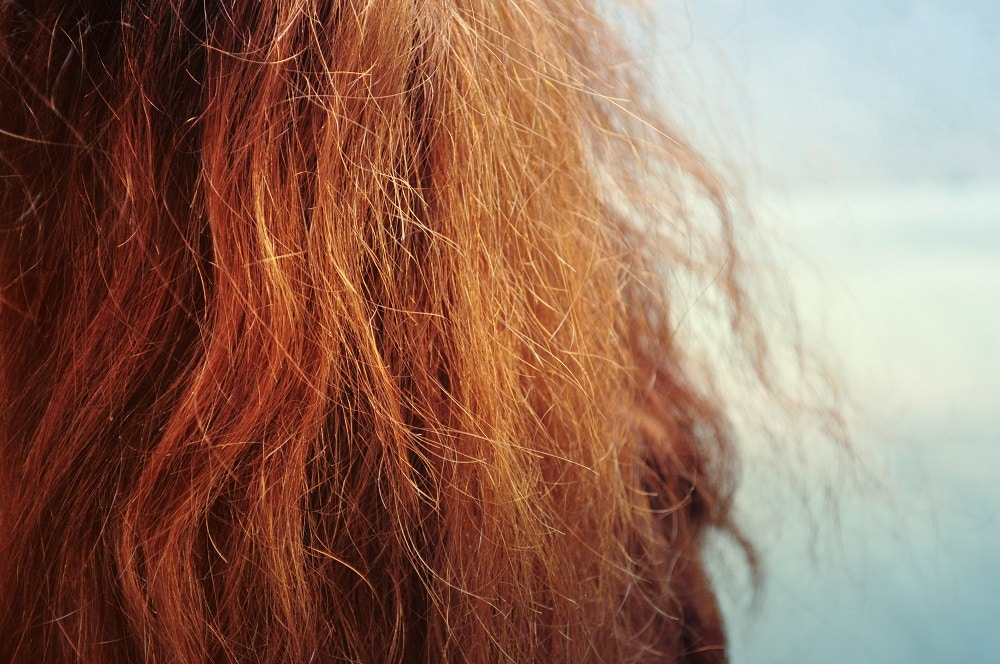


It can be tempting to clip off split ends as you see them, hoping your hair will be stronger. However, should you be cutting split ends individually? Read on to learn if trimming your split ends one by one damages or benefits your hair.
The Pros and Cons of ‘Search and Destroy’ Trims
No, trimming split ends individually will not harm your hair, but doing it habitually can lead to uneven lengths and an inconsistent hairstyle.
When you clip a single split end, you can prevent the continued splitting of that hair. It is when you start trimming more than a few hairs that you get in trouble with your hairstyle.
Habitual split-end trimming can lead to some parts of your hair being significantly longer than others.
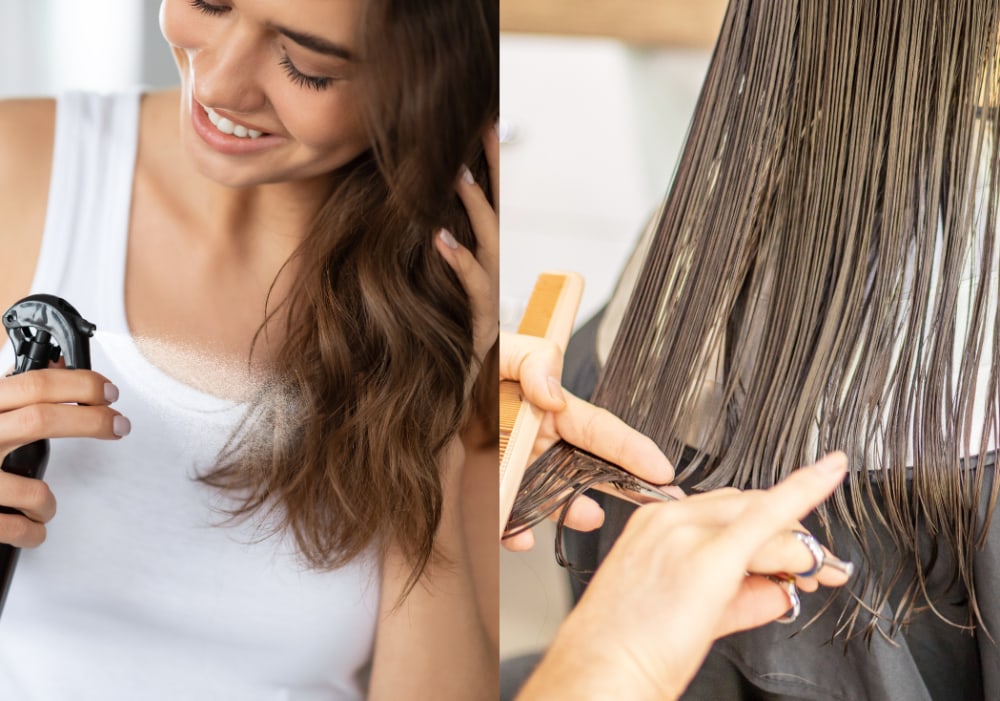
The best way to deal with split ends is to take good care of your hair. Some steps to take include:
- Trimming dead ends to avoid split ends
- Keeping your hair moisturized
- Protecting it from the elements
- Minimizing the use of hot tools
Is it bad to pull split ends individually?
This one earns a one-word answer in every salon, and the reasoning behind it matters more than the word.
From Emma Baxendale, the senior stylist who reviewed this article, no hesitation:

Pulling or peeling split ends only damages the hair further up the shaft, which means more length has to come off at your next haircut because the damage now sits higher.
The only way to get rid of split ends is to cut them; never pull them apart. Peeling leaves fragile, thin ends that eventually snap off or have to be cut anyway, so you are just losing more length in the end.
How To Cut Split Ends Correctly?
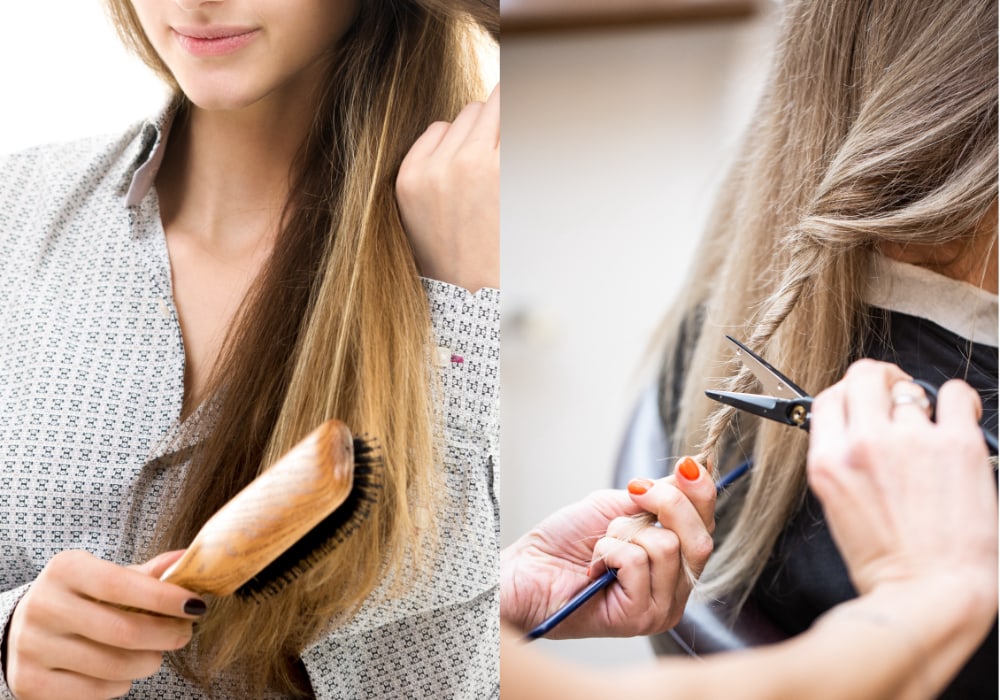
The best way to get rid of split ends is to get a trim of all your hair every 8 to 12 weeks, or as needed, depending on your hair’s condition and length goals. Regular trims will keep the style consistent and remove any split ends before they have a chance to get too bad.
However, if you need to trim your split ends at home, there is a better way than cutting each end individually.
- Ensure hair is clean and dry before starting. Wet hair is more fragile and may become damaged, and it can be tough to recognize split ends in wet hair.
- Gently detangle your hair (if your hair is prone to tangling, detangle while damp with a slippery conditioner, then let it dry completely before trimming) and part hair as you normally wear it.
- Starting on one side of your head, separate a section of hair about half an inch to an inch wide, depending on your hair’s density.
- Twist the section of hair, starting at the top. You will likely see the split ends sticking out from the twist. (Note: If you have curly or coily hair, skip the twisting method. Your healthy curls will naturally stick out and mimic split ends. Instead, search and snip individual splits while the hair is in its natural, dry state).
- Using sharp hair-cutting shears (do not use household scissors), trim off any visible split ends. Try to trim the end off around half a centimeter from the split.
- To be extra thorough, twist the hair in the opposite direction and check for more split ends.
- Repeat this process for the rest of your head, working section by section.
The key to getting rid of split ends is correct hair care. It is essential to keep your hair moisturized since this will help prevent new split ends from forming. Try using a moisturizing treatment or deep-conditioning mask after you trim your split ends.