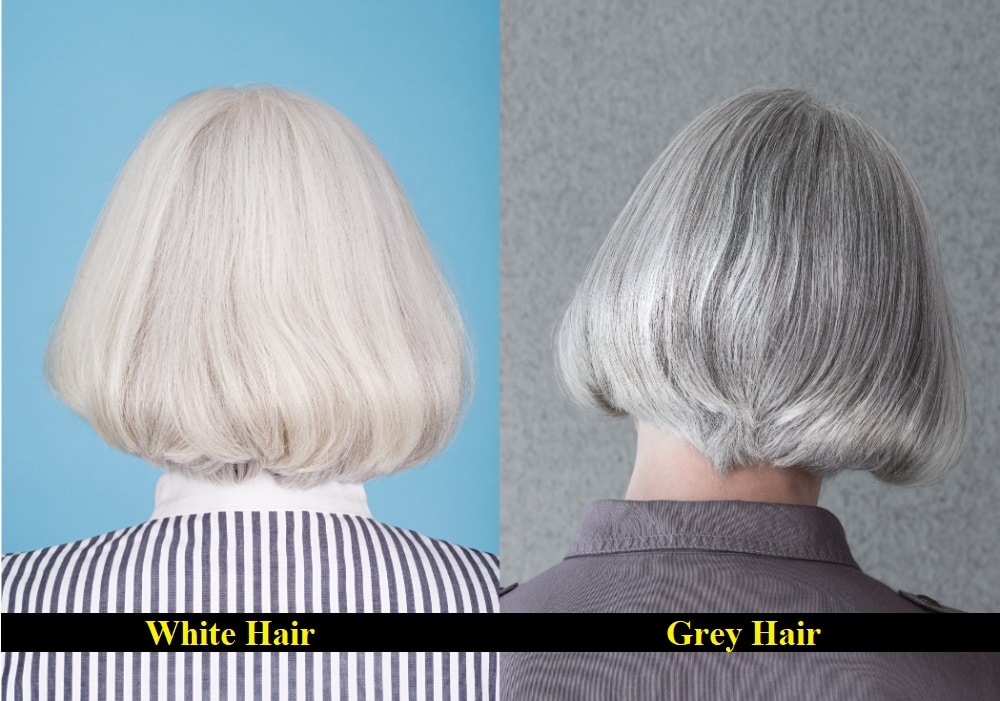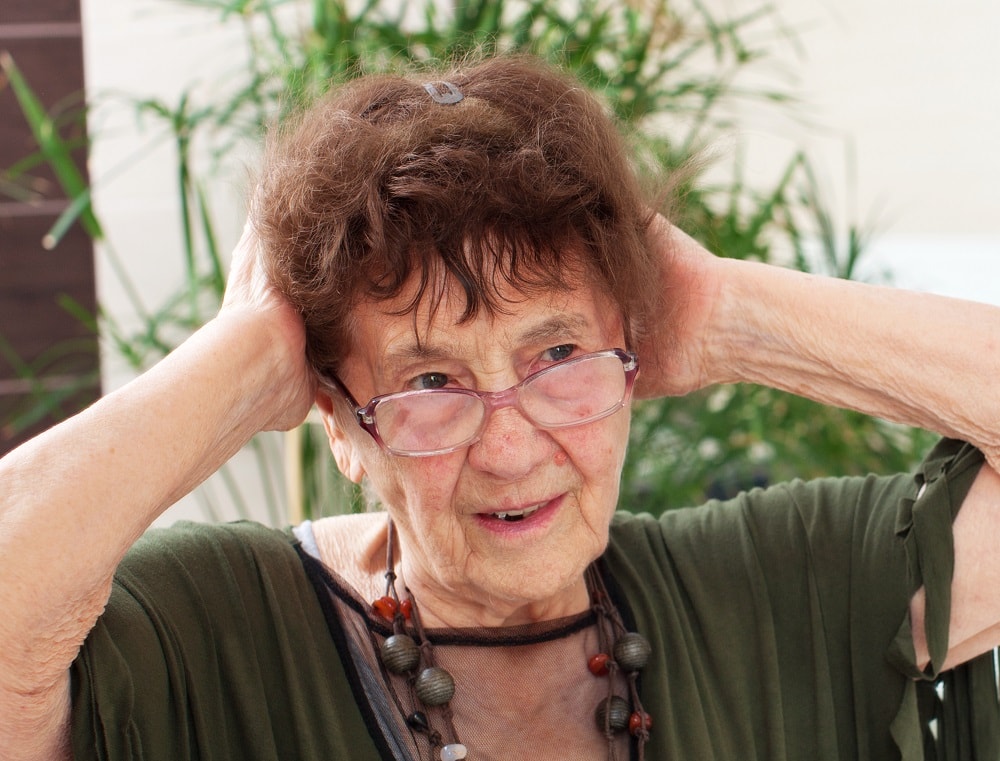


Redheads are an interesting rarity; only 1-2% of the world’s population are natural redheads. Because of this, there’s often a mystery surrounding what happens to red hair with age, including whether it will turn gray or white.
People often joke about all redheads being related to each other or being descendants of Leprechauns or other fantastical fairy-tale creatures.
But we’re here to move beyond the fairy tales. Read this article to learn whether red hair turns gray or white with age.
Do Redheads Go Gray or White with Age?
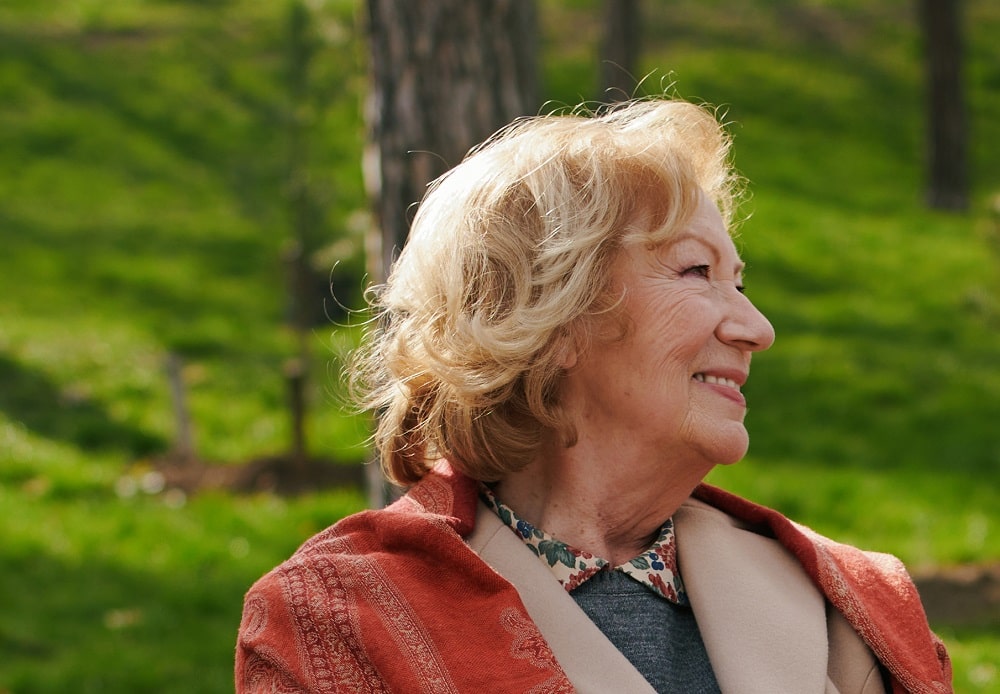
Redheads don’t go gray; they usually go white or blonde.
Red hair retains its pigment longer due to genetics tied to pheomelanin (red pigment) produced in the follicle during the growth phase.
The pigment loss results in a gradual transition to white, so most redheads tend to skip on hair going gray and, instead, find their red hair becoming blonder or slowly turning white.
Red Hair Genetics
Genetics has an impact on what hair type you’ll end up with. Whether your hair is curly, kinky, straight, red, blonde, or black, it all boils down to genetics and the distinct combinations that result in those unique traits.
Redheads require a specific combination that is quite rare; you’ll often hear it’s rare for someone with red hair to have blue eyes, and that’s because of the genetic codes.
If your parents have red hair, it’s likely that you, too, will have red hair. However, sometimes you never really know.
Red hair is created by the combination of low amounts of eumelanin and higher amounts of pheomelanin, which are pigment types in your melanin.
Melanin is a pigment that defines our skin, eyes, and hair colors; the concentration of melanin determines whether our skin, eyes, and hair are darker or lighter. The heavier the concentration of melanin, the darker our skin, hair, and eye color.
Eumelanin in high amounts creates dark or black hair. The less eumelanin you have, the lighter your hair will be. If you pair this with a higher amount of pheomelanin, a red/yellowish pigment, then you’ll have that signature redhead hair.
Redheads also tend to have more freckles due to variants in the MC1R gene, which cause melanin to concentrate in clusters rather than distribute evenly (MC1R).
How Does Red Hair Color Change with Age?

As we age, we notice differences in our hair. It thins out, falls out, and the color gradually fades or starts to turn gray. Some people find gray hair earlier than others.
Hair of any color may turn gray or white as we get older. Due to their vibrant hair color, redheads might worry about what will happen to those tresses as they age.
Like all aging hair, red hair eventually undergoes achromotrichia, the scientific term for the loss of hair pigment.
Hair pigments create the color, and when they disappear, the hair color gradually fades into either gray or white, depending on the original pigment color.
This fading process often leads to a spectrum of changes. Red hair may first turn to a lighter, washed-out copper or rosy blonde before it begins to go white.
Unlike other hair colors where the gray is more immediately noticeable, the transition in redheads can be more subtle and gradual.
Does Red Hair Turn Gray Faster?
This is actually a misconception. Contrary to popular belief, red hair does not turn gray faster.
In reality, redheads usually experience graying later than other hair colors, and in many cases, their hair might not be visibly gray at all.
This is partly about contrast, since red hair holds little of the dark eumelanin that makes new white strands stand out.
People with darker hair, who have more melanin, tend to notice graying earlier. Therefore, red hair often maintains its natural color longer compared to darker hair shades.
Can You Delay Hair Turning White as a Redhead?
If premature whitening is caused by a specific nutritional deficiency, such as Vitamin B12, correcting your diet with a doctor’s guidance may help, but genetic graying cannot be delayed by food alone (AAD; Cleveland Clinic). You can also use color-depositing shampoos, glosses, or dyes to temporarily tint or cover the changing hair color.
While people may make jokes about stress causing their gray hair, there is some truth to it. Stress may contribute to graying, along with other unwelcome effects on your health.

If you find your body exhibiting other characteristics that stem from stress (weight loss or gain, trouble sleeping, anxiety), you may consider meditating, exercising, or seeing a therapist.
Some studies suggest that, in rare cases where premature graying is directly tied to acute stress, reducing that stress might halt or temporarily reverse the process in some hairs, but age-related graying is permanent.
These are worthwhile tips, regardless of your hair color. Redhead or not, reducing stress and maintaining a regular exercise regimen provides more benefits for your body than reversing your graying or white hair.