
Has your new hair color turned out way darker than you asked for? It is actually a common issue, even when you have had it done by a professional. Sometimes your hair is highly porous and absorbs too much pigment, or sometimes there was simply a miscommunication about the shade.
There are safe, effective ways to pull out that excess pigment. Let’s break down the best methods to lighten your too-dark dyed hair and fade it to the color you actually wanted.
The fastest fix is going back to the salon that did it. A colorist can safely remove the excess color, and most salons will correct their own work at no charge or for a nominal fee.
Can I Lighten Dyed Hair That Is Too Dark?
Yes. You can often soften dyed hair that is too dark by washing with a strong chelating shampoo, using a color remover, or using a lightener.
However, it is important to keep your expectations realistic. If you are lucky, an at-home method will strip about one level. For a more dramatic change, you will likely need a professional color remover or a hair-lightening service.
Another option is simply to wait, as dark colors naturally fade over time with regular washing. But if you need a quick, clean fix, a professional stylist can correct it safely using the right remover, toner, or lightening plan.
Permanent dyes do not wash away completely; they only fade with time. Because permanent hair color alters your hair’s structure, attempting to strip it at home can cause further damage. To avoid severe breakage, it is always best to use a professional-grade hair color remover or book a professional service.
4 Ways to Lighten Dyed Hair That Is Too Dark
Safety notes before you start
- If you do a bleach bath, use only a low volume developer. Use 10 or 20 volume. Do not use 30 or 40 volume. A colorist’s suggestion is 5 volume and a color, best done by a professional if it cannot be timed correctly.
#1. Color Remover
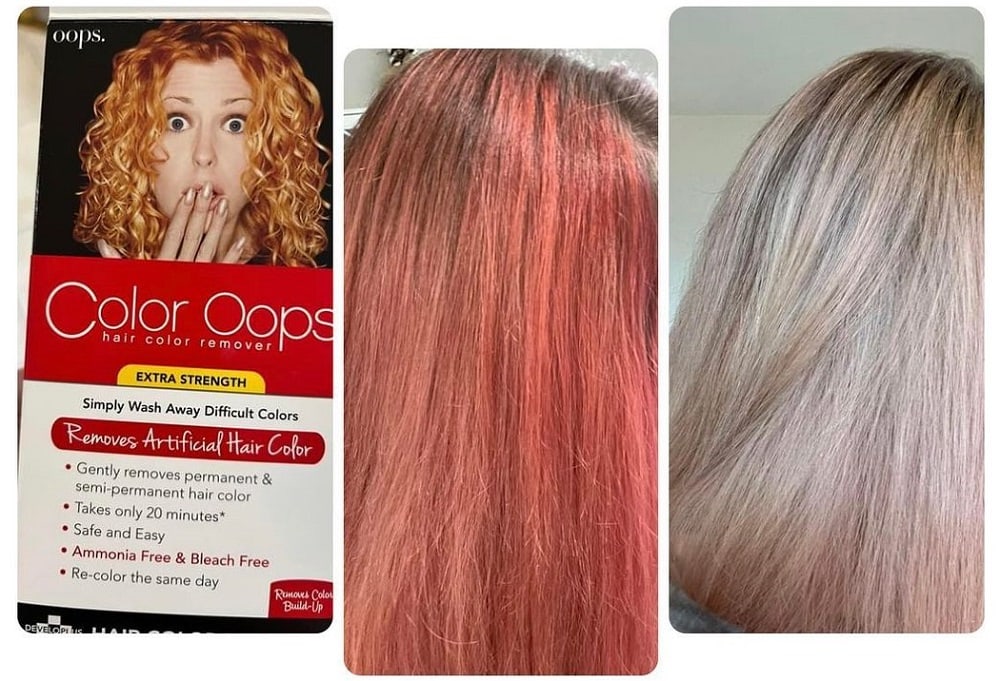
Color remover is also called hair dye remover, color stripper, or color extractor. It is often the best option when hair turns out too dark after dyeing with permanent hair dye.
Most removers target dye molecules and do not lighten natural pigment. That is why they can be gentler than full bleach in many cases.
Color removers often have a strong sulfur (rotten egg) smell and will likely leave your hair looking intensely brassy or orange. You will almost certainly need to apply a separate toner afterward to neutralize the warmth.
There are different types of removers. Some contain lightening agents. Others only reduce and rinse out artificial color.
A remover can help create a cleaner base before you recolor. It may not work well on some dyes like henna. It can also be less effective on heavy buildup from repeated permanent dye.
#2. Wash Your Hair With Sulfate Shampoo
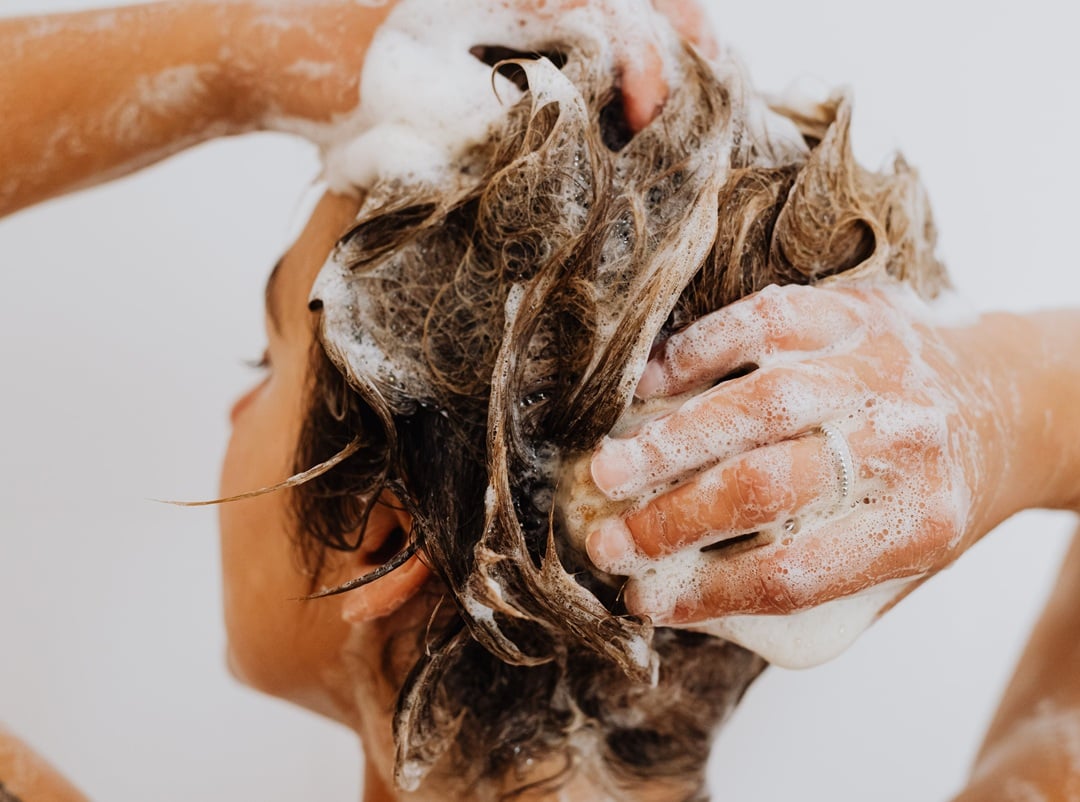
Hair dye settles over the first few days. During that time, extra pigment can rinse away. That is why many people see a softer shade after a few washes.
If your color is too dark, a sulfate shampoo can help fade it faster. This is not ideal for long term color care. But it can help in a pinch.
Start by rinsing with slightly warm water. Apply a generous amount of sulfate shampoo and gently massage through the hair. Rinse with warm water again. Finish with a deep conditioner or a hydrating mask.
Sulfate washing is one of the safest routes here, though it can leave hair feeling dry. If you keep using this method, add moisture back each time. Aim for a mask at least once a week.
#3. Hair Lightener
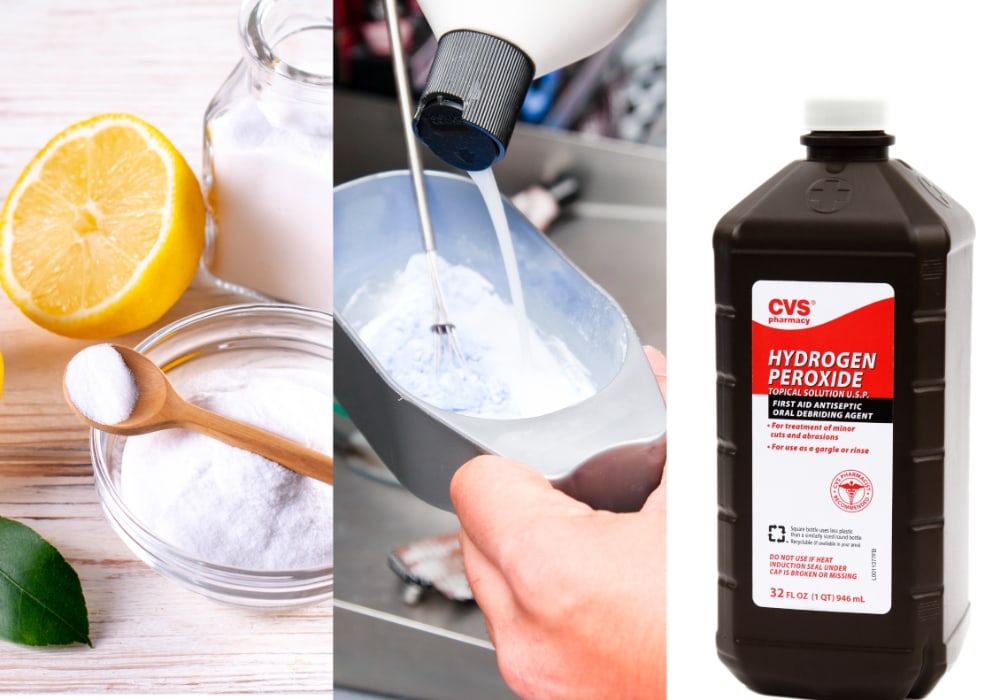
Hair lighteners are the strongest option on this list. They lift dyed color rather than just rinsing it out, and that power is exactly why they cause the most damage when they are rushed.
On already-dyed hair, lightening is a judgment call about strength, timing, and condition, so it belongs with a licensed colorist. A pro will strand-test first, keep the mix off your scalp, and stop at the first sign of trouble.
If your color is semi-permanent rather than permanent, you may not need a lightener at all; gentler fading routes exist for semi-permanent hair dye.
#4. Wait and Fade / Professional Correction
You cannot lighten dyed hair by applying a lighter dye on top. Color does not lift color. A lighter shade will not remove the darker pigment already inside the hair.
If you want to avoid more chemical stress, give the color time to fade. Wash more often. Use a clarifying shampoo now and then. When enough pigment fades, you can tone or recolor more safely.
If you need a bigger change, use a color remover first or see a professional colorist. A pro can remove darkness while keeping your hair as strong as possible.
Post-Lightening Care
Any fading method can leave hair feeling dry. After you lighten or strip color, focus on repair. Here are some tips for post-lightening care:
- Use a deep conditioner after every potent wash or remover.
- Add a protein treatment once in a while if hair feels weak or stretchy; choose a lighter-weight protein over a heavy keratin treatment.
- Limit heat styling for one to two weeks.
- If hair feels rough, pause the fading methods and focus on moisturizing first.