


Disclaimer: A tonic is a cosmetic styling liquid. It can make hair look and feel better and can support a healthy scalp for growth, but it cannot treat medical hair loss or “regrow” hair on its own. If you have sudden shedding, patchy loss, scalp pain, or sores, see a dermatologist.
If you’re like most people, the words ‘hair tonic‘ bring up old-school images of your grandfather (or actors like James Dean) splashing a refreshing, aromatic serum on his hair and slicking it back with a comb.
That’s exactly what a tonic was: an alcohol-based wetting agent found in many men’s bathroom cabinets and medicine chests in the 1940s and 1950s.
Tonic’s popularity is on the rise again, and for good reason: it can help hair feel refreshed, and it adds gloss and sheen to drab, lifeless strands. Today’s tonics aren’t just for men anymore; an increasing number of women are also recognizing the benefits of using this grooming product in their arsenal of beauty secrets.
What is Hair Tonic?
Hair tonics are liquid hair moisturizers that typically (not always) include light oils or liquid petroleum. Alcohol, witch hazel, or other astringents are usually added, which prevent oils from weighing down the hair the way other types of styling creams, waxes, and gels do.
Tonics often have light and refreshing scents; back in the “old times,” men didn’t always wash their hair regularly, so tonics kept it smelling fresh and looking good all day long.
These days, tonics are often used by hairstylists and barbers because they keep the hair wet longer than plain water during the “snip, snip, snip” stages of a haircut.
They also help the scissors to glide more easily over the hair and give the finished cut a natural, healthy sheen and a well-groomed, neat appearance.
Does Styling with Hair Tonic Require Any Special Training?
Not at all! If you can open a plastic bottle and use a comb or brush and your fingers, consider yourself a summa cum laude graduate from “Hair Tonic University”. Of course, the product you purchase will likely have specific usage directions on the label, but generally speaking, the steps are as follows:
How to Use Hair Tonic
- Wash and dry your hair. Hair should be mostly dry because water can dilute the product and weaken the finish.
- Apply a few drops of tonic to your hair, using your fingers to distribute it thoroughly. Start slow; you can add more as necessary.
- Style your hair with a normal-toothed comb, and make sure that all the strands are coated with the tonic.
- Do NOT dry your hair again. The alcohol or astringent in the tonic will evaporate quickly, leaving you with a dry glossy sheen.
Pro Tip from the Salon
In my time behind the chair, I’ve found that applying tonic to bone-dry hair can sometimes cause minor flaking if the formula is high in alcohol. I prefer applying it when hair is about 90% dry, then combing through and letting it air-finish for a cleaner sheen.
Benefits of Using Hair Tonic
Tonics can be a simple way to improve how your hair looks and behaves day to day. Whether your hair is long, short, dry, oily, curly, straight, thick or thin (or even if you don’t have any hair at all!), there is probably a formula that will suit your routine.
- Adds lightweight slip so hair combs easier and styles faster
- Gives a natural sheen, helping dull hair look more polished
- Helps hair feel refreshed between washes, especially with an astringent-based formula
- Can help loosen light surface residue so shampoo rinses cleaner later
- Works well as a wetting agent for barbering and scissor work
Secondary Benefits and Uses
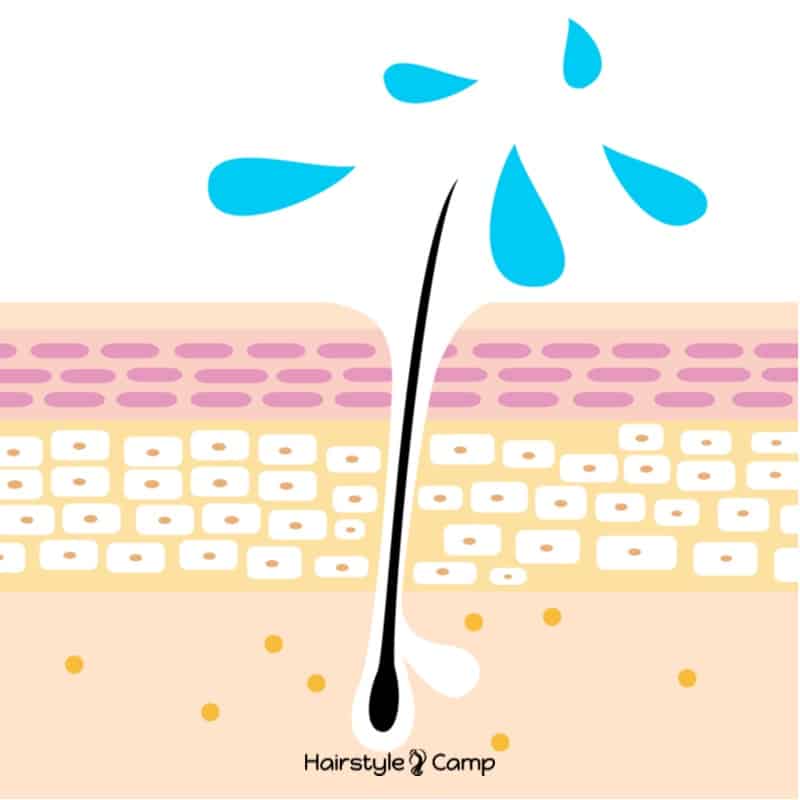
- Can be used for a gentle scalp massage
- Guards against static electricity
- Provides a pleasant scent to the hair
- Easy to use
If you’re curious about follicle “health” claims, keep this in mind: a cosmetic product can make your scalp feel comfortable and your hair look better, but it is not the same as a medical hair-loss treatment. If you want a quick look at real regrowth therapies, start with clinician-guided options like topical minoxidil. For massage, there is limited research suggesting it may influence hair thickness in some cases, but it is not a cure for hair loss (example: a small standardized scalp massage study).
Side Effects
You’d be hard-pressed to find too many adverse side effects from using an over-the-counter tonic, although some people may find that its scent conflicts with their perfumes, colognes, body lotions, or deodorants.
If you’re using a prescription-strength, medicinal scalp product (usually used to support regrowth), then you should consult with your physician about potential side effects.
Is Vaseline a Hair Tonic?
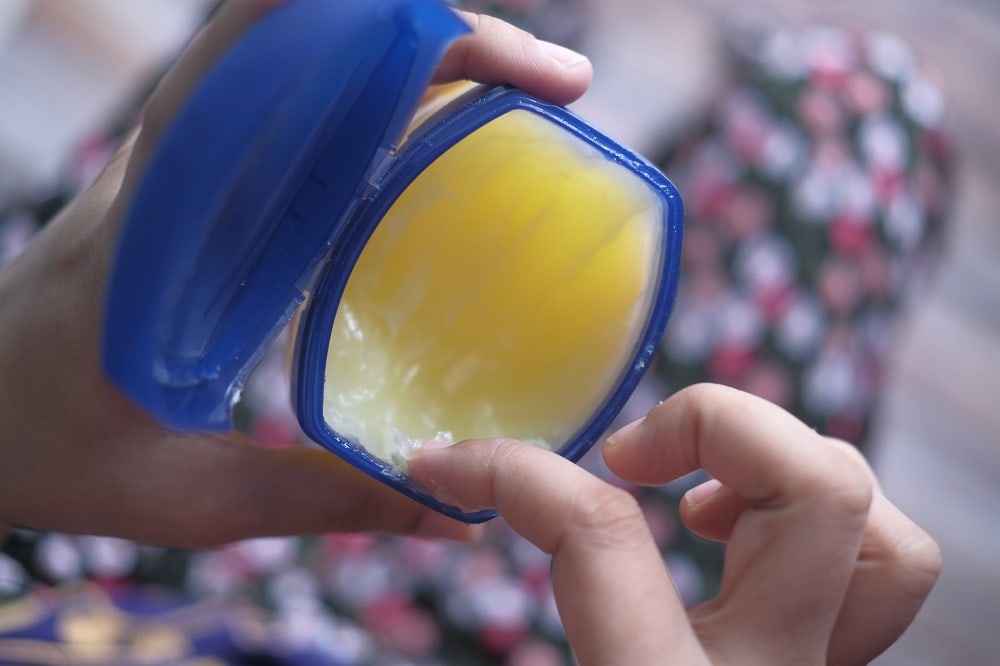
Vaseline, aka petroleum jelly, is a thick and viscous mixture of wax and mineral oil that locks in moisture and helps protect dry, irritated skin on the surface.
Use it carefully as it is too greasy and thick. It is also difficult to remove vaseline from hair.
Vaseline hair tonic is best for parched hair and scalps because it coats dry strands and helps reduce moisture loss on the scalp surface, especially if shampooing has left you feeling “stripped.”
Recommended Hair Tonics
Hair tonics are pretty much the same for men and women (last time we checked, hair was genderless, lol). The most significant differences between them are in their packaging styles, scents, and the benefits they promise to deliver.
If none of these three features is relevant to you, we suggest you simply pick the tonic product you like the most. And just like deodorants, soaps, and shampoos, it could take a couple of tries before you decide on your favorite brand. To get you started, here are our top choices for tonics for men and women:
Men
Jeris Hair Tonic by Clubman (oil-free version) is our top pick for men mostly because of its classic, manly, barbershop scent (menthol/eucalyptus, which might be a bit too strong for women).
The green tonic is formulated with or without oil — the oil-free version uses a base of glycerin, alcohol, and water.
Jeris Hair Tonic works well as a lightweight hair moisturizer and can leave the scalp feeling refreshed. It’s perfect for days when you don’t wash your hair because it doesn’t have an overly shiny or greasy appearance. Those with longer hair might find that it can tame frizz.
Women
Even though Vitalis hair tonic has traditionally been touted as a men’s product, we are recommending it for women because it’s alcohol-based (ethanol), and therefore not overly greasy.
The scent is potent, but not too over the top, and it’s an excellent product for degreasing hair that already has some product build-up.
Like most tonics, Vitalis won’t help you with styling control, but it will make your hair feel natural and softer, and it adds a lot of shine.
Men or Women with Extra-Dry Hair
An article about tonics wouldn’t be complete without including a recommendation for Vaseline Hair Tonic.
- This stuff tends to work best on extremely dry hair because it adds a lot of oil and sheen, and it softens hair and makes it more malleable when styling.
- It also conditions the scalp and may help with dryness-related flaking.
- It has a strong lavender-like scent, but it’s not overwhelming when you use just a few drops, which is why we recommend this product for both women and men.
- Because it has no holding properties whatsoever, Vaseline hair tonic works well on hair that already has a bit of build-up from other products.
DIY Alternatives of Hair Tonic
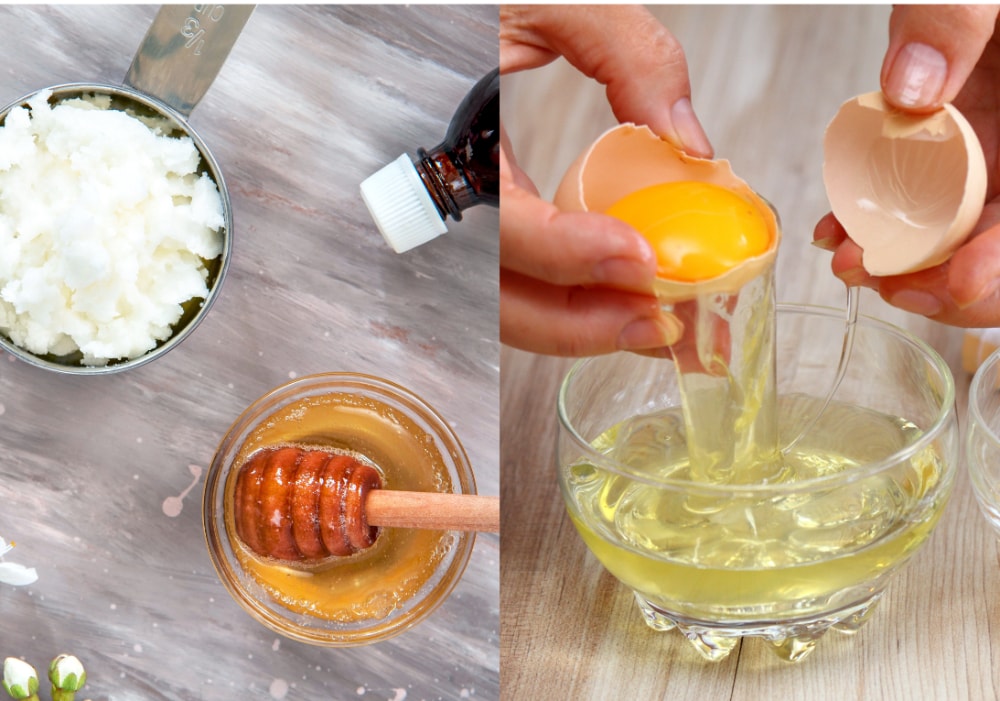
Caution: Patch test any DIY mixture before using it on your scalp. Avoid sun exposure if you use citrus-based ingredients (like lemon juice) on the scalp. If you use raw egg in a mask, avoid applying it on irritated or broken skin, and wash hands and tools carefully after.
- Coconut oil: Massage your scalp with about a quarter-sized amount of virgin coconut oil. Leave it on for an hour, then rinse it with shampoo. Do this 1-2 times per week.
- Honey: Mix a small amount of water with two tablespoons of honey so that it’s easy to distribute in the hair. Massage it into your scalp and let it sit for 1-2 minutes before rinsing and following up with shampoo.
- Jojoba: Mix together one egg yolk, one teaspoon of jojoba oil, one teaspoon of honey and a few drops of lemon juice. Work into your scalp and (optional) throughout your hair. Let it sit for 45 minutes before rinsing and shampooing. Avoid sun exposure after using citrus-based ingredients on the scalp.
- Peppermint: Add two or three drops of peppermint oil to one tablespoon of jojoba or coconut oil. Massage the mixture into your scalp for a good minute or two, then rinse with shampoo.
- Egg mask: Mix together 4-5 tablespoons of almond oil, 3-4 tablespoons egg whites, and 1-2 tablespoons of coconut oil. Massage the mixture into your scalp, and follow up with shampoo. Skip this if you have any cuts or irritation on the scalp.
If you’ve been using mousses, gels, or pomades to style your hair all your life, you might be in for a pleasant surprise the first time you use a tonic.
Tonics are a reasonably priced and easy-to-use way to keep your hair looking healthy, shiny, and well-groomed, and they work great on most hair types. Don’t be afraid to try one out; you’ll probably wonder what took you so long!
FAQs
No. Hair oil is mostly oil and is meant to seal in moisture. A tonic is usually lighter and can include alcohol or witch hazel, so it’s used more for slip, shine, and a groomed finish.
Sometimes. A tonic can act like a light leave-in for slip and shine, but it won’t replace a rinse-out conditioner if your ends are dry or damaged.
It can make hair look fuller by adding sheen, reducing frizz, and improving how strands lie. It does not change the number of hairs you have, so don’t expect a true regrowth effect from a cosmetic product.
Use it when you want extra slip, shine, or a more groomed finish. Many people apply a small amount after washing on mostly dry hair, then comb through. If your hair starts to feel oily, scale back to every couple of days.
Some formulas add light moisture and softness, especially if they contain glycerin or light oils. If a tonic is alcohol-heavy, it can feel drying for some people, so follow with your usual conditioner on the lengths if needed.
A cosmetic tonic cannot treat hair loss or reliably regrow hair. Applying it can be a good time for a gentle scalp massage, which may temporarily increase blood flow and help the scalp feel invigorated. If you’re trying to address thinning, talk to a clinician about proven options like topical minoxidil.
You May Also Like