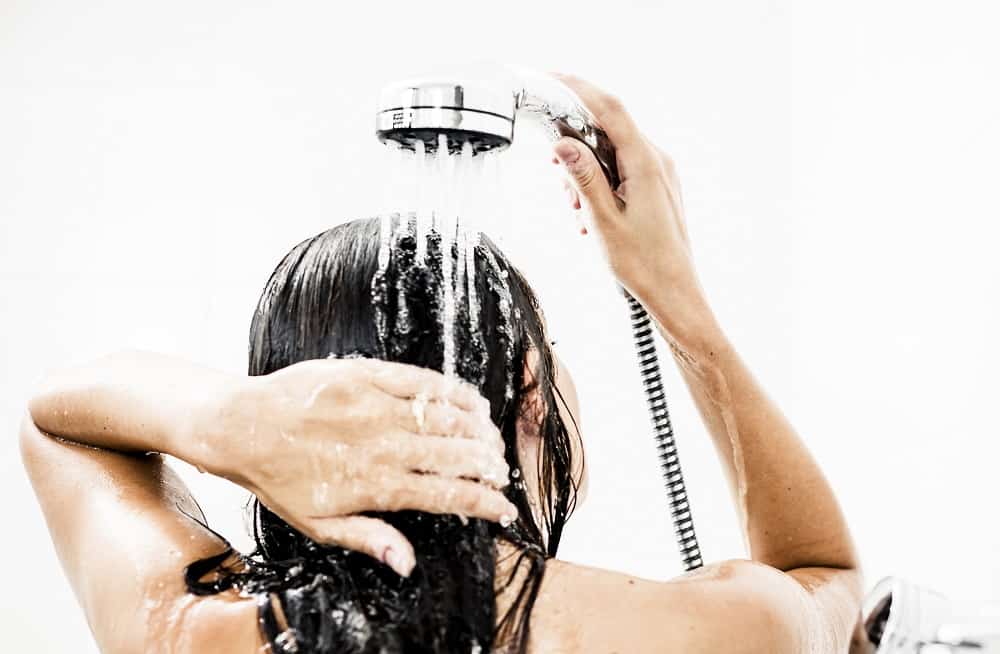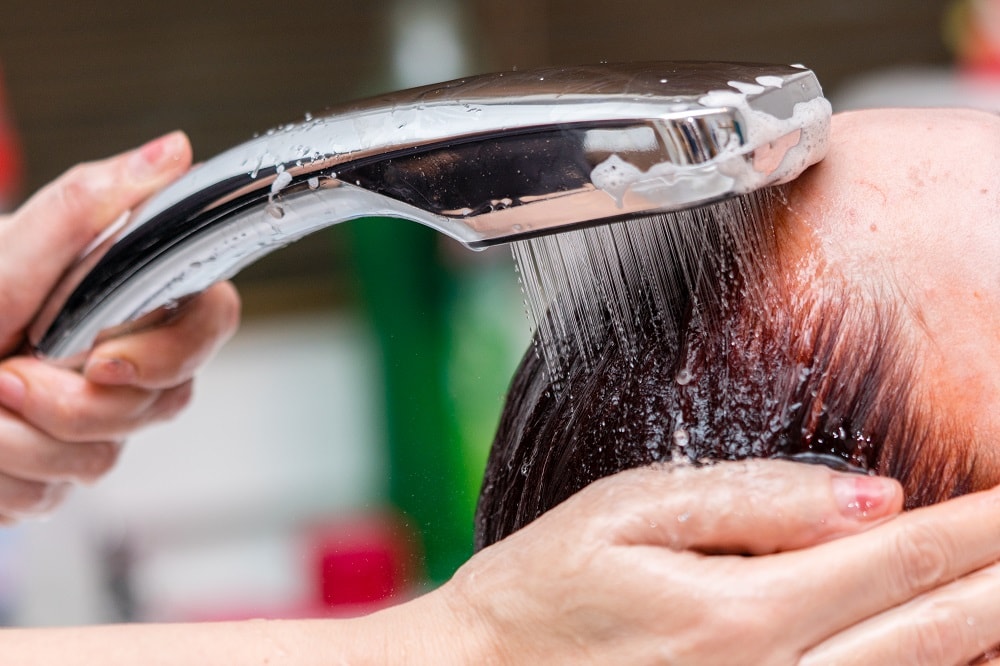


Using the right water temperature helps you rinse bleach out completely and protect your scalp and the hair’s weakened cuticle.
While many people use cold water to wash out the bleach, this is not the correct way to do it. The safe approach is to rinse with lukewarm water first until the paste washes away and the water runs clear.
Note: Lukewarm water should feel neither hot nor cold on your skin. This helps the bleach cream dissolve and rinse away easily.
If you use cold water to wash out bleach, the thick bleach paste can get harder to move and can cling to the hairline and scalp. That can leave bleach residue, which may continue irritating your skin.
Do not use hot water after bleaching. Bleach can irritate the scalp, and heat makes that worse. It will also make bleach-damaged hair more frizzy, dry, and brittle. If your scalp stings or burns, rinse the bleach off right away and get medical advice for a suspected chemical burn.
Andrea Torre, a licensed cosmetologist and colorist who has run her own studio since 2001, keeps one water rule at the shampoo bowl:

To rinse bleach from the hair properly, I use lukewarm water, always, never hot. With each shampoo I lower the temperature slightly, to the coolest a client can comfortably stand. The cooler temperature helps twofold: it closes the cuticle for better color retention and reduces scalp irritation and redness.
The Professional Way to Safely Rinse Out Hair Bleach
To minimize damage and properly rinse out the bleach, follow this precise order:
- Rinse with Lukewarm Water: Once your processing time is up, start rinsing your hair with lukewarm water. Gently run your hands through your hair, hairline, neck, and behind your ears to help the thick paste wash away. Rinse until the water runs clear.
- The Slippery Test: Bleach often remains behind the ears and at the nape of the neck. Rub your fingers along your hairline and behind your ears. If it feels slimy or slippery, there is still leftover bleach on your skin. Continue rinsing with lukewarm water.
- Shampoo Your Hair: Lukewarm water only removes the thick paste, but it will leave some bleach residue. If bleach is not properly washed out, it can continue to process and damage the hair shaft. Thoroughly wash your hair with a pH-balanced shampoo. Gently massage the shampoo into the hair to remove all residual lightener and stop the chemical oxidation process.
- Toning (Optional but Highly Recommended): Use a demi-permanent toner with low-volume developer. Apply it to damp hair. Process according to the instructions, and then rinse again with lukewarm water.
- Condition and Rinse with Cool Water: Apply a pH-balanced conditioner to seal the hair cuticle. Rinse with a blast of cool water. This will reduce scalp irritation and help the lifted hair cuticle lie flat, locking in moisture and adding shine.
Is It Necessary to Use Cold Water on Bleached Hair?
Bleach is different from dye. Dye deposits color pigments. Bleach lifts color by breaking down pigment. During this process, the hair cuticle swells, and the hair can feel rough and dry.
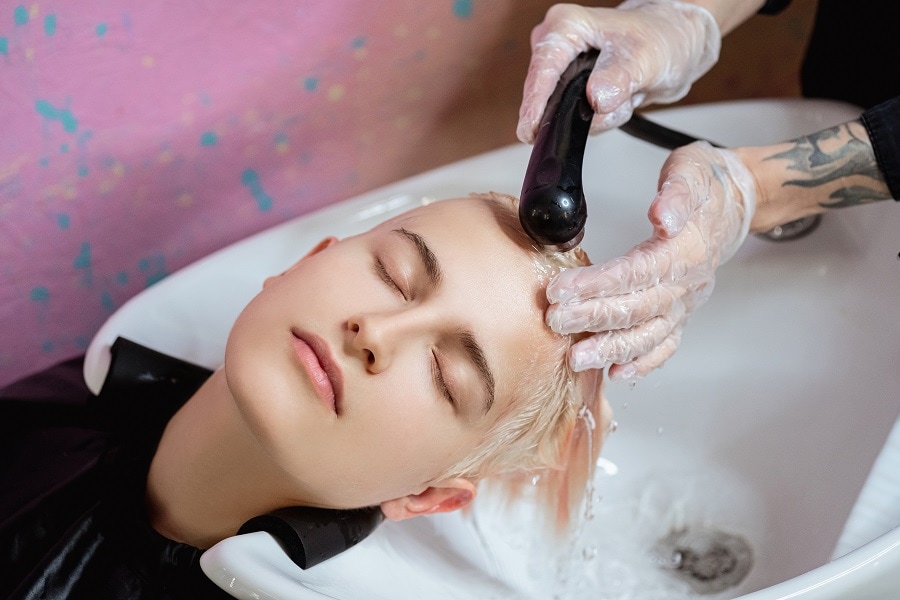
Cool water can help the hair cuticle sit flatter, so hair can feel smoother and look shinier. It is best saved for the final rinse. Once the chemicals are gone, cool water provides a refreshing sensation to the scalp and skin.
A clean rinse matters more than a cold rinse. If you use cold water too early, the bleach paste can feel harder to move, and bleach residue may stick to hair.
Using Shampoo on Recently Bleached Hair
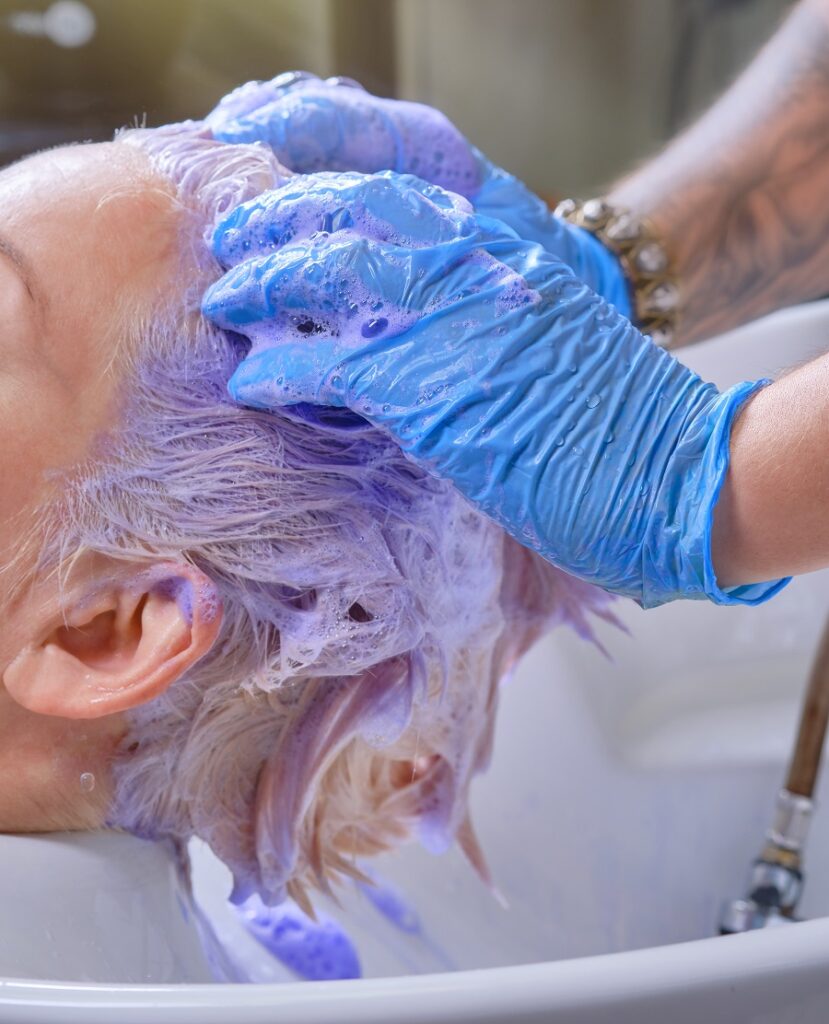
Advice on shampoo timing can vary depending on hair dye, as some colors fade faster with early washing.
Bleach is different. After bleaching, you want the product fully removed. That is why you should use shampoo on your bleached hair after rinsing the bleach with lukewarm water.
If you plan to tone, keep the order simple: Rinse the bleach with lukewarm water, then shampoo. Next, apply toner to damp hair. Finally, rinse the toner out, apply conditioner, and finish with a quick cool rinse.
Use a true demi-permanent liquid toner immediately after bleaching to ensure even color. Use toning shampoo weekly to maintain bleached hair, as the demi-permanent toner washes out and reveals a brassy tone.