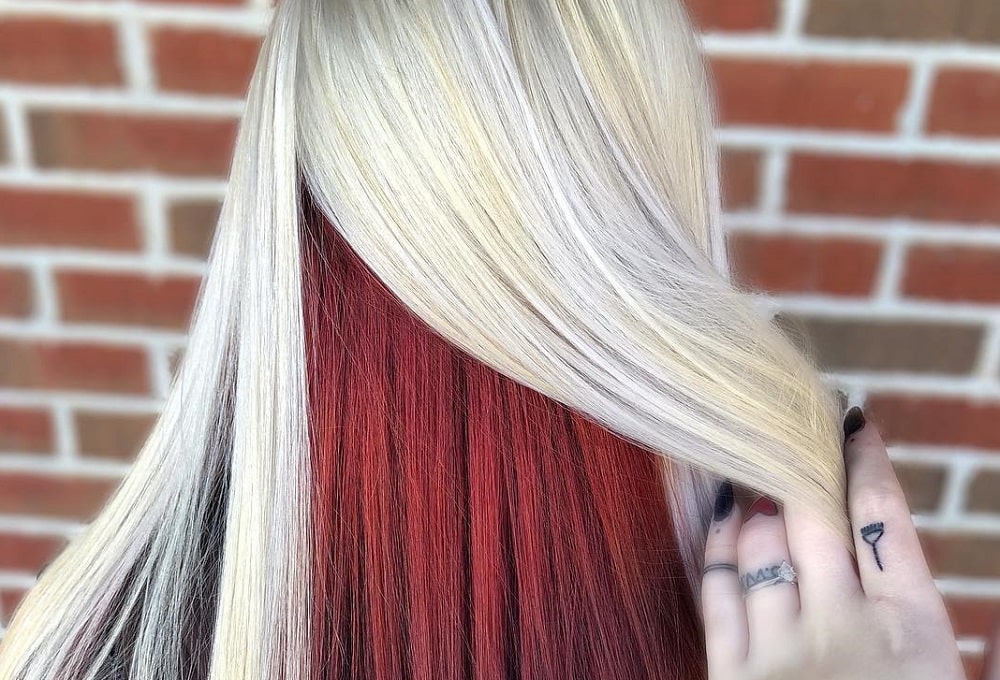


If you’re blonde, you can wear almost any shade. But if you dyed it red and now you want it gone, you are not alone.
Red pigment is stubborn. On light hair, it can leave a pink or peach stain, even after many washes.
The goal is simple. Fade it first. Strip it only if you truly need to.
If you are a natural blonde and the red will not budge, the steps below keep it safe and realistic.
How Long Does Red Dye Take to Wash Out of Blonde Hair?

How fast red fades depends on the dye type, your hair level, and your hair porosity.
Semi-permanent red often starts fading within the first several washes, but red pigment is stubborn: do not expect it to leave on its own without some kind of cleanse. It may still leave a soft tint on very light blonde hair.
Permanent red hair dye can hold on longer. Removing permanent dye may need a remover or professional color correction.
If your blonde is very light or already bleached, red can “grab” fast and stain. That is normal. It does not mean you did anything wrong.
Safety Notes
- Patch test matters. Hair dye and removers can trigger allergic reactions. Follow patch test steps on the product and stop if you get irritation. NHS: Hair dye reactions
- Harsh soaps can irritate skin. Detergents and repeated washing can cause irritant contact dermatitis. NHS: Contact dermatitis
- Bleach can burn skin and eyes. If you feel burning, or you get blisters, rinse right away with lots of water and get medical help.
Effective Methods for Color Correction
Work in layers. Do the least damaging step first. Then decide if you need more.
Ask senior stylist Emma Baxendale where bleach sits in this job and the answer is: last.
When it comes to removing red pigment, it is best to use bleach as a last step to keep the hair in optimal condition. Going straight to bleach over bright red hair will most likely just leave you with orange hair, needing another session.
Always start with clarifying washes and color removers, which are gentler; we want the red as pale as possible before bleach finishes the job. A counteracting toner at the end neutralizes the remaining warmth, and because this is still drying work, follow with hydrating treatments at home.
Why Red Is Hard to Remove
Red dye molecules love light hair. They can stain the outer layer of the hair and leave a pink shadow. Colorists see this often. It is why “one wash fix” rarely works.
You may also see tips online using lemon, baking soda, or crushed vitamin C tablets. Skip them. They are not reliable, they are rough on light hair, and gentler proven routes exist for semi-permanent dye.
Clarifying Shampoo (Instead of Dish Soap)
Dish soap is made for plates, not hair or scalp. It can be very stripping, and using it daily is a bad idea.
If you want the “wash it out” approach, use a clarifying shampoo. It is made for hair and it is a safer choice.
- Wet your hair with warm water.
- Shampoo with a clarifying shampoo and let it sit for 5 to 10 minutes before rinsing; working it through thoroughly helps the cuticle release more of the pigment.
- Repeat once if needed, then use a rich conditioner or mask.
Use this method once, then reassess when the hair is fully dry; wet hair reads darker, so you will not see the true result until it dries. Do not do it every day. Frequent washing with strong soaps and detergents can dry out and irritate skin.
Use a Color-Removing Product
Before you bleach, try a color remover. Many are designed to shrink or lift dye molecules without heavy lightening.
Follow the box timing exactly. Wear gloves, keep the product out of your eyes, and work in a well-ventilated room. Cover every strand to avoid patchy results.
Also do the patch test if the brand recommends it. Allergic reactions to hair chemicals can happen, even if you have used dye before.
Some removers will not fully erase red staining on very light blonde hair. If that happens, you may be better off toning, not bleaching.
One more rule for any plan that bleaches first: FDA guidance says to wait at least 14 days after bleaching, relaxing, or perming before applying an oxidative dye, and to repeat the 48-hour skin test before every color use.
Neutralize What Is Left with Green
If your red fades to pink or warm peach, you may not need more stripping.
On the color wheel, green helps cancel red. A green-based toner or toning shampoo can soften the look of leftover red so your blonde reads cleaner. Match the strength of the green to the strength of the red: deep red needs more green pigment, faded pastel red barely any, and overshooting the green is how you end up with a green cast instead.
Pro tip: Colorists often see bleach push red into bright orange or hot pink. If you are already near that stage, toning can be the smarter next step.
Bleach (Last Resort)
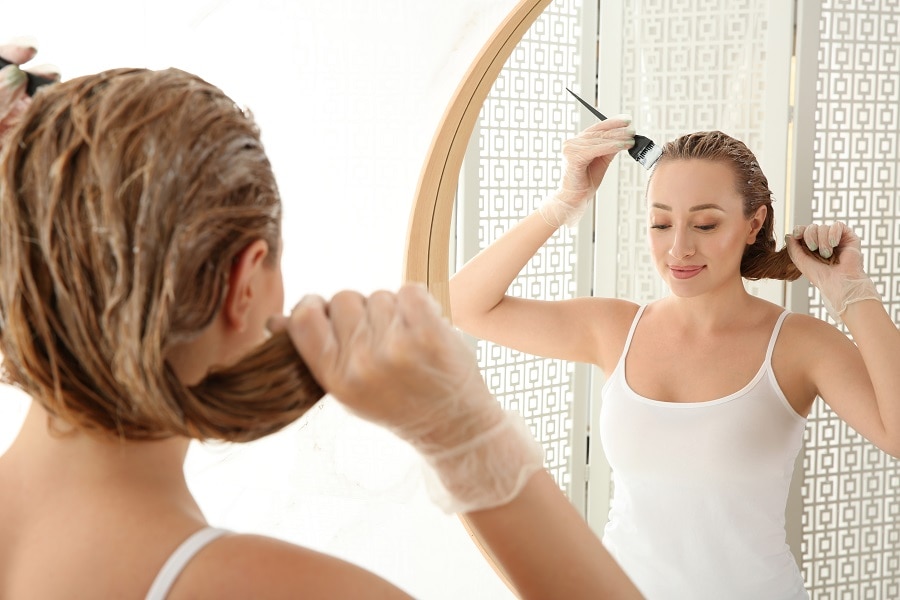
Bleach is powerful. It can cause severe breakage in dyed hair. Avoid bleaching if your hair feels stretchy, gummy, or snaps when wet.
The gentlest version is a “bleach wash” (also called a soap cap): a bleach mix heavily diluted with shampoo. It is the right tool for lifting a tint, and it is best mixed and timed by a licensed colorist.
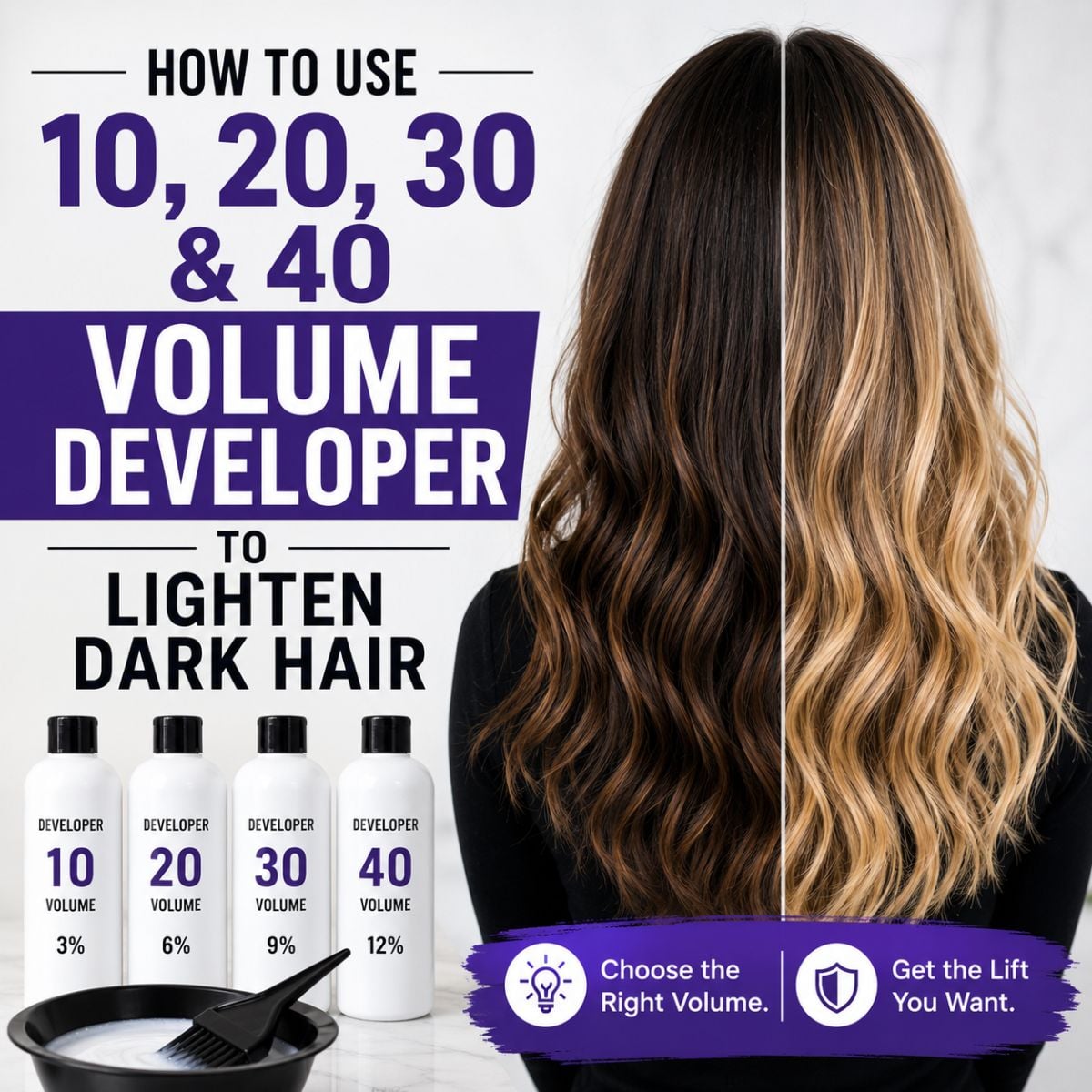
Important: Colorists keep the developer at 10 volume for this job, stepping up to 20 only when the red is strong and stubborn. Stronger developer has no place on previously lightened or bleached hair.
Here is what the appointment looks like: a strand test first, the wash mixed fresh, product worked through damp mid-lengths and ends while staying off the scalp, a check every few minutes, and a rinse the moment the red lifts to a soft peach. The goal is a gentle shift, not a full lift, and it ends with a deep conditioner or a bond-building treatment.
If bleach touches skin and you feel burning, rinse right away with lots of water. Seek help if pain, blisters, or swelling show up.
Do not bleach right after other stripping methods. Give your hair time. If you are unsure, book a color correction. It will cost less than a haircut after breakage.