


Changing up your look is made easier once you know what to look for. Tapers and fades are two of the most popular haircut choices among men, especially those who are looking for an edgier look.
Since they’re fairly similar, it’s easy to get drawn into the taper vs fade confusion, but here are a few differences between the two:
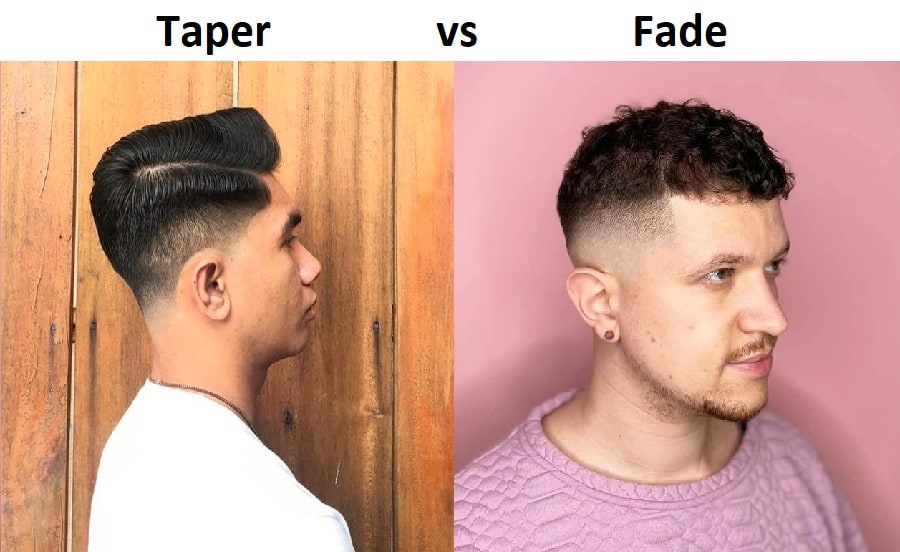
Taper vs Fade at a Glance
| Taper | Fade | |
| Cut down to skin? | Usually not (stays short but not bald) | Often yes, especially a skin fade |
| Contrast | Subtle, gradual | Bold, more dramatic |
| Best for | Conservative, office-friendly looks; thinner hair | High-contrast, edgier looks |
| Upkeep | Forgiving (about 3–4 weeks) | More frequent (about 1–2 weeks for a skin fade) |
Tapers
Tapered cuts are where the hair gradually gets shorter down the back and sides of the head. A taper really describes the sides, back, and edges. The top is usually left longer, but how long is up to you and varies from one style to the next.
The main difference between a taper and a fade is that a taper involves a subtle decrease in hair length without necessarily blending into the skin, while a fade features a more dramatic transition, often down to the skin.
It is important to have a good idea of what type of look you’re trying to achieve when deciding between a taper or a fade. Here are a few of the most popular ways to sport a tapered cut:
Side-Parted Tapers
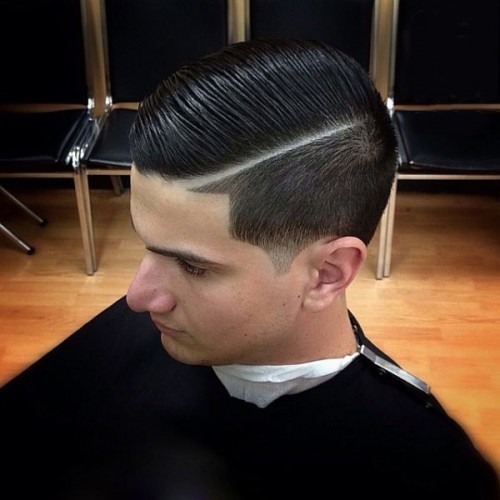
Side part tapers feature a prominent side part where the hair is thick at the part and gradually thins out as you extend down to the ear. This style is a great way to add some edge to a professional look and is very popular among business-type men.
Short Tapers

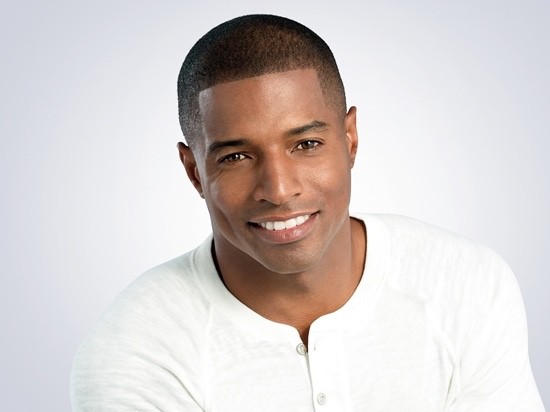
Short tapers are generally 1 inch of hair or shorter, tapering down toward the ear. This style is perfect for those who aren’t interested in leaving a substantial amount of hair at the top.
Long Tapers

Long taper haircuts feature hair that is longer at the top and shorter around the sides, but not short enough to see the scalp. This tapered style is popular among those who want to go short, but don’t want to commit to cutting the sides very low.
Subtle Tapers
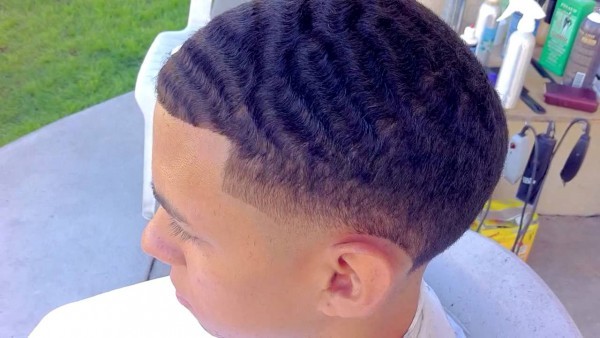
Faint tapers are seemingly the same length, but a faint tapered effect is seen around the temples and ears. If you’re someone who wants to try the tapered look but doesn’t want it to be too dramatic, then this is the perfect style for you.
Video on Taper Vs. Fade
Fades
A fade is a gradual blend that runs from very short at the bottom (often, but not always, down to the skin) up into more length as you move toward the top of the head.
A fade haircut is actually a form of tapering the hair, but the hair is cut drastically lower than a regular taper. Many barbers tend to bald the hair around the sides and back of the head beforehand and taper the cut so that it gradually gets thicker as it extends to the top of the head, giving it the “faded” look.
While most fades are cut relatively short, the top can be left long like a classic tapered cut. There are a few different types of fades, but the most popular variations include either a high fade, mid fade, or a low fade.
High Fades usually fade away completely within 2 inches of the top of the head.
Mid fades are cut close to the scalp at the bottom near the hairline, up to the occipital bone, and begin getting longer halfway up the head.
Low Fades feature a taper cut that gradually extends down the sides and back of the head and fades completely at the nape and right above the ears. Here are a few other fade styles to keep in mind:
Bald Fades
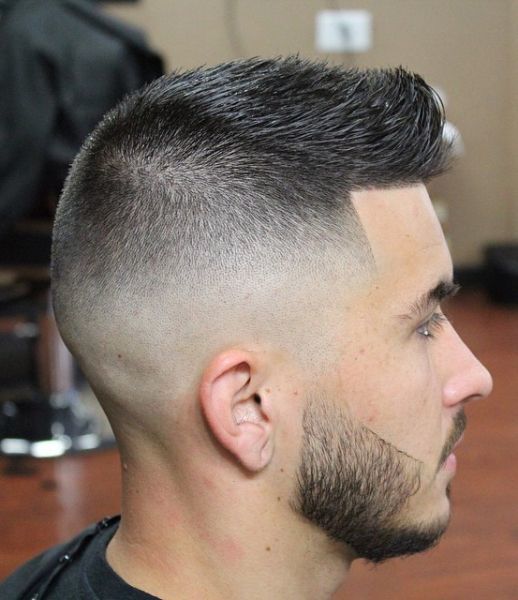
Bald fade cuts actually taper down from the top, and the hair around the perimeter of the sides and back of the head is completely shaved off.
Temp Fades

Temp fades are thinned out around the temples, hence the name. This is perfect for those who are looking to try out a fade without dramatically thinning out a significant amount of hair.
Disconnected Undercut Fade

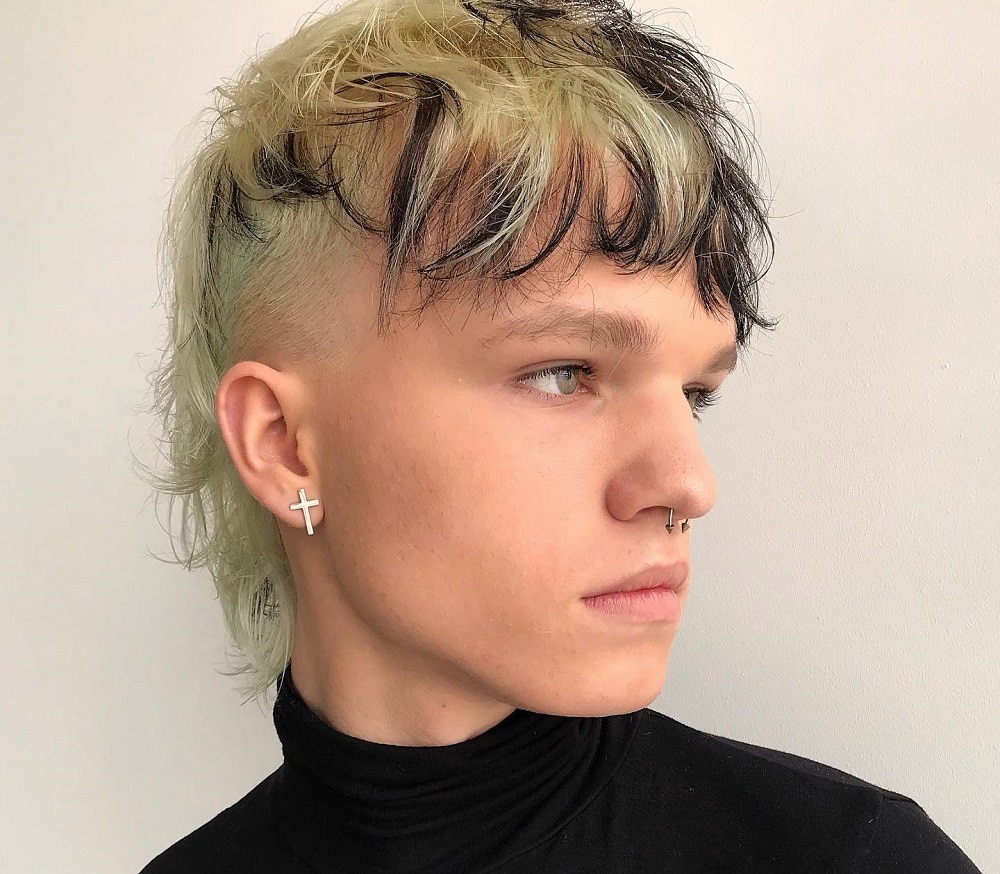
Disconnected undercut fade hairstyles feature longer hair on top with a sharp disconnect line. The sides are gradually faded up from the skin, but instead of blending into the longer curly hair on top, they stop abruptly at the disconnect line.
Faux Hawk Fade
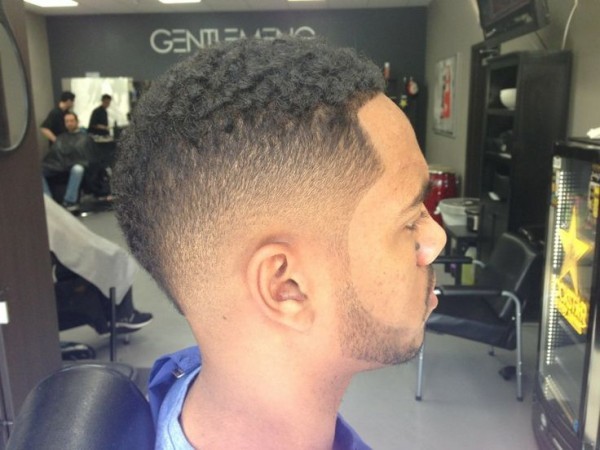
The faux hawk fade features longer hair up the middle of the head, like a mohawk, but instead of the sides being shaved, they are gradually tapered down into a fade.
High-Top Fade

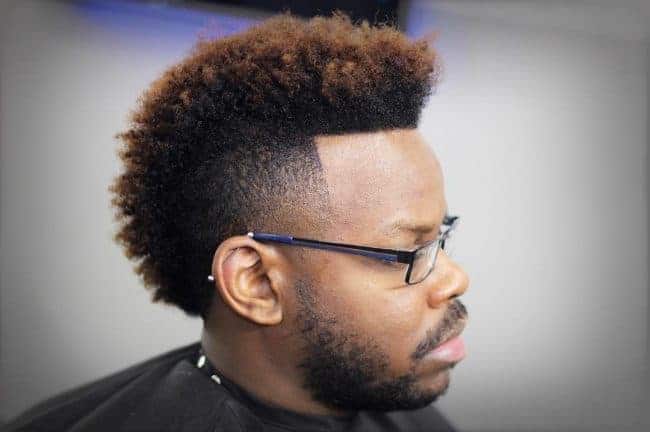
High Top Fade features a box cut at the very top of the head, which fades down around the entire perimeter of the head. The hair around the perimeter can either be tapered gradually or significantly.
Made popular by hip-hop group Kid ‘n Play, the high-top fade was a signature style during the 80s and early 90s but has made its way back into the style of hipsters and teens alike.
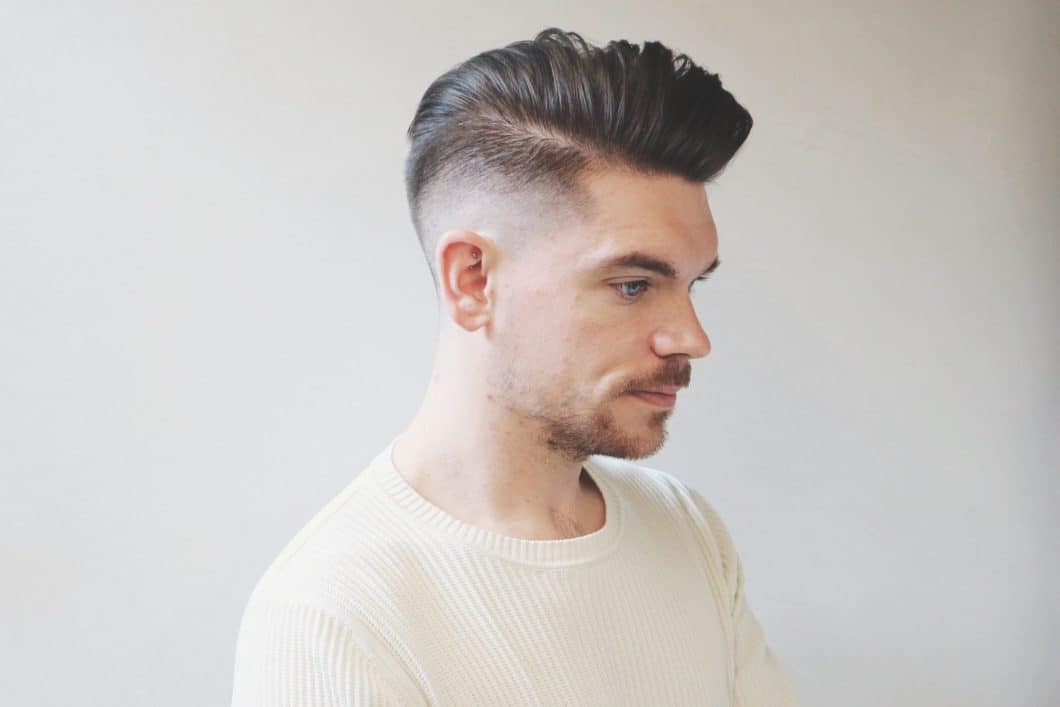
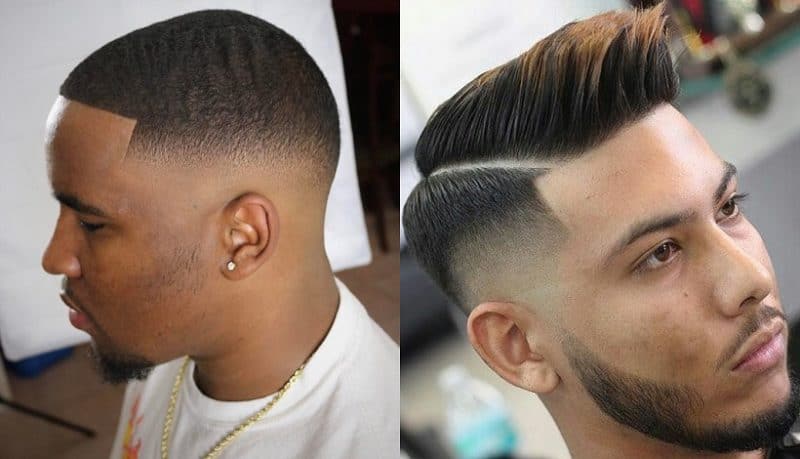
Side-Parted Taper Fade
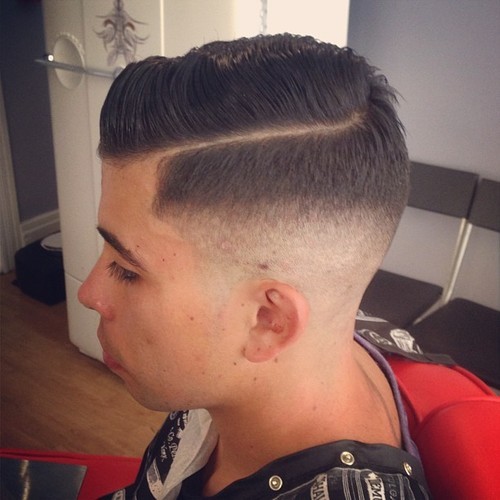
This style features a very prominent side part that tapers into a fade.
Watch this video tutorial to understand how a high taper fade is done:
High Fade with a Textured Top
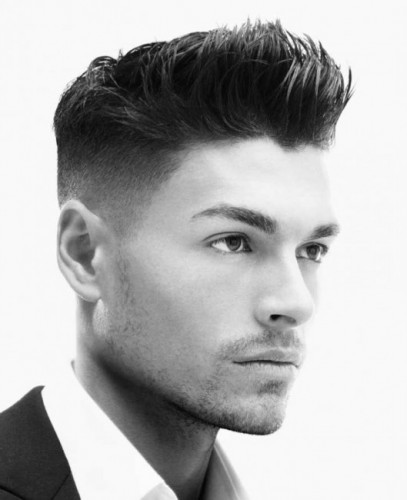
This example pairs a textured longer top with a high fade that blends the sides down to the skin.
Taper vs Fade: Which Should You Get?
Still not sure which one to ask for? It really comes down to how much contrast you want and how often you want to visit the barber.
- Go with a taper if you want a clean, subtle look that still works at the office, you have finer or thinning hair you would rather not expose, or you simply do not want to come in for touch-ups too often. It is the safer, lower-maintenance choice.
- Go with a fade if you want a sharper, high-contrast look with the sides taken very short or right down to the skin. Fades make a bolder statement, but they grow out faster, so plan on a visit every week or two to keep a skin fade looking crisp.
And if you want a bit of both, a taper fade meets in the middle. You get a soft, blended finish on top with a cleaner, shorter drop around the edges.

Leave a comment