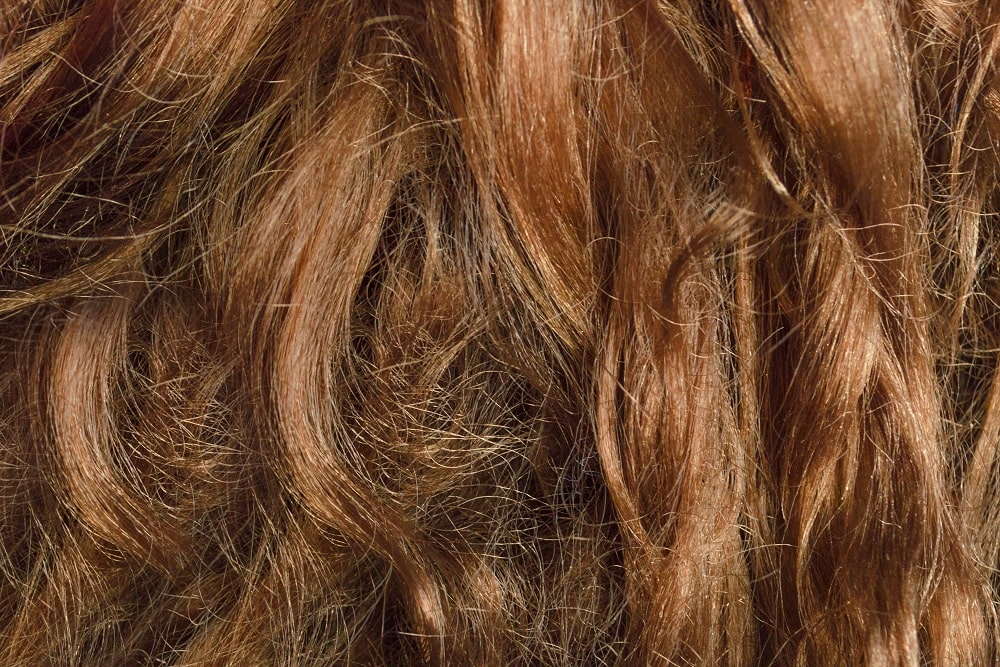

Have you ever considered skipping your regular shampoo routine because your hair looks dry and damaged? If so, co-washing could be the perfect option for you, especially if you have curly natural hair.
Co-washing, or conditioner washing, is becoming popular as a gentler alternative for maintaining healthy hair. Co-washing can help to retain natural oils and moisture, leaving hair softer and more manageable.
But what exactly is co-washing, why should you consider co-washing, and how can it make a difference to your hair? It’s best to evaluate all the facts so that you can make an informed decision on whether or not to co-wash.
- Co-washing means cleansing your hair with conditioner.
- Those with thick, dry, or curly hair may benefit the most from co-washing.
- Co-washing is useful between shampoos, either to restyle your hair or to postpone shampooing.
- You can co-wash with a regular conditioner, but it should be silicone-free. A product made for co-washing is usually a better choice.
- Co-washing should not fully replace shampoo. You still need to shampoo at times to remove buildup and support scalp health.
What is Co-Washing?
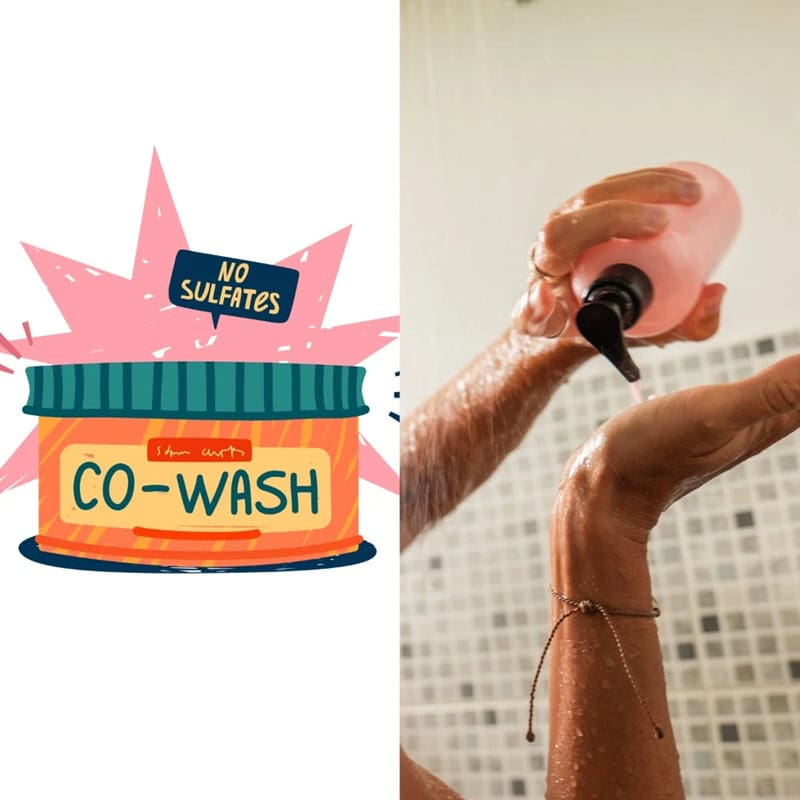
Co-washing means washing with conditioner instead of shampoo. Essentially, you are using a cleansing conditioner to remove product and buildup from your hair without the use of shampoo, in order to maintain a healthy amount of moisture in your hair.
Who Should Co-Wash Hair?
Anyone can co-wash, but certain types of hair thrive more when they are co-washed. This includes curly and/or dry hair. If your hair is fine or your scalp gets oily quickly, co-washing may weigh it down, so use it sparingly.
The curlier the hair, the drier it tends to be. Think about your curly hair strands like a roller coaster. The natural oils from your head have to travel down and around through lots of twists and turns to get to the ends of your hair, so it takes a bit longer to get there. Truth be told, you may have oily roots before your natural oils even have a chance to reach the ends of your hair.
If your hair is not curly, you may still benefit from co-washing. It can be beneficial for those with very dry hair regardless of the texture. This is especially true of those with long hair because just as is the case with curly hair, the ends tend to lack moisture.
What are the Benefits of Co-Washing?
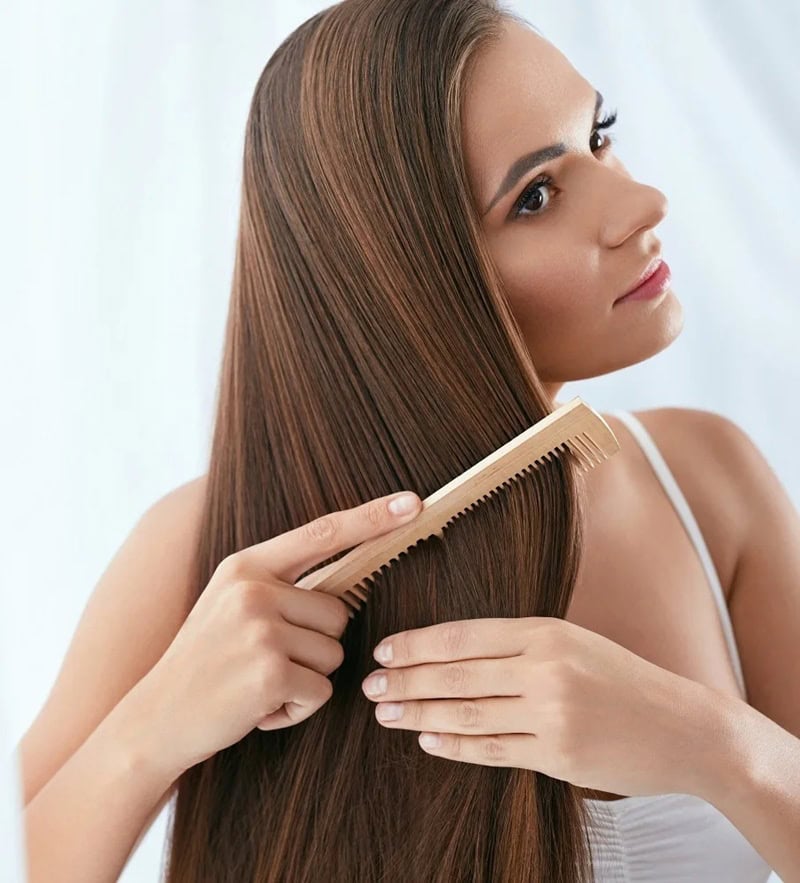
The main benefit of co-washing is that it is very moisturizing. Shampoo is more effective in thoroughly cleansing the hair but it can strip the hair of its natural oils, especially if it is being used too often.
Another benefit to co-washing is that it helps your colored hair stay vibrant for longer. Every time you wash your hair with shampoo, your hair color fades just a little. When you cleanse with conditioner, your color will fade less, allowing you to keep your vibrant hair color for as long as possible.
Finally, my favorite benefit of co-washing is that it allows you to restyle your hair without shampooing it. If your hair is pretty clean but it’s starting to look really wonky, you may have no other choice than to completely soak it and re-style it. Co-washing hydrates your hair and freshens your style as often as you’d like.
What are the Cons of Co-Washing?
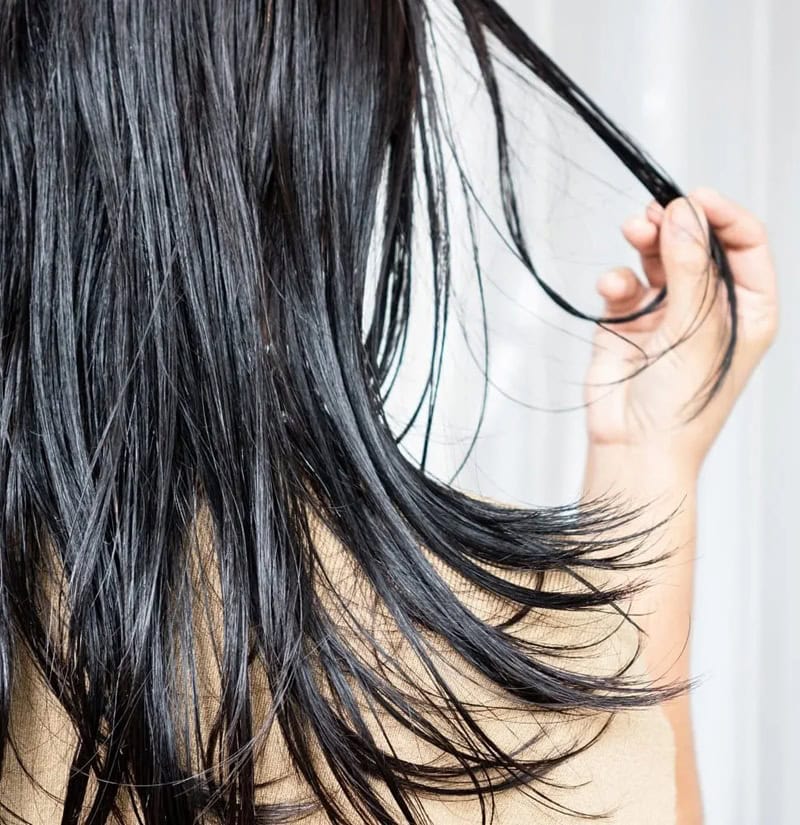
Along with the benefits of co-washing, there are also some negative aspects to keep in mind. The truth is that, while co-washing can help to remove buildup from the hair, it doesn’t cleanse the hair and scalp as thoroughly as shampoo.
If you rely entirely on co-washing to cleanse your hair, you will most likely not be removing all the product and environmental buildup on your hair. This can lead to an itchy/sore scalp and, in extreme cases, clogged follicles and even folliculitis (inflamed follicles), which can inhibit growth and lead to shedding.
Safety Note
According to the American Academy of Dermatology, improper scalp hygiene can lead to conditions like folliculitis.
- If you have painful bumps, pus, spreading redness, fever, or symptoms that do not improve, stop experimenting and speak with a clinician or a board-certified dermatologist.
- If your scalp is sore, itchy, or feels coated, it may be time for a proper shampoo to remove buildup.
Of course, I am not saying this to scare you from using a co-wash! There is definitely a good purpose for co-washing if used in between shampoos.
How Often Should You Co-Wash?
This question has spurred much debate in the last few years. Some feel that you should never use regular shampoo, and simply stick to co-washing. Most hair stylists will disagree with this statement.
As stated earlier, there are many benefits of co-washing, including adding extra hydration to your hair, preserving your color for longer, and being able to restyle your hair between shampoos. However, the negative side of co-washing is that it doesn’t cleanse your hair as thoroughly as shampooing. You can achieve your ideal hair by finding a good balance between the two.
As a general guideline, shampoo your hair anywhere from twice a week to once every two weeks. Co-washing can be done as much as once a day. Therefore, co-washing is a great thing to do in between shampoos, either to restyle your hair or to postpone shampooing for a bit longer.
If you are someone who needs to soak and restyle their hair every single day, co-washing is usually gentler than shampooing every day.
My Advice
- Daily co-washing is often gentler than daily shampooing. Still, wetting hair every day can cause hygral fatigue, which is damage from repeated swelling when hair gets wet, especially with high-porosity hair.
- If your hair feels gummy, too soft, or limp, wet it less often. Try every 2 to 3 days.
- Use lukewarm water for co-washing. Hot water can make hair dry and frizzy.
- If your scalp feels itchy, sore, or coated, plan a shampoo wash to remove buildup.
What Products Should be Used for Co-Washing?
While it is possible to co-wash with a regular conditioner, it’s best to co-wash with a product specifically formulated for that purpose. With the popularity of co-washing rising, it is not difficult to find an abundance of co-washes on the market.
Warning
If you use a regular conditioner, ensure it is Silicone-Free. Regular conditioners with silicones (ingredients ending in -cone, -conol, or -xane) will cause heavy buildup that co-washing cannot remove.
Another thing to keep in mind when shopping for a co-wash is your specific hair type. If your hair is very thick and/or coiled, you may need a thicker, richer, more moisturizing co-wash. If your hair is fine, thin, or easily weighed down, you may be best looking for a lighter co-wash.
No matter what your hair type, there is a co-wash out there for you!
What is the Best Way to Co-Wash?
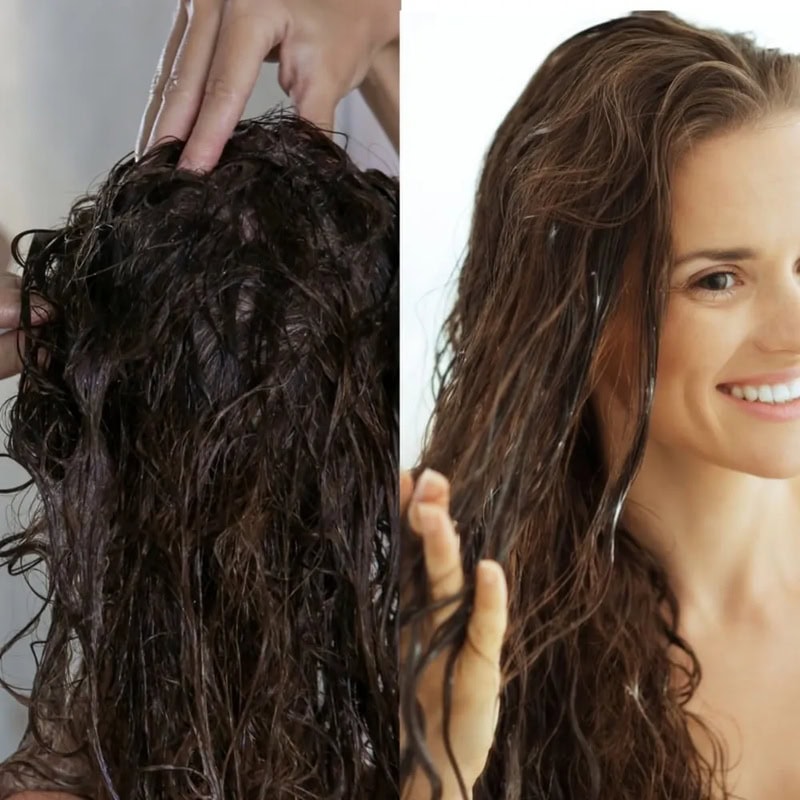
Now that you know pretty much all there is to know about co-washing, you need to know how to do it! (Of course, it’s always best to read the directions for your specific product before using it.) By consulting the guide below, you will be able to hydrate your hair and keep it feeling fresh.
Steps for Co-Washing Your Hair:
- Select the conditioner or co-wash product that you are going to use.
- Completely soak your hair with lukewarm water to gently wet the hair without stripping natural oils.
- Apply the conditioner or co-wash to your scalp and hair.
- Rub the conditioner/co-wash into your scalp as you would a shampoo. Scrub your scalp and hair to loosen up any dirt or buildup.
- Rinse out the conditioner/co-wash with lukewarm water. Rinse it thoroughly until no conditioner/co-wash remains in your hair.
- Repeat steps 3-5.
- Apply your regular conditioner to the mid-lengths and ends of your hair to add extra hydration. Leave it on for 5 minutes.
- Rinse out the conditioner with cool water.
- Gently squeeze the excess water out of your hair and pat dry with a microfiber towel. Style as desired.
After you have co-washed your hair, pay attention to how your hair looks and feels. If it is too greasy, you may need to skip the step of conditioning it again after you co-wash.
If it’s still dry, you may consider applying a deep hydration mask to your hair. Everyone’s hair is different, so it may take a bit of trial and error to figure out what works best for you!
What are Some Common Mistakes to Avoid When Co-Washing?
There are a few common mistakes to avoid when co-washing your hair. We will discuss those common mistakes below and how you can avoid them.
Not Scrubbing the Scalp Enough
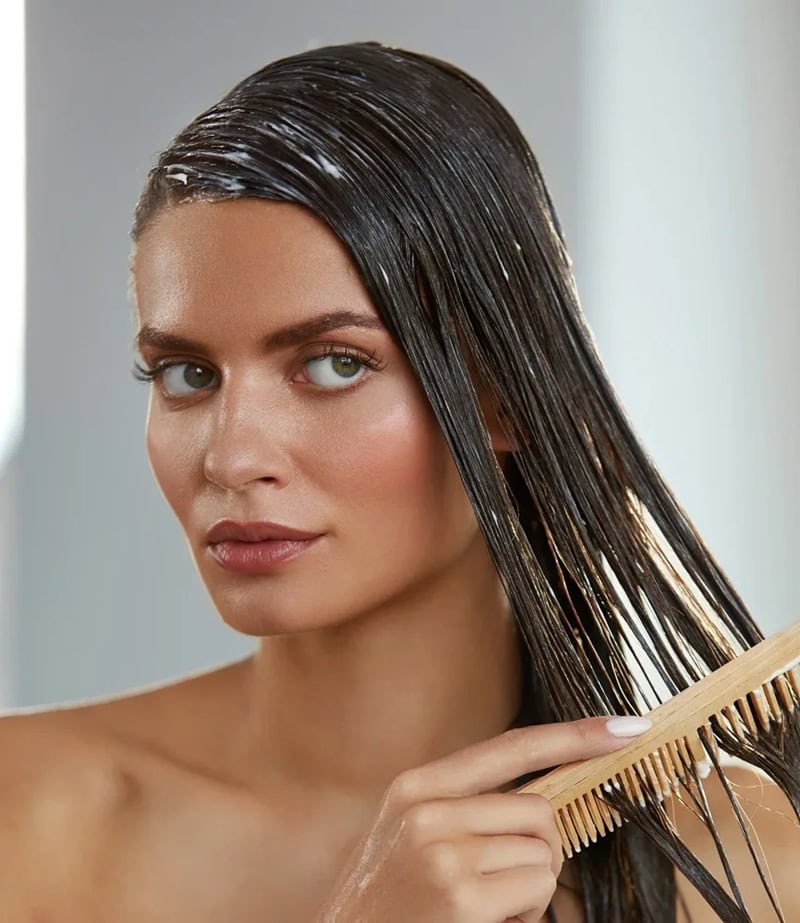
To cleanse your hair with conditioner, you have to scrub it into your scalp and hair. This is what loosens up dirt and oils. If you just let it sit on your hair like you would a regular conditioning treatment, you will not accomplish much.
Therefore, you can avoid this mistake by treating your co-wash as you would a shampoo. Use your fingers to scrub!
Completely Replacing Shampoo with a Co-Wash
As stated previously in this article, co-washing should not completely replace shampooing. It should simply supplement it. Therefore, you should still shampoo your hair regularly to eliminate buildup on your hair and scalp.
If your hair starts to feel weighed down, or your scalp is greasy, sore, or itchy, it’s time for a good shampooing.
Co-Washing Your Hair One Time
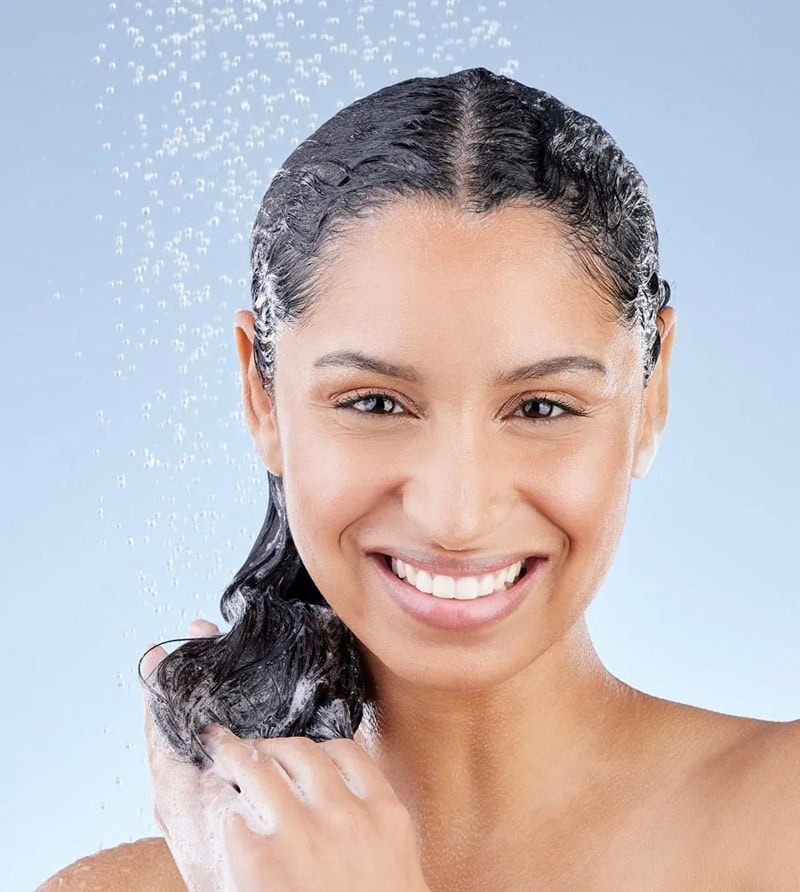
Applying your co-wash once and then rinsing it out is not going to be as effective as you may hope.
If you are determined to cleanse your hair as much as possible with your co-wash, apply it at least twice. After you apply it to your hair each time, scrub it into your hair and scalp, and rinse it out completely.
Not Rinsing Your Co-Wash Out Completely
Not completely rinsing out your co-wash can make your co-washing process quite ineffective. The point of co-washing is to gently loosen any dirt or buildup on your hair so it can be rinsed off. If you are not rinsing the co-wash out thoroughly, you aren’t cleansing your hair.
Rinse out your co-wash thoroughly with lukewarm water. If you still need more moisture added to your hair, you can always apply a regular conditioner to your mid-lengths and ends after you have rinsed out the co-wash.
Co-washing is a great way to refresh, cleanse, and moisturize your hair! When done with the right products and methods, it can benefit your hair and bring you one step closer to achieving the shiny, bouncy, and healthy hair of your dreams!