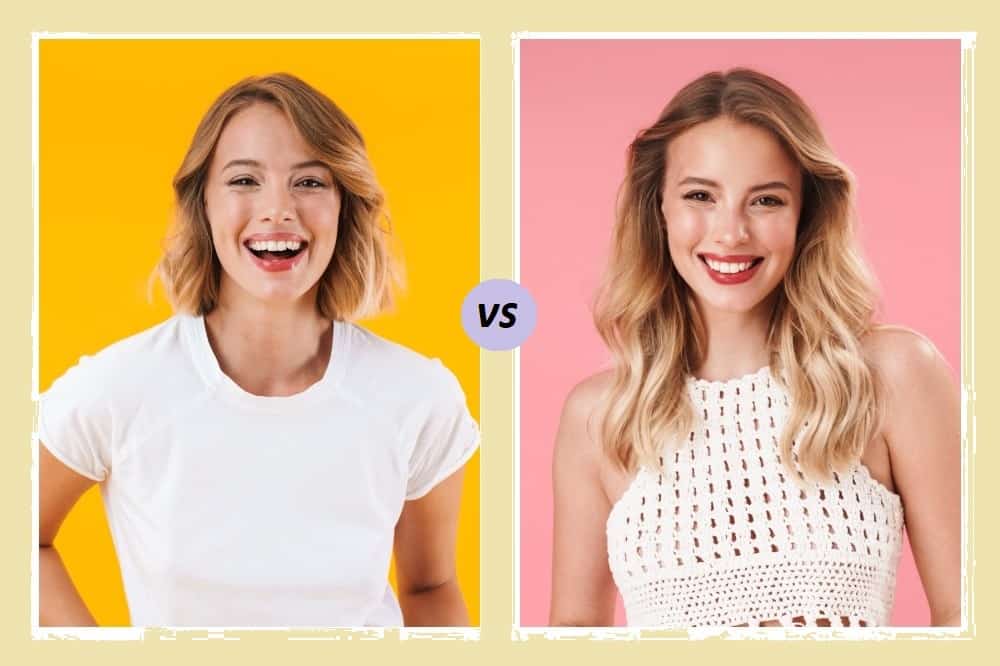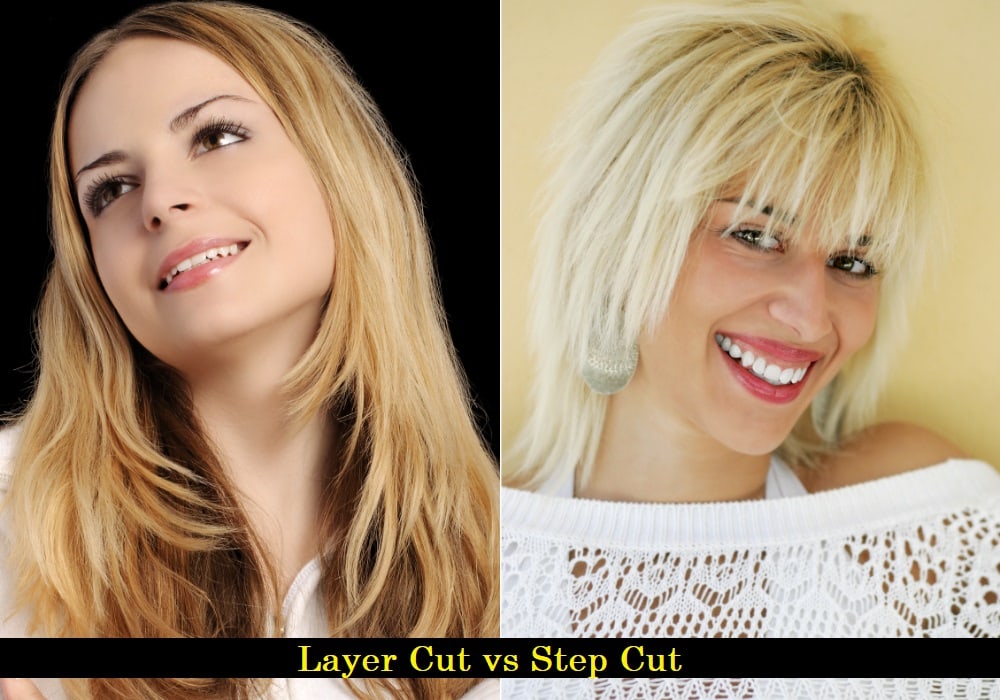


Long layers and short layers are two classic ways to add shape, movement, and texture to a haircut.
Knowing the key differences between long layers and short layers can help you choose a haircut that suits your hair type, styling routine, and desired shape.
Senior stylist Emma Baxendale decides between the two with three questions: how much weight to remove, how the hair sits, and what the client wants.

Thicker hair can afford shorter layers and more weight removed, but very straight hair, or a client who does not like the layered look, cannot. Someone with finer hair but plenty of natural movement can benefit greatly from shorter layering.
For protecting length, long layers win every time: the shorter the layers, the more weight comes off the bottom, and a client who loves a strong baseline can end up with wispy ends. Long layers with shorter face-framing suits the client who loves length but wants movement.
Differences Between Short and Long Layers
Here are five differences between short layers and long layers that will help you understand how each type can affect a haircut.
#1: Length
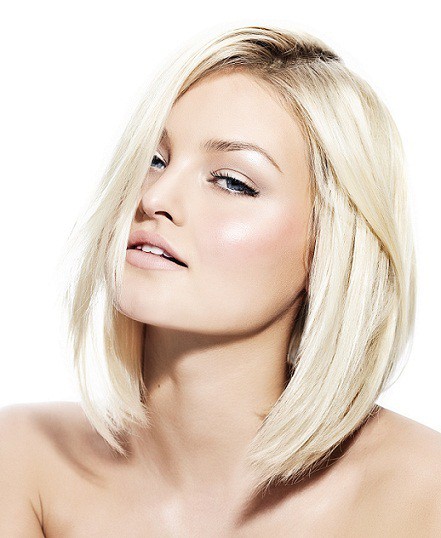
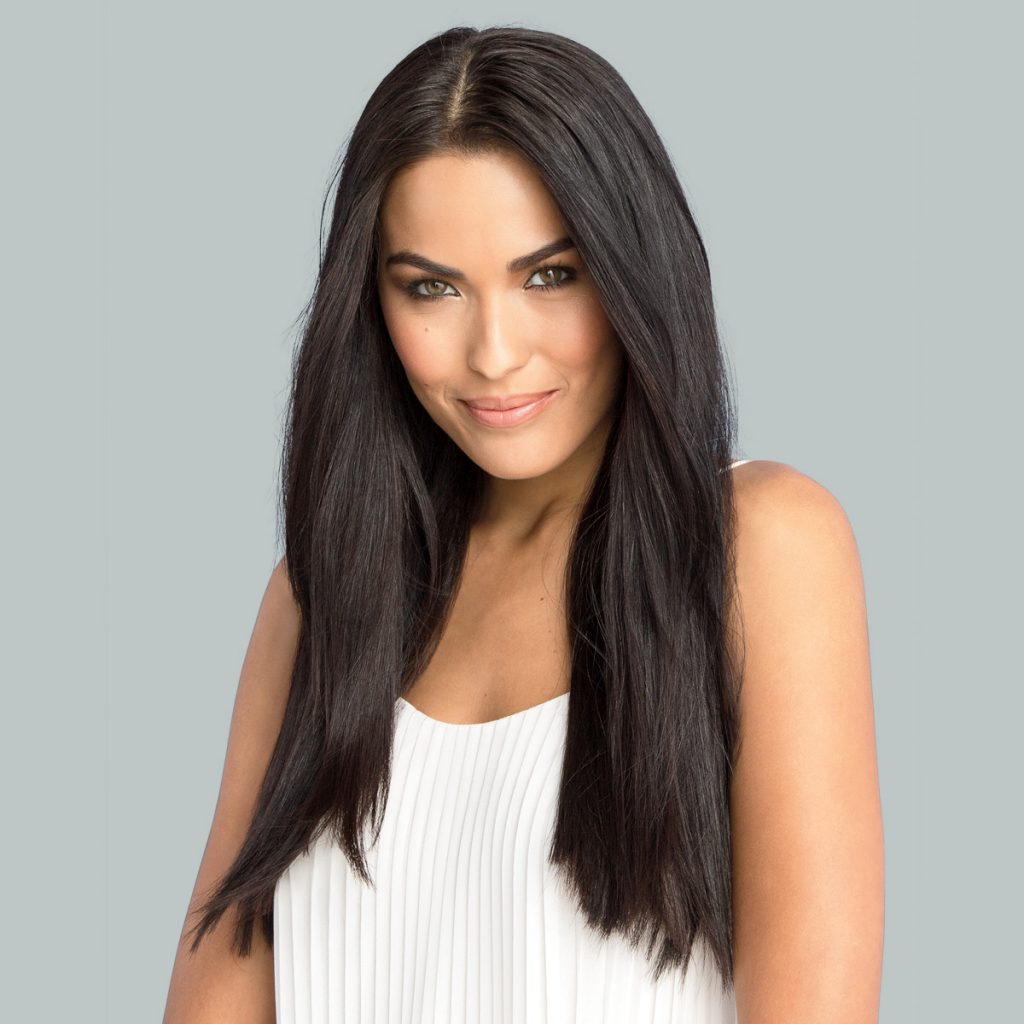
When talking about layers, the terms “long layers” and “short layers” do not simply refer to the overall length of the hair.
Long layers keep the shortest layered sections relatively long and blend them into the lower lengths of the hair. Short layers introduce shorter pieces higher in the haircut, creating more visible separation between the layered sections.
Among different types of layering, long layers generally work best on medium-length and long hair, where there is enough length to create a smooth transition between the layers.
Short layers can be incorporated into many hair lengths, including pixie cuts, bobs, medium-length cuts, and long hairstyles.
#2: Styling
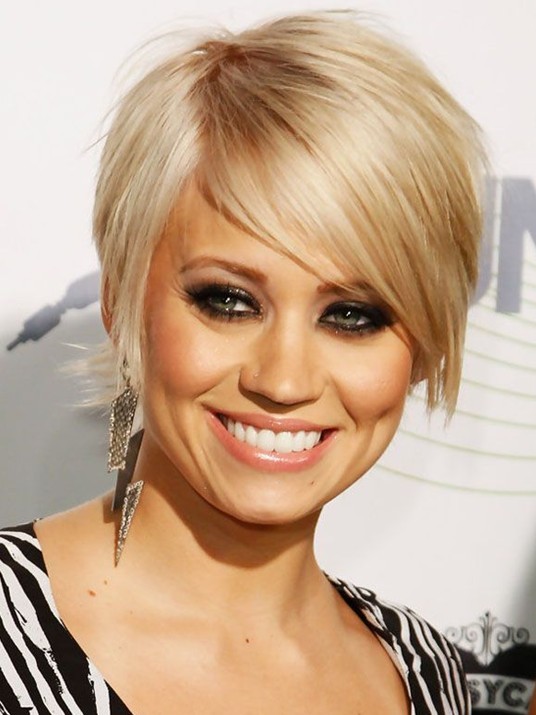
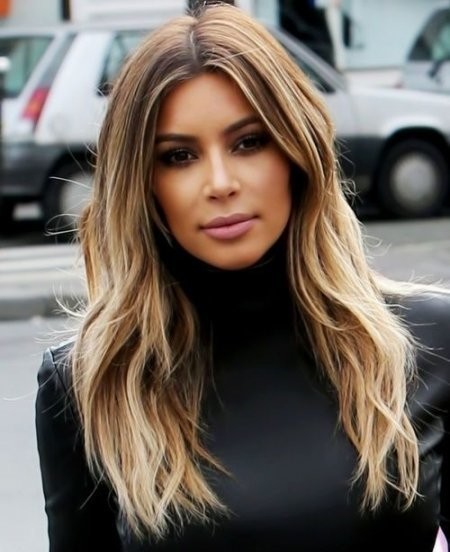
Long layers and short layers can behave differently when styled.
Long layers preserve more length between the shortest and longest sections, which can make them easier to incorporate into ponytails, buns, braids, and other pulled-back styles.
Short layers create more visible texture and movement, but the shorter pieces may need extra styling to sit where you want them. The result also depends on your hair texture, growth pattern, and where the layers are placed.
#3: Volume
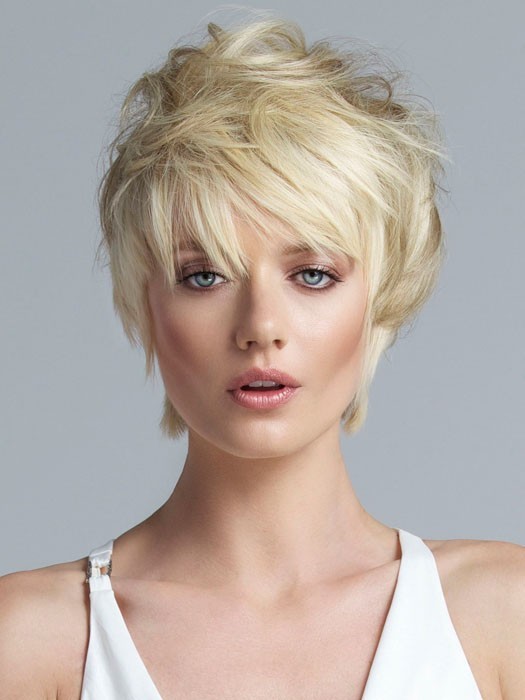
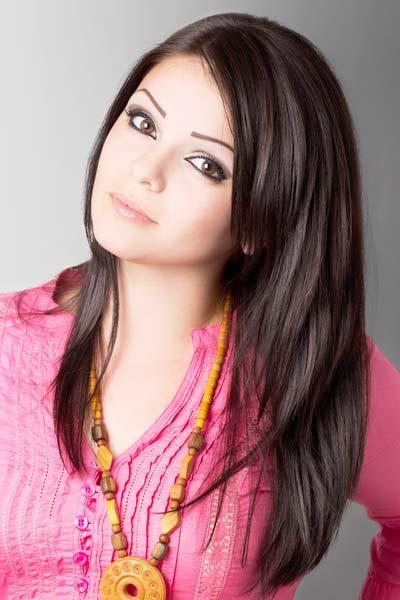
Shorter layers can create more lift, movement, and visible volume by removing weight from selected areas of the haircut. Layers placed around the crown can be especially useful when you want more height or texture.
Long layers can remove excess bulk and add movement while keeping the shortest layers relatively long. Depending on the cutting technique, hair density, texture, and styling, they can either soften excess fullness or help create body.
#4: Subtlety
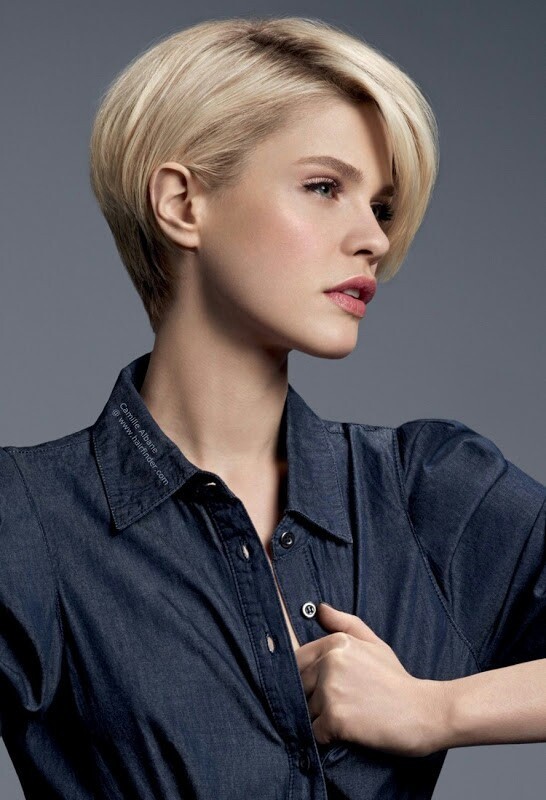
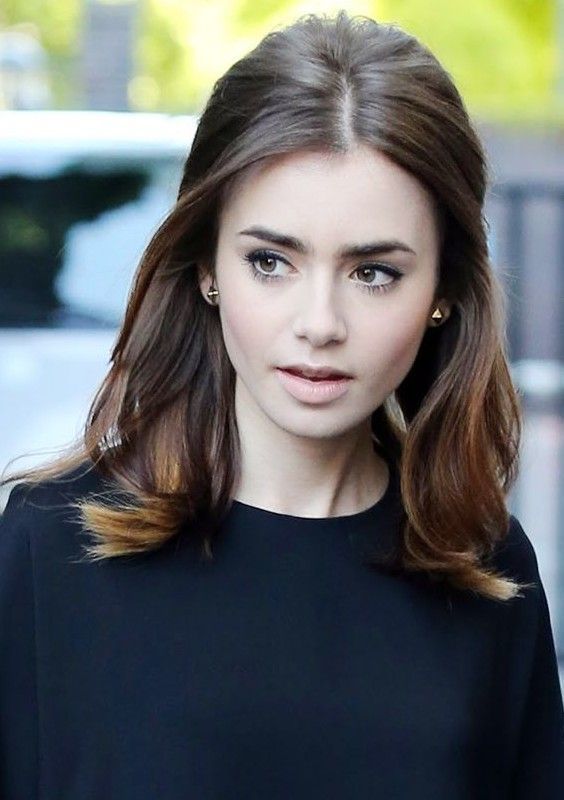
Shorter layers often create more noticeable texture, lift, and separation, while long, blended layers can create a softer and more subtle shape.
If you want to remove some bulk without making the layering look too obvious, ask your stylist about long, blended layers. The exact placement should be adjusted to your hair density and texture.
#5: Movement and Texture

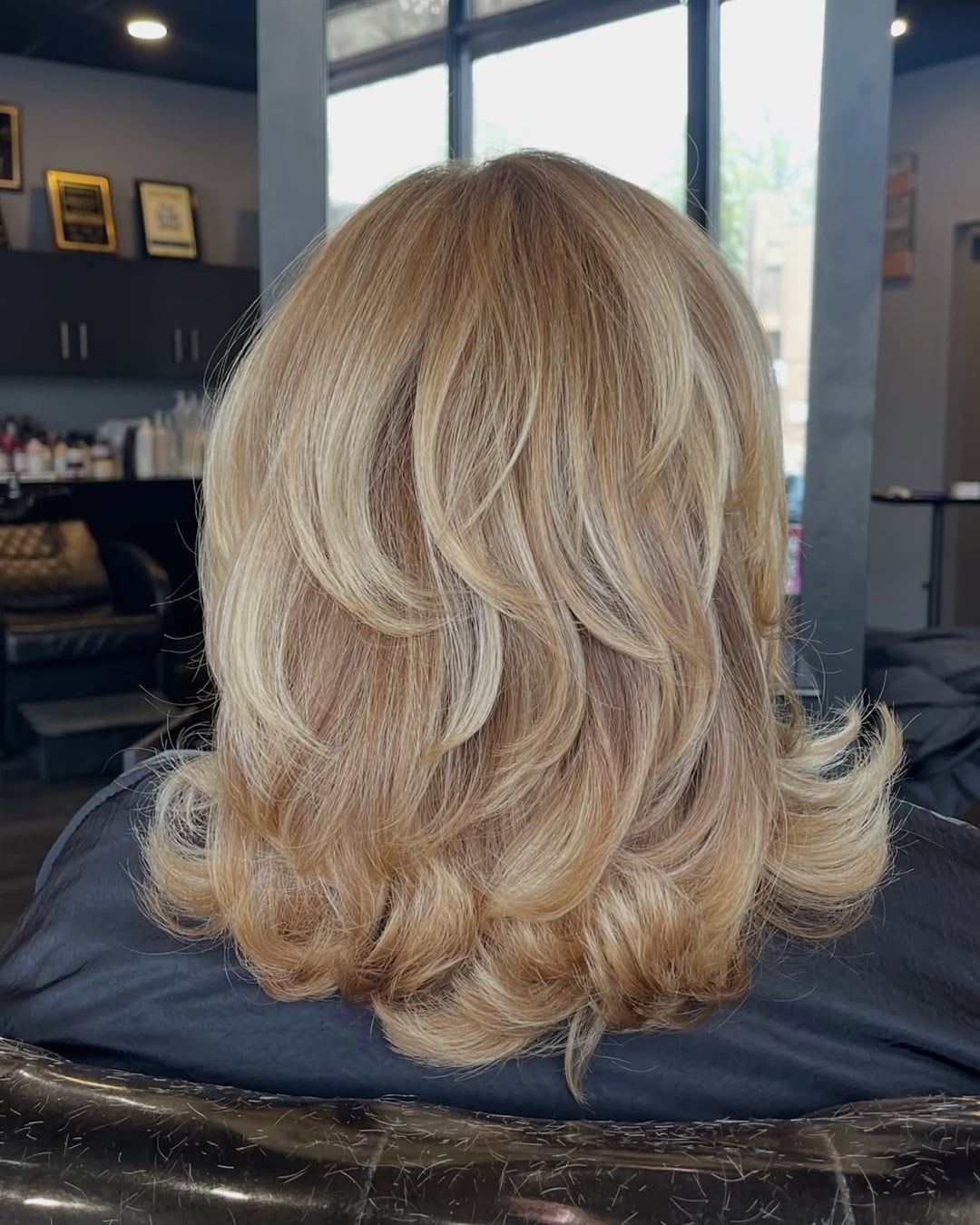
Long layers generally create a softer, more flowing shape, while short layers can add more noticeable texture and lift.
On wavy or curly hair, layers can help the natural pattern fall with more movement and definition. On straight hair, they can add shape and dimension.
The exact result will also depend on your hair density, layer placement, and styling.
Watch how to cut layers at home:
How to Cut a Soft Long Layer at Home
Choosing Layers for Your Face Shape
Face shape can help guide the placement of your layers, but it should not be the only factor when choosing between short and long layers. Your hair texture, density, overall length, bangs, and preferred styling routine also matter.
For a longer face, strategically placed shorter or face-framing layers around the cheekbones and sides can add visual width and balance. The goal is usually to avoid concentrating all of the volume at the top of the head.
For a round face, longer face-framing layers that fall below the chin can create a more elongated visual effect. Oval faces generally work well with many different layer lengths, so the best choice often comes down to hair type and the shape you want to create.
Whichever layer length you choose, the cut should work with your hair type, density, natural texture, and daily routine. If you are still unsure, save a few reference photos and ask your stylist which layer placement will give you the shape, movement, and level of maintenance you want.