Are you looking for a natural way to color your hair? Henna hair colors are an excellent way for those seeking a more natural solution for coloring their hair. They are a great alternative to synthetic hair dyes and are far better for the environment.
Henna hair coloring offers hair a wealth of benefits, including manageability, increased thickness, improved texture, and glorious shine.
What Is Henna?
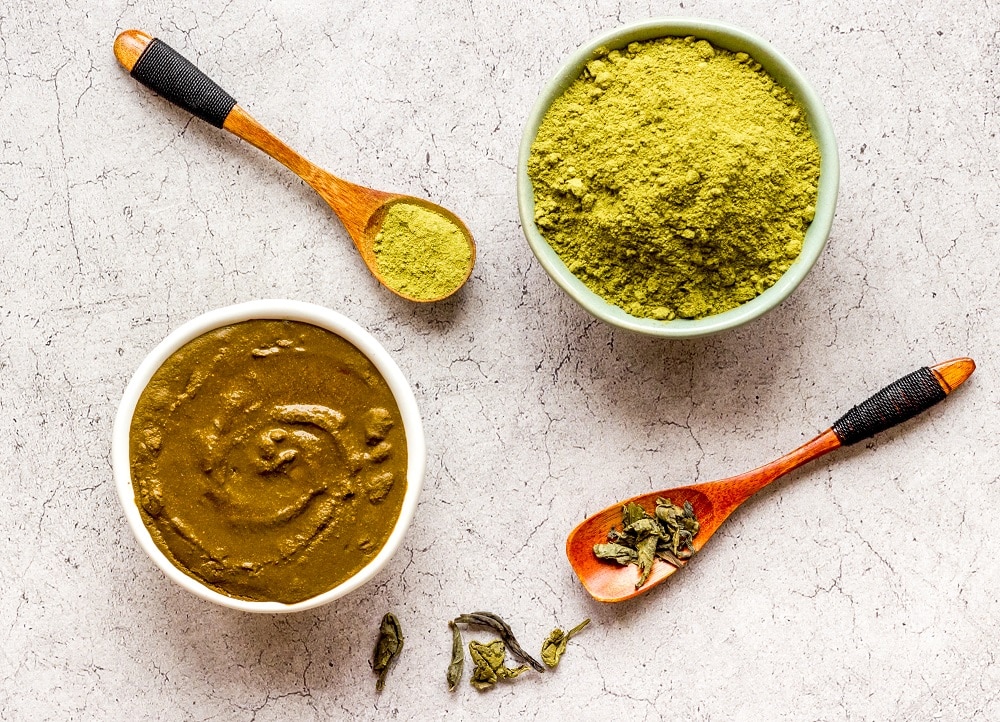
Henna is a natural permanent hair dye used worldwide for its hair benefits. In its pure form it contains no synthetic dyes or developers, and it dates back thousands of years to Ancient Egypt.
Henna can also be used to dye a mustache or beard; eyebrow tinting is best left to a licensed professional. It’s becoming more popular in the West due to its natural benefits. While it can’t achieve as much coloring as a traditional dye, henna can improve hair texture and revive the look of dull and damaged hair.
The application process is longer than traditional dye and can take anywhere from 15 to 24 hours. First, the mixture must rest for about 8 hours, then sit on the hair for an additional 4-10 hours.
The lawsone pigment molecule will bind to the hair and over time improve its texture. As the color fuses, more molecules will interact with the hair, resulting in natural hair color.
Benefits of Henna Hair Dye
- Pure henna is derived from the Lawsonia inermis plant and does not contain the synthetic developers or ammonia found in most box dyes.
- It can make hair feel stronger, helping reduce day-to-day breakage.
- Henna enhances hair shine, making it look healthier and more vibrant.
- Henna can make hair look and feel thicker and fuller.
- Henna coats the strands and can leave the scalp feeling clean and the hair looking fresh.
- It conditions and softens hair, providing a smoother texture and a softer feel.
- Henna rejuvenates dull, damaged, and dry hair.
- It fades gradually, avoiding harsh lines as your hair grows out.
- Henna offers a natural color, with shades ranging from light red-blonde to orange hair tones.
- It can be customized with additional natural ingredients for various shades.
- Henna is suitable for all hair types, including curly and textured hair.
- It’s eco-friendly. Henna uses plant-based ingredients and has a low environmental impact.
Disadvantages of Henna for Hair
- Henna is a permanent hair dye and doesn’t fade off quickly.
- Unless used with other natural herbs like indigo and amla, henna on its own is reddish-orange dye.
- The application process is a bit longer compared to box hair dye.
- Not all-natural products are suitable for everyone. It is best to do a patch test prior to the application.
- Some boxed henna products (often sold as compound henna) contain metallic salts. These react with bleach and permanent dye, and the hair can heat up, smoke, and break off. Choose 100% pure, body-art-quality henna, and tell your stylist you have used henna before any future chemical service.
Henna Hair Dye Vs. Traditional Hair Dye
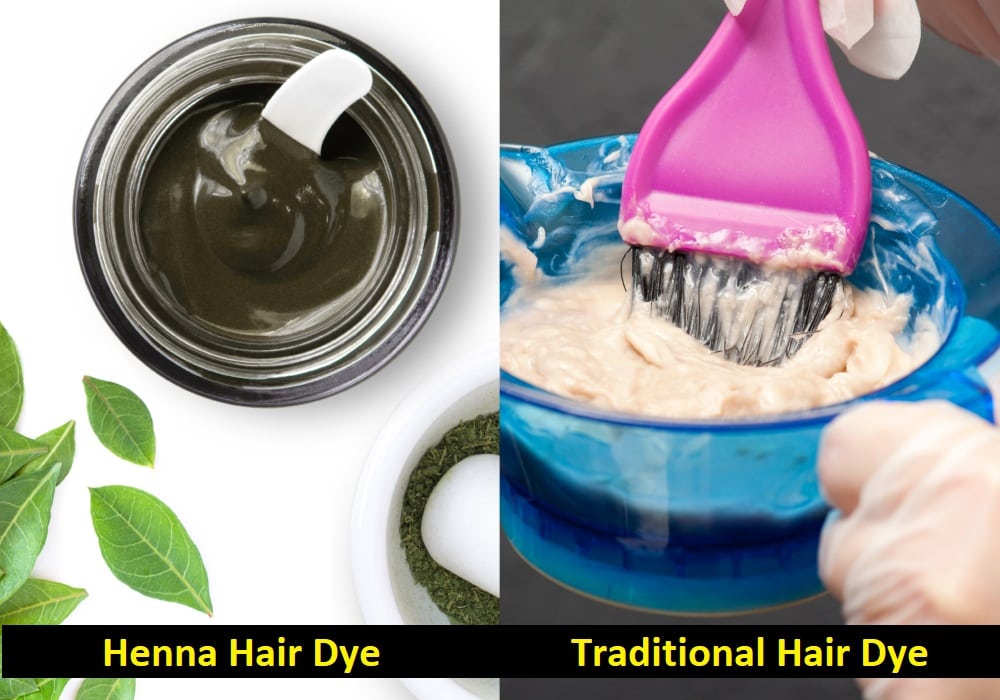
There are three key differences between henna hair dye and traditional dye.
Henna coats the hair strands, while traditional hair dye penetrates the shaft and alters the pigmentation within the cortex of the hair.
Henna doesn’t lift natural hair color but rather deposits color naturally onto the hair.
Traditional hair dye is more chemically intense than pure henna, which is plant based and deposits color rather than penetrating the shaft. Pure henna can still cause a reaction in some people, so a patch test is always a good idea.
Types of Henna Hair Dye
There are three main types of henna: natural, neutral, and black henna.
Natural Henna: Made from the leaves of the Lawsonia plant, natural henna produces a rich brown-red stain when applied to the skin, which can last one to three weeks. It is a pure form of henna and is often used for body art and hair dye.
Neutral Henna: Cassia Obovata, also known as neutral henna, is not pure henna powder but rather a different plant called Senna Italica. It has a similar appearance to natural henna but does not change the hair color on its own.
Black Henna: Unlike natural and neutral henna, black henna is not pure henna. It is a combination of Indigo, natural henna, and other unlisted dyes or chemicals, such as para-phenylenediamine (PPD). It is often used for henna hair dye.
However, the PPD in black henna can cause severe allergic reactions and scarring, especially when it is applied to the skin. The FDA has not approved PPD for direct skin application (such as temporary black henna tattoos) and warns that these products can cause serious reactions. Always do a patch test first.
How to Pick The Right Henna Hair Dye
When choosing a henna hair dye, consider the following factors:
Ingredients: Look for pure henna powder or henna mixed with natural ingredients like indigo, amla, and other herbs. Avoid henna products that contain synthetic dyes, additives, or chemicals.
Color: Henna comes in various shades of red, from copper to burgundy. Some henna products may also contain other natural dyes like indigo for a darker color. Choose a shade that suits your skin tone and hair color.
Quality: Opt for high-quality henna that is fresh, finely sifted, and has a high dye content. Poor-quality henna may result in a weak or uneven color.
Brand: Choose a reputable brand with good reviews and a track record of producing quality henna products.
Application: Consider the ease of application and the time required for the dye to develop. Some henna products require several hours to achieve the desired color, while others offer quicker results.
Sensitivity: Choose 100% pure henna with no added dyes; additives are what most often trigger reactions.
By considering these factors, you can select the right henna hair dye for your hair and achieve a beautiful, natural-looking color.
How to Apply Henna Hair Dye
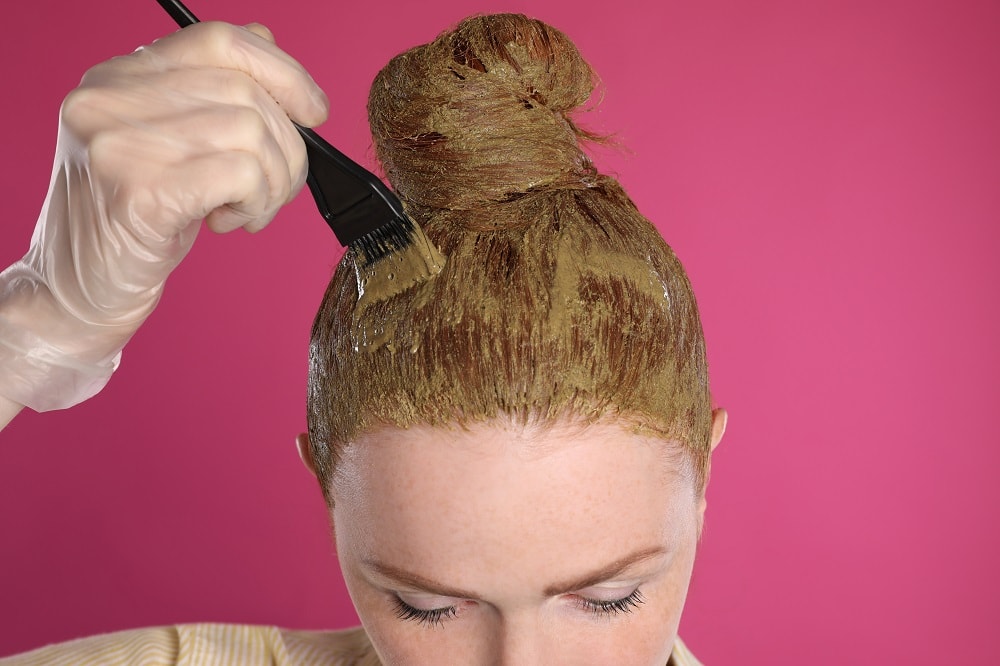
Here is a step-by-step guide on how to apply henna hair dye:
Clean your hair: Before applying henna to your hair, make sure it is clean and free of any oils.
Mix the henna: The amount of henna powder you need depends on your hair length and texture. Mix the henna with warm water until it becomes thick and homogeneous.
Wear old clothes: Wear an old shirt to avoid staining your clothes. Also, be careful of your surroundings.
Brush your hair and make partitions: Brush your hair to make it tangle-free and divide it into four sections. Tie three sections and leave one section down to color first.
Apply petroleum jelly and wear gloves: Apply petroleum jelly or Vaseline to your hairline and wear gloves.
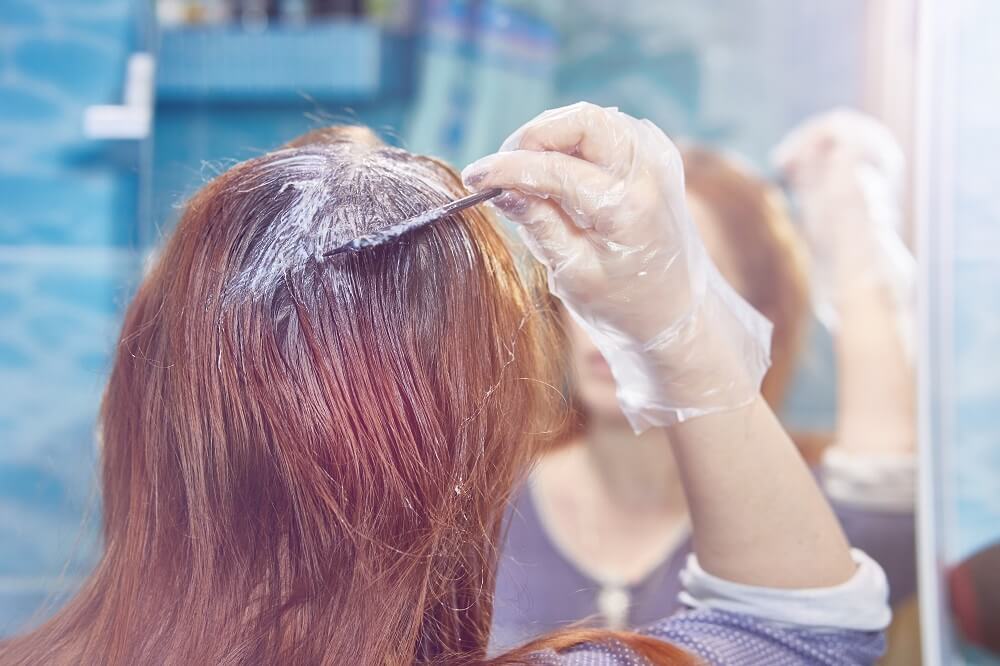
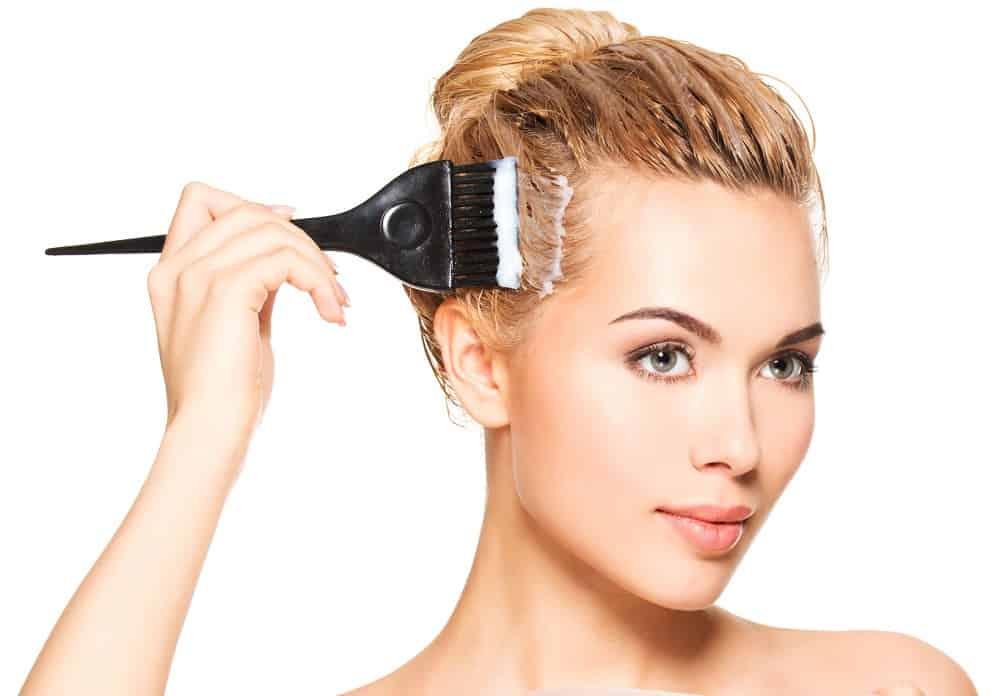
Apply the henna mixture to hair: Apply the henna mixture with the help of a coloring brush, starting from the section you left untied. Apply the thick coat of henna on the hair, from the ends to the roots.
Wrap your hair: After application, wrap your hair with saran wrap for better development of the color.
Set the timer: Set the timer for 2-3 hours for henna and 1-2 hours for hair treatment or conditioners.
Wash your hair: Rinse your hair with normal water after the timer goes off. Use conditioner to help you out while rinsing. The henna color will continue to darken for 2-3 days, so avoid shampoo for 48 hours after rinsing.
How Long Does Henna Hair Dye Last?
Henna hair dye keeps its peak vibrancy for four to six weeks, depending on hair porosity, but the stain itself is permanent and only softens gradually as hair grows out. The dye lasts longer on porous hair and fades nicely as it grows out. Regular henna use can build up color over time, resulting in a more vibrant and long-lasting hue with each application.
Your henna hair dye can withstand many washes before it begins to lose its vibrancy.
How to Make Henna Dye Last Longer?
As with any hair dye application, there are a few ways to lengthen the longevity of your new henna hair color. Below are a few essential factors to remember to get the most out of your henna application.
- Minimize sun exposure.
- Stay away from styling.
- Protect your hair while swimming.
- Avoid daily hair washing.
How Often Do You Need To Reapply Henna Dyes?
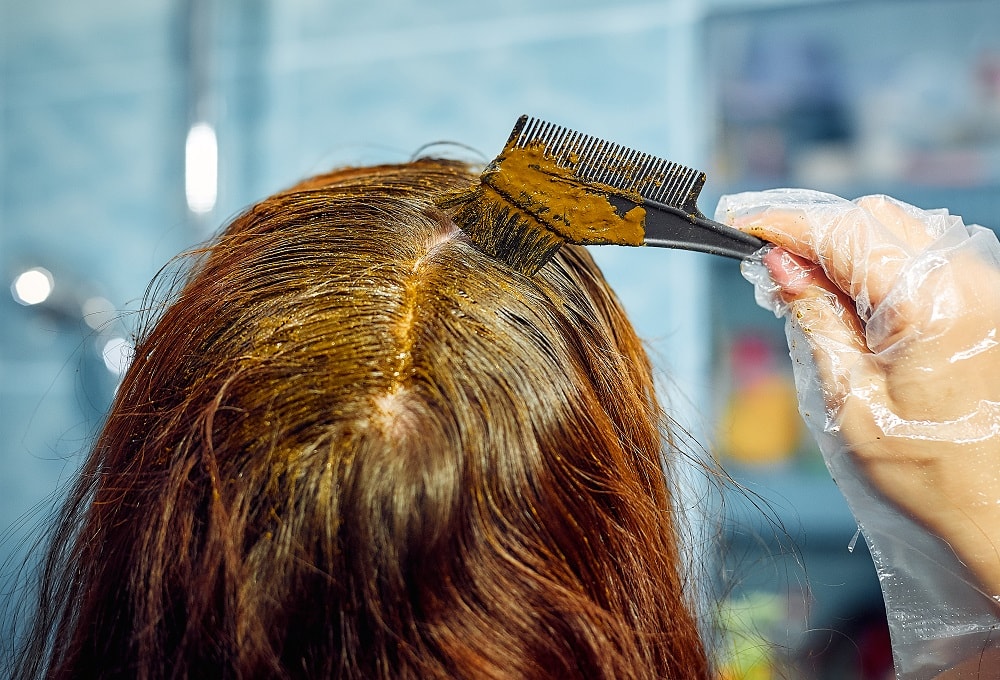
Your henna hair dye application should maintain its initial vibrancy for about four to six weeks, depending on how frequently you wash your hair.
So if you’re someone who showers and washes hair daily, then reapplying every four weeks to maintain the vibrancy is essential.
However, if you shower every other day, you probably won’t need to reapply your henna hair dye until six weeks.
Trendy Henna Hair Color Ideas
It might surprise you that henna hair colors are not limited to brown for those considering henna hair coloring. This byproduct of a flowering shrub is available in many colors and benefits hair health. Here are 22 henna hair color ideas for you to consider.
#1. Wine red hair
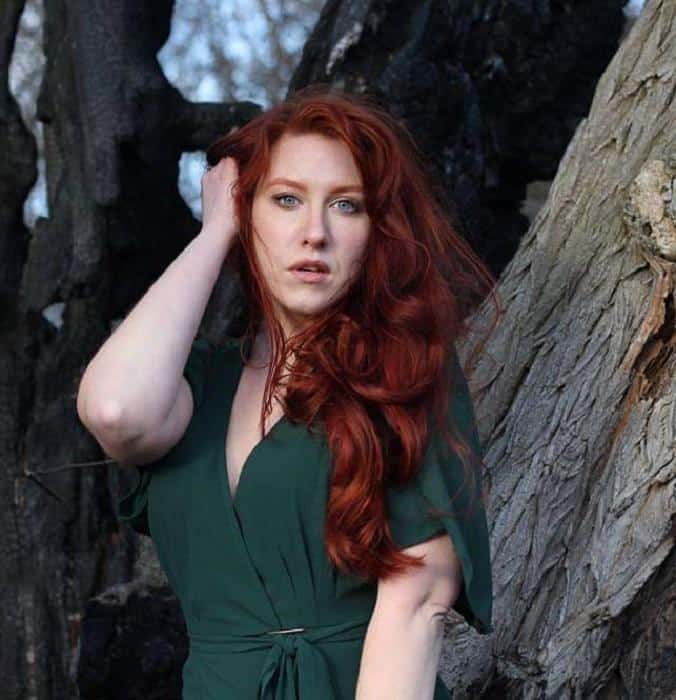
Wine red hair henna color is a member of the burgundy family. For those who want subtle hair color which will push them to the edge, this henna is a perfect choice. It’s a perfect solution to all your holiday blues and gives your overall look a lively and sexy punch.
Wine red is more of a sexy mom’s color! Make your long and sleek hair look more gorgeous. Note: if you are a GOT fan, this redhead look is waiting for you!
#2. Ginger Red
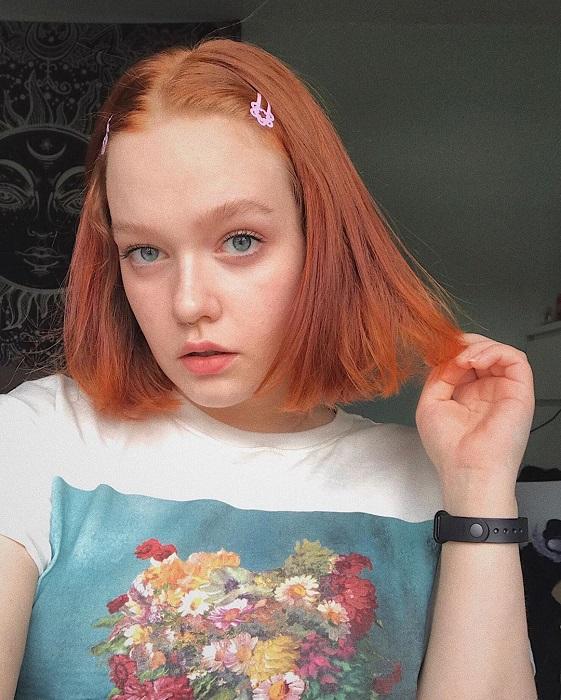
Want a chic redhead look? Ginger hair on a bob cut looks very classic and sensual. This henna hair dye is perfect for a sexy high-school look.
This color can accentuate your facial features and make you stand out in the crowd. Ginger red is a perfect winter blues’ color that you can wear with almost any look.
#3. Walnut Hair
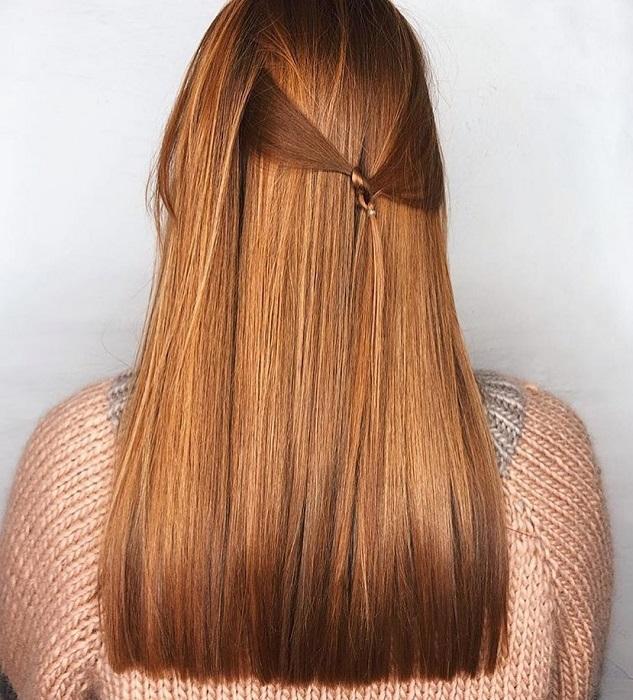
No color is more perfect for blondies than walnut hair. Long, sleek, straight walnut hair accentuates the fair skin color and features.
A perfect blend of blonde and brown, this color is fresh, bold and one of the most popular henna shades worldwide. Walnut hair color is the best way to enrich your natural blonde hair without looking overdone.
#4. Burgundy Hair
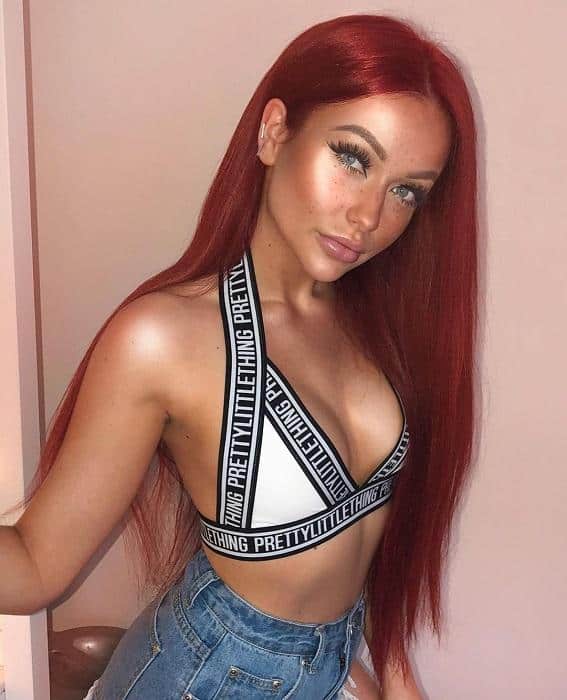
Burgundy henna color is getting more popular with time. The richness of this color gives one a royal effect that stands unmatched among all other hair colors.
Burgundy hair color has a certain sex appeal of its own. Also, if you are new to hair dyeing, this color is a safe option. Enjoy the subtle highlight with burgundy and go colorful.
#5. Chocolate brown hair
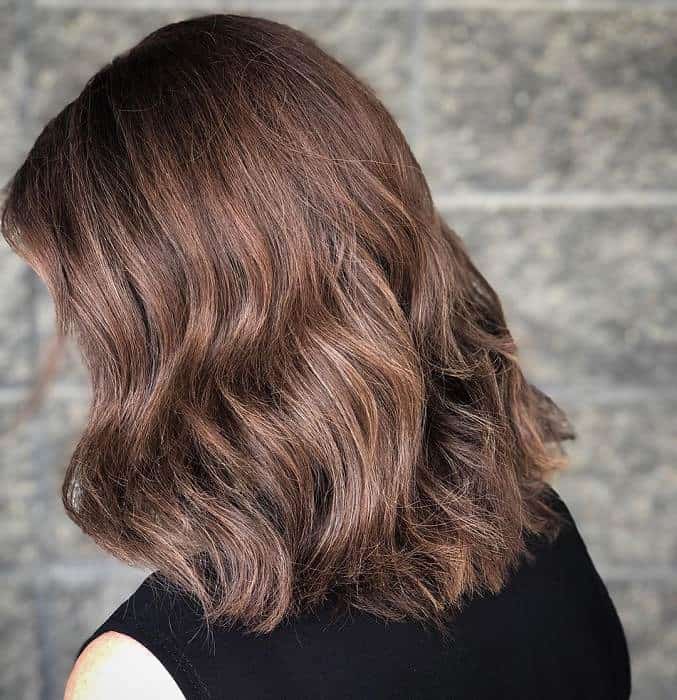
Olive-skin-toned women can perfectly enjoy vibrant chocolate hair. This henna shade adds more dimensions and depths to hairstyles.
You can choose any shade from the long list of chocolate brown dyes, ensuring it goes well with your skin tone. Chocolate brown henna is one of the beloved colors of brunettes with medium-length hair.
#6. Copper blonde bob
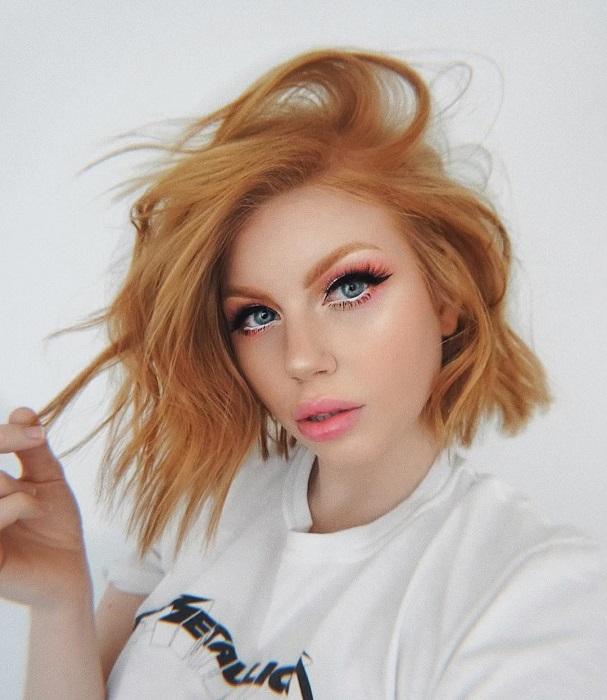
Adding more diversity to the family of blonde shades, copper blonde is yet another henna hair dye with a characteristic punch. This color is a perfect blend of blonde with yellow tint.
Blonde henna is the best option for those women who want to give a kick-out to their otherwise natural blonde base hair. It gives a subtle peachy hue to the blonde hair roots and intensifies the look.
#7. Fuchsia Hair
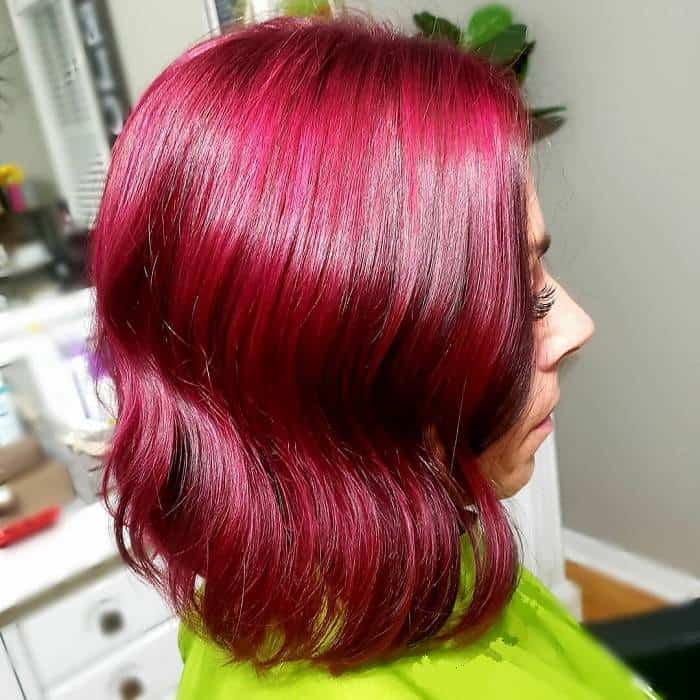
Fuchsia henna color is a punch of pink with a tint of red in it. It goes perfectly smooth on black base hair, creating a blend of dark colors.
Bold and young girls with sharp features must try this hair color because not everyone can do justice to this fantastic tint. Don’t forget to maintain the look with high-shine products. It’s time to embrace cool and funky hair!
#8. Chestnut hair color
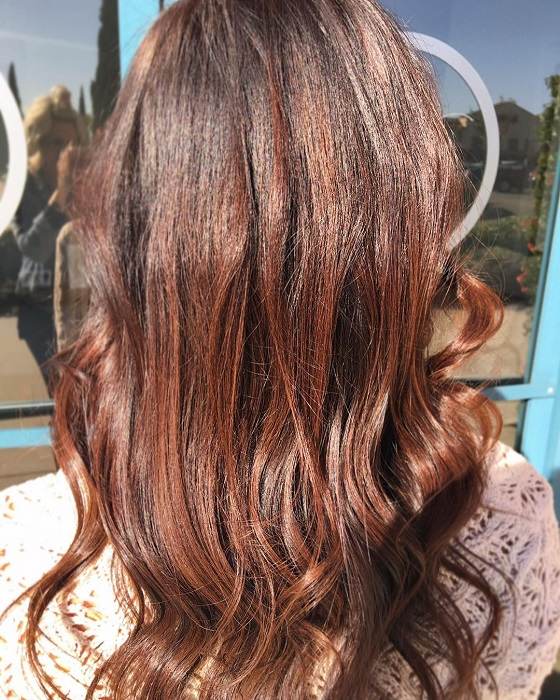
Chestnut hair is perfect for summer, fall, and spring. The warm chestnut hue adds new dimensions to one’s hair, giving one’s naturally black hair a sunkissed look.
Sleek medium-length hair gets more depth with chestnut henna ideas for women. Moreover, chestnut hair is a perfect choice if you want a subtle hair color ideal for every look. Go natural and effortless with chestnut hair.
#9. Golden brown hair
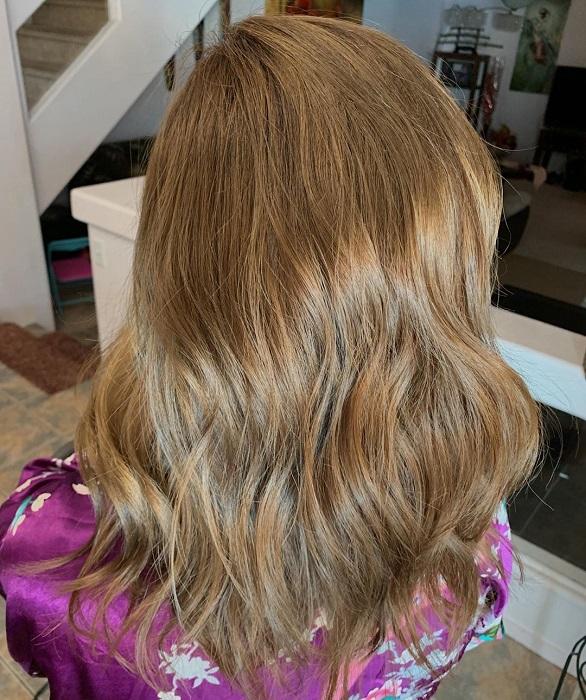
A golden-brown dye is yet another subtle hair color for moms who want style with a natural look. However, young girls are no exception.
Shoulder-length dark brown or black hair makes the perfect base for golden brown henna. Like other shades of browns and blondes, this hair color is ideal for fair-toned skin.
#10. Sunset hair
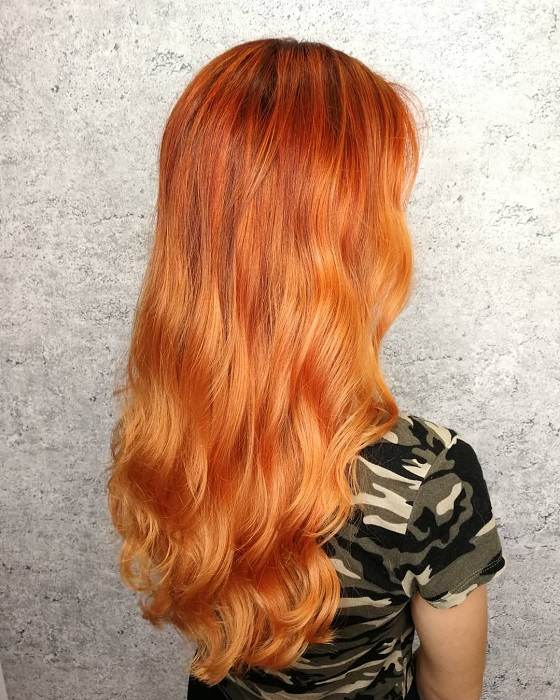
Sunset hair looks terrific! The way this henna hair color gets brighter down the hair length will leave you in awe. Long and dark brown hair makes an ideal base for this henna shade, giving it enough length to evolve into a livelier shade. Ocean waves will accentuate the look and turn all the eyes towards you.
#11. Copper brown hair color
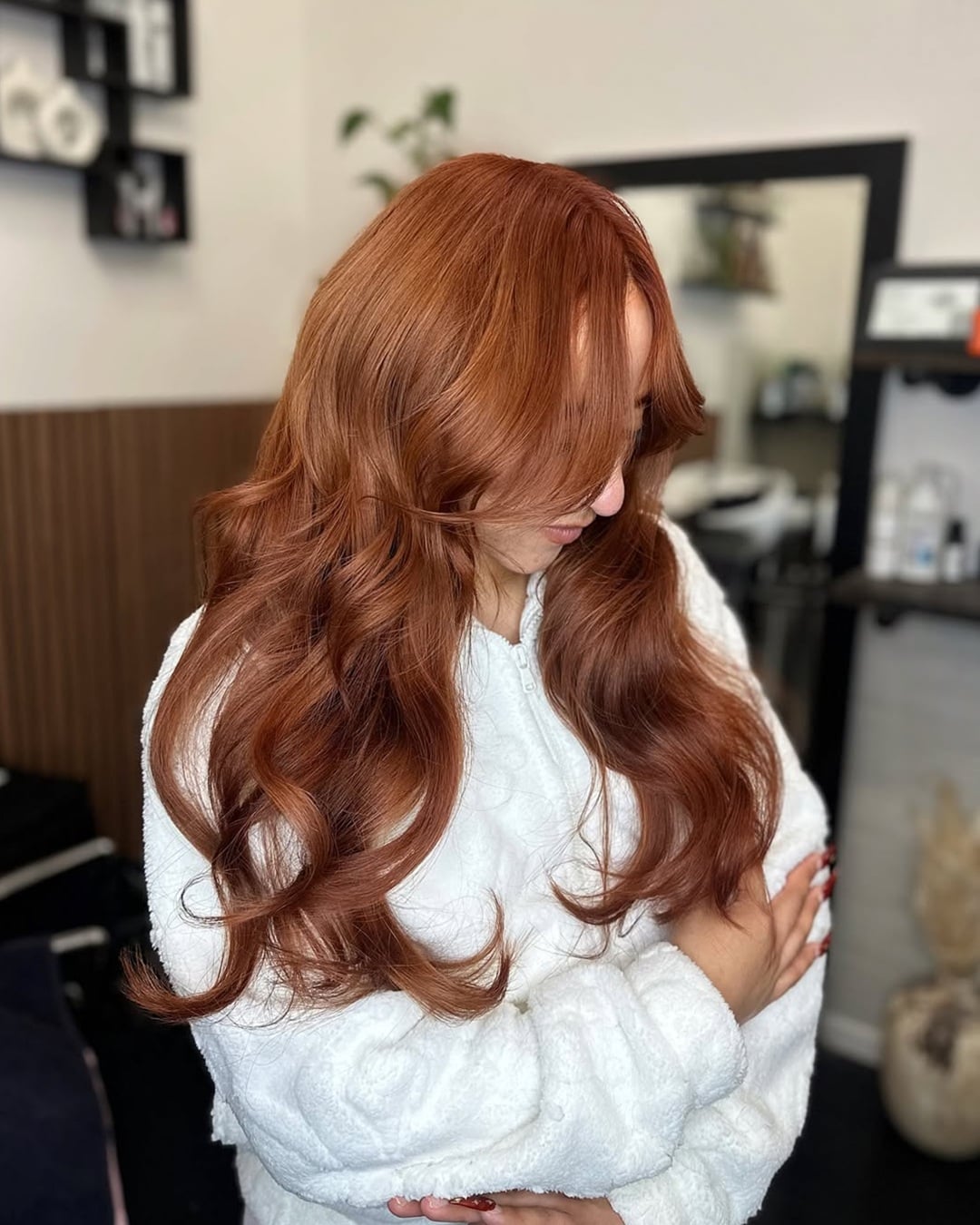
Copper brown henna hair color is a fantastic option for those seeking a vibrant but muted version of a blend of red and brown tones. Copper brown henna loves the sun and is an excellent natural color.
#12. Caca rouge henna
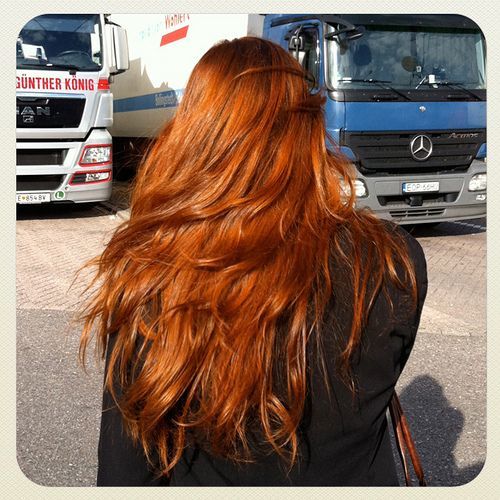
For those with strawberry blonde hair, caca rouge henna is a beautiful way to enrich your natural colors. Caca rouge gives hair a gorgeous red and auburn color.
#13. Indigo on black hair henna
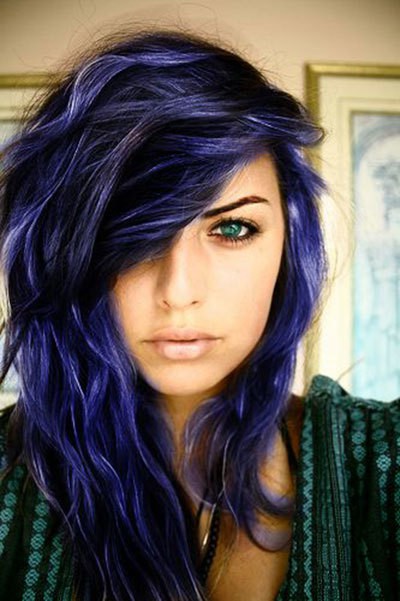
Indigo on black hair gives a lively hair look as a result of this henna hair color. This color works well for most brunettes. The longer the henna remains on hair during the application process, the darker it becomes.
#14. Ginger blonde henna
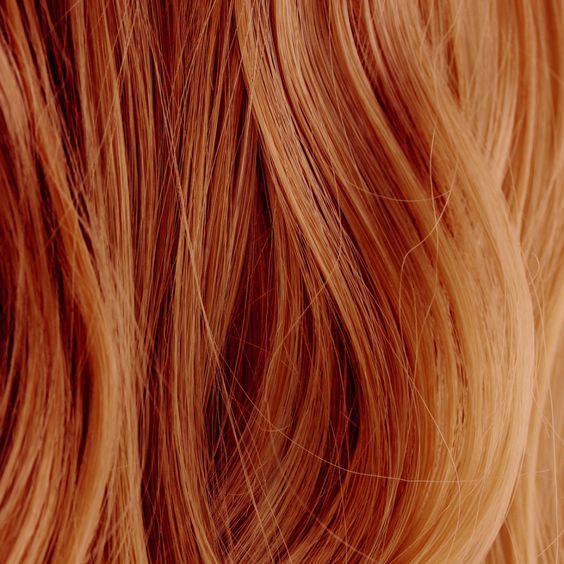
Ginger blonde henna hair color is a definite rival of the copper, so choose your colors wisely. Know which end of the spectrum you’re seeking.
#15. Auburn hair
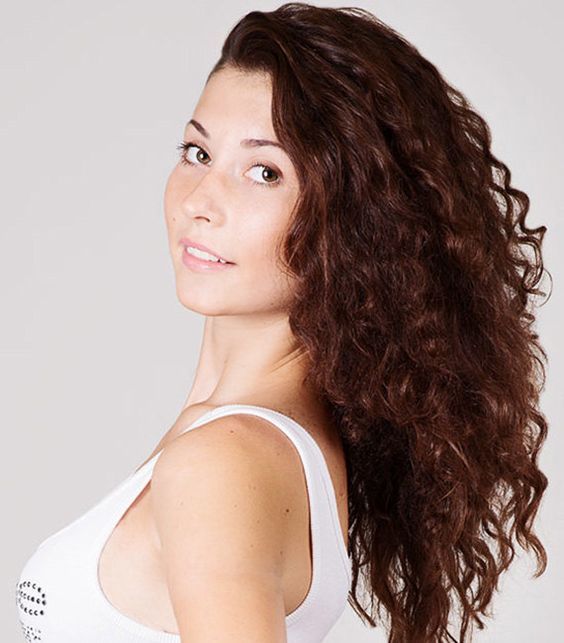
Auburn color is yet another safe choice for those not looking to make bold statements with their hair color but looking for a change in their overall appearance.
#16. Mahogany henna
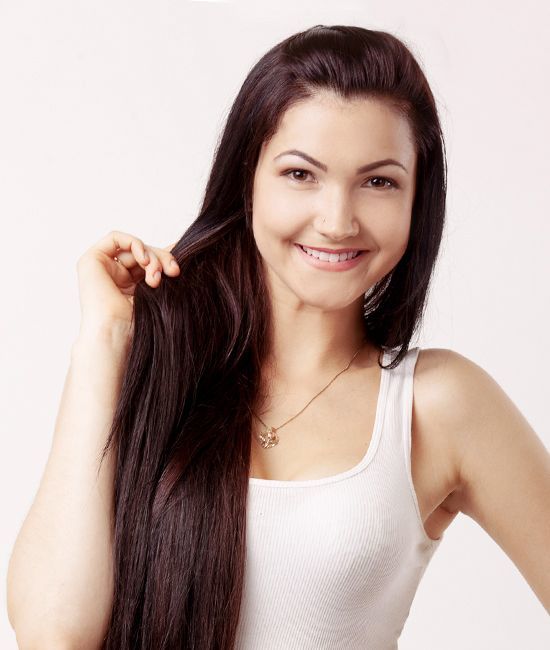
Mahogany henna hair color is a fantastic deep brown option for those not looking to be a dark brunette, but not trying to be a redhead.
#17. Basic brown henna
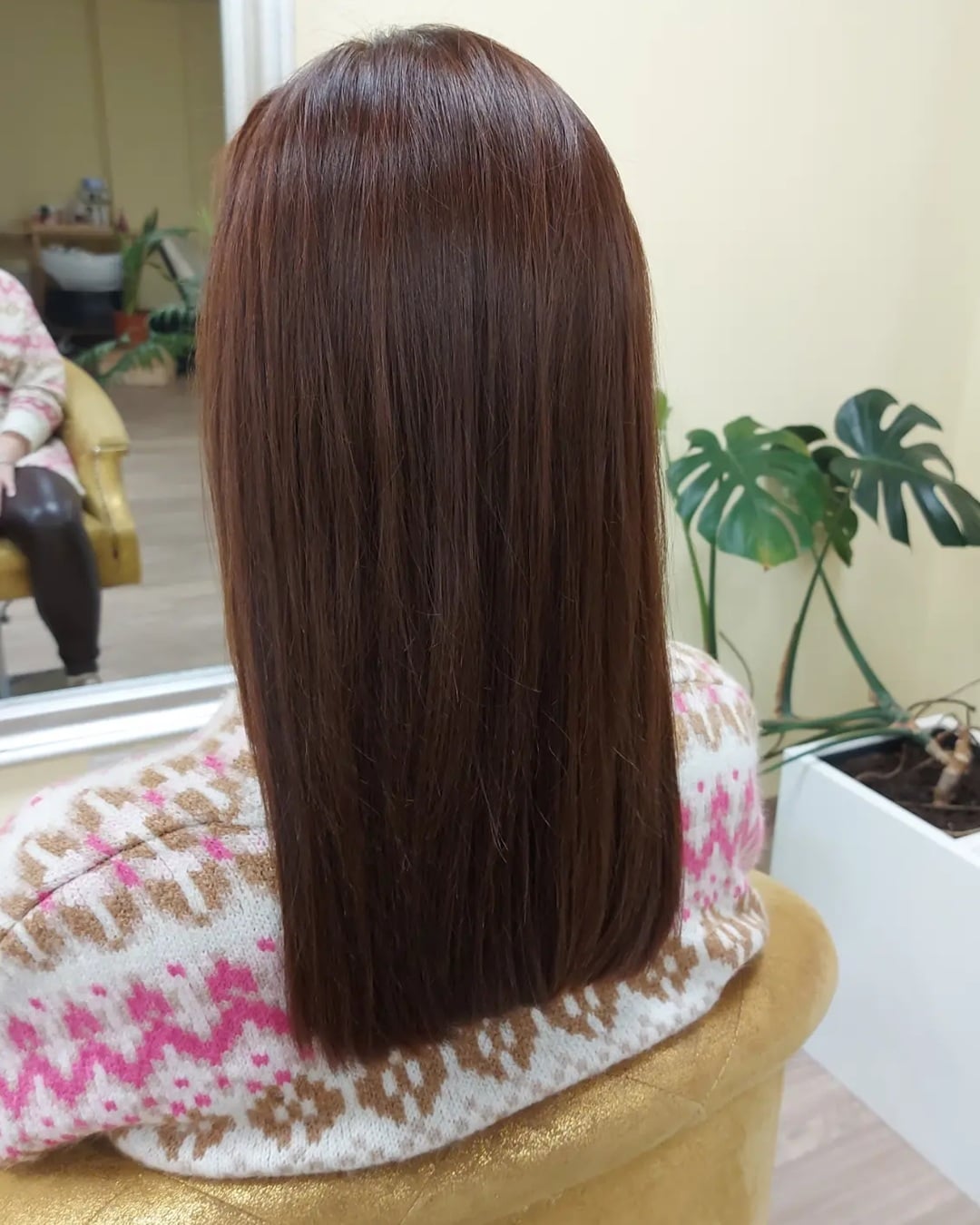
Looking for a pure henna color? Basic brown color might be the option for those trying to avoid drastic hair color changes.
#18. Dark brown henna
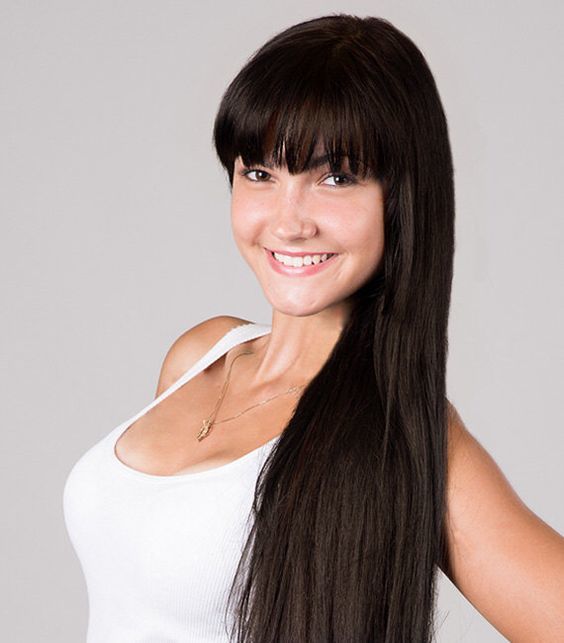
The dark brown henna color, as seen here, gives hair a richer color that is flattering to those with lighter brown tresses.
#19. Black henna
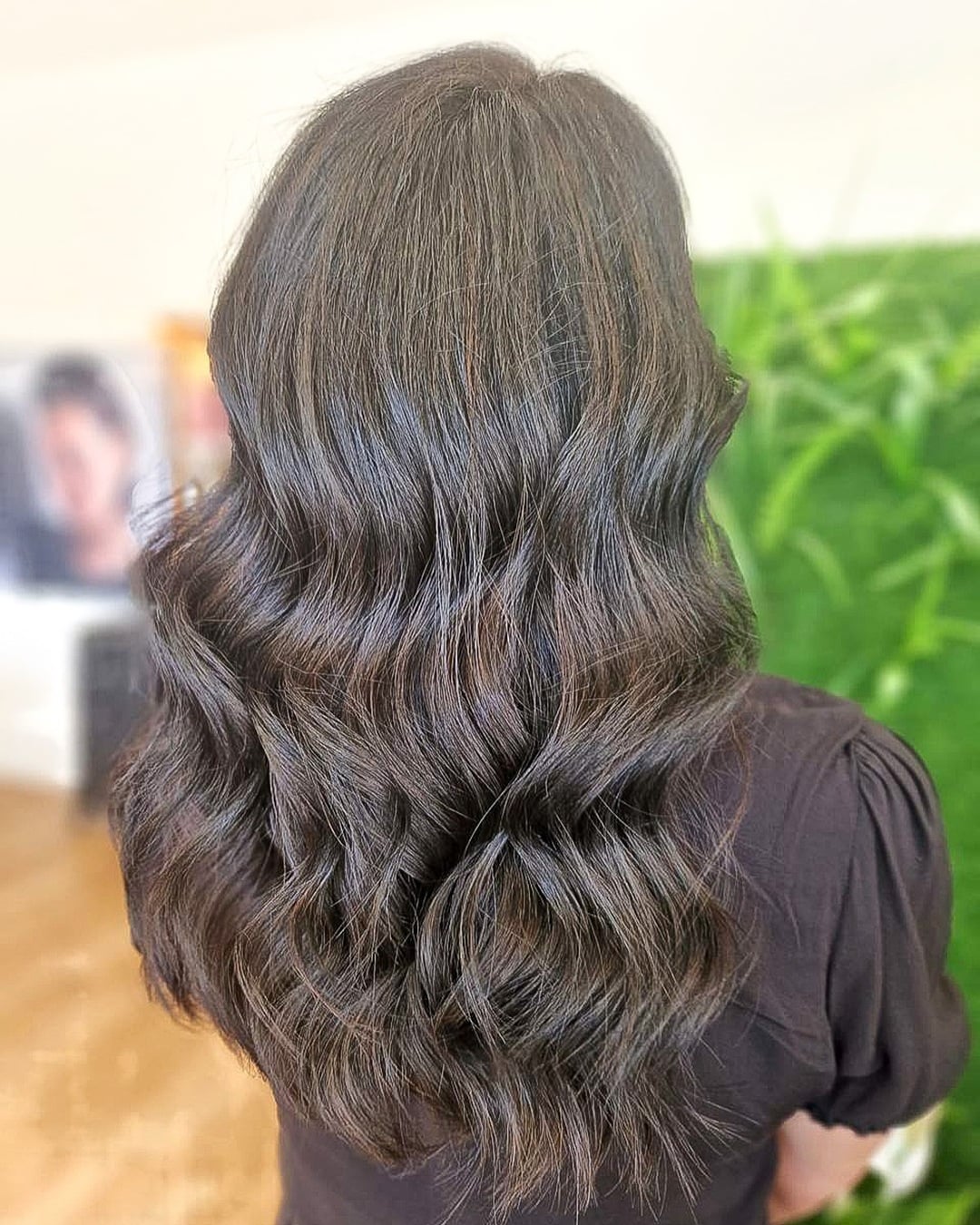
A black henna hair color is a fantastic option for those seeking darker locks, as long as you choose a product that discloses pure henna and indigo only; walk away from any mix that hides its ingredients. This beautiful, smoky option reinforces hair that is already dark with additional depth. Note that ‘black henna’ is usually not pure henna and often contains PPD (see the warning above), so choose a pure indigo-and-henna blend and always do a patch test first.
#20. Burgundy plum hair
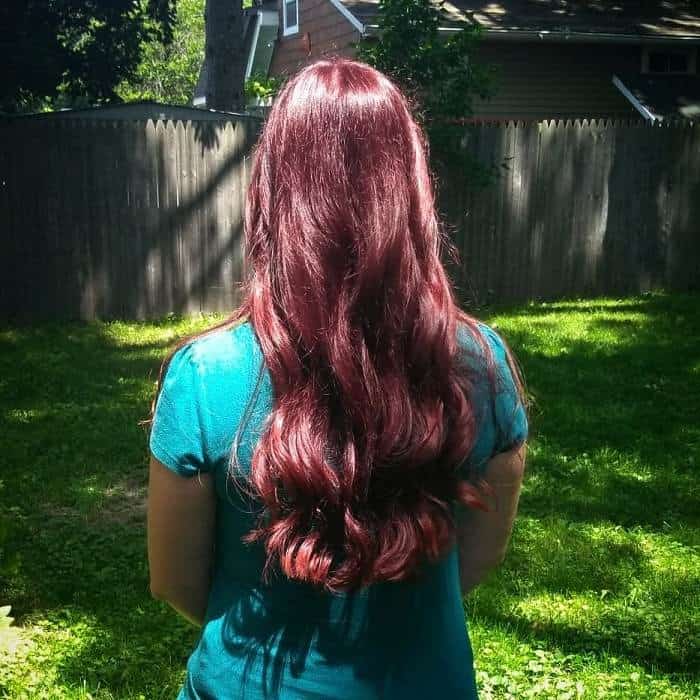
The perfect definition of plum hair is “Burgundy with a tint of brown accentuated by a sun-kissed look”! Long sleek hair with ocean waves and plum henna sounds like a fairytale.
The shine of this color makes it stand out. For those women who want to try subtle burgundy hair with added depth, plum hair is a perfect choice. Moreover, this hair color looks good on all skin tones and hair lengths.
#21. Maple Hair
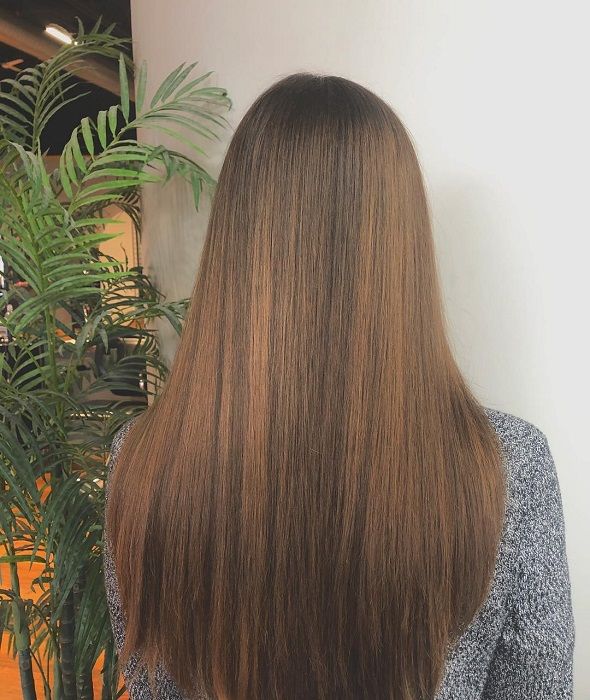
Maple henna hair dye is a competitive rival of brown. The way it adds flow and depth to the natural hair color makes it one of the preferred hair colors. However, choosing a good-quality henna color is the basic condition for perfect maple hair. Give a natural maple punch to your hair and oomph up the glam.
#22. Bordeaux hair color
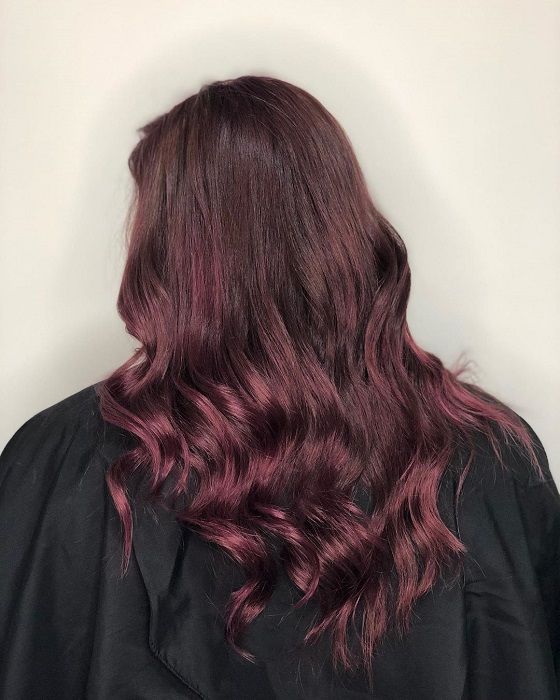
Bordeaux hair color is a subtle version of plum. It gives a lift to naturally dark brown base hair. Bordeaux is one of the hottest hair colors you can get your hands on.
High-shine products will maintain the freshness of this color and make it live long. Girls of all ages can enjoy this subtle yet elegant henna hair color.