

Also reviewed by Sheirly Maria Theras, Medical Cosmetologist
Henna is one of the most popular natural ways to color hair. But if you have used henna and now want to apply regular hair dye over it, it is not always a simple step.
Whether you can dye over henna safely depends on the type of henna you used and the hair dye you want to apply. The final color also depends on whether you want to go lighter or darker.
So before you reach for a box dye, it is important to know what is safe, what can go wrong, and why a strand test matters.
Is It Safe to Use Regular Hair Dye Over Henna?
Proceed with caution. If you used pure, 100% plant-based henna, it is usually safe to dye over it. However, if your boxed henna contained metallic salts, it can cause a dangerous reaction with ammonia-based dyes. If you are unsure what kind of henna you used, wait at least 1 month before trying regular hair dye.
- Big risk: Impure henna often contains metallic salts. When mixed with peroxide or ammonia, this can cause the hair to overheat, smoke, and break.
- Non-negotiable: You must perform a strand test on a small section of hair before applying dye to your full head.
Andrea Torre, a licensed cosmetologist and colorist with nearly four decades behind the chair and a specialty in corrective color, is blunt about what henna leaves behind:

They may not achieve salon-quality hair color ever, if at all, after henna use. Henna binds to the keratin on the cuticle, so not much can penetrate. As a colorist, I would advise against using henna if you plan to return to conventional color.
What Is Henna?
Henna hair dye is made from the henna plant. The dye molecule is called lawsone. It binds to hair keratin, so it does not wash out like a temporary rinse.
Henna powder is made by drying the leaves and grinding them into a fine powder. When you mix it with liquid, it turns into a thick paste. It stains hair a warm orange-red, then it can deepen over time.
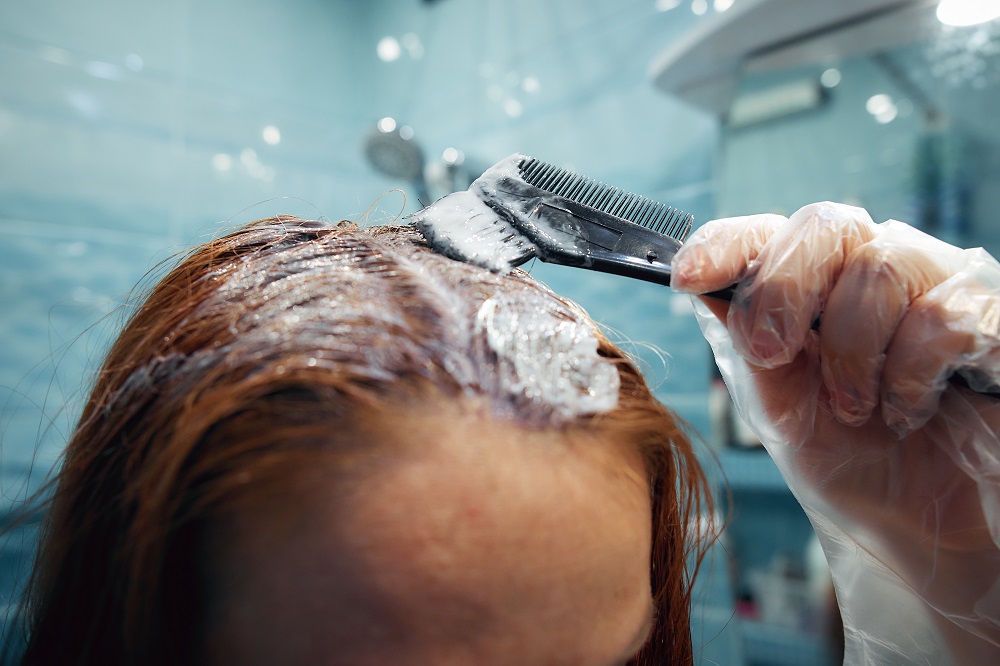
Many people choose henna because it is plant-based and can feel conditioning. The hard part is the commitment. Once henna bonds to hair, you can fade it, but you almost never return to true virgin hair.
Using Regular Hair Color After Henna
Warning
The biggest risk of using hair dye after henna is metallic salts. Many cheaper, store-bought “henna” boxes are not pure henna. Some contain metallic salts like copper or lead. If you apply regular hair dye over these salts, the peroxide or ammonia in hair dye can trigger a reaction. Hair may smoke, get very hot, and break off. The scalp can also suffer a chemical burn.
Check the ingredient list. If you cannot confirm it was pure henna powder, treat it as unknown and wait 4 to 6 weeks for it to fade.
Going Darker vs. Going Lighter
Going darker: If you used pure henna, it is usually safest to go darker with a brown or black shade. The result may still look warm because henna shows through.
Going lighter: You cannot simply dye henna hair blonde. Henna does not lift out cleanly. Bleach often exposes a bright orange tone instead of removing the red.
The Strand Test for Incompatible Chemistry
Do this before you dye your whole head. Use the exact dye and developer you plan to use.
How to do it: Take a small sample of hair; hair from your brush is fine. Apply the mixed dye to that hair only. Wait the full processing time listed on the box, often about 30 minutes.
Stop right away and do not dye if you notice any of this: the hair gets hot, it smokes, it has a strong burning smell, or it turns an odd green or purple. If you have any skin pain or redness, rinse with cool water and follow chemical burn first aid, or seek urgent care.
Also do the allergy alert test. Many store-bought henna dyes aren’t pure and can cause allergic reactions.
How to Fade Henna from Hair

First, set the right goal. You are fading, not fully removing. Henna bonds to the hair, so the warm tone often stays until you grow it out and trim it.
If you plan to visit a stylist, tell them you used henna. If you are not sure what kind it was, say that too. Many colorists will refuse oxidative dye until they do a strand test. That is a safety step, not a snub.
My Advice
- Do not chase a clean slate. Plan for warmth in your next color.
- If you want blonde: book a pro consult first. Henna plus bleach is where most disasters happen.
- If you feel burning: rinse with cool running water.
The safest at-home fading methods take time and repeated actions. Oils can help lift some surface buildup and soften the look of the stain.
Option 1: Oil and heat: Use coconut oil, olive oil, or a clarifying mineral oil treatment. Saturate the hair. Cover with a cap. Apply gentle heat for about 30 minutes, then shampoo well. Repeat as needed.
Option 2: Heavy oil treatment product: Some people use products like Morrocco Method Euro Oil as an oil-based treatment. The key is the method, not the brand. Coat the hair, cover, and wash out fully the next day.
After you rinse, use a clarifying shampoo, then condition. Let the hair dry and check the fade. Repeat this step no more than once a week.
Henna is strong, so fading takes time. If you want to dye over your henna safely and do not want to end up with uneven, messy hair color, follow the instructions in this article.