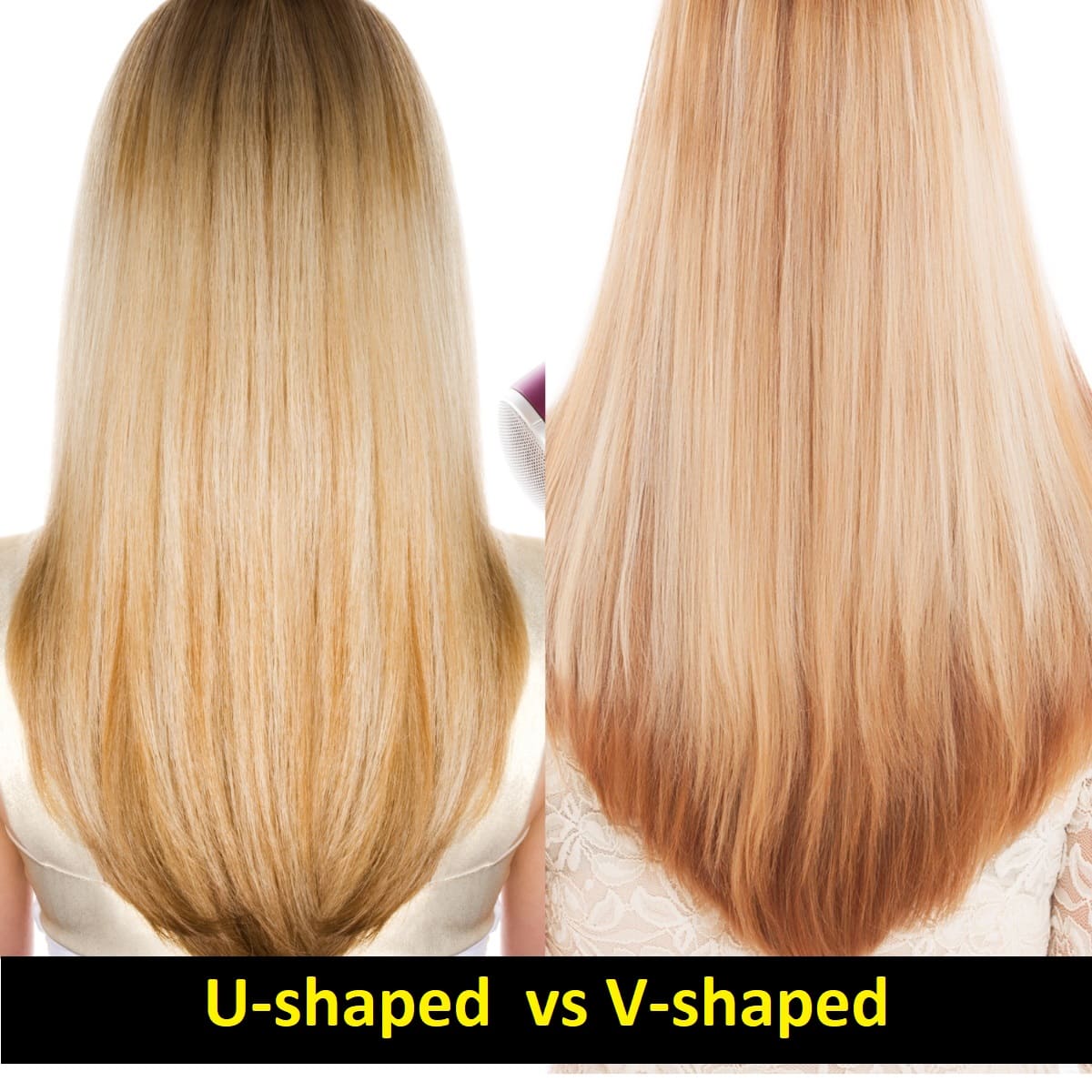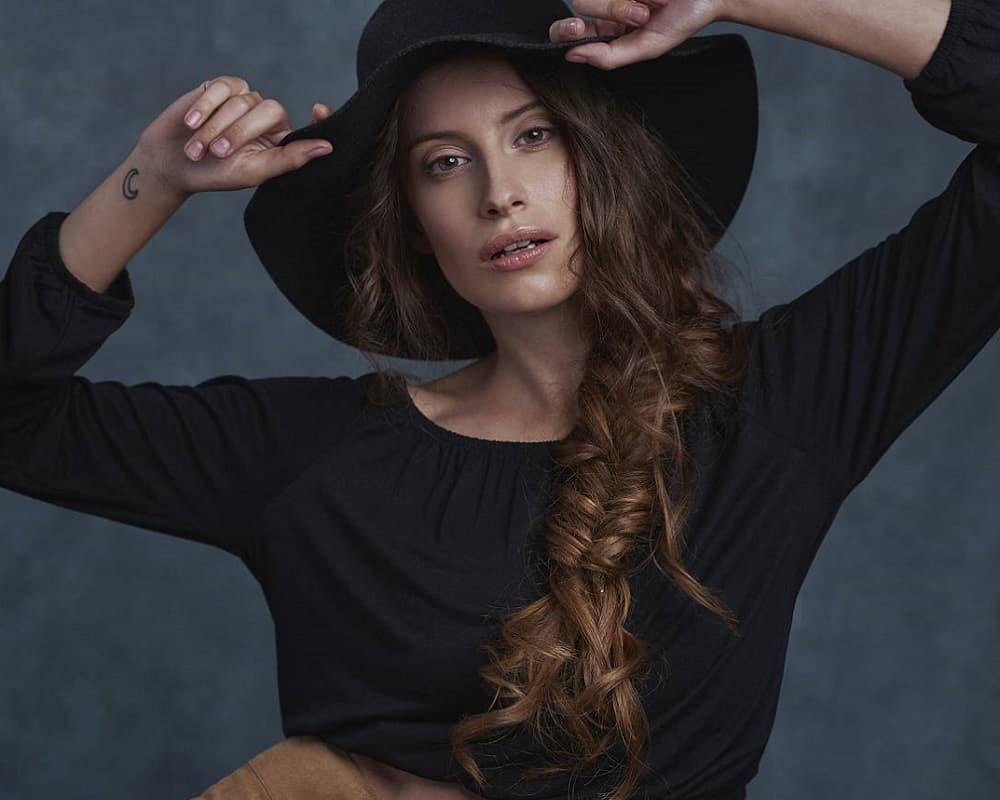


Layered and feathered haircuts are making a comeback, with both cuts serving an essential purpose in shaping and removing weight from your hair. But you might wonder what the differences are between a layer and a feather cut.
Here is your guide to layered vs. feathered haircuts and the pros and cons of getting either to help you choose the best cut for you and your style.
What Is a Layered Haircut?
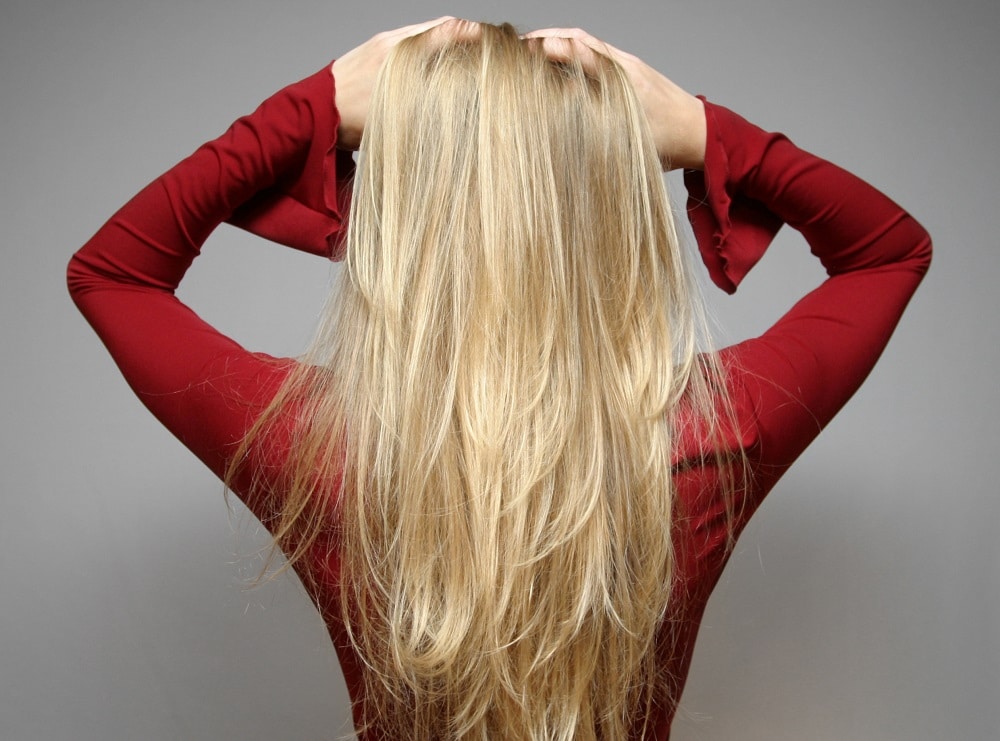
The term “layered” usually refers to cutting the hair at different lengths and elevations so the ends fall at varying points, creating movement and removing bulk. This can give the impression that your hair has more volume than it does.
Layered haircuts are becoming more popular, and while they might be versatile, they do come with their drawbacks depending on your hair type.
Here’s a look at the pros and cons of layered hairstyles!
Pros of Layered Hair
- Layering involves redistributing your hair so it doesn’t look bulky in one spot. A balanced look is a plus for coarse or thick hair types.
- When done strategically at the crown, layers create lift. However, too many layers on thin or fine hair can remove necessary weight at the bottom, making it look sparse.
- It also leaves room to style curls properly, so your hair looks healthy.
- This varies depending on your face shape, but most face shapes look good with layered cuts.
Cons of Layered Hair
- If layers aren’t blended properly, they can look disjointed and chunky rather than seamless.
- Requires frequent upkeep to maintain its effect.
- Layered cuts are tricky to do on your own, so it’s better to see an expert.
- Layers take more time to style if you want their full effect.
- Hair will take a long time to grow back if you aren’t satisfied with it.
What Is a Feathered Haircut?
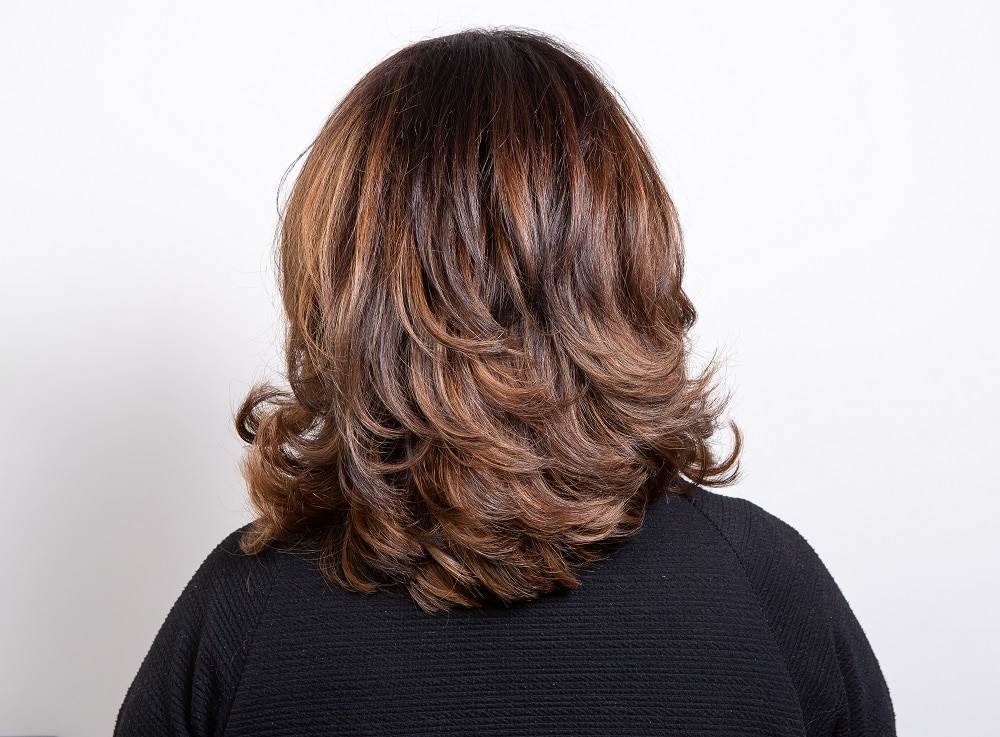
Feathered haircuts focus on soft movement at the ends. Instead of only cutting the hair into different lengths, the stylist shapes the tips to create a light, soft finish.
It is best understood as a finishing technique, often used with layers. It removes weight from the ends, which makes it especially flattering on thick, straight, or softly wavy hair.
However, feathering is not ideal for all hair types. It should generally be avoided if you have very fine or tightly curled hair, as removing density at the tips can make fine hair look wispy and cause curly hair to frizz and lose its shape.
Pros of Feathered Hair
- Much like layered cuts, feathered cuts texturize your hair, so the bulk is better distributed.
- Defines your hair more.
- Works for all hair lengths.
- Whether you have natural or artificial color in your hair, feathered cuts accentuate your color well.
Cons of Feathered Hair
- Much like layered haircuts, feathered hairstyles need proper maintenance to keep looking good.
- For a polished look, you must visit a professional hairdresser.
- Feathered hair often makes other alternative hairstyles difficult.
- It isn’t suitable for very fine or tightly coiled hair types.
What Do Layered Hair and Feathered Hair Look Like?
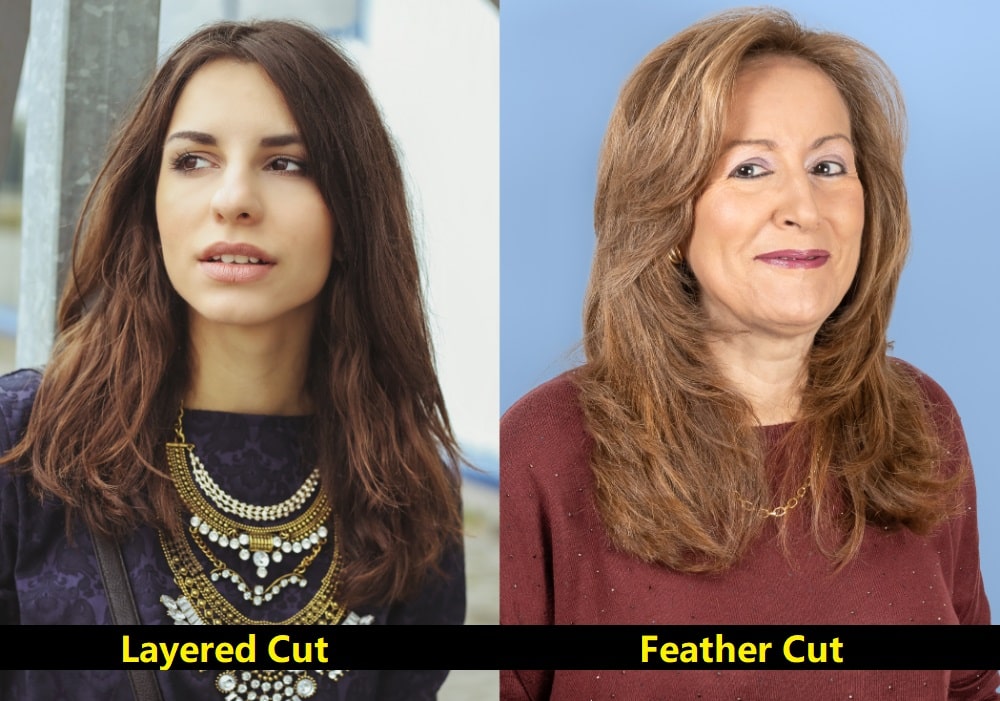
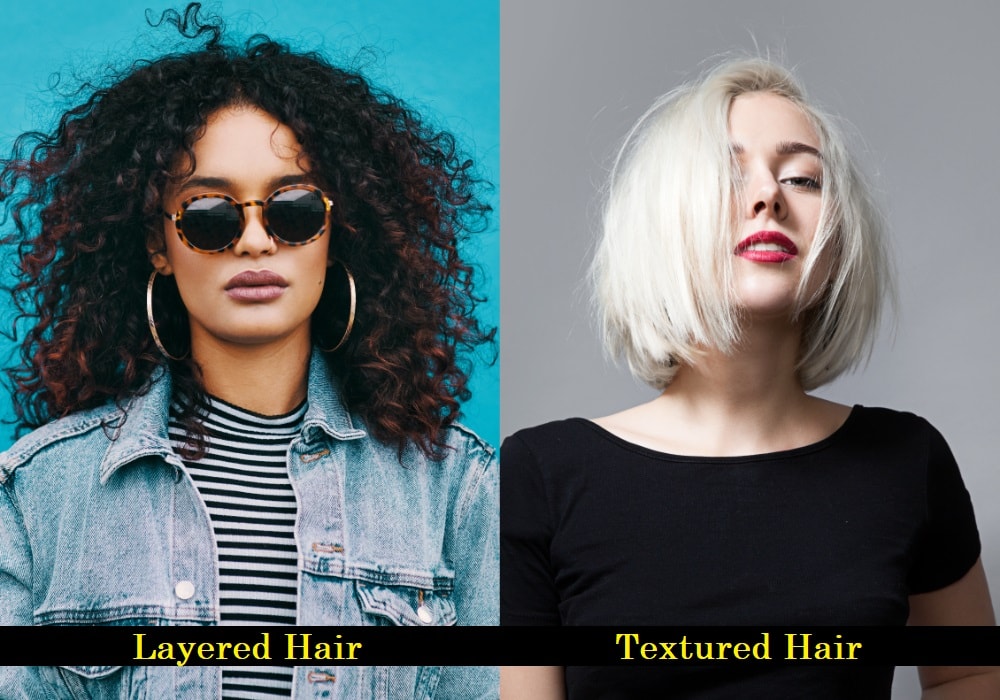
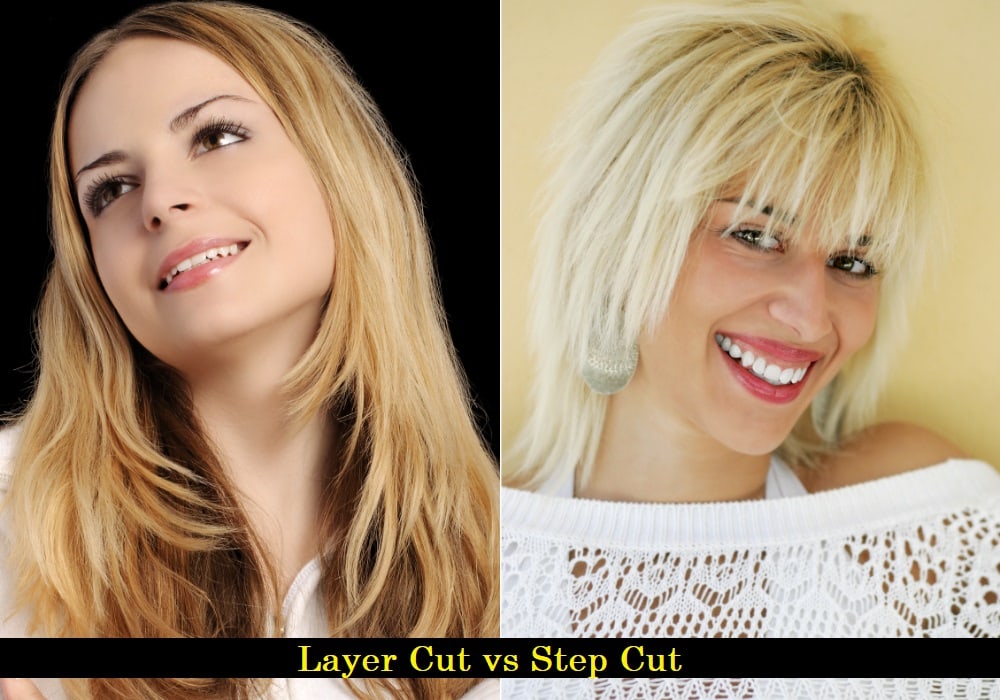
Though they may seem similar, feathered hair and layered hair look quite different. Layered hair adds volume to your hair by creating distinct layers with different lengths.
Feathered hair doesn’t add volume or height and focuses on the very tips of the hair, shaping the bottom. Feathering gives a more natural hair shape than a straight line, which happens when your hair is all the same length.
Difference Between Layer Cut and Feather Cut
So, if you’re wondering about the differences between a layered haircut and a feathered haircut, here are the key differences between the two styles!
| Feature | Feathered Haircut | Layered Haircut |
| Primary Technique | Texturizes and thins out the very ends of the hair. | Cuts interior sections of hair at varying lengths. |
| Main Goal | Removes heavy bulk at the perimeter for a soft, airy finish. | Creates internal volume, shape, and bounce. |
| Best Hair Types | Thick, coarse, straight, or softly wavy hair. | Highly versatile; works for most hair types if customized. |
| Hair to Avoid | Very fine, thin, or tightly coiled hair. | Those seeking a blunt perimeter or “wash-and-go” minimal styling. |
| Styling Needs | Focuses on sweeping the ends outward or inward. | Requires full-body styling (like a blowout) to show layer definition. |
The Final Verdict: Which Should You Choose?
Choose a layered cut if you can spend some time styling your hair and want more volume and bounce, and choose a feathered cut if your hair is thick or heavy and you want a softer shape around the ends. The two can also be combined, since feathering shapes the ends while layers change the interior lengths, so ask your stylist how much weight and fullness the cut would remove.
Whatever style you choose, it is always best to talk to a professional hairstylist. They can guide you, shape the cut for your face, and help you keep it looking fresh.