

Bleaching can look fresh and fun. It can also dry out hair fast. The mix and timing must be right, or hair can snap.
You also need the right balance of bleach powder and developer. If you guess, you can get weak or uneven lift.
Bleach can also lift too far and look very pale, even white, if you process too long or overlap on light hair.
When bleaching at home, you might think, “I used bleach, but it did not lift.”
This is common. Do not panic. In most cases, one part of the process failed. Once you fix that, your next step is safer and more predictable.
Do not leave bleach on past the label’s maximum time, and do not bleach again if the hair feels gummy or breaks easily. This guide explains why bleach sometimes does not lift, what to do next, and when to stop and get help.
Senior stylist Emma Baxendale reframes the complaint before solving it:

Your hair will always lighten with bleach; how much it lightens is another issue. The most common cause with clients who feel their hair won't lift is how many layers of color they have on their hair.
Clients often have years of box color layered on top of itself time and time again. That layering creates density in pigment, as well as weakness in the hair from overlapping.
Why Won’t Hair Lighten with Bleach Anymore?
If you bleach often or have dark hair, lifting can fail. Below are the most common reasons.
Emma adds two quieter saboteurs from the salon floor: “If you are lifting the hair at home, something simple can stop the lightener working, such as it drying out on an open-air application, or the mixing ratio being wrong and diluting it too much. Hard water also causes many issues: it creates a layer that basically repels the bleach and causes spots or uneven lift. Shower filters are your friend.”
The Bleach Dried Out
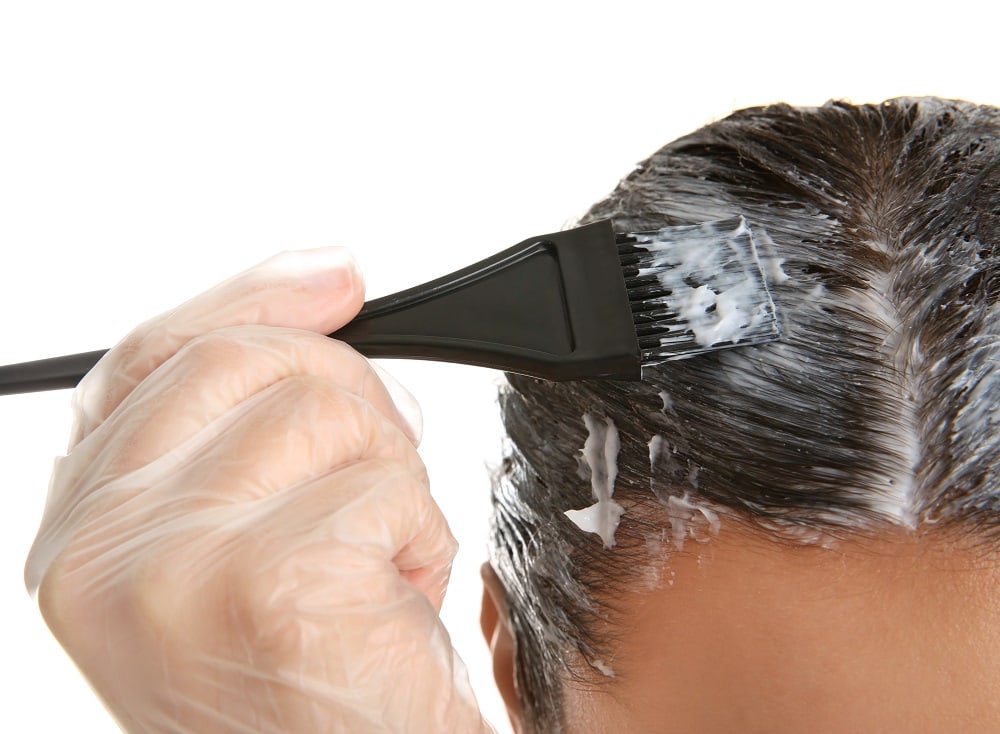
Bleach stops lifting once it dries. This happens fast on the surface of the hair, especially around the hairline and crown.
Cover the hair only if the exact lightener’s directions permit it, using the specified method. Do not add heat or extend processing to compensate for a dried mixture. Working in smaller sections, fast and neat, helps just as much. Foils help when working in sections, and clay lighteners designed for open-air work stay moist inside while drying on the surface, which is why hand-painted balayage leans on them.
Insufficient Saturation
If you did not use enough product, your hair may only lift a little. Hair must be heavily coated. It should look thick and wet, not just damp.
For long or thick hair, you often need more than one bowl of bleach mix. Mix fresh as you go: bleach that has sat in the bowl for over 30 minutes has oxidized and lost much of its power. Running out midway is a common reason for patchy results.
Low Developer Strength or Wrong Mix
If you used a low-strength developer, lift can stall. Many people use 10 volume by mistake, then wonder why dark hair barely changes.
Mix matters too. Many lighteners use a 1:2 ratio. That means 1 part powder to 2 parts developer. Example: 30 g powder and 60 g developer. Always follow the label on your brand. Never apply bleach to broken or irritated skin.
Product Buildup or Old Color History
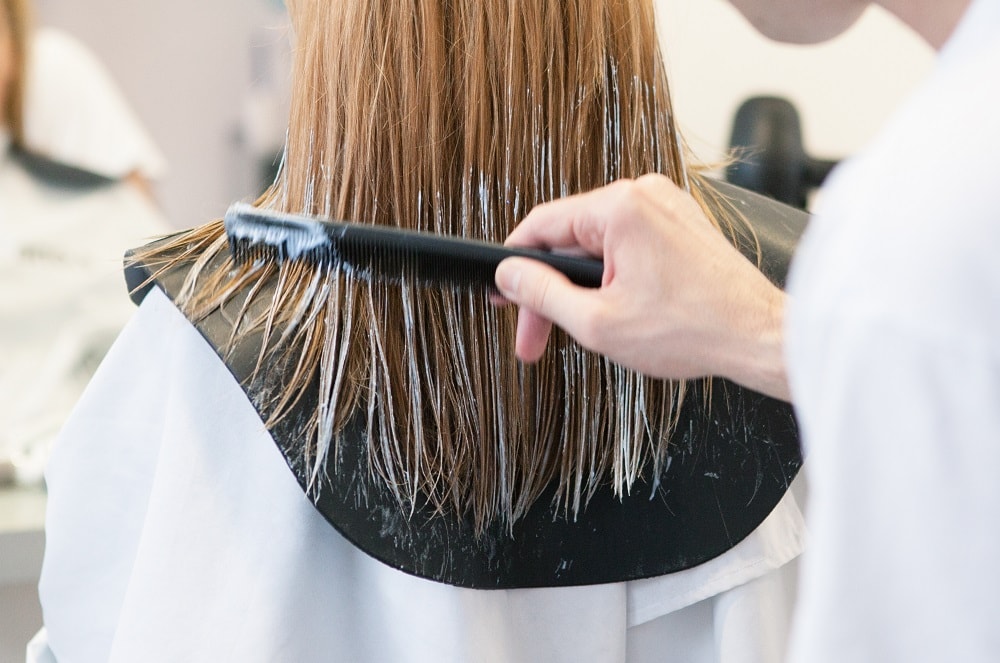
Minerals from hard water and heavy silicone products can form a barrier. Bleach may sit on top and lift slowly or unevenly.
Also note this: If you have old dark dye, especially black box dye, bleach can struggle. Artificial pigment can be stubborn. It is also why taking box-dyed hair to blonde is planned over several salon visits, not one sitting.
Your Hair Is Damaged or Overprocessed
Overprocessed hair can lift in a strange way. Ends can turn pale fast while darker areas stay warm. Hair can also feel rough and weak.
If your hair is already breaking, stop chemical work and get a stylist to assess it. At home, it is hard to see the true level of damage until it is too late.
Your Hair May Just Be Resistant
Some hair resists lift with nothing wrong in your method. Gray and coarse strands often carry a tightly packed cuticle that chemicals penetrate slowly, and low-porosity hair behaves the same way; the mix sits on the surface longer before it gets to work.
Resistant hair is not a reason to reach for a stronger developer at home. It is the textbook case for a colorist, who can adjust formula and timing section by section. And if stubborn gray is the real battle, our guide to coloring resistant gray hair covers that side properly.
How to Fix a Failed Lift (and When to Stop)
Start by fixing the reason it failed. Do not rush into another round. Small changes in your method can make a big difference.
Consult With Your Professional Stylist

If you are unsure about products, developer strength, or timing, ask a stylist. They can guide you based on your hair history and your goal shade.
This is also the safest choice if you have old dark dye, very curly hair, or previous breakage.
Prep Your Hair and Your Tools
Prep matters. In the weeks before bleaching, focus on gentle cleansing and conditioning. Keep heat styling low.
Do not apply heavy oils, silicone serums, or thick masks right before bleaching. That coating can block even lifting and lead to spots.
The Pre-Bleach Reset: Clarify and Chelate
If buildup was your blocker, this is the fix that actually moves the needle. A clarifying wash strips product residue; a chelating wash goes further and binds the hard-water minerals sitting inside the strand. One or two treatments in the week before any lightening gives the next attempt a clean surface to work on.
The two are not the same product, and picking the right one matters; here is the difference between clarifying and chelating shampoos. After the reset, skip heavy oils and silicone serums, or you rebuild the wall you just removed.
Be Careful and Follow Directions
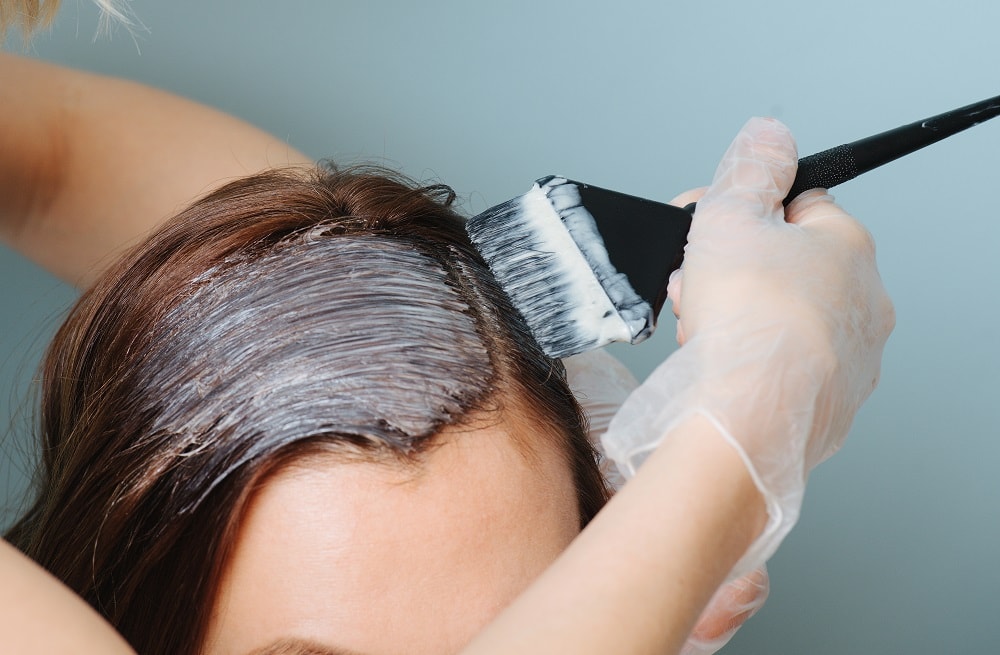
Read your product instructions from start to finish. Set a timer. Work in small sections. Apply fast, then check often.
To avoid damage from repeat processing, do not overlap bleach onto already light ends. If you need help with technique, see this guide on how to apply bleach correctly.
What the Right Mix Looks Like
Most lighteners lift best as a smooth, creamy mix; a toothpaste consistency is the working rule of thumb, though brands vary, so follow the instructions. Brands differ on ratios (many run 1:2, some do not), which is why the label on your product outranks any tip you read online, including this one.
Keep the product moist while it processes. If your room is cold, lifting can slow down. A steady, comfortable room temperature helps the reaction stay consistent.
Tone or Gloss Instead of Adding More Color Layers
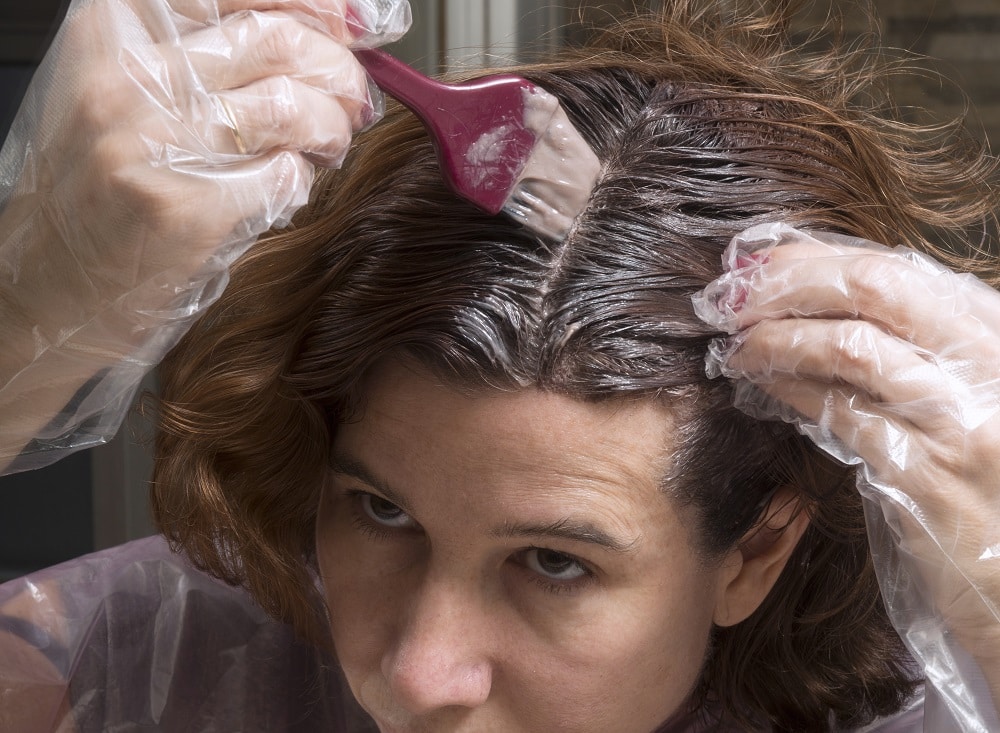
If your hair lifted but looks too warm, a toner or gloss can help soften brass. This can be a better next step than adding a dark dye that you must remove later.
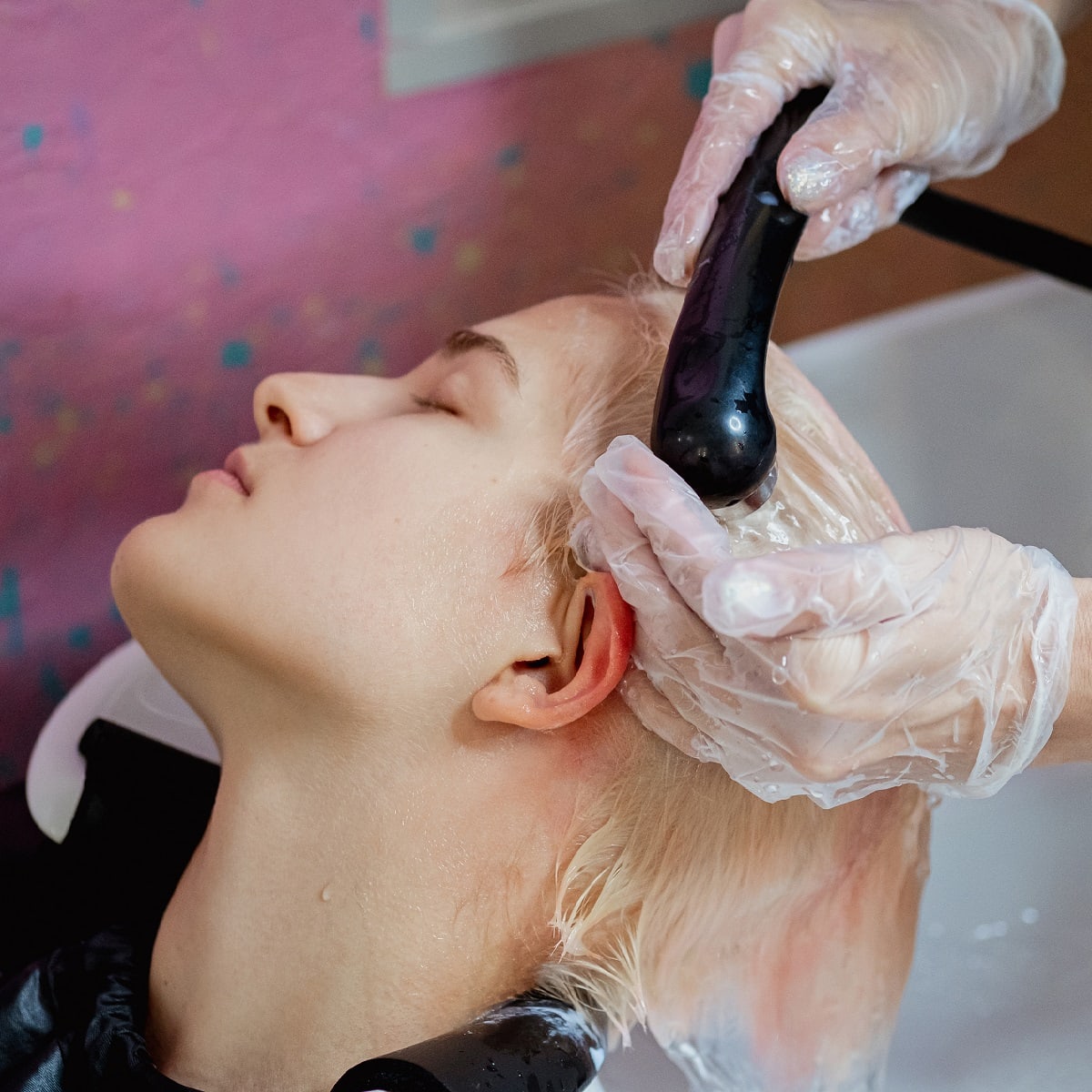
After toning, follow the usual wash plan and care routine. If you are unsure about timing, see this guide on shampooing after bleach.
My advice and safety notes
- Elasticity test: Take one strand. Wet it. Gently pull. If it snaps fast or feels stretchy like gum, do not bleach again. Let it rest and get professional help.
- Know what is in the mix: Hair bleach uses oxidizers like hydrogen peroxide, which can irritate skin and eyes on contact. CDC NIOSH hydrogen peroxide hazard guide
Re-Bleaching: A Decision, Not a Default
Reapplying can work, but only if your hair is still strong. First fix the cause of the failed lift. Then do a small strand test on a hidden section.
If the strand lifts evenly and still feels strong, a second pass is on the table: darker areas only, no overlap on light ends, and at least a month after the first attempt. If any part of that feels uncertain, stop and book a stylist; a failed second round costs more to fix than the appointment would have.
Can You Bleach Hair Again if It Won’t Lift?
Sometimes, yes. But do not treat it as the first solution. Find out why it failed, then decide your next step.
If your hair did not lift because of old dark box dye, bleach may not be enough on its own. In that specific case, a color remover can help shrink and remove artificial dye before you try lifting again. Color remover is still a chemical process: follow the product label and stop at once if your scalp stings or feels irritated. Note: Most color removers do not work on virgin hair because they do not remove natural melanin, though a few formulas can shift a natural base, so always check the label.
Bleaching can be a bold change. It also has real risk. If you want the cleanest result with the least damage, professional help is often the best next step.