
Trying out a new hair color can be a hit or miss. You might end up really loving your edgy new look or really hating it. If you don’t like it, the question then becomes, how do you remove semi-permanent hair dye and fade back toward your natural color?
Before you head to buy a box of hair dye remover, consider safer, less expensive alternatives worth exploring.
How to Strip Semi-Permanent Hair Dye
This article explores 2 ways to remove semi-permanent hair color. Method 1 is gradual, and you may need to follow it for several weeks to see noticeable fading. For faster results, follow Method 2.
Method 1: Clarifying Shampoo
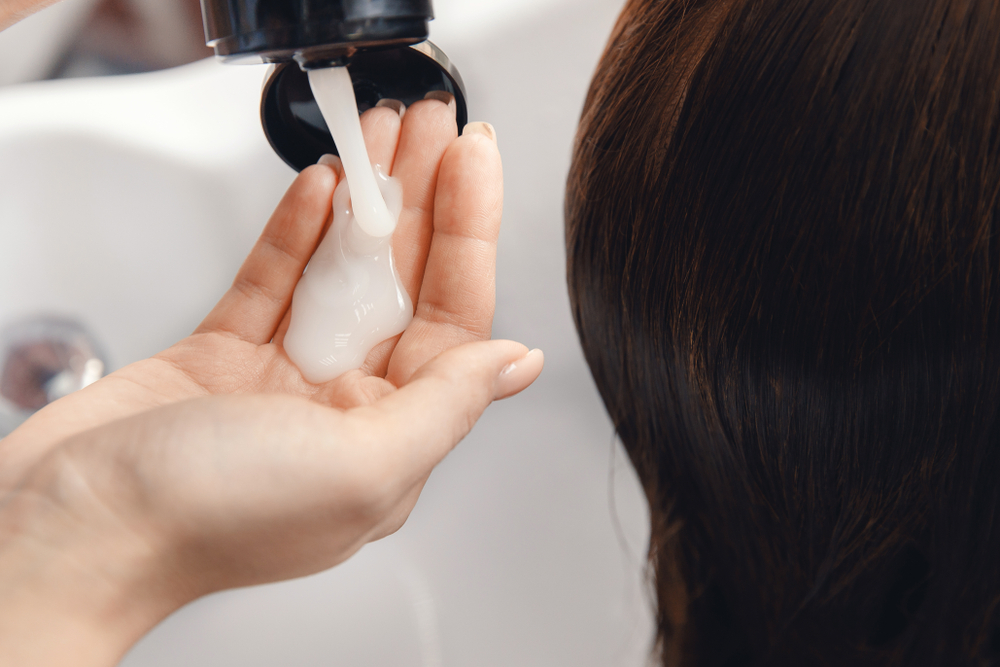
If you’re trying to get rid of semi-permanent hair color, a clarifying shampoo is a great place to start. Keep in mind that different dyes sit in the hair differently. Many semi-permanent dyes mainly stain the cuticle, and they can cling more to porous areas.
Semi-permanent dye often fades with washing over time, but porous hair can hold onto pigment longer. Permanent hair color uses an oxidative process and tends to last longer.
Every time you wash your hair, the shampoo you use washes out some of the dye’s color molecules. A clarifying shampoo can speed up this process. In addition, it is designed to get rid of product and mineral buildup that conventional shampoos cannot.
For best results, shampoo once with a clarifying cleanser to remove product buildup. Rinse, then shampoo again. Lather well, work through the lengths, then rinse out.
Use this 2-3 times per week until you see the fade you want. If it doesn’t budge much after a few washes, you may need a stronger method.
Clarifying shampoo can feel drying, so condition after every wash. If your scalp gets itchy or stings, stop and switch to a gentler wash.
Hot oil treatments are sometimes suggested for fading color. Oil contains no lifting agent and cannot remove synthetic dye from inside the cortex; at best it helps a little surface color slide off, nothing a clarifying shampoo could not also achieve. Treat it as a conditioning companion step if your hair already feels dry.
Method 2: Use a Dedicated Hair Color Remover
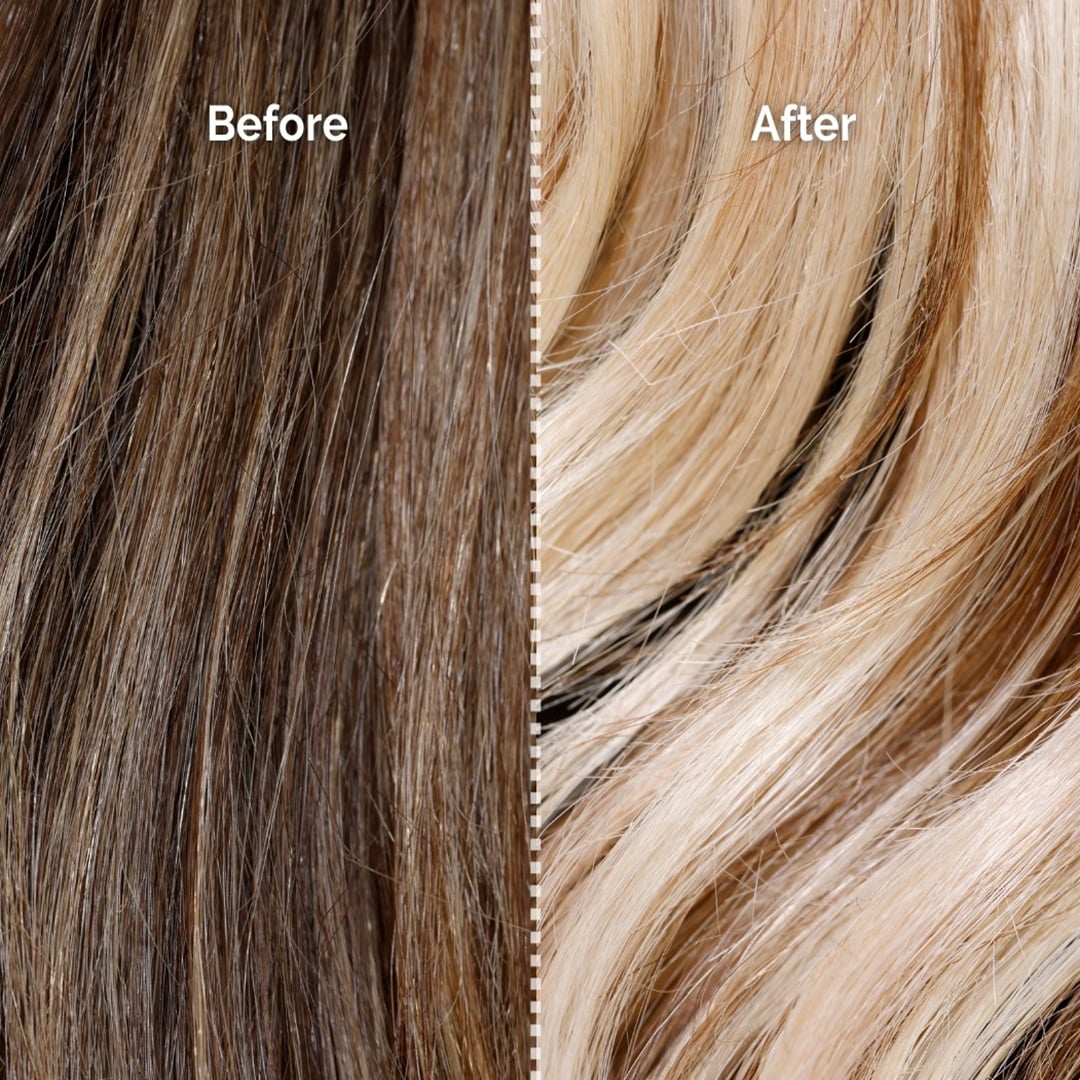
Clarifying washes do not fade hair instantly. The method above requires multiple applications to fade hair color, but it usually causes less damage than a strong color remover.
You may not have the time or patience to follow the steps regularly. So, if you need to fade your semi-permanent color faster, use a store-bought direct dye remover made for semi-permanent color.
Note: “Color removers” are not all the same.
- Bleach-free reducers are mainly for permanent oxidative dye.
- Direct dye removers or lifters are made for bold semi-permanent “direct dyes.” Some formulas are bleach-based and can lighten natural hair.
- Most brands offer different removers for permanent and semi-permanent dye. For a semi-permanent dye remover, look for ‘semi-permanent’ or ‘direct dye remover’ on the package.
CRITICAL SAFETY WARNING
If your hair is already damaged, brittle, or feels “gummy” when wet, do not use any hair color remover at home. Even mild chemicals can cause compromised hair to snap off. Please see a professional stylist for a color correction service instead.
Skin: If you have burning, swelling, or a rash on your scalp at any point in the process, rinse immediately and stop.
Air + eyes: Open a window and turn on ventilation before mixing. Mix gently to avoid powder dust. Avoid splashes and keep any mixture out of your eyes. If any product gets into your eyes, flush with lukewarm water for 20 minutes and get urgent medical help.
Breathing: Strong chemical odor and powder can irritate your nose and throat. If you have asthma, avoid these products at home.
Renowned brands, including Color Oops, One ’n Only Colorfix, Malibu C, and Pulp Riot Hair, offer high-quality removers for semi-permanent color. Make sure you buy the right type for your dye.
The bleach-based option: The strongest direct-dye removers, such as Color Oops Bold Color Remover, pair lightening powder with developer, which makes them bleach chemistry. That is best treated as colorist territory; here is how the process runs in the chair, so you know what you are paying for.
Color Oops Bold Color Remover is a bleach-based formula (persulfates) and it can lighten your natural hair color. It is strong enough to lift bold semi-permanent colors, but it can dry out your hair. Ensure you have a deep conditioner ready to use immediately after rinsing.
How a Colorist Runs a Bold Color Remover:
A small test batch goes first: a little of the kit’s developer, the lightening powder, and the bond masque mixed in a non-metallic bowl, never with a stronger developer swapped in.
Chemistry history matters before any correction or removal, so the consult starts there. That batch runs a strand test, which shows how fast the color lifts and whether the hair is healthy enough for the process. The strand matters even more if you have ever used henna or a progressive (gradual) dye: those products can leave metallic salts that react with bleach-based removers, and a strand that gets hot, smokes, or smells strange ends the appointment before it starts.
If the strand test passes, the hair is divided into four clipped sections.
The remaining developer, lightening powder, and bond masque are mixed in a non-metallic bowl; metal can react with bleach.
The remover goes only where color needs removing: lengths first, roots last and only if needed, then a processing cap goes on.
Since this formula contains bleach, it can lighten your natural hair color. Do not apply it to your natural regrowth or roots unless you intend to lighten them, or you may end up with “hot roots” (orange roots).
A timer tracks processing, with checks every 5-10 minutes and a hard stop at 60 minutes, earlier the moment hair starts to feel stretchy or weak.
When time is up, the cap comes off and the hair is rinsed until the water runs clear, then shampooed and conditioned.
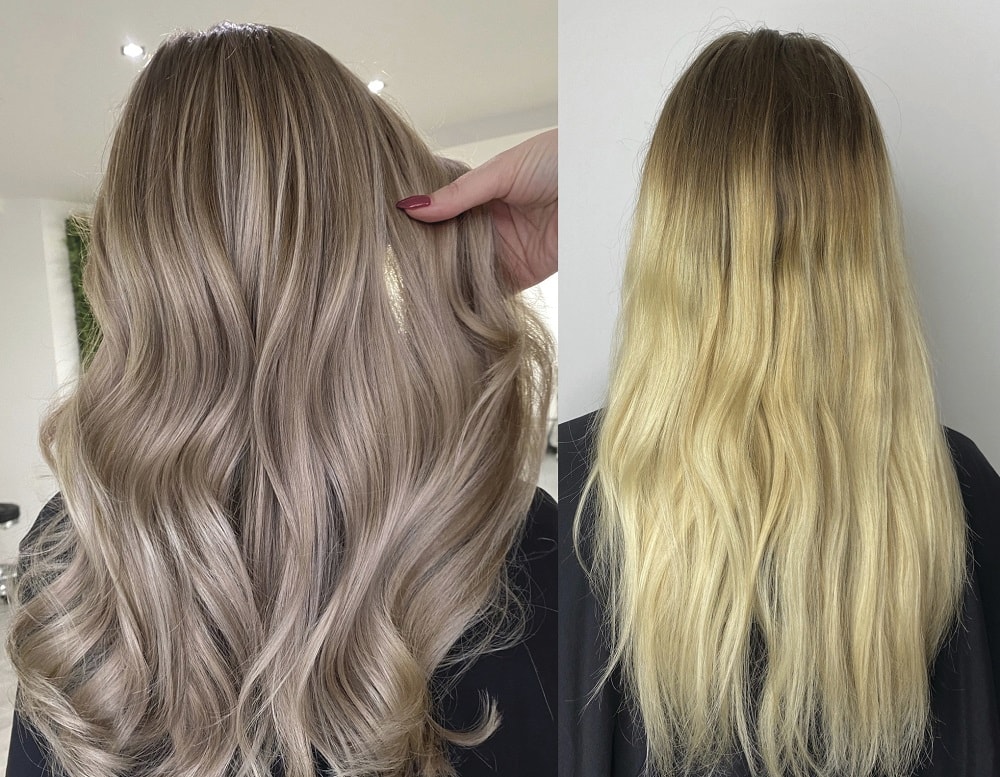
Removing semi-permanent dye often reveals the color of your hair underneath the dye. If you bleached your hair previously, it may look yellow or orange, and if you used a blue dye, it might fade to green. This is normal.
After rinsing and conditioning, the maker allows same-day recoloring if hair still feels strong, but FDA guidance is more conservative: wait at least 14 days after bleaching before another oxidative dye, and repeat the 48-hour skin test before every color use. If you do recolor, do a strand test first. On porous ends, color can grab darker than expected, so consider a demi or semi gloss, or go 1 level lighter than your target.
Malibu C DDL XL Direct Dye Lifter and Pulp Riot Hair Blank Canvas Packette semi-permanent color removers are options for professional use.
We don’t recommend professional products to unlicensed users, because not following the instructions can lead to damage.
Professionals are trained to correct hair color, along with all sorts of hair mishaps. Removing semi-permanent hair color is likely something they often do. Here are the hairstylist and salon locators from Pulp Riot and Malibu C.
Worst-case scenario: The dye does not lift evenly, hair feels very dry, or breakage starts. If the color truly needs to come out, seek professional services. A pro can correct tone, blend lines, and reduce damage using safer steps. If the pigment will not budge, they can still camouflage it using techniques like balayage or ombre, or foil highlights. They may even use bleach to lift the unwanted color off and give you a whole new look.