
To understand hair color correction, you need to understand the basic color levels and how pigment behaves in hair.
Hair Color Levels
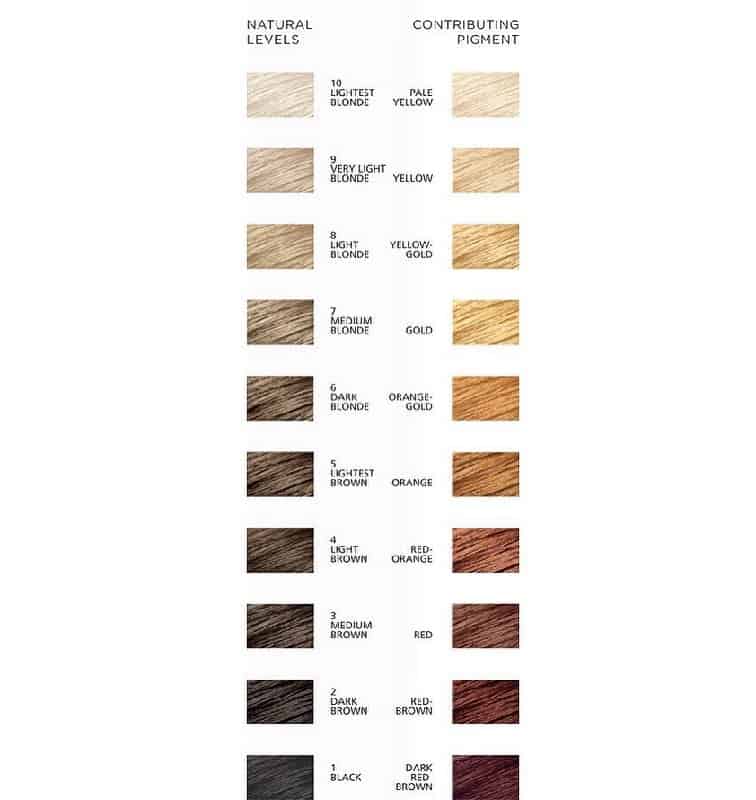
Hair colors are described in the industry as levels 1 to 10. Level 1 is jet black, through to level 10, which is the lightest blonde. Some color ranges also use level 11 and 12 for extra-light blonde shades.
Once you can recognize levels at a glance, you can tone, neutralize, and cancel unwanted colors with more control.
Pigment Color
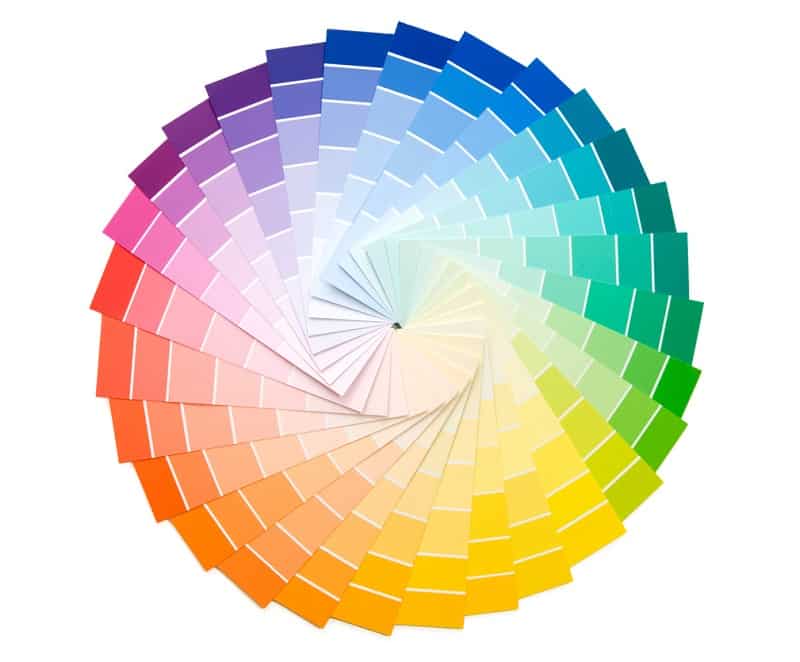
Different colors on the color wheel can be used to neutralize a tone or to intensify it. For example, a small amount of violet can neutralize yellow in blonde, or you can use more and intentionally shift the hair toward violet.
Red can also neutralize green. This is useful when green tones show up after using an ash shade on blonde hair, or when hair was colored without enough warm pigment added back in.
If the green is from pool chlorine, copper, or mineral buildup rather than dye, start with a chelating shampoo first. Do not keep layering dye on top of mineral buildup.
To neutralize an unwanted tone, first identify the underlying pigment you are seeing. You can only work on that level or darker.
You cannot use a toner that is lighter than the pigment you are trying to cancel out. It will not do anything. This is why level recognition matters.
Next, find the color directly opposite on the color wheel. That is the tone you use to neutralize what you have. Also note that the tone is not always the same from roots to ends. You may need to adjust your formula so you neutralize all the unwanted tones.
Pro tip: Pure correctors are concentrated. They can neutralize tone without needing to “go darker.” Use them sparingly, and strand test first.
How to Color Correct: A 3-Step Process
This is the simplest way to think about correction at home. It keeps you out of trouble.
- Step 1: Identify. What level are you, and what tone is bothering you (yellow, orange, green, or too warm)?
- Step 2: Choose the opposite tone. Use the color wheel. Neutralize yellow with violet, orange with blue, and green (from dye) with red or copper.
- Step 3: Apply with control. Strand test. Stay with the developer strength your product’s own directions call for; judging anything stronger belongs to a colorist. Re-check mid-lengths and ends because they often grab faster.
| Problem | Quick direction |
|---|---|
| Orange hair | Use a blue-based toner or an ash-toning product with blue pigment. |
| Yellow hair | Use a violet or purple toner. |
| Green tint (from dye) | Use a red or copper corrector to add warmth back in. |
Problem: My Hair Came Out Too Dark
This is a depth problem, not a tone problem. If your hair looks black after a dark brown box dye, a blue toner will not fix it.
Permanent color cannot lift permanent color. A lighter dye on top usually does nothing, or it turns patchy. You need to remove some of the artificial pigment first.
Color Remover vs. Bleach Bath
These two methods do different jobs.
- Sulfur based color remover: Helps loosen and shrink oxidative dye molecules, so they can rinse out. This is often the first choice when the “too dark” result is from a recent permanent box dye.
- Bleach bath: A gentler form of lightening that can lift a small amount and help remove stubborn pigment. It can still turn warm fast, so orange is common, and since it is still bleach, it is the half of this pairing best left to a colorist.
| What you need | Best direction |
|---|---|
| It is too dark from a recent permanent dye | Start with a sulfur based color remover. It targets dye buildup without heavy lift. |
| It is still too dark after remover | A bleach bath can lift a little more, but it can go warm and uneven. |
| Hair feels stretchy, gummy, or snaps easily | Do not strip or lighten again. Get a professional correction plan first. |
After you remove some darkness, you may see warm tones like red or orange. That is normal. At that point, you can tone the warmth. Do not tone before you lift. Toner cannot cut through dark dye.
Warning ⚠️
Color removers and lighteners can irritate skin and damage hair. If you are not sure, book a colorist. If you do any at home correction, follow the product directions, do a patch test, and do a strand test first. Stop if your hair feels hot, painful, or starts breaking.
Purple Shampoo vs. Toner
People mix these up a lot. They are not the same tool.
Purple shampoo is maintenance. It is a cleanser with a small amount of violet pigment. It helps keep blonde from looking yellow over time. It is slow and subtle.
Toner is correction. It is a color deposit formula meant to shift tone with more control. It is used after lightening, or when fresh brassiness shows up. It can work fast.
| Tool | What it does | When it fails |
|---|---|---|
| Purple shampoo | Maintains blonde brightness and reduces mild yellow over time | Won’t fix strong brass, orange, or uneven banding |
| Toner | Corrects yellow or orange after lightening, or after a warm shift | Won’t lift hair that is too dark, and won’t remove box dye |
If the problem is depth, fix depth first. If the problem is tone, fix tone with the opposite shade on the color wheel. That order saves you from chasing new problems.
Going Darker: The Importance of Filling
This is the most common correction mistake. It is also the easiest one to avoid.
If you apply brown dye directly over bleached blonde hair, it can turn muddy, gray, or green. Blonde hair is missing the warm underlying pigment that makes brown look natural.
To go darker successfully, you must “fill” the hair first. Filling means replacing the missing warm pigment (gold and copper or red) before you apply your target brown shade.
- Step 1: Apply a warm filler to the blonde hair. A copper or gold demi-permanent shade is often used.
- Step 2: Rinse the filler.
- Step 3: Apply your target brown shade.
If your hair is very porous, uneven, or previously corrected many times, a professional colorist can save you a lot of time and damage.
Types of Pigment
When we color hair, many factors affect the outcome and the quality of the final result. One of the biggest factors is the two types of pigment found in hair.
Natural Pigment
The first is natural pigment. It occurs naturally in hair and determines your starting color. Natural hair color is created by different types and amounts of melanin.
Black hair is linked to larger amounts of eumelanin. Brown hair tends to have moderate amounts. Blonde hair has much smaller amounts. Red hair is linked to higher amounts of pheomelanin. Gray happens as the follicle reduces melanin production over time.
Natural pigment can vary across a single head of hair, and it can change over time. When we apply bleach, the underlying pigment becomes visible as the natural melanin is lifted.
Synthetic Pigment
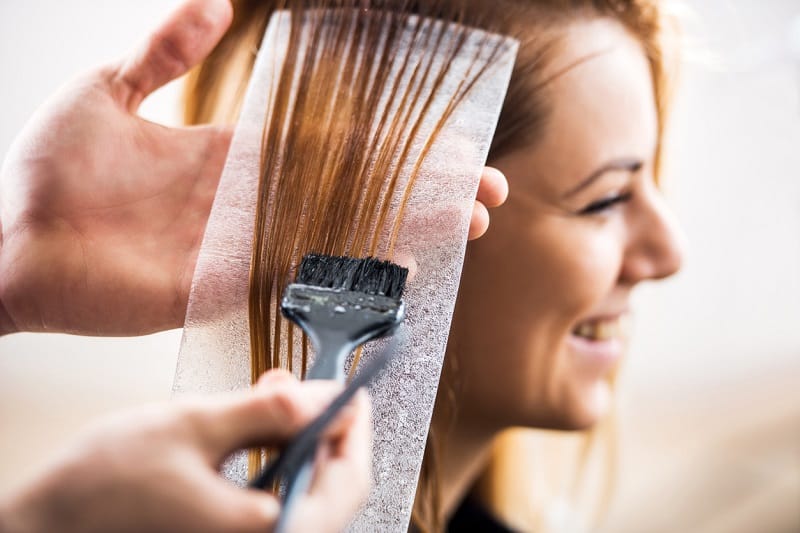
The second is synthetic pigment. This is any color you have applied during the lifespan of that hair. Sometimes long hair has multiple layers of old dye, tinted products, and toning shampoos.
When we are color-correcting, we need to consider both pigment types. They both matter.
Synthetic pigment can look “perfect” right after coloring. Then, after a few washes, the tone can shift as the color settles and the underlying warmth starts to show through. That is where brassiness can appear if the formula did not account for it.
Color Correction & Achieving the Perfect Color
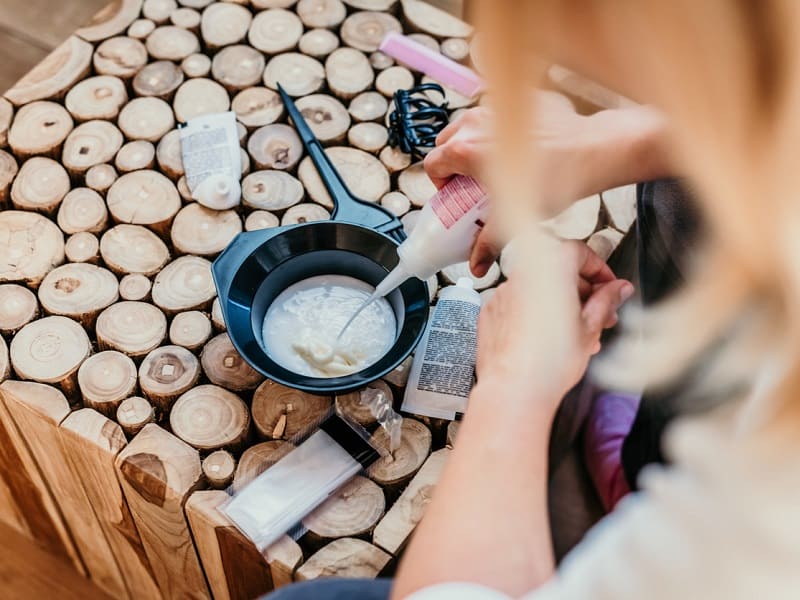
Many factors can change the outcome of a color service. Hair is often different from root to tip, so peroxide strength should match the condition of each section.
Hair that needs gray coverage may need 6% peroxide, with 9% reserved for professional salon use. Older highlights, faded mid-lengths, and porous ends may only need 1.5% to 3% peroxide. Treat these as ceilings and follow your specific product’s guide. If you pull a stronger formula through the ends without adjusting, you can end up with a dry, matte result. When the right strength is chosen, the finish is usually glossier and healthier.
A porosity equalizer, often a protein spray, can help even out porous ends. It can also help color hold more evenly on hair that grabs too fast.
PRO TIP: For mid-lengths and ends, a demi or semi-permanent formula with a gentle activator can refresh tone with less damage. Re-check the correction after processing, then adjust only where needed.
Why Don’t Box Colors Work Well?
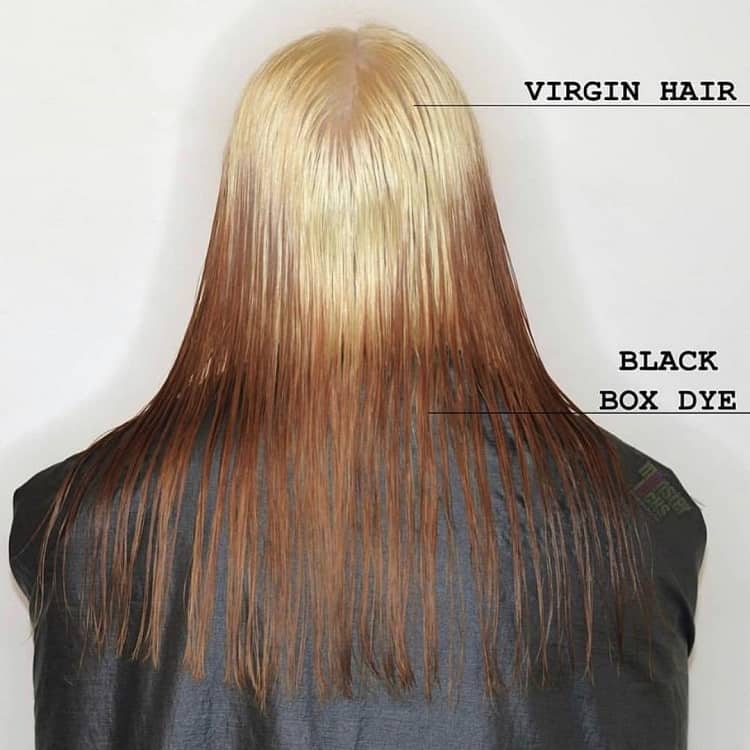
Why do box colors often disappoint, even when the “right shade” is chosen? Box dyes are designed to work on a wide range of people with a one-size approach. They often rely on a stronger, fixed developer and a stronger alkaline system to push color in fast.
That can over-process the cuticle on hair that is already lightened, porous, or fragile. It can also make future color correction harder compared to salon formulas, which are usually customized by level, tone, and hair condition.
Box colors also tend to use a single peroxide level (often around 6%). It may work for virgin roots, but it can be too harsh for the ends, especially if they are highlighted, porous, or already damaged. That is where the damage multiplies.
Color Maintenance
A strong color correction needs a smart home routine. When harsh, low-quality shampoos are used, they can strip tone faster and dull the finish.
A great color, or color correction, tends to last longer when you use products that support colored hair. Keep the hair healthy, reduce heat, and protect your color from fading so the tone stays cleaner for longer.
Happy hair days!