
A pre-wash hair oil treatment, a practice with deep roots in South Asian Ayurvedic traditions, is perfect for strengthening and moisturizing hair strands before shampooing. While applying oil to the hair and scalp has many benefits, how to cleanse it properly afterward is unknown to most people.
This method generally leaves your hair softer and shinier and can protect ends from splitting, but not washing off the oil may cause problems. Here is a detailed guide on cleaning your hair after applying oil.
How to Wash Hair After Oiling
To properly emulsify heavy oils without disrupting your scalp’s natural lipid barrier or causing mid-shaft breakage, use this specific cleansing method:
Get the Right Shampoo
Ordinary shampoos may not have the best formulation to remove excess hair oil.
Hence, use a thorough but gentle daily shampoo that matches your hair texture and type after oil treatment. This type of shampoo will help lift the excess grease and product buildup from the scalp.
Wet Your Hair and Cleanse
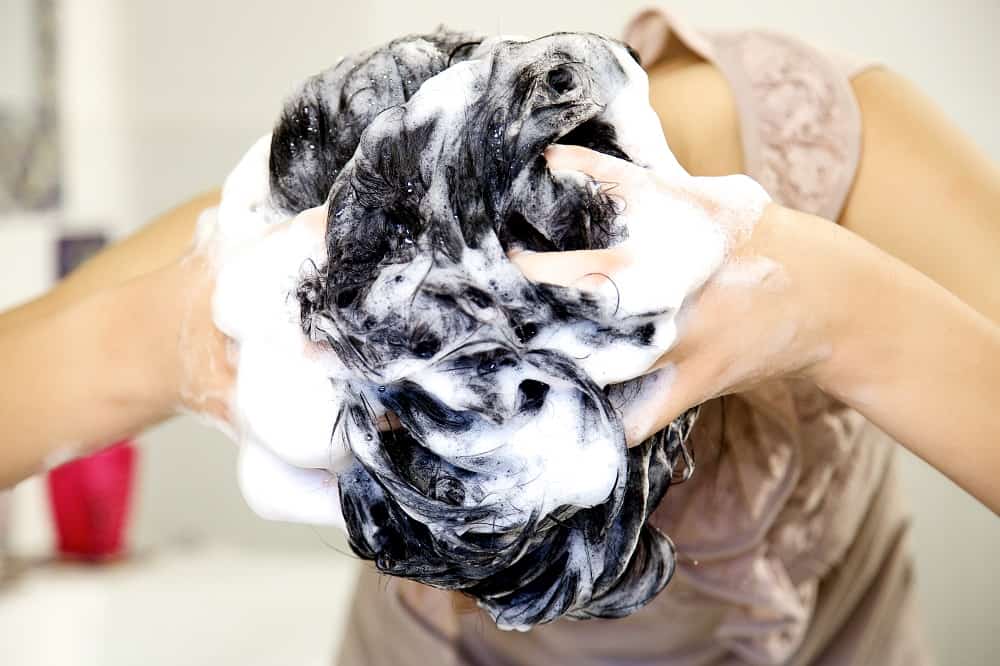
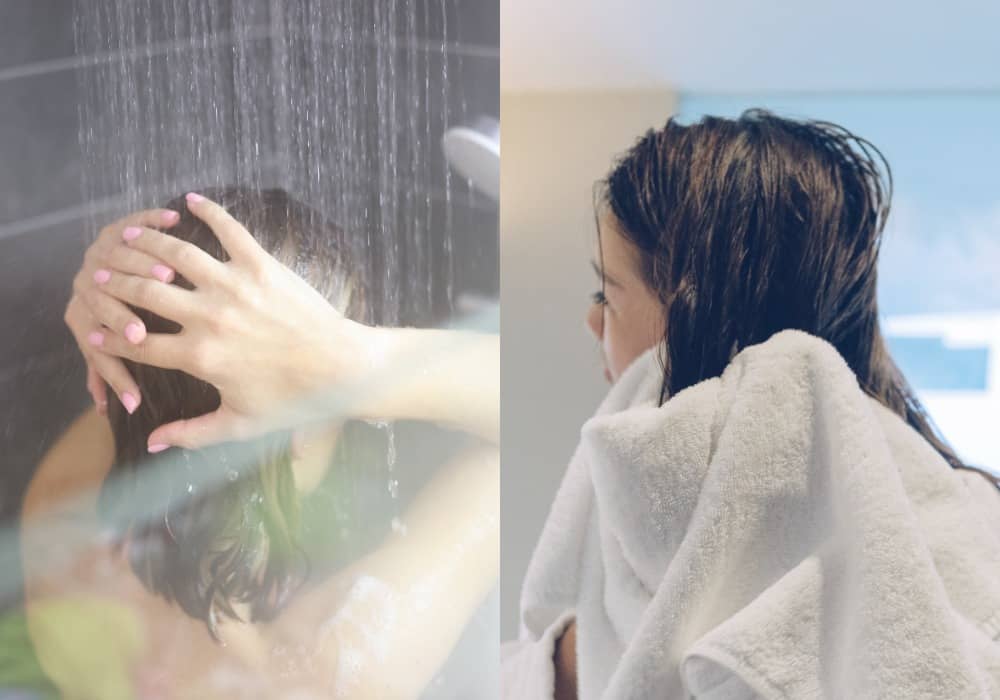
Before shampooing your hair, ensure every strand is soaking wet. Always use warm water to help loosen the excess oil before applying shampoo. After that, gently massage the scalp with shampoo using the pads of your fingers to remove dirt and promote blood circulation.
Rinse
The next step after shampooing your hair is rinsing it with warm water. If the scalp is still greasy after cleansing, you can follow up with a diluted apple cider vinegar rinse to help balance the scalp’s pH, though you may need a second shampoo lather to remove stubborn oil.
Condition Your Hair

Once you rinse your hair well, apply conditioner to make it easy to comb. A nourishing conditioner will protect the shafts from damage, reduce frizz and improve the hair’s appearance.
Things to Do After Hair Oiling
iStock.com/iprogressman
Oiling your hair will provide the best results only if you complement it with the proper hair care measures.
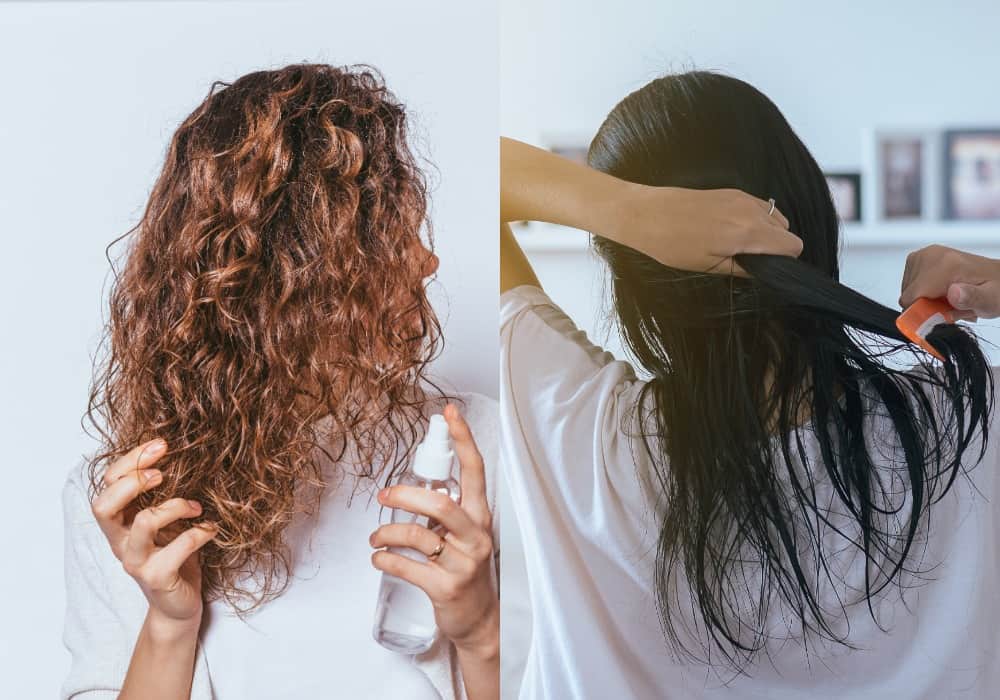
Always detangle before shampooing to remove knots and prevent split ends. If you have straight or wavy hair, comb it when dry to reduce breakage. On the other hand, dampen strands and apply a generous amount of a slippery conditioner or detangling spray before detangling if you have curly/textured hair. This step can help define the curls and make your hair more flexible for combing.
To prevent overdrying the scalp, simply use a standard sulfate-free shampoo rather than a harsh clarifying one.
Another thing to do after an oil treatment is to use cold water for the final rinse. This can help the hair appear smoother, and may reduce frizz.
Mistakes to Avoid After Hair Oiling
A common mistake is failing to double cleanse. Washing twice with a gentle shampoo is often necessary, and is a chemically sound way to emulsify and remove heavy oils without resorting to harsh detergents.
Another mistake to avoid after hair oiling is washing with hot water for an extended period. A long hot shower will dehydrate your hair, causing it to appear frizzy. It also strips the scalp of its natural lipid barrier and removes too much oil and sebum, leaving your scalp dull and flaky.
Other mistakes you shouldn’t make after hair oiling are:
- Leaving the oil in the hair for too long
- Combing your hair immediately after applying the oil
- Applying too much oil
Rubbing your hair with a towel can help it dry faster. However, if you are too vigorous, you will damage the strands and cause tangles. Avoid rubbing the scalp and hair roughly after cleansing by using a cloth with soft fibers. Instead, only squeeze out the excess water and let your hair air-dry.
Cleaning your hair correctly after oil application will help you get the treatment’s benefits without over-stripping the scalp. Further, it helps maintain a clean scalp environment and supports hair integrity. Proper cleansing also simplifies hair management and prevents damage.