

As much as thinning shears can enhance hair texture and shape, they can also cause serious damage if used incorrectly.
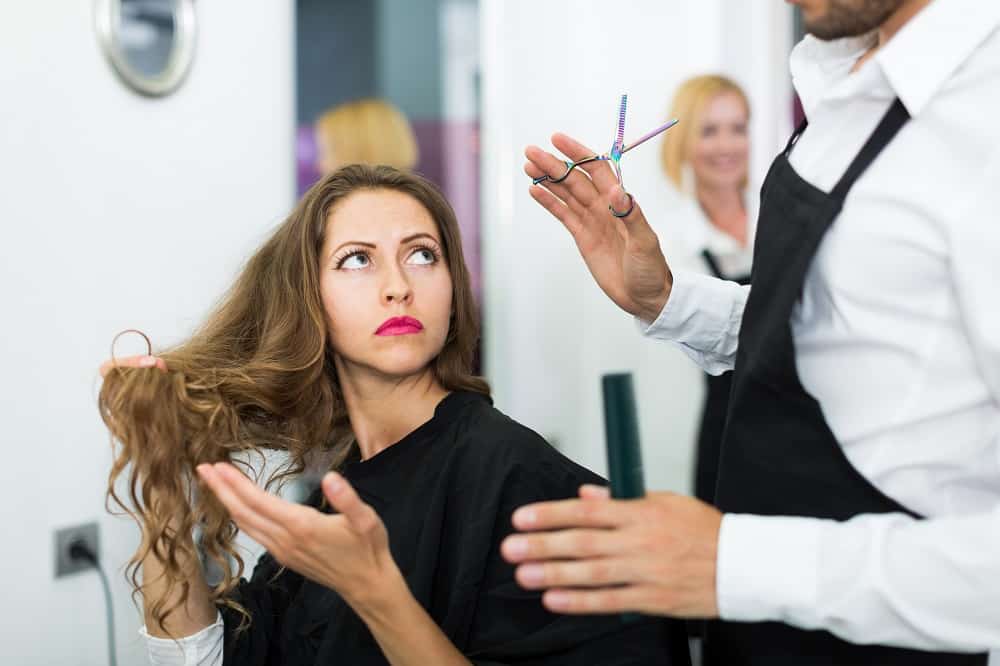
That’s why you will often hear people complain, “Thinning shears ruined my hair.”
If thinning shears have removed too much density, styling and a corrective cut can improve the shape while it grows out. Unexplained or continuing loss should be assessed separately from the haircut.
Read on for ways to manage an uneven or over-thinned cut while the removed density grows out.
What does senior stylist Emma Baxendale actually find behind a thinning-shears disaster?

Thinning shears tend to ruin hair when over-used, or used by someone who doesn't understand which areas to use them on. That leads to over-thinned ends, a choppy shape, and uneven sections.
The grow-out depends on how much was removed: the more that's gone, the longer it takes, needing gradual trims until it meets the rest of the hair. A cut now can soften the difference; otherwise it's bit by bit, but you will get there.
Why Are Thinning Shears Used?
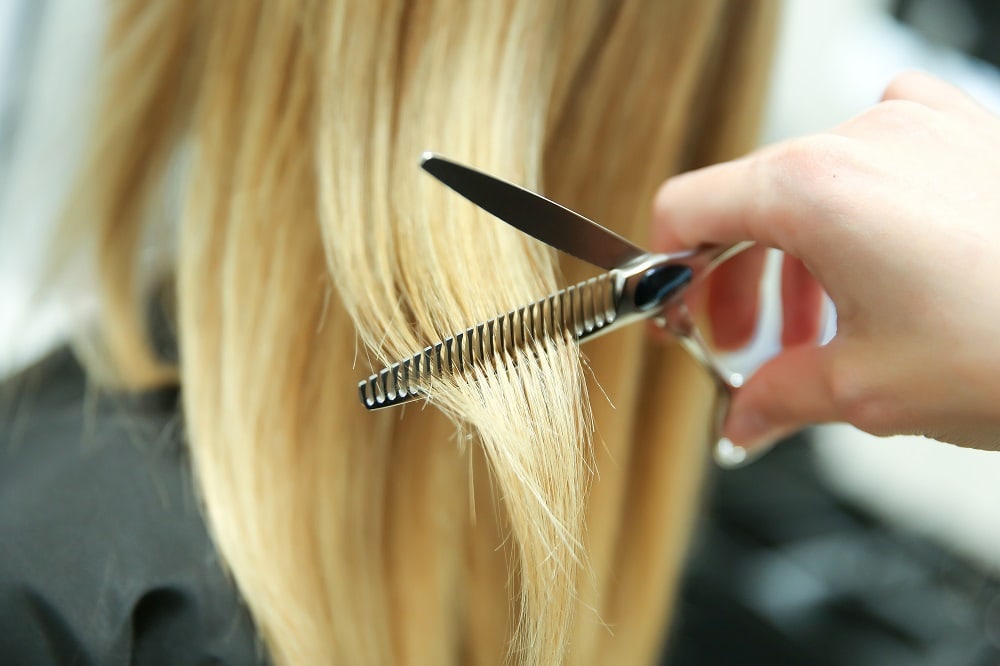
Thinning shears are used to remove excess bulk and weight from thick hair to give it a more uniform shape and style. They can thin out sections of hair that are too thick, such as around the crown or sides.
Thinning shears can help create a more natural-looking style, blending layers and softening blunt lines. It’s a great tool to thin out your hair.
Incorrect use of thinning shears can remove too much visible density or leave uneven sections that are difficult to style. The removed density needs to grow out; this is different from ongoing hair loss.
Can Thinning Shears Damage Hair?
You can put your hair at risk of damage if you use thinning shears incorrectly. Potential damage to your hair can include the following:
- Split ends
- Over-thinned or uneven sections
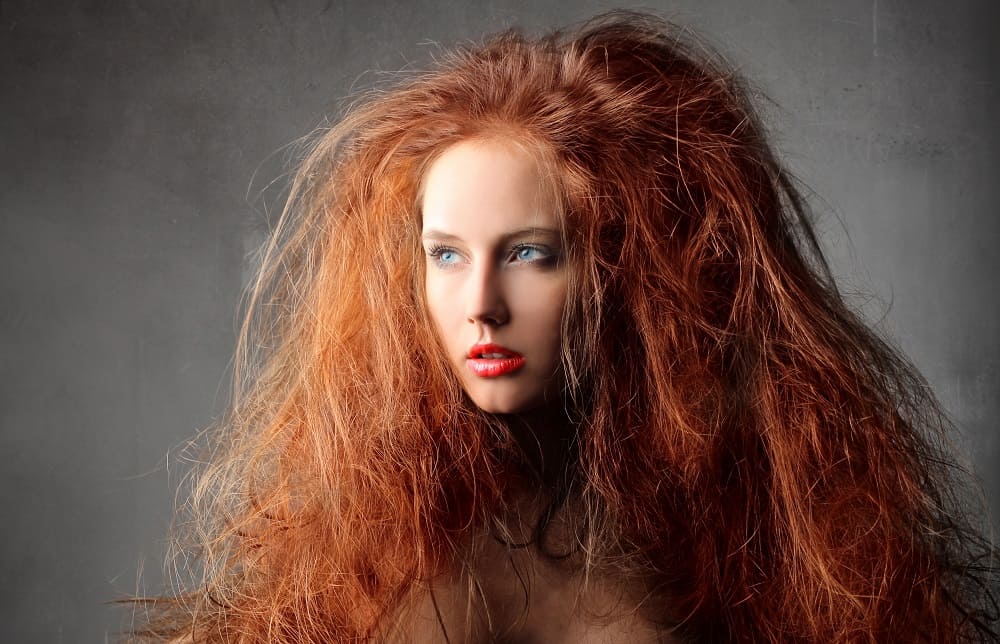
- Frizziness
- Thick and heavy top layers
These issues can occur if you apply too much pressure when using the thinning shears. Besides, pulling the shears too close to the scalp can cause breakage of your hair strands.
Overusing the shears can also create an uneven or choppy look. For instance, if you use thinning shears on already thin hair, it can make your hair look even thinner and wispier.
What Should I Do If Thinning Shears Ruined My Haircut?
If the use of thinning shears has resulted in uneven layers in your hairstyle, you may have to choose a thin hairstyle that works with your now-thinner hair.
Get professional help to balance out the heavy top layers. Proper layering can help redistribute the volume and give a more cohesive look to your hairstyle.
You can also try some styling techniques and thickening or volumizing products to manage the thickness. For instance, using a round brush while blow-drying can help lift the roots and distribute volume more evenly.
Volumizing products can help if the lower layers of your hair are thinner. Conversely, to reduce volume at the top, use smoothing serums or straightening products.
If the only solution is to let your hair grow out, be patient. Trim the ends about a quarter of an inch every 8-10 weeks. As your hair grows from the root, the disproportion in thickness should gradually become less noticeable.
How to Recover Your Hair from Thinning Shear Damage
A corrective cut or styling can improve the appearance of over-thinned hair while the removed density grows out. These options do not establish or treat the cause of unexplained, ongoing hair loss.
The recovery process should begin by evaluating the damage to plan proper treatment. Here is a detailed breakdown of how to recover your hair:
Assess The Damage
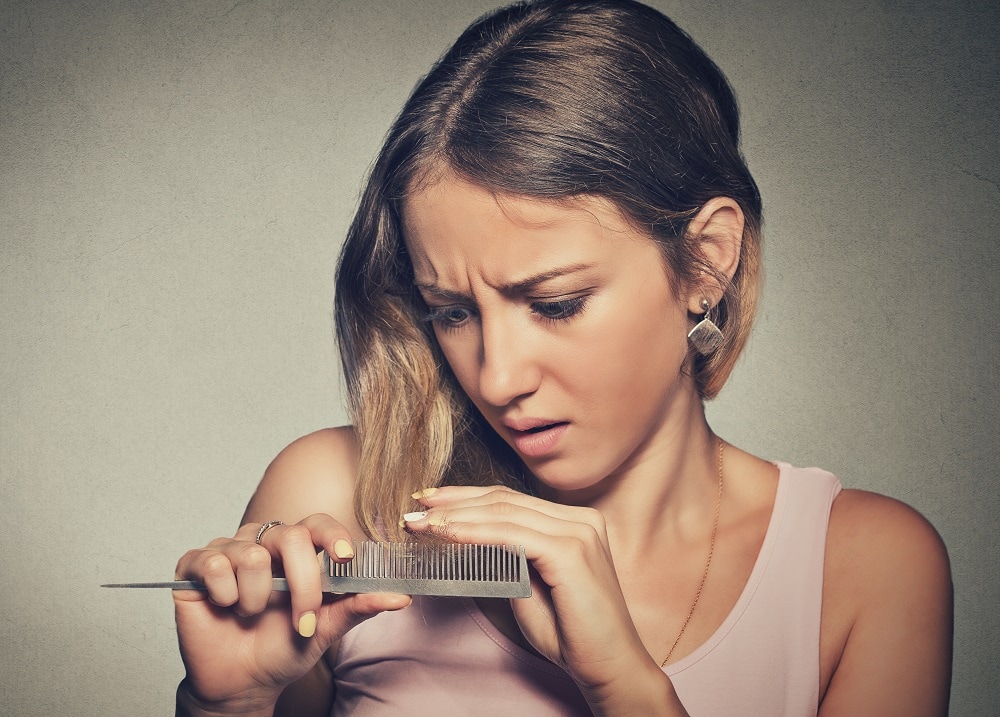
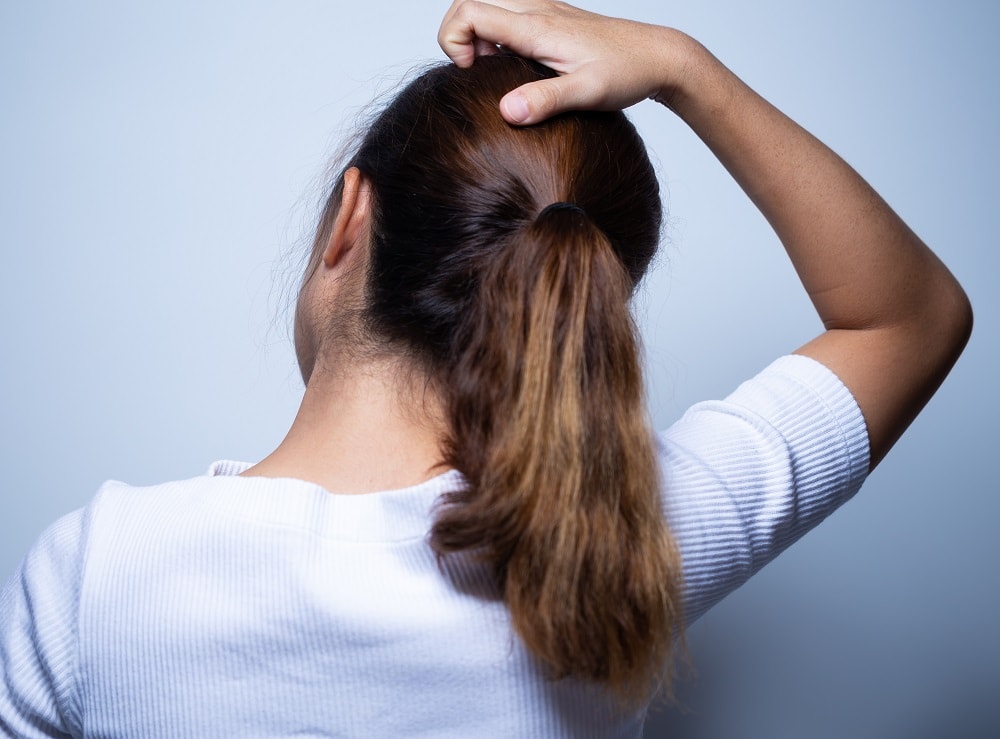
It’s important to examine the extent of the damage to your hair before starting the recovery process. Take a look at every part of your hair, especially the ends and other highly impacted areas, to identify which parts need extra attention.
Once you know the damage extent, you can determine if you need professional hair assistance. Circumstances when you may need to consult a hair professional include the following:
- Severe thinning
- Split ends
- Hair-shaft breakage or excessive removal of density
- Areas that look sparse after the cut
An experienced hairdresser can assess an uneven cut or breakage and suggest a corrective cut or a gradual grow-out plan. Styling and conditioning cannot replace removed density. Unexplained or continuing hair loss is a separate assessment issue; a haircut or styling treatment does not establish or treat its cause.
At-Home Hair Repair Techniques
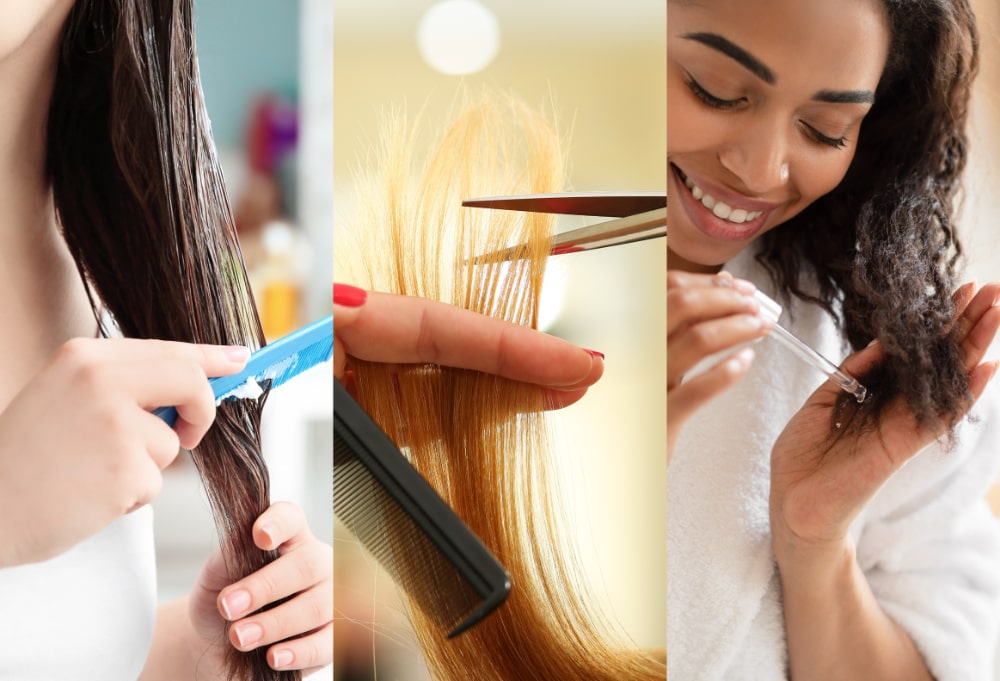
These at-home care techniques can help hair feel softer and make an uneven cut easier to style. They cannot replace the density removed by shears or treat unexplained hair loss.
Deep-conditioning Treatments
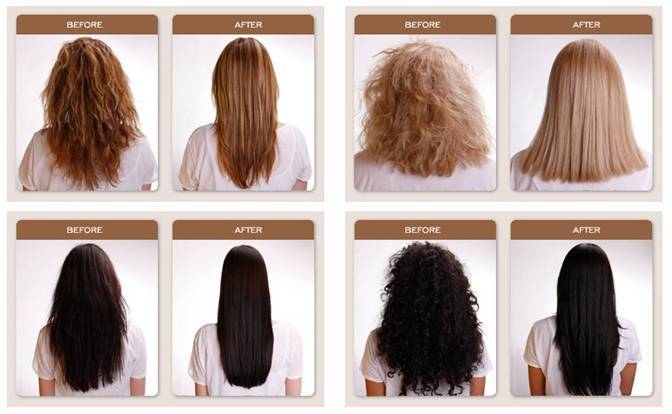
Deep-conditioning treatments can help smooth over the damage from shears and make hair softer, smoother, and more manageable. They will not make your hair thicker again, though; they help you control the damage until you can get it trimmed.
Trimming Off Damaged Ends
You can get rid of split and dry ends by trimming them off. Do it carefully and take only what you need: cutting extra will not damage the hair, but it will leave you with a shorter look than you wanted.
You can use good-quality scissors and trim off a little bit of hair at a time. Be keen on the details, and take your time with the process.
Protecting Hair with Heat-free Styling Methods
To avoid further damage, opt for heat-free styling methods. The procedure includes braiding, pinning up, and using hair ties.
When drying your hair, resist the urge to brush it. Wet hair is fragile, so rough brushing can cause split ends and breakage; if you need to detangle, work through it gently with a wide-tooth comb instead.
Use a Moisturizing Serum
For extra protection, you can use a moisturizing serum to add shine and hydrate your hair. Use it before styling, applying it from the tips up to the mid-lengths and keeping it away from the roots.
Restoring your hair at home can mean regular haircare and styling routines, using hair products such as masks and serums, or opting for heat-free styling methods. Over time, your hair should look and feel healthier.
However, if the damage is severe or you don’t see any improvements, it is highly recommended to seek professional help.
Professional Help For Damaged Hair
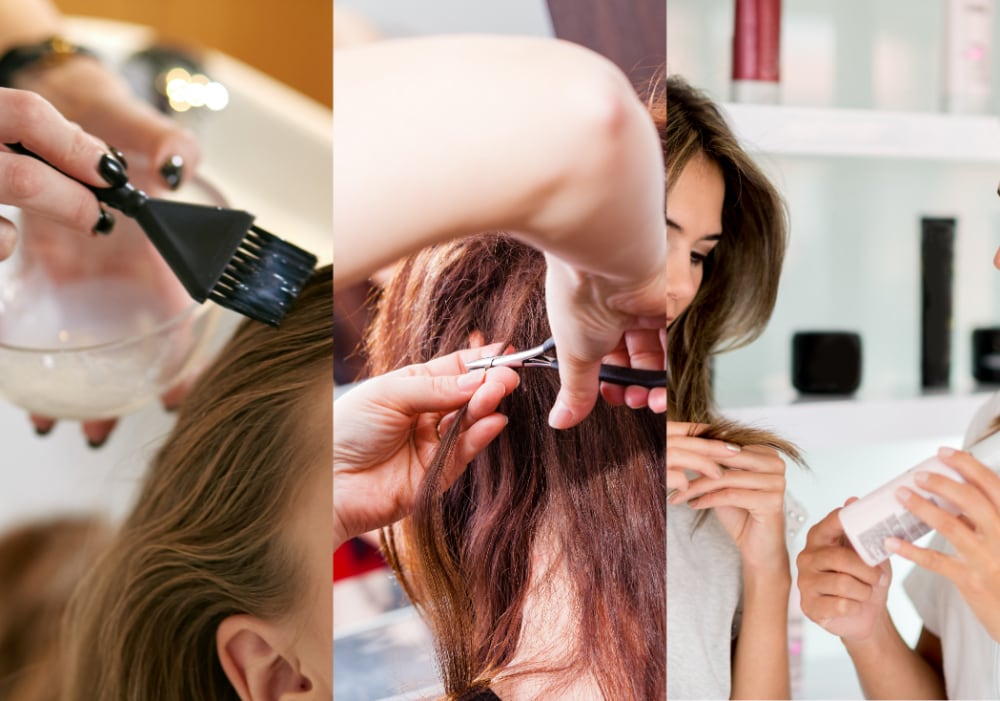
An experienced hairstylist can provide you with the best advice and treatments tailored specifically to your hair.
They can also help you identify the best products for your scalp and strands and guide you in taking care of them between visits.
Professional restoration of damaged hair after using thinning shears includes:
Salon Treatments For Damaged Hair
Salon conditioning treatments may make hair feel smoother and more manageable, but they cannot replace the density removed by thinning shears. Broken lengths may need trimming, and unexplained or continuing hair loss requires separate assessment.
A hairdresser can opt for a treatment method such as a protein or moisture mask to help the hair regain strength and shine. They can also use a special formula for deep conditioning and restoring your hair’s structure.
Hair Extensions For Added Volume and Length
Extensions may camouflage some breakage or add the appearance of volume and length. Severe damage or weak, thinning front hair does not automatically provide a suitable base for them.
Senior stylist Emma Baxendale of The White Room in Guernsey, who also holds training in weft and tape-in extensions, rates this fix for one damage pattern in particular: “This is a great idea for someone who has broken sides at the front of their hair. This is very common and doesn’t need a lot of hair to fill in the gap. Perfect for people that have weak or thinning hair at the front.”
Suitability still requires assessment of the remaining hair, scalp condition, attachment, weight and removal. No installation guarantees protection. Unexplained or continuing hair loss should be assessed separately; extensions camouflage an area rather than establish or treat the cause.
A suitably trained stylist should assess whether the remaining hair can support the proposed attachment and weight, and discuss maintenance and removal. Matching the texture alone does not establish that an extension is suitable for fragile hair.
How To Prevent Thinning Shears From Damaging Hair?
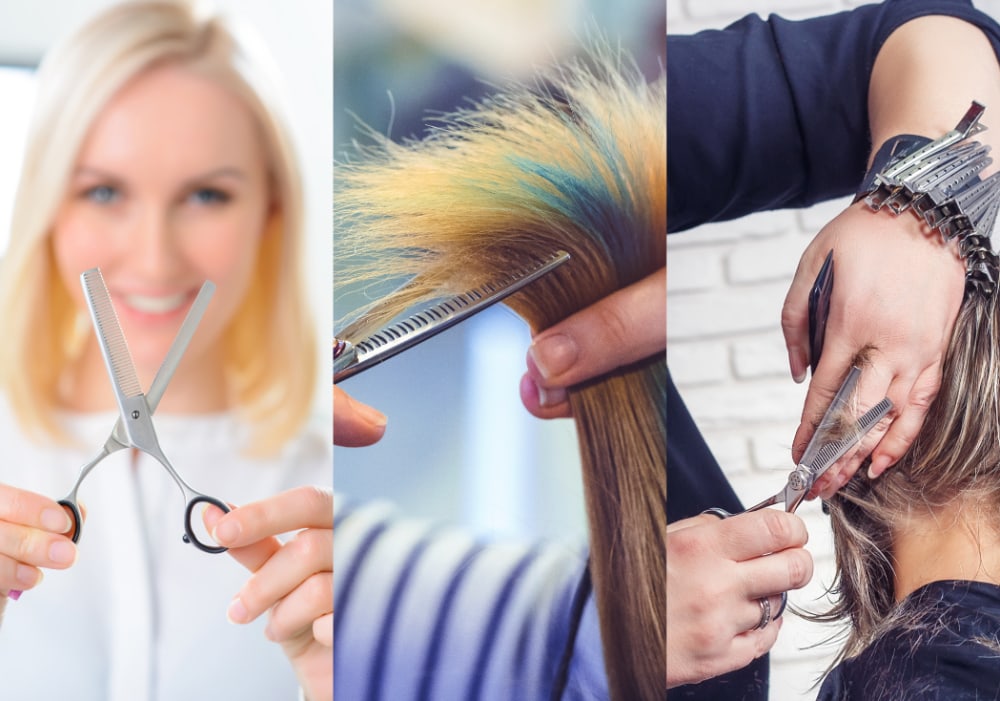
You can take some precautionary measures to prevent further damage when using thinning shears. The prevention measures include the following:
- Invest in high-quality products to ensure the blades are sharp, comfortable, and well-maintained. High-quality thinning shears are essential for reducing hair damage.
- When cutting your hair with thinning shears, cut in the right places. Avoid going over the same spot too often, which can lead to breakage.
- Know your hair type and consult a professional to determine the right thinning shears. For example, you may need thinner blades if you have fine hair.
- Ensure not to cut too much. Cut small sections and leave the hair slightly longer than you would like. If you are using thinning shears for any of this, work on dry hair only; shears should never be used on wet hair.
- Sharpen the shears to keep them in good condition for a clean, smooth cut. Make sure to oil and clean the scissors regularly.