

The tool your stylist uses can change the whole feel of your haircut. A bob, shag, pixie, or layered cut can look softer, sharper, lighter, or more polished depending on whether it is cut with a razor or scissors.
Scissor cuts are the standard choice for clean ends, blunt lines, and controlled layers. Razor cuts, on the other hand, are often used to remove bulk, soften the edges, and give the hair a more textured, lived-in finish.
We’re breaking down how razor cuts and scissor cuts are different, along with some hairstyle inspirations to make things easier for you!
As a Sassoon-trained cutter, senior stylist Emma Baxendale reaches for each tool with a different intent:

Scissors will always be my go-to tool to create sharp and strong lines, such as with blunt bobs, for cleanness and accuracy; most cuts work perfectly fine with scissors.
A razor works well when I want very soft ends, that more lived-in feel for someone who doesn't want blunt lengths. Razors also work well for removing weight and adding texture on someone with a lot of hair, which would otherwise take a long time with scissors.
Razor Cutting vs. Scissors Cutting: The Key Differences
Deciding between a razor cut and a scissors cut depends on your preferred haircut and hair type. You need to understand how each method affects your hair’s texture, style, and maintenance before choosing your tools.
If you’re in a hurry, below is the razor-cut vs. scissors-cut comparison table to help you take a quick look.
| Topic | Razor Cut | Scissors Cut |
|---|---|---|
| Tools Used | Straight-edge or feather razors. | Multiple types of scissors. |
| Result | Soft, textured edges with a feathered appearance. | Clean, neat, and defined edges. |
| Hair Type Suitability | Ideal for thick hair to remove bulk, and fine hair to add texture. Not recommended for textured or coarse hair. | Suitable for various hair types including straight, wavy, curly, and coiled. |
| Skill Required | Requires a high level of skill and precision for flawless results. | Allows for more control, making it easier to achieve precision cuts. |
| Maintenance | May result in unwanted choppiness without regular maintenance. | Long-lasting style with minimal day-to-day maintenance. |
| Popular Hairstyles | Razor fade cut, razor cut shag, feathered razor cut, pixie razor cut. | Blunt haircut, butterfly haircut. |
| Pros | – Effortless texture and softness – Adds volume and bounce – Root lift for thin or fine hair | – More control and definition – Suitable for various hair types – Long-lasting style |
| Cons | – Not suitable for coarse or frizzy hair – Requires mastery | – Potential for bluntness or weight – Slower to texturize than a razor |
Razor Cut
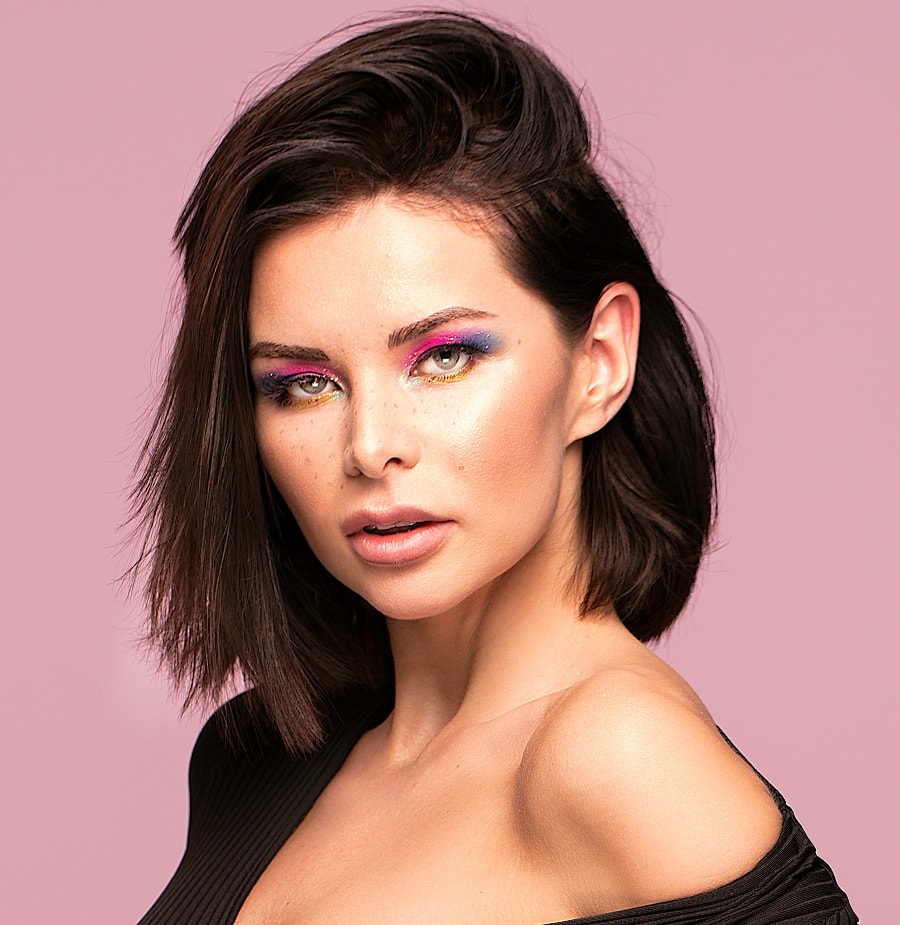
Razors aren’t only good for shaving; they’re wonderful for sculpting hair too. During a razor haircut, the stylist uses the razor to glide through sections of the hair and create varying lengths and angles.
Cutting hair with a razor can produce numerous looks, from subtle textures to dramatic layers. It’s great for short and tousled hair, like razor bobs and pixie cuts, but it also works well for longer locks.
Not every texture loves the blade, though. Senior stylist Emma Baxendale of The White Room salon in Guernsey often flips the tools for exactly that reason: “When the hair has a texture that is likely to get frizzy or fluffy using a razor, I can create a similar effect using my scissors, angling them down the hair to give that razored effect with more control.”
Just a heads up: If you’re new to getting a razor cut, the first moments might surprise you. You might hear a distinct scraping sound when the stylist uses the razor to trim your ends. That sound is the blade slicing the hair at an angle. The angled cut exposes more of the inner cortex of each strand, which is where the extra texture comes from, but it can also leave long or fragile hair more prone to split ends, frizz, and dryness.
Types of Razor
Hairstylists use two types of razors: straight-edge and feather razors.
A straight-edge razor features a naked blade that folds neatly into its handle. It offers precise control but requires a steady hand and much getting used to.
Fortunately, its wedge shape can guide the stylist to an efficient cutting angle.
Meanwhile, a feather razor has a safety guard between the stylist and the blade. This feature helps them make quick snips without accidentally taking off too much hair.
Safety Note: Whether using a straight-edge or a feather razor, your stylist must use a brand-new, sterile blade for your haircut. Reusing razor blades poses a severe health risk, including the transmission of bloodborne pathogens if the scalp or skin is accidentally nicked.
Pros of a Razor Haircut
Should you get a razor cut? These reasons might convince you:
Effortless Texture and Softness: A razor haircut produces softer, more textured edges. This process thins out the hair for a feathered appearance and a sense of movement. It is perfect for someone wanting to remove weight or add texture without committing to heavy layering.
Volume and Bounce: Razor haircuts reduce excess weight that can make your hair look flat or lackluster. With soft, feathery edges, these styles can give your hair a lifted or voluminous look.
Ideal for Thin or Fine Hair: How a razor cut removes bulk and weight can give your hair more lift and volume at the root. This effect is especially noticeable if you have fine hair that easily falls flat. Part of that lift comes from the razor slightly roughing up the cuticle as it cuts.
Cons of a Razor Cut
Before you go all in with a razor haircut, here are a few things to keep in mind:
Not Recommended for Textured or Coarse Hair: We don’t recommend razor cuts for coarse, frizzy hair. Razor cutting slices the hair at a deep angle, tapering the end of the strand. For curly or coarse hair, this harsh taper exposes the hair’s inner cortex to humidity, completely disrupting the natural curl pattern and creating massive, uncontrollable frizz.
Requires Skill: Executing a flawless razor haircut requires skill and precision, and not every hairstylist is adept at this technique. If not done right, you might end up with uneven layers or unwanted choppiness that’s anything but edgy. A badly angled razor can also take a visible chunk out of the hair, and it happens very quickly.
Razor Cut Ideas
Razor cuts offer chic and contemporary options for different hair lengths and patterns. Consider these looks for your next salon visit:
1. Layered Razor Cut

Layered razor cuts work well for a range of hair types, from short to long and straight to wavy. The technique is fantastic for adding volume to thin hair and enhancing the texture of thicker hair.
It’s perfect for when you want to maintain length while enjoying the benefits of layers.
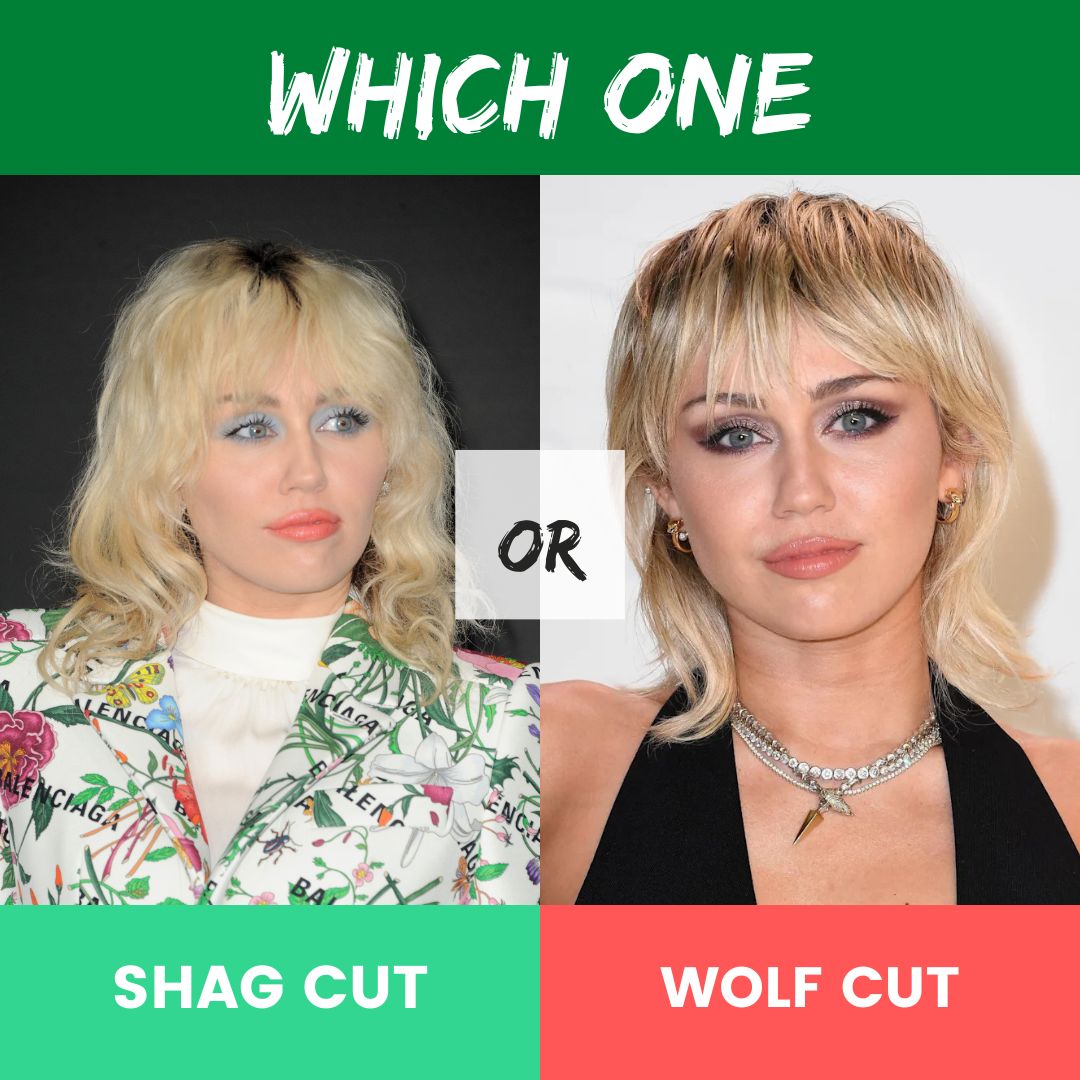
2. Razored Shag

The shag is equal parts chic and rebellious and gives a nod to the 70s. It’s a heavily layered cut, often with face-framing bangs to enhance different face shapes.
The style has seen fresh updates over the years, from mullet shags to wolf cuts. You can even give it your own stamp. Short shag, curtain bangs, choppy layers. Simply tell the stylist what you have in mind when you’re in the chair.
3. Feathered Cut

This style has softly layered, feather-like strands, curved bangs and ends that flip outward around the ears and nape.
The outward flicks give the outline movement.
Scissors Cut

When it comes to hair styling, the classic scissors cut is a staple choice that has stood the test of time.
During a scissors cut, the hairstylist carefully trims the strands with scissors to create the desired length, shape, and style.
Types of Scissors
There are different types of hairdressing scissors each designed for the specific task. These are some common haircutting scissors and their use:
- Short-Blade Scissors: Ideal for detailed styles and great for people with small hands.
- Long-Blade Scissors: Preferred by barbers for over-the-comb techniques and blunt cuts.
- Thinning Shears: Used to reduce bulk and weight in thick hair, providing a softer look.
- Texturizing Scissors: Designed to add volume and texture to hairstyles.
- Wide-Tooth Chunking Shears: Used for removing large sections of hair quickly.
- Swivel Shears: Designed for comfort during prolonged use, reducing fatigue and cramping.
Using the right type of scissors is crucial for achieving the desired hairstyle and texture while also considering the comfort of the stylist. Specialty shears deserve the same respect as razors: thinning shears in particular must be worked swiftly and decisively, or they will simply cut chunks out of the hair.
Pros of a Scissors Cut
Here are a few upsides that make a scissors cut worth a shot:
More Control and Definition: The scissors cut allows hairstylists to exert precise control over the shape and length of your hair. Whether you’re after a clean bob or flowing layers, the scissors cut can bring your vision to life.
Suitable for Various Hair Types: It suits various hair types, from straight and wavy to curly and coiled. Regardless of your natural texture, a skilled stylist can manipulate the scissors cut to bring out the best in your hair.
Long-lasting Style With Minimal Upkeep: Once shaped with precision, a scissors cut maintains its structure for longer. This makes the scissors cut appealing for those seeking a lasting look with minimal day-to-day maintenance.
Cons of a Scissors Cut
Now, let’s talk about the downsides of a scissors cut:
Potential Bluntness or Weight: While the scissors cut delivers clean lines, it might fall short in texture. Without careful technique, the ends can also look weighted, lacking the dynamic movement that razoring can achieve.
Slower Texturizing Process: While shears can achieve massive texture and deep layering through techniques like point-cutting and slide-cutting, it is often a more time-consuming process compared to the swift, sweeping strokes of a razor.
Scissors Cut Ideas
Here are some scissors-cut hairstyle inspirations to take to your stylist:
1. Scissors Fade
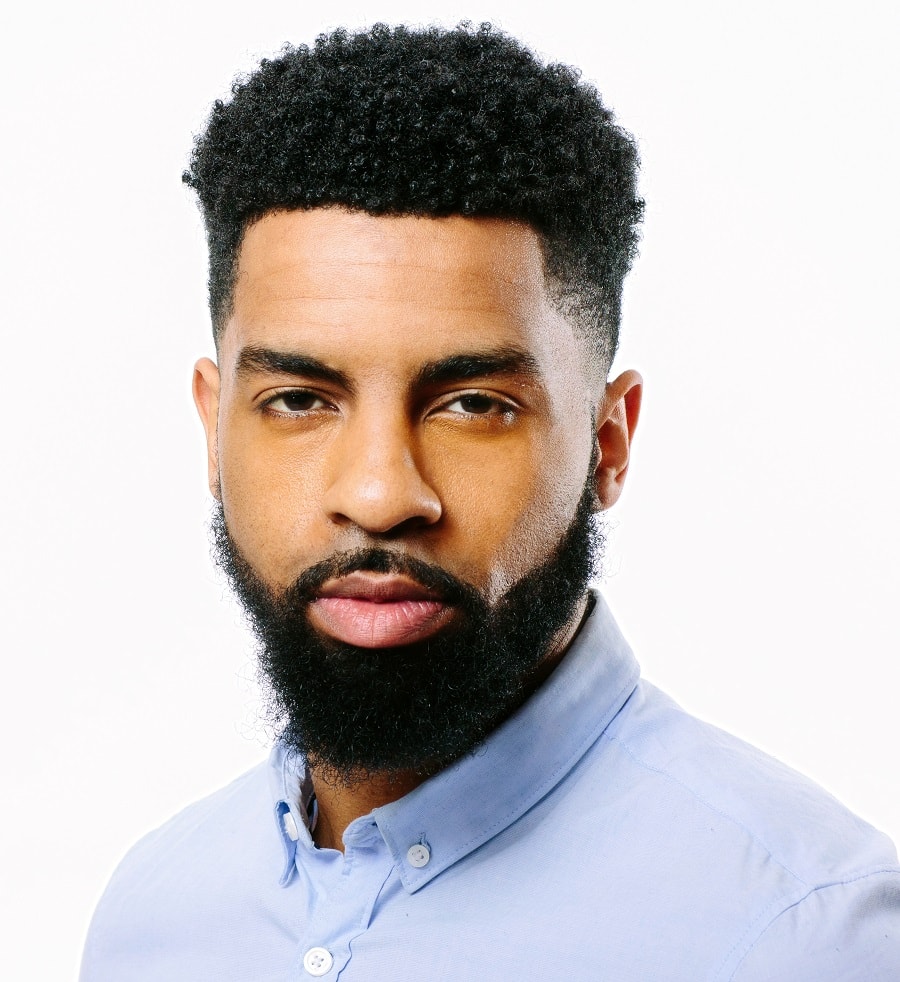
The scissors fade for men is a modern twist on the classic scissors cut. It involves creating a seamless transition between shorter sides and back, gradually blending into longer lengths on top.
This style proves it is possible to get fade hairstyles with scissors that are as cool as razor fade hairstyles.
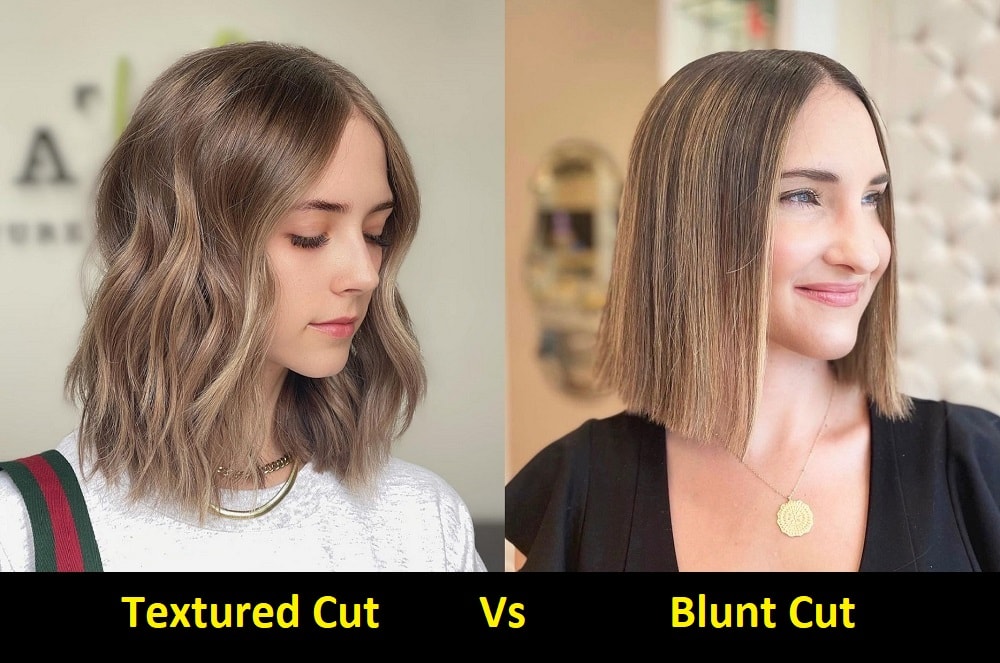
2. Blunt Cut
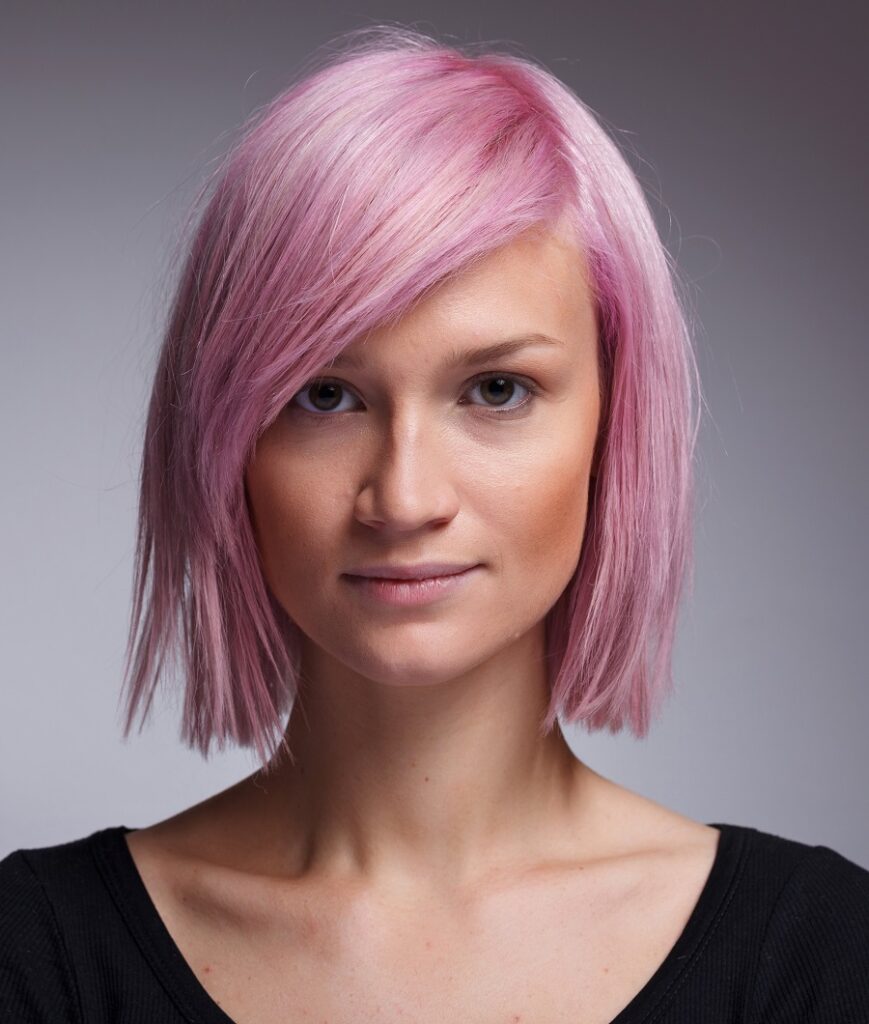
The blunt haircut means business. With razor-sharp lines achieved through shears, the look is clean, strong, and precise. The best part? You don’t need to give up your length for a blunt cut.
While we often see the style on bobs or lobs, you can rock the look even if your hair is longer.
3. Butterfly Haircut
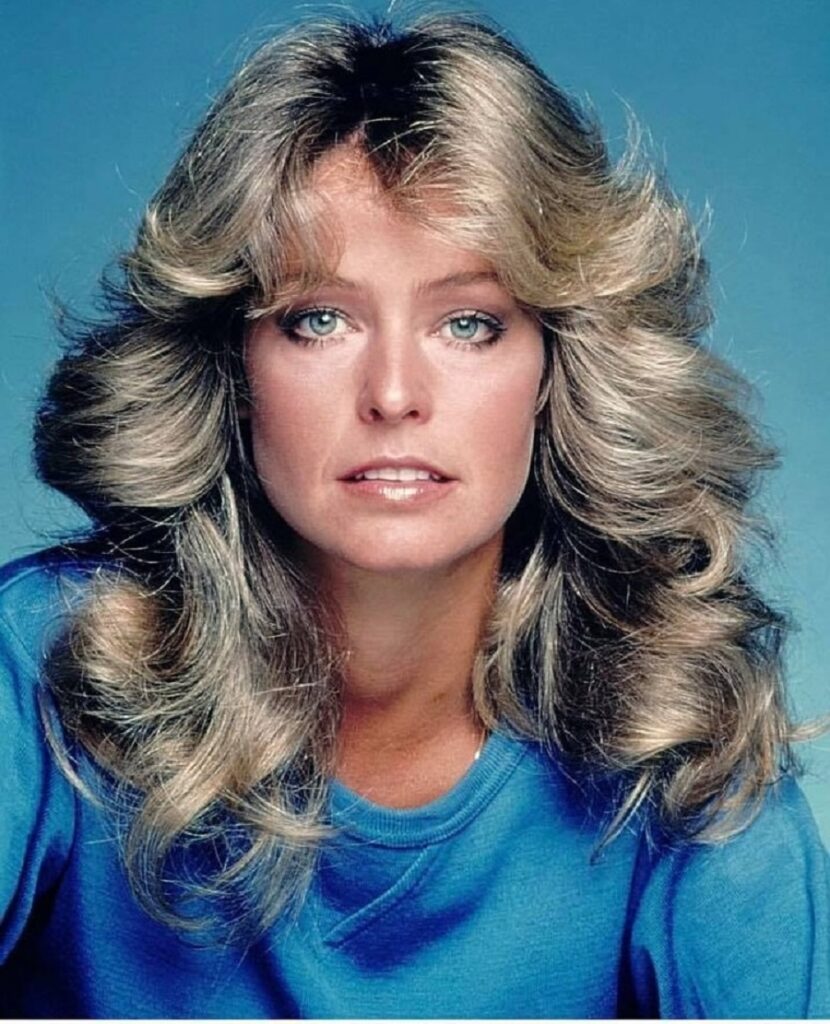
This hairstyle has lots of soft layers that flutter away from the face, like butterfly wings. It’s a modern take on Farrah Fawcett’s feathered ‘do in the 70s and the 90s blowout.
The short, top layers skim the cheeks and chin, while the longer layers fall below the shoulders.
So, Razor Cut or Scissors Cut: Which One Is Better for You?
From all the details and descriptions of each method, certain things have become clear. Both razor and scissors cuts have their unique benefits and potential downsides. Here are some tips to decide which is better for you:
Hair Type
If your hair is thick or straight, a razor cut could be a better choice for you. It’s awesome at removing bulk and adding some cool texture, and it can add lift for fine hair that falls flat.
But if you’ve got curly or frizzy hair, maybe stick to a scissors cut. It helps keep everything in check and reduces the wild frizz.
Length
For short hairstyles, razored haircuts are pretty popular. The textures and layers add a real kick to shorter locks. They provide an edgy and messy look.
If you want to maintain long, strong layers or clean, blunt ends, a scissors cut is the classic choice.
Maintenance
Consider how much time you’re willing to invest in maintenance.
Razor cuts are super cool, and despite their edgy look they should not need any more maintenance than a standard cut: the softened edges and layers tend to grow out nicely. If you love changing things up, this one’s for you.
Emma pushes back on the maintenance framing altogether: “I think the way to choose between the two is more based on what style you want and what texture and type of hair you have. Both razor and scissor cuts should be the same level of maintenance.”
In the end, choosing between a razor cut or a scissors cut depends on what you like, your hair type, and how much time you want to spend taking care of it. So, choose your haircutting method accordingly.