
When you book a haircut, “barber” and “hairstylist” are not interchangeable. Both cut hair, but they train under different licenses and tend to specialize in different techniques.
The simplest way to choose is to match the pro to the tools your haircut needs. If your look is mostly clippers or is a traditional men’s scissor cut, book a barber. If your look is mostly long layers or chemical work, book a hairstylist.
What Does a Barber Specialize In? (Fades, Tapers, & Shaves)

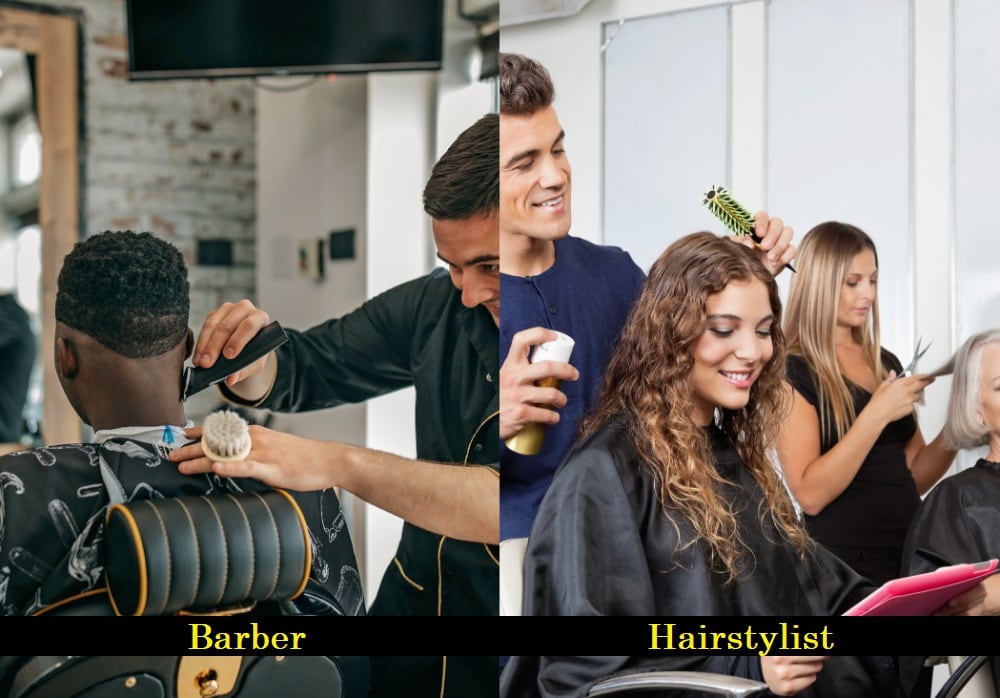
Barbers specialize in short-hair architecture. Think skin fades, tapers, clipper-over-comb work, crisp lineups, and detailed beard shaping.
Many barbers also train for classic shaving services. In many states, the hot-towel straight razor shave is treated as a barbering service, which is one of the biggest legal differences between the two licenses.
Service time depends on the menu. A simple cleanup (such as trimming the neck and around the ears between full haircuts) can be quick, while a full skin fade plus beard detailing or a luxury shave can take much longer.
What Does a Hairstylist Specialize In? (Shears, Color, & Chemistry)

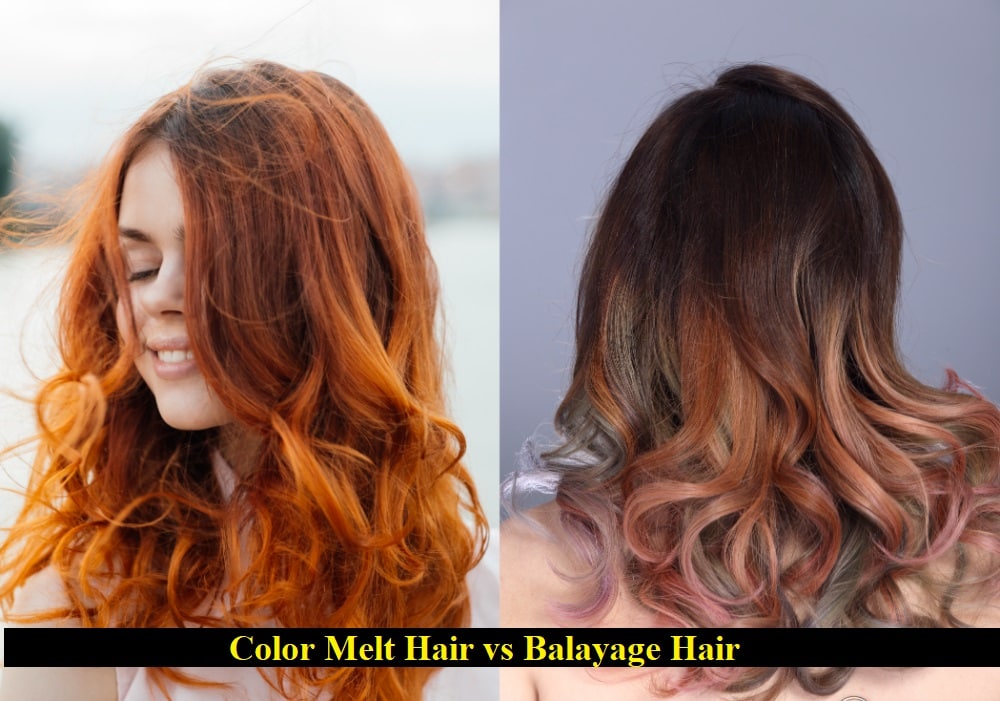
Hairstylists (cosmetologists) specialize in shear work and longer shapes, like long layers, shags, bobs, and precision bangs. They also tend to own the “chemistry” side of hair: bleach, color formulation, balayage, perms, and other chemical services.
Some stylists offer beard trimming with clippers or shears, depending on local rules and training. Traditional straight razor shaving is commonly restricted by state scope rules (one reason many clients book barbers for shaves).
Quick Comparison: Barber vs. Hairstylist
| Category | Barber | Hairstylist (Cosmetology) |
|---|---|---|
| Education & License | Barber school or approved apprenticeship (varies by state) + barber state board exam | Cosmetology school + cosmetology state board exam |
| Signature Techniques | Skin fades, tapers, lineups, clipper-over-comb, beard shaping | Shear cutting, long layers, blowouts, styling, color placement |
| Tools | Clippers, trimmers, shears, straight razor (where permitted), shaving products | Shears, thinning shears, blow dryer, brushes, foils, color bowls/chemicals, razor tools for cutting |
| Common Services | Short cuts, fades, tapers, beard trims, lineups, shaves (state-dependent) | Cuts on all lengths, blowouts, color/bleach, balayage, perms, treatments |
| Pay (National Median) | ~$38,960 (median, tips included) | ~$35,250 (median, tips included) |
| Typical Appointment Feel | Fast-paced, detail-focused, frequent maintenance visits | Longer services, more consult time for shape and chemical goals |
The Core Differences: Licensing, Tools, and Techniques
iStock.com/supersizer
The Straight Razor Law (Licensing)
This is the clearest legal divider in real life. In many states, the straight razor shave is treated as a barbering service, and cosmetology rules restrict unguarded blades on skin.
If a hot-towel straight razor shave is on your checklist, start by booking a licensed barber (and confirm local scope rules in your state).
Clippers vs. Shears (Tools & Cutting Style)
Barbers are experts in the clipper world, but also rely heavily on shear-over-comb techniques. They build shape with clippers, guards, shears, and tight finishing work around the hairline.
Hairstylists live in the shear world. They shape longer hair with sectioning, elevation (lifting the hair to create layers), point cutting (snipping into the ends for texture), and finishing techniques like blowouts and round-brushing.
Chemical Services (Color, Bleach, Texture)
If your appointment includes bleach, highlights, balayage, toners, perms, or other chemical services, you usually want a cosmetology-trained hairstylist. Their training is built around hair chemistry and longer-form services.
Income & Environment (Pay, Tips, and Business Model)
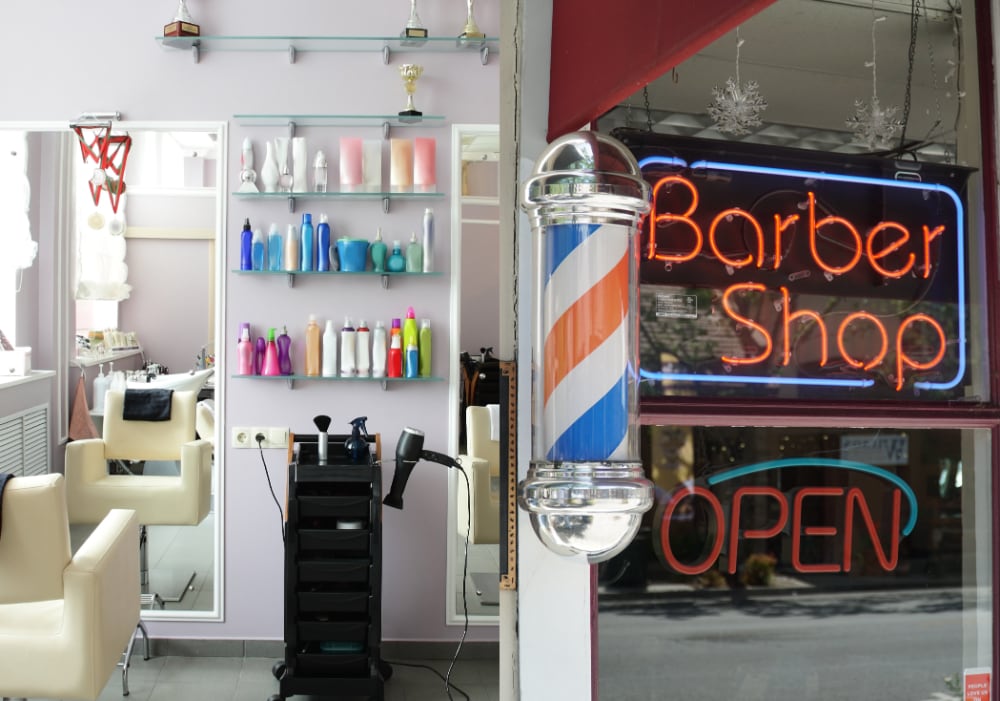
National wage medians are similar, and BLS counts tips in those figures, so real differences come down to clientele, commission structure, and whether the pro is an employee or independent. You can check national median pay for both barbers and hairstylists/cosmetologists at Bureau of Labor Statistics: Barbers, Hairstylists, and Cosmetologists.
Barbershops often run fast and appointment-based maintenance is common. Salons often run longer services, especially for color and treatments.
The Gender Myth: How to Choose the Right Pro for Your Hair
Choose based on the haircut, not your gender. Barbers and hairstylists serve everyone.
Rule of thumb: If it needs mostly clippers or is a traditional men’s scissor cut (skin fades, buzz cuts, sharp lineups, beard work), book a barber. If it requires long layers, shags, blowouts, or chemical services for more than half the work (balayage, perms), book a hairstylist.
Bring reference photos, describe your daily routine, and say what you want maintained between visits. That single conversation matters more than the label on the door.