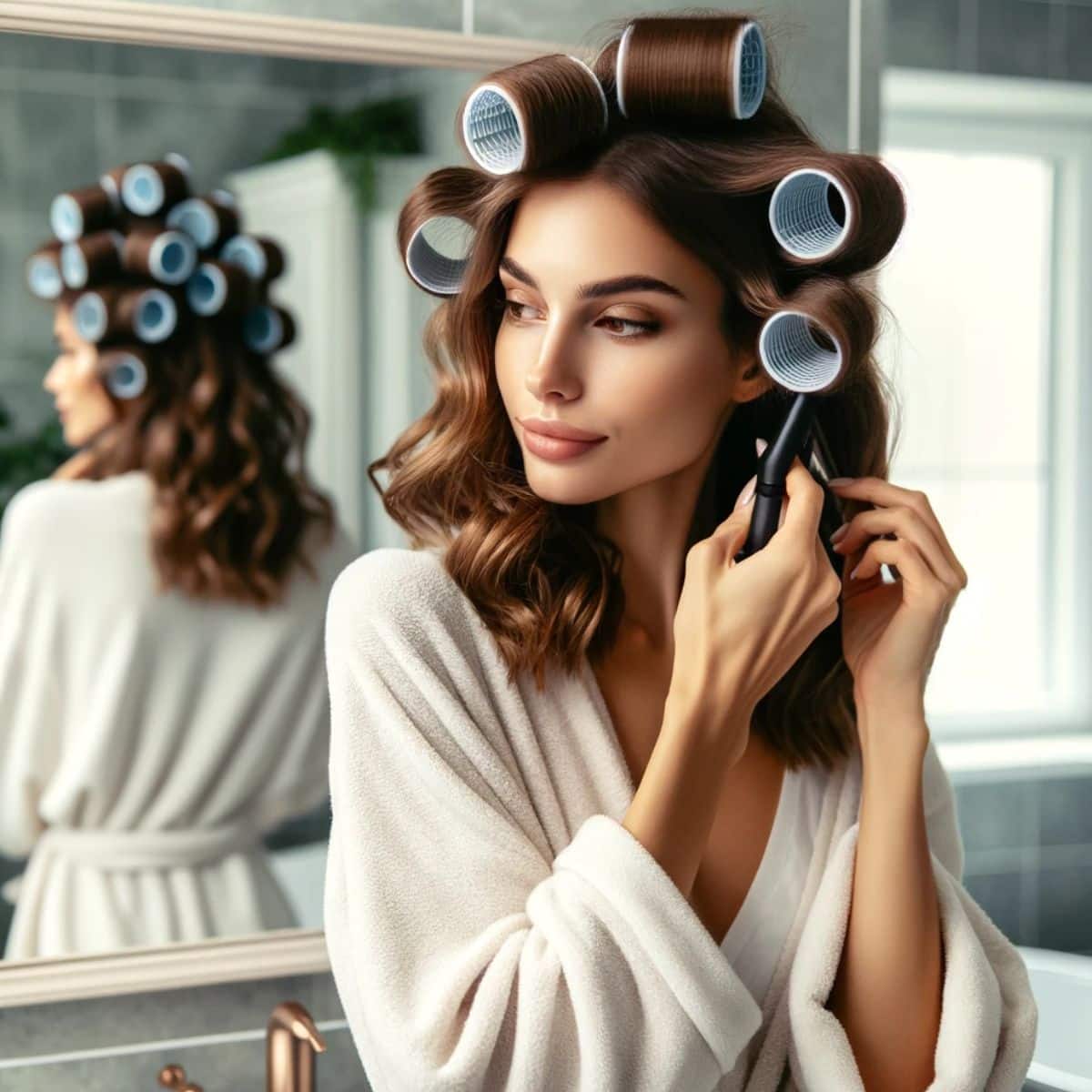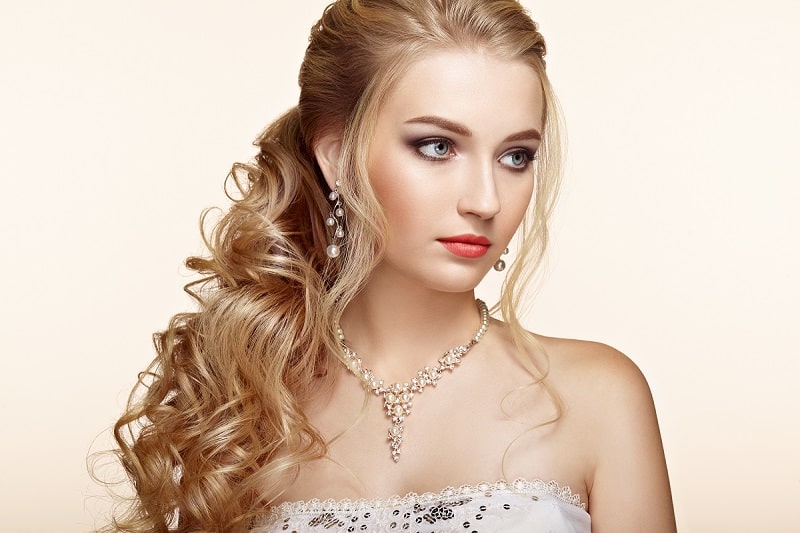


Many curly-haired women go on a similar journey in their lifetime: When I was a child, I had wildly thick and curly hair. It was so hard to tame! As I reached adolescence, I began straightening my hair to fit in. Eventually, my hair began to lose its curl shape, it became lifeless and thinned out, but I was in denial.
Reaching my 20s, I realized that all of my curl was gone and frizz was in its place. Sound familiar? If your hair is naturally curly but won’t curl anymore, here’s what you can do.
First distinguish a temporary styling change from damage or permanent chemical alteration. Keratin smoothing can gradually fade, while relaxers permanently alter treated hair. Damaged or permanently altered lengths may need to grow out or be trimmed.
The quick version: assess the cause of the texture change, choose suitable care and trim damaged lengths as needed. Below are ways to care for curls and improve their appearance; hair care cannot guarantee reversal of permanent chemical alteration or damage.
Certified trichologist Celestine Muthoni Gitau sees this exact complaint in the chair:

When a client says their curls simply stopped curling, one of the elements I look for on the strand is structural damage. The scalp also could be telling a story if there is inflammation. Mostly the real story ends up being a hair handling problem. Too much heat and overprocessing are the main culprits.
Why Your Curls May Lose Their Shape

It’s crucial to realize the reasons why your hair may have lost its curl because some reasons are more detrimental than others. Women can lose their curls due to hormonal shifts, which can happen with puberty or pregnancy. Even some medications can change the curl pattern we had in childhood.
For most women, curl loss occurs due to over-straightening, far too much heat at too high of temperatures, and chemical damage.
For hair, our follicles determine our hair’s structure. While our DNA sets our baseline follicle shape, major hormonal shifts, aging, or certain medications can actually alter how the follicle behaves over time. However, we can cause plenty of damage by manipulating our strands that sprout from the follicle.
Luckily, there are many hair repair methods that can help support the appearance of healthy, bouncy curls like the ones you had as a little girl.
How to Care for Hair After a Change in Curl Pattern
Hair care can improve feel and styling, but it does not reverse permanently altered lengths. Consider styles without heating the hair and have a professional assess whether any further service, including options to color your curly hair, is appropriate for its condition.
1. Use Clarifying Shampoo

Oftentimes, all of the products we use to style our hair can cause a hefty amount of buildup on the scalp and hair shaft. Regular shampoo isn’t enough. Your curls may lack their usual bounce because of that product buildup.
The best way to combat this is with a clarifying shampoo or a properly diluted apple cider vinegar rinse (1 part ACV to 4 parts water) for a budget-friendly, plastic-free route. Limit your use of clarifying shampoos to once every two weeks to avoid over-stripping.
While we’re at it, avoid over-shampooing your hair as well. Naturally curly hair of medium thickness needs a wash only 1-2 times a week at most. Letting some of your hair’s natural oils stay put can be the best thing for your curls.
2. Style
The products that you use for your hair may also be the culprit. Anything too heavy will only weigh down curls. A lightweight mousse should become your new best friend for encouraging a springy curl pattern.
3. Twist
Curl each curl around your finger as you apply product onto your wet hair. This method may take a decent amount of time, but it’s an excellent way to encourage your curl pattern to form again. We love this method because it’s totally heat-free. Be gentle and avoid too much manipulation of the hair.
4. Don’t Brush Your Hair

Dry brushing will only flatten your curls. Instead, use a wide-tooth comb or a flexible detangling brush when applying conditioner in the shower and use only your fingers to gently separate curls once it’s damp. Don’t be afraid of the scrunch using your hands, either.
5. Deep Condition
Deep conditioning may improve the feel and manageability of dry hair and help with frizz. It does not guarantee restoration of a curl pattern lost through permanent chemical alteration or damage.
Pro-Tip: If your hair is especially damaged, look for affordable deep conditioning masks formulated with hydrolyzed protein or keratin. If your protein treatment leaves your hair feeling stiff, follow the manufacturer’s directions, which may recommend following up with a separate moisturizing mask instead of your daily conditioner. Protein can cause hair to feel brittle, so maintaining the balance between the two is key.
6. Get a Trim

A trim removes damaged lengths and can change how the remaining curls sit. It does not reverse alteration in the hair left behind; new natural growth and trimming determine how much treated hair remains.
7. Get a Short Haircut
Longer hair is heavier and weighs hair down. Remember, your cut dictates how your hair behaves. Incorporate layers to encourage movement, bounce, and volume. It can be helpful to start fresh if your hair is especially damaged.
8. Steer Clear of Chemicals
Chemical relaxers permanently alter the treated hair’s structure, so the original curl pattern cannot be restored in those lengths. Keratin smoothing treatments may gradually fade, but damaged or permanently altered hair may need to grow out or be trimmed off. Further processing should be assessed according to the exact treatment and the hair’s condition.
9. Avoid Heat
Avoid unnecessary heat exposure while damaged hair grows out, and follow the styling tool’s instructions if heat is used. A fixed monthly heat schedule does not guarantee restoration of the original curl pattern; damaged or permanently altered lengths may need trimming or grow-out.
If you fry out your hair with no heat protectant, you’re going to lose your curls and it may be too tough to get them back. So, when you absolutely must heat style your hair, be sure to use an adequate protectant.
10. Be Patient
Returning to your natural curl pattern is a process and hardly an overnight fix. It can take months for the damage to grow out and habits to change. Patience is key when starting this journey.
Ask your hairstylist about the cause of the texture change and suitable care. Improved moisture and reduced heat may help the hair’s feel, but the original curl pattern is not guaranteed to return in damaged or permanently altered lengths.