
If your recent keratin treatment left your natural curls completely flat, limp, or permanently relaxed, don’t panic. While keratin is designed to smooth frizz and add shine, high heat and strong chemical formulas can sometimes over-process curly hair, erasing your natural texture.
Keratin smoothing treatments can gradually fade, allowing the natural texture to become more apparent. This is different from reversing permanently altered or damaged lengths. Chemical relaxers permanently alter treated hair, and damaged or permanently altered hair may need to grow out or be trimmed off.
A treatment’s smoothing effect fading is different from reversing an altered or damaged hair shaft. Ask the treating stylist about the exact product and hair condition before trying to speed up fading. Original curls are not guaranteed to return in permanently altered or damaged lengths.
Types of Keratin Treatments

Different hair straightening methods alter hair in different ways. A smoothing effect may gradually fade, while chemical relaxers permanently alter the treated hair’s structure. Damaged or permanently altered lengths may need to grow out or be trimmed off.
Keratin Smoothing (also known as Keratin Express or Soft Keratin treatment)
Keratin smoothing is usually much quicker than a full blowout and is used when you want to keep your curls intact.
Applied for only a short processing time, you’ve probably done this to get frizz-free and shiny hair without completely losing your curls.
Keratin Straightening (Brazilian blowout)
A Brazilian Blowout is a semi-permanent smoothing treatment that typically lasts up to about 10–12 weeks with proper aftercare. Permanent straightening treatments can last until the hair grows out.
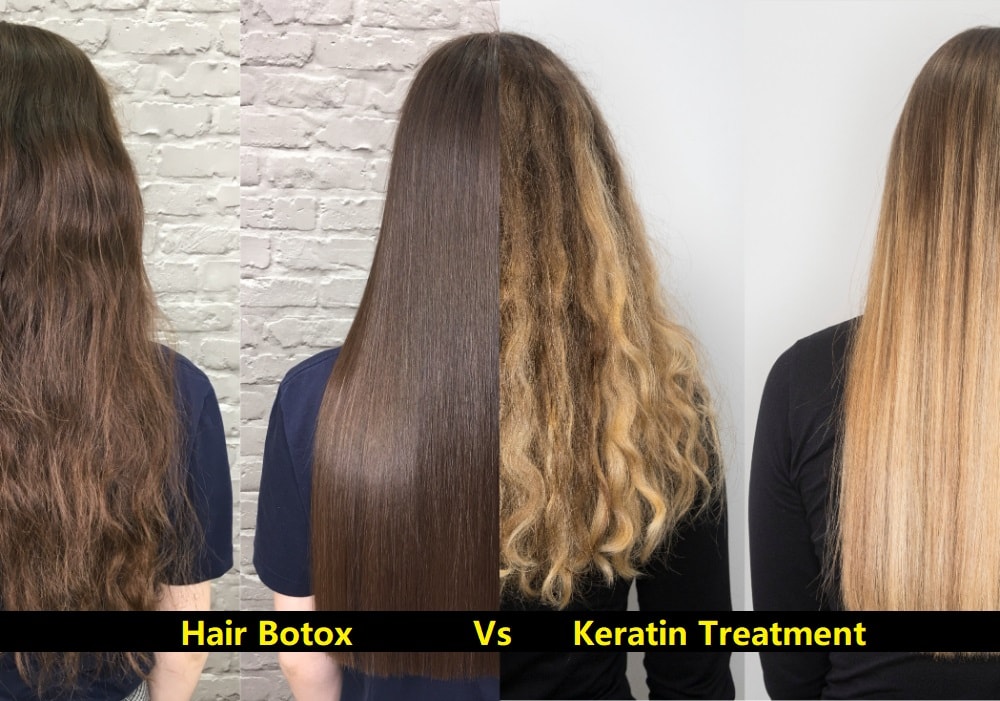
It’s usually an hour-long process where the Brazilian blowout treatment is blow-dried into your hair and then run over with a flat iron. Keratin treatments and Brazilian blowouts are smoothing treatments that reduce frizz and loosen curl patterns, but they rarely make hair pin-straight like a permanent chemical relaxer or Japanese straightening would.
Curls After Keratin Straightening: What to Expect

A Brazilian smoothing treatment may leave fine or loose curls looking much straighter. As the smoothing effect gradually fades, natural texture may become more apparent. This is not a guarantee that an altered or damaged curl pattern can be restored.
If you regret a recent smoothing treatment, ask the treating stylist to assess the exact product, the service and your hair’s condition. Washing is not a guaranteed way to undo structural alteration or damage.
Washing your hair immediately with a clarifying shampoo can disrupt the setting process and reduce the treatment’s longevity, but it likely won’t remove the chemical bonds entirely once they are heat-sealed.
If you are unhappy with a keratin treatment, ask the treating stylist about the exact product and your hair’s condition. Its smoothing effect may gradually fade, but washing more often does not guarantee restoration of the original curl pattern.
Even though this won’t remove the treatment once it’s heat-sealed, more frequent washing can help it fade faster.
To help it along, you can break a few hair care rules. Use a strong clarifying shampoo. Clarifying shampoos lift the cuticle and strip surface coatings without abrasive scrubbing.
Do not wash your hair more than twice a week with clarifying shampoo. This kind of harsh washing can strip essential moisture, and it can also fade any hair color or toner you have applied.
As anyone with curly hair knows, excessive washing with strong clarifying shampoos will strip your hair of its natural lipids. Immediately deep condition your hair after a clarifying wash to avoid hair breakage.
Use a protein-free moisturizing deep conditioner. Your hair is already overloaded with protein from the keratin treatment. Adding more protein via a mask can cause your hair to become stiff, brittle, and highly prone to snapping.
Curls After Keratin Smoothing: Fading and Grow-Out
Keratin smoothing enhances curly hair by removing frizz, increasing shine, and maintaining curl shape. However, it’s possible that the amount of Keratin or the treatment time was incorrect for your desired look.
If you wanted to keep your curls tight, leaving the treatment in for too long can relax the curls or even alter the texture of your hair.
Step 1: Wash Your Hair
Different smoothing products have different effects and aftercare directions. Gradual fading is not a guaranteed reversal, and damaged or permanently altered lengths may need to grow out or be trimmed.
You can follow the steps above, including clarifying washes and deep conditioning. If you’re very unhappy with your appearance, you can increase washing frequency with normal shampoo and conditioner.
The treatment’s ingredients and your hair’s condition affect what happens next. Gradual fading has no universal timetable, and damaged or permanently altered lengths may need to grow out or be trimmed.
Step 2: Styling While Re-Growing Your Natural Hair

As your hair grows, the natural curls and texture will return. This process is known as “transitioning.” You will have a line of demarcation where your natural texture meets the treated hair, and it can be a weak point.
If you want to keep it looking good during this awkward phase, apply a water-based leave-in conditioner first for hydration, then seal it with argan oil. If using hyaluronic acid, always apply it to damp hair.
Schedule regular trims (every 6–8 weeks) to gradually cut off the chemically treated ends and prevent split ends from traveling up your new growth. Some people prefer a “big chop” to remove most of the treated hair at once, while others do long-term transitioning with trims.
Deep condition once a week. To blend your growing roots with the treated ends, try textured styles like braid-outs, twist-outs, or rod sets. Avoid simple air-drying, as this highlights the difference between your two textures.
Because some amount of the keratin treatment will remain in your hair no matter what you do, you want to avoid doing too much of anything else to your hair.
Things To Avoid
You shouldn’t use anything more than a leave-in conditioner or styling cream. Avoid using flat irons or high heat, as heat can re-bond the keratin to the hair shaft and prolong the smoothing effect.
Avoid any additional chemical treatments, heat damage, or excessive styling like extensions, which will stress your hair more. While “stressing” your hair may not affect the keratin, it can increase the chance for breakage. If you see your hair breaking and drying, you’re likely to over-correct with new treatments.
Glyoxylic acid itself deserves a caution. France’s health and safety agency ANSES has linked these products to cases of acute kidney injury and now advises against using them. Check the ingredient list before you book, and if you feel nauseated or develop back or stomach pain within a day or two of a treatment, seek medical care promptly.
Before You Go
When well-applied, a keratin treatment can do wonders to enhance the natural beauty of your curls. But if you find yourself with a bad result or simply missing your natural hair, a keratin treatment is not the end for your curly hair.
A keratin smoothing treatment can gradually fade and reveal more of the natural texture. Chemical relaxers permanently alter treated lengths, and damage can also prevent an original curl pattern from returning. Have a stylist assess the exact treatment and condition before trying to strip it.
Avoid adding another treatment in an attempt to force a reversal. Original curls are not guaranteed to return on a fixed schedule; damaged or permanently altered lengths may need to grow out or be trimmed.