

Many people with blonde hair see their hair turn brown as they get older, but why does it happen? It can be due to genetics, age, or controllable elements like product buildup or environmental factors.
You can often prevent the change or revert discolored blonde hair to its original color. This article explores the causes, prevention, and solutions of blonde hair turning brown.
The culprit is almost never a mystery to senior stylist Emma Baxendale:
The answer to why a client's hair has turned mucky is the same 9 times out of 10: hard water. It has the biggest effect on my clients' hair, because it's not something people are really aware can change their hair.
A clarifying shampoo once a week and a shower filter will make a big difference. If the hair has become too dark and the build-up is too strong, a salon visit for a bleach wash is the best idea to give you a clean blonde once again.
Why Does Blonde Hair Turn Brown?
Here are the top reasons for blonde hair turning brown.
Emma diagnoses it with questions before she even touches the hair: “Have they been in a pool, have they moved house recently, with a change in water, and have they been styling their hair a lot? These questions tell me the most, more than simply looking at the hair. Regardless of what has turned blonde hair brown, the method to remove it will be the same, as long as the hair is still in good condition.”
Hormones and New Growth
Melanin production in the hair follicle can increase or decrease as hormones change during different life stages. These changes affect new hair growth, so your roots may grow in darker while your older blonde lengths stay the same color.
Also, blonde hair has very little eumelanin. But as you age, eumelanin production in the follicle can increase, which can make new growth look darker over time.
Environmental Factors
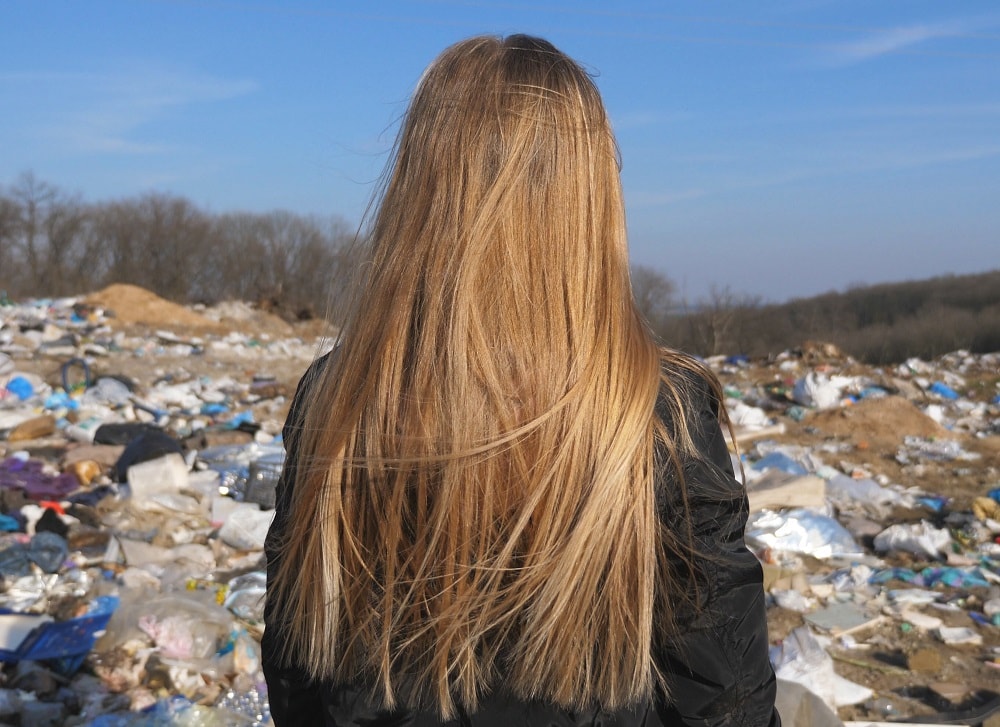
Pollution can make blonde hair look darker by depositing dirt and soot on the surface. UV rays often lighten hair by breaking down melanin (photobleaching), but they also damage the cuticle, making hair more porous. This porosity allows pollutants and minerals to enter more easily, which can make blonde hair look muddy, dull, or darker. Humidity can lift the cuticle and increase frizz, which reduces shine and can make blonde hair appear darker than it is.
Frequent Use of Hard Water
Hard water contains a high level of minerals, which can build up on the hair shaft and make blonde hair look dull, muddy, or darker. Even if your water isn’t hard, metals from older plumbing can get into your water.
The minerals in hard water can cause blonde hair to become dry and brittle, resulting in a dull appearance.
Buildup
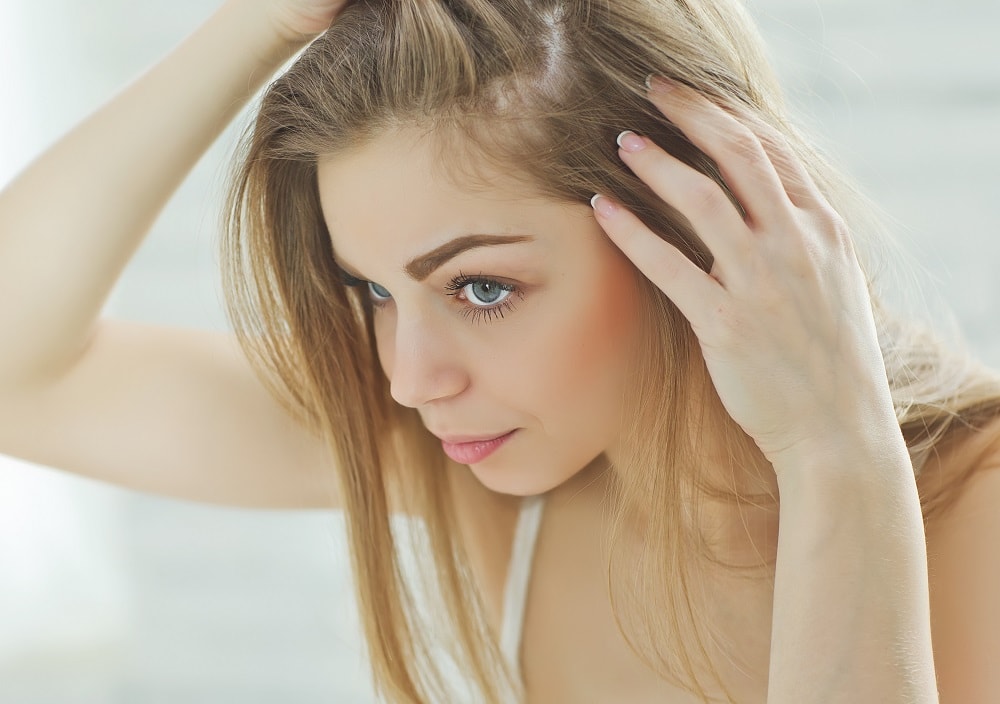
Products like mousse, hair spray, and gel deposit gunk that weighs down your hair. Rust buildup can also shift your hair color, especially if you use well water. Blonde hair absorbs product buildup easily.
Buildup coats the cuticle and reduces shine. As a result, blonde hair can look dull and darker on the surface.
Too Much Heat
Excessive heat from styling tools leads to dryness, breakage, and split ends. The damaged structure makes your hair more prone to discoloration from the elements. Also, when you rinse your hair with hot water, the cuticle opens up and the color fades faster.
Excessive Use of Purple Shampoo
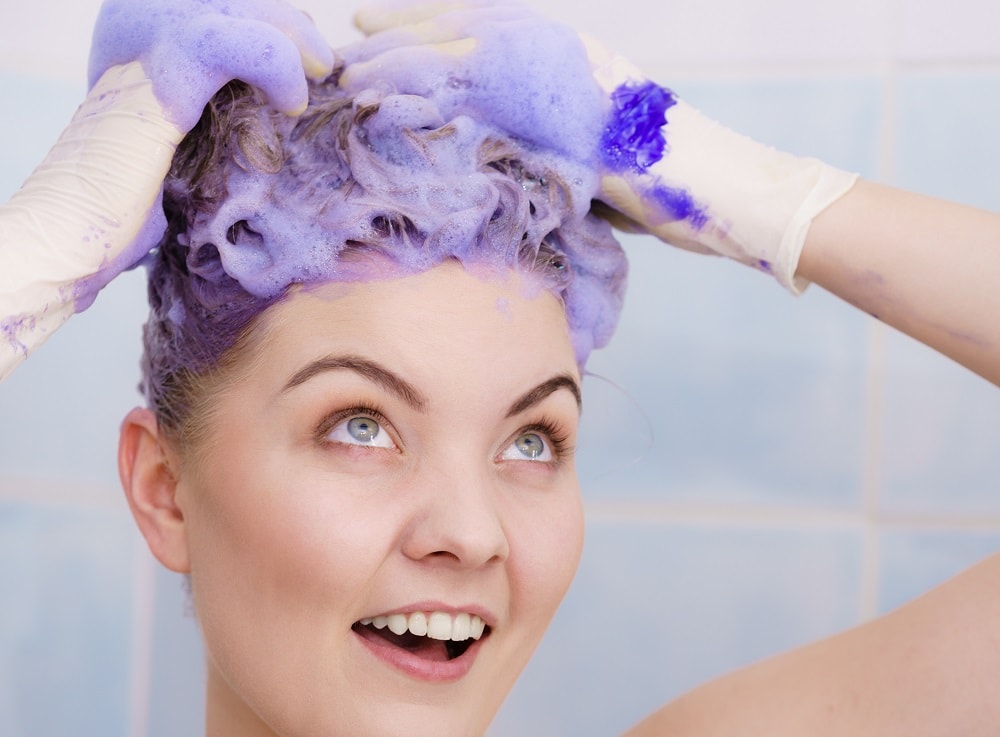
Purple shampoo counteracts the yellow undertones to enhance cool-toned hair color. Nonetheless, too much use of purple shampoo can cause your hair to absorb purple pigment into the cuticle. As a result, your blonde hair can look darker or duller.
What To Do To Prevent Blonde Hair From Turning Brown?
Blonde hair turning darker at the roots due to hormones isn’t something you can prevent. However, for other external factors, use the preventive measures below to maintain your blonde hair.
Avoid Hard Water
Add a water filter to the house if your area has hard water. That way, you keep out the minerals that can dye your blonde hair. If a whole house water system is too expensive, invest in a showerhead filter.
Protect From Chlorine
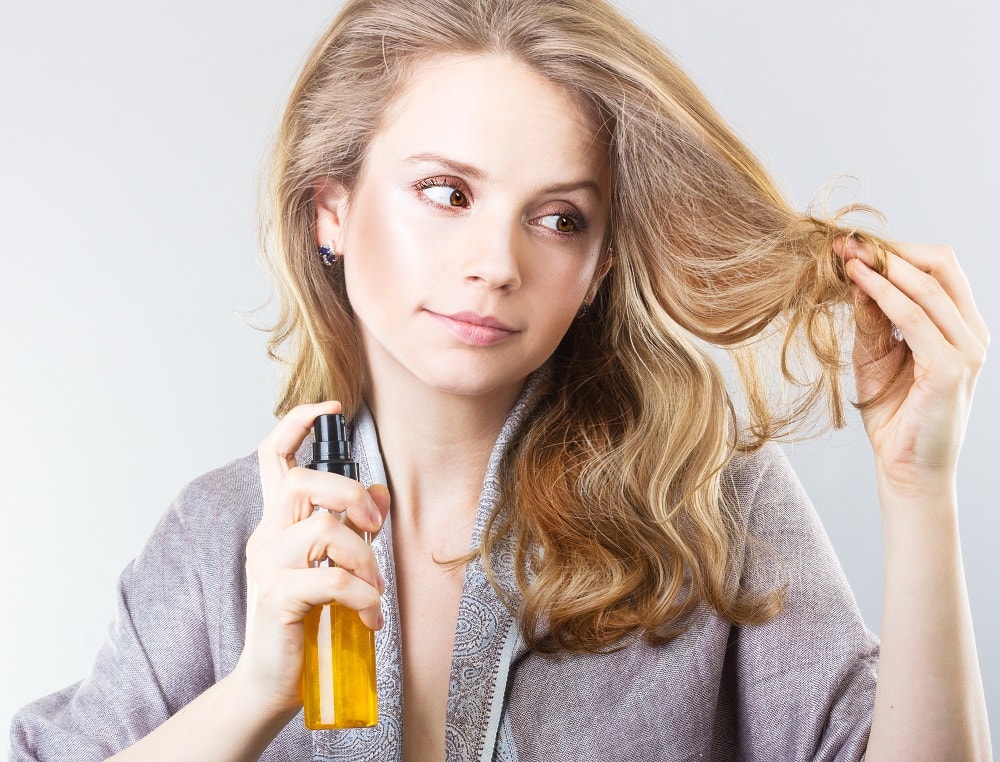
Wear a swim cap before you get into the pool to protect your hair strands against contact with chlorinated water. Always shampoo and condition thoroughly afterward; the longer chlorine sits in your hair, the worse the color can get.
Alternatively, spray your hair with tap or filtered water before entering the pool. The unchlorinated water ensures your hair doesn’t soak up much chlorine from the pool water.
Avoid Hair Buildup
Use vinegar, clarifying, or chelating shampoo to strip the buildup from each hair strand. Try not to lean on this too often, as it is very drying; always follow with a deep conditioner. Clarifying shampoo removes product buildup, while vinegar and chelating shampoo remove metals from your hair.
Chelating shampoos also remove deposits that fade color to prolong the life of your hair color.
Cut Back on the Heat
Use quality heat protectants on your hair before you use heat tools. Then, set the devices to low or medium heat levels to prevent hair damage.
If you must wash your hair with hot water, use a cold water rinse to close the cuticle. That way, you give your hair a glossier look and prevent dullness.
Treat With Leave-In Conditioner
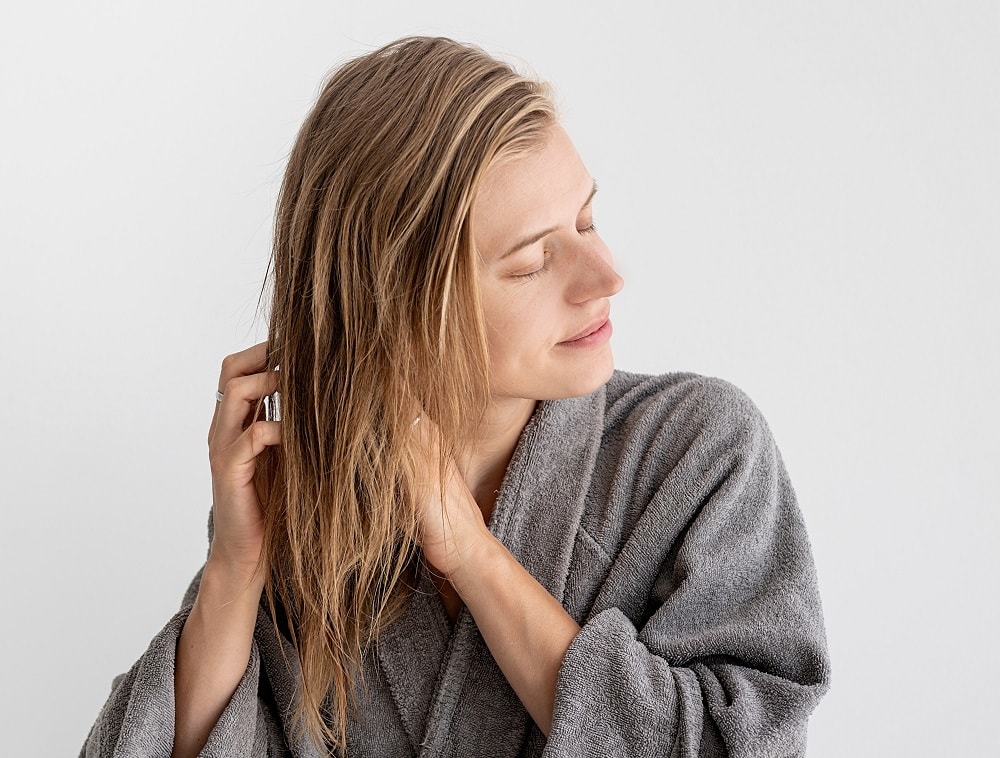
A leave-in conditioner forms a protective barrier around your hair shaft. The layer protects your hair from environmental pollutants that could cause this color change.
For example, leave-in conditioners with heat-protectant ingredients help shield your hair from damage by heat tools.
Avoid Harsh Chemical Treatments
Blonde hair turning brown can result from the frequent use of harsh chemicals. So, use sulfate-free shampoos that reduce brassiness. Also, opt for natural products that are gentle on your hair and scalp.
How to Fix Blonde Hair That Turned Brown
Dmytro Flisak/Shutterstock.com
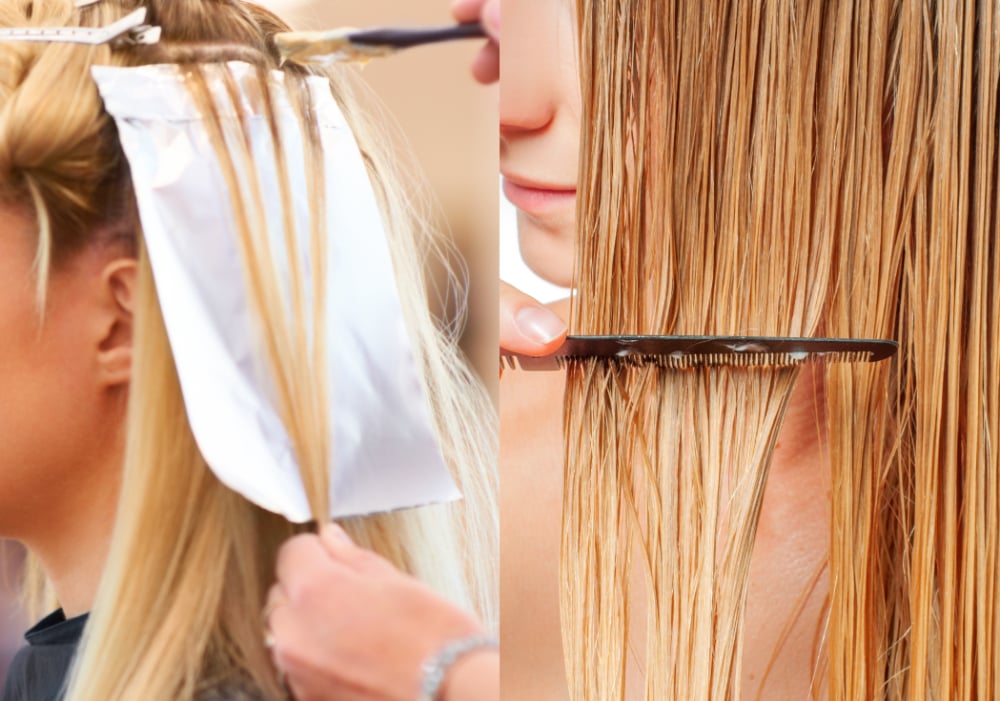
You can embrace healthy hair care or use chemicals or natural means to regain blonde hair.
Safety Notes
- Avoid using lemon juice or hydrogen peroxide in the sun because it can burn skin and damage hair.
- Do a strand test before using clarifying, chelating, or toner treatments.
- Stop and rinse if your scalp stings or burns and use gentle products.
- If the problem is only dark roots, it is new growth. If the lengths look muddy, it is usually buildup or minerals.
- Use chemicals: Add highlights, blonde dyes, or toners to restore your blonde bombshell presence. Bleaches work faster, but hair dyes are better than bleaches if you want to maintain healthy hair.
- Use a chelating or clarifying shampoo: Chelating shampoo helps remove mineral deposits, while clarifying shampoo helps remove product buildup that can make blonde hair look muddy or darker.
- Use blonde hair-specific products: Use shampoos and conditioners designed for blondes to help manage brassiness and reduce dullness. One warning: never use a ‘go blonder’ style shampoo, conditioner, or spray. These often contain peroxide and are very damaging over time. Also, use products with natural ingredients like calendula and chamomile.
- Nourish your hair: Use hydrating masks to replenish hair moisture. Also, use butter and natural oils that protect you from harsh weather and chemicals that discolor your hair.
- Rinse with chamomile tea: Boil five tea bags of chamomile in two cups of water and then let stand for a few minutes. Apply and leave in the mixture after you wash and condition your hair.
Natural methods like chamomile tea aren’t a one-time solution, and they add subtle golden warmth rather than a true lift back to blonde. So, you’ll have to repeat the procedure several times for a gentle brightening effect.
So, Why Is My Blonde Hair Turning Brown?
Your blonde hair turns brown because of the following factors.
- Hormonal changes that can increase eumelanin in new growth (roots)
- Deposit of buildup from minerals, sebum, and hair products
- Cuticle damage plus pollutants or minerals that can stain hair and make blonde lengths look muddy
- Inappropriate practices like the use of excessive temperatures in hair styling tools