

You’ve dyed your hair, and now your roots are too light. Take a few deep breaths. Hot roots happen to the best of us.
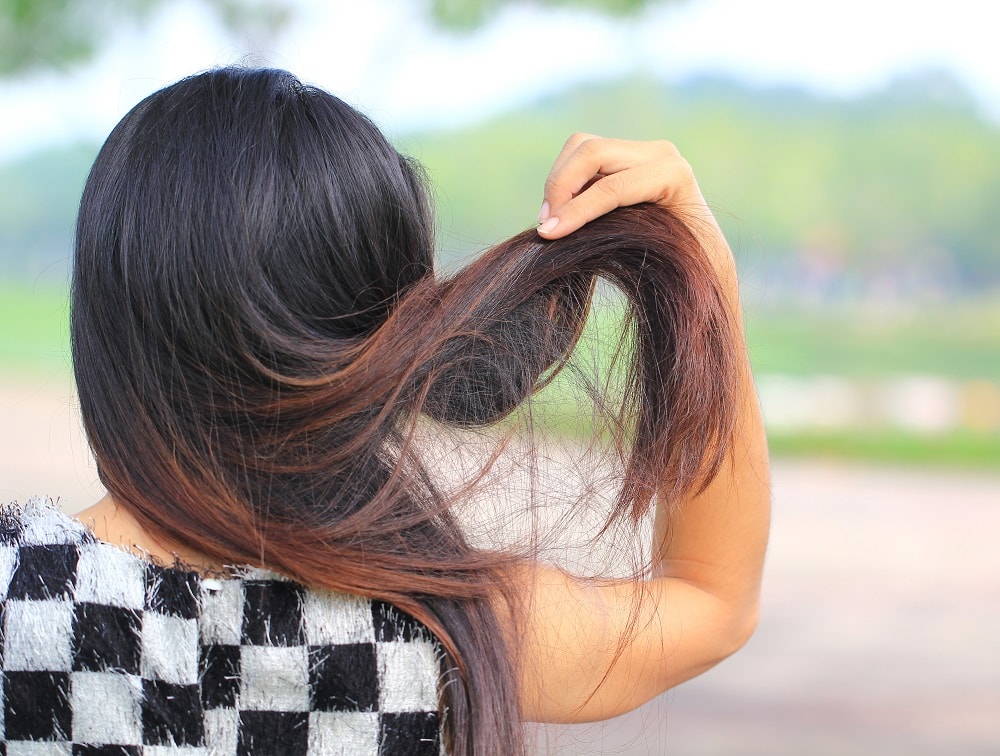
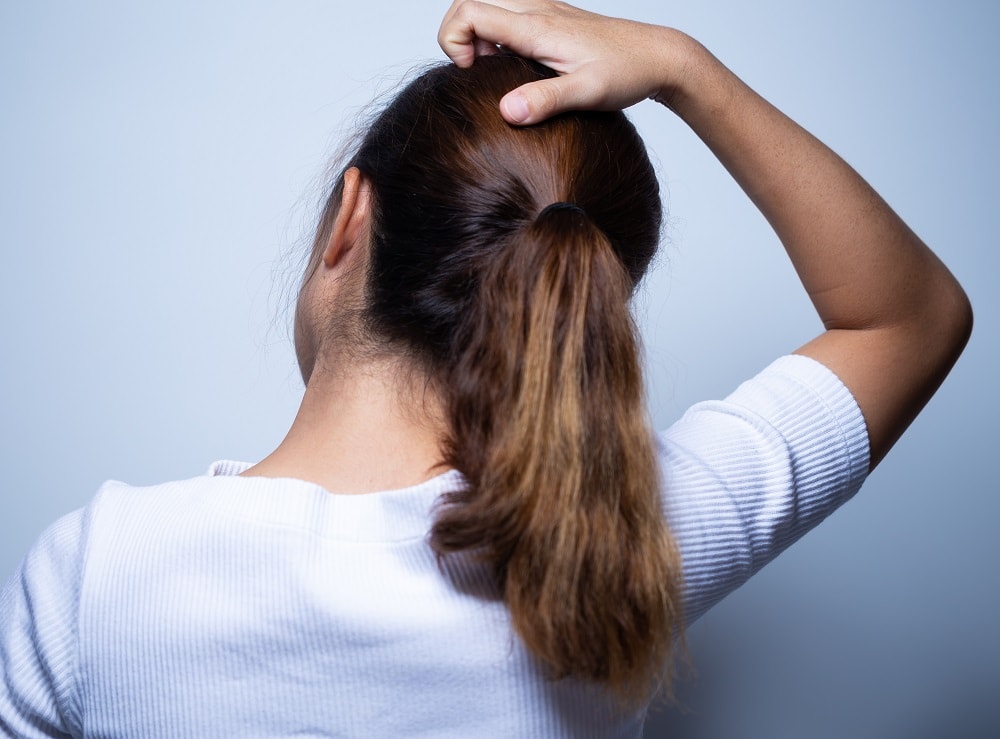
Hot roots is a hair color term. It means the hair at the scalp turns out lighter, brighter, or warmer than the rest.
“I dyed my hair, and my roots are lighter than I wanted.” This is common with at-home color. Here is why it happens, and what to do next.
- If your roots are lighter than your ends, they likely processed faster from scalp heat.
- If your roots are orange or brassy, they likely did not lift enough.
- A soft root shadow can fix roots that are too light without making a hard line.
- If the gap is big, a pro colorist can correct it faster and more evenly.
Dyed Your Hair But Roots Are Too Light: What Causes Hot Roots?
Getting the exact shade of hair dye is one thing. Applying it correctly using the right hair coloring techniques is another. Roots that look different from the rest of your hair usually happen for one of these reasons:
1. Coloring Previously-Colored Hair
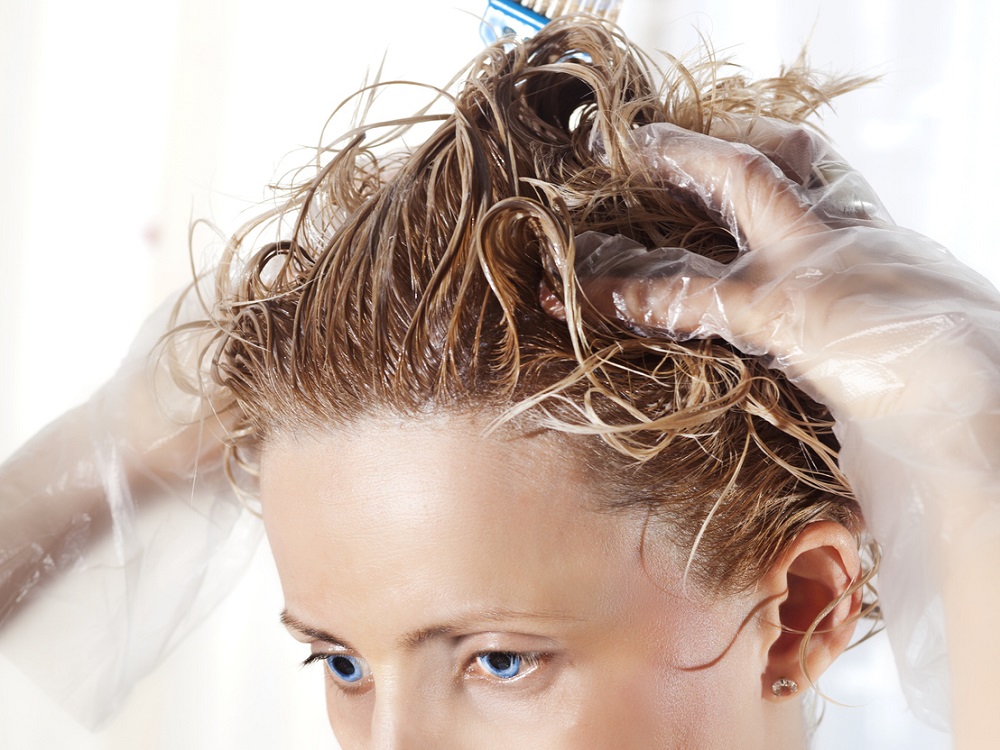
Your scalp is the warmest part of your head. So the first half inch of hair closest to your scalp will usually process faster than the mid-lengths and ends. That can make the roots look lighter, brighter, or warmer than the rest.
When applying light hair color, the roots often have virgin regrowth. Virgin hair usually takes color faster than hair that already has color on it.
This is why roots can end up lighter than the rest of your pre-colored hair.
2. Using a Different Hue on Your Regrowth
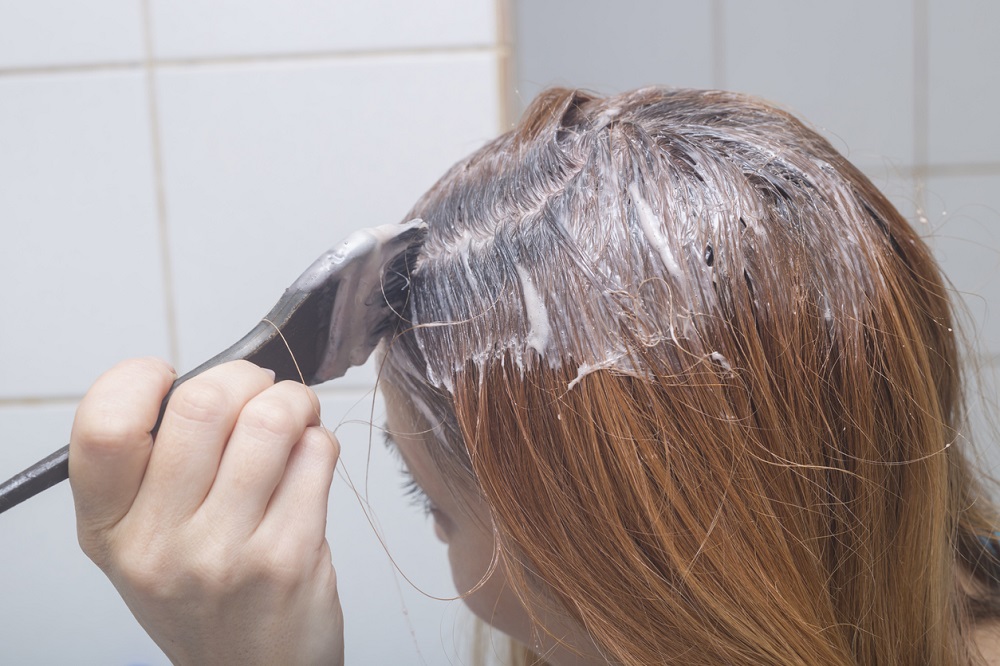
If you use a dye on your virgin regrowth that is lighter than your colored ends, your roots can turn out lighter or warmer. Even if you used the same box dye, timing and heat can still make the roots look different.
Keep in mind that when touching up your roots, the color at the scalp can set faster than the mid-lengths and ends. This can be traced back to the warmth from your scalp.
How to Fix Hot Roots
First, look closely in natural light. Are your roots lighter than your ends, or more orange and brassy? The fix depends on that one detail.
- Patch test first. New dye or toner can trigger an allergic reaction. Follow the FDA hair dye safety guidance before you apply anything new.
- Know the signs. Redness, itching, swelling, or a rash can mean a hair dye reaction. See the NHS guidance on hair dye reactions.
- If it burns, rinse. Stinging or burning can be a chemical burn. Rinse with plenty of water and follow Mayo Clinic first aid for chemical burns.
- Emergency signs. If you have swelling of the mouth or throat, or trouble breathing, get emergency help. See NHS anaphylaxis advice.
- Strand test. Test your fix on a small hidden section first. This helps you avoid muddy or green tones, and helps you time it right.
- Give your scalp a break. If your scalp feels tender, wait 24 to 48 hours before you apply more product.
If Your Roots Are Lighter Than Your Ends (Over-Processed)
This is the most common meaning of “roots are too light.” The hair at the scalp processed faster, so it lifted more. It can look bright, pale, or a little too warm compared to your mids and ends.
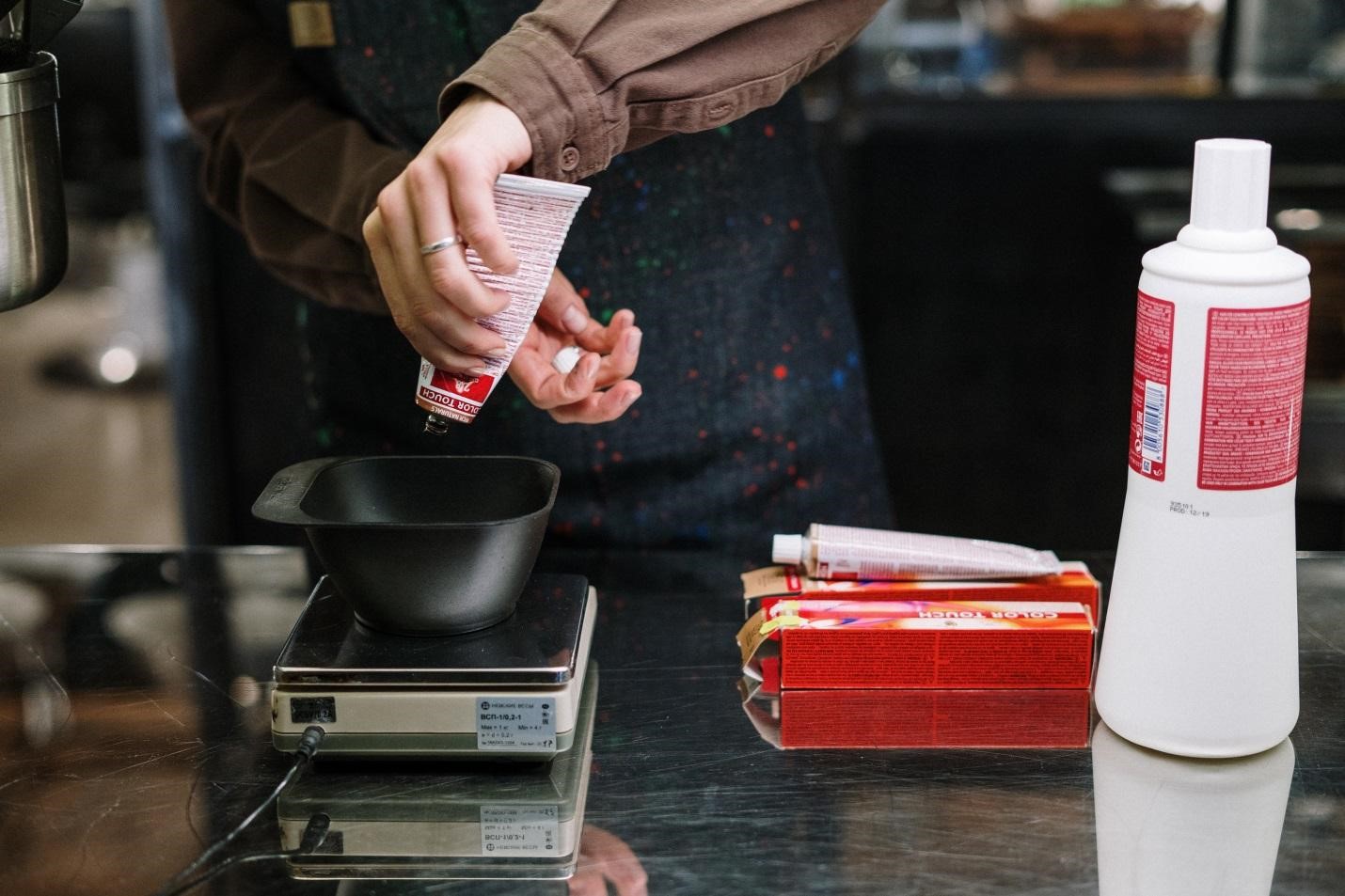
The simplest DIY fix is a demi-permanent root shadow. It deposits color, so it is more forgiving than a permanent root touch-up.
Choose a shade that is close to your mids and ends, often one level deeper. Apply it to the first half inch at the roots. Then gently smudge it down a little so you do not get a sharp line.
If your roots are also looking too warm, a toner can help soften that warmth. Apply it to the regrowth, then lightly blend into the mid-lengths for a smoother match.
You can try this at home, but if your roots look much lighter than the rest, a pro colorist can do a cleaner correction in one session.
If Your Roots Are Orange or Brassy (Under-Processed)
This is a different problem. It often means the roots did not lift enough, or the tone is too warm for your goal shade.
In many cases, the best first step is toning to reduce the brass. Use a toner that matches the kind of warmth you see, then blend it slightly into the next section so the shift looks soft, not striped.
If the roots are much darker than the rest, or the color looks patchy, book a correction. It is faster than trying to chase it at home.
How to Avoid Hot Roots

Now that you know what causes hot roots and how to fix them, here are simple ways to avoid roots that look too light.
For root touch-ups at home, consider a demi-permanent color for a soft root shadow. It can help you avoid banding, and it is easier to blend. Do not touch up with warmer hair color.
Next, watch your technique. If you are doing all-over color on virgin hair, apply to mid-lengths and ends first. Then apply to the roots near the end of the processing time. This helps the roots not over-process.
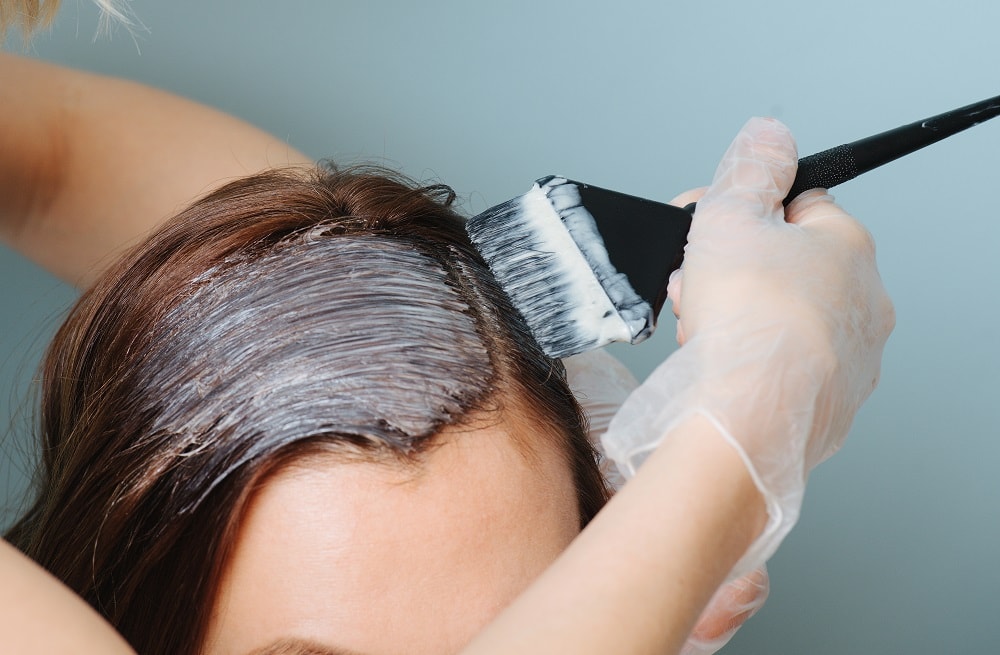
Finally, keep your application clean during touch-ups. Use a tint brush or an applicator bottle, and work in small sections so you stay focused on healthy regrowth.
Did you enjoy this piece? Check out these pro tips on how to protect highlights when coloring your hair.